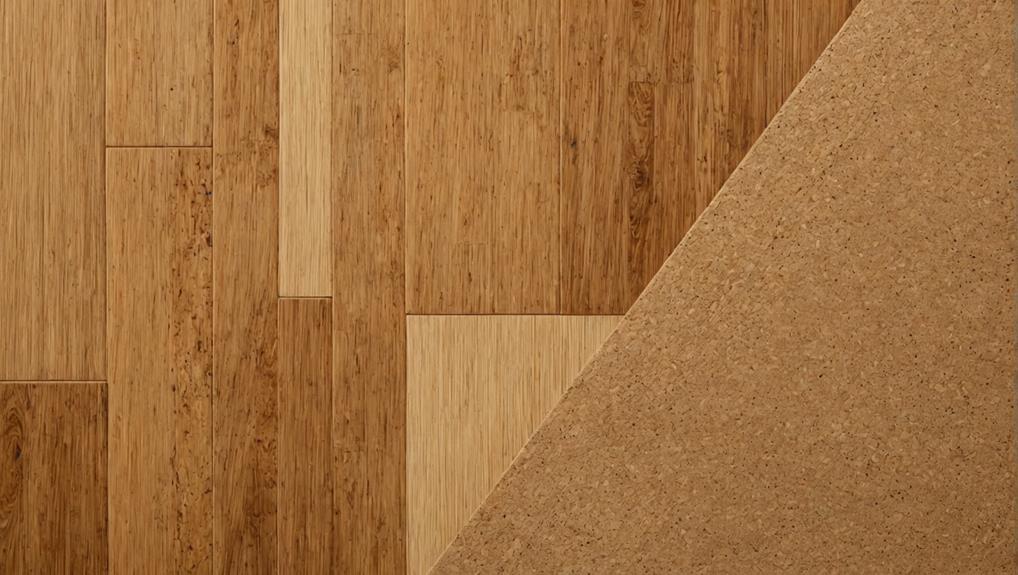

When choosing between cork and bamboo flooring, consider your specific needs. Cork is eco-friendly, naturally comfortable, and resistant to mold, making it ideal for spaces where sound and warmth are prioritized. However, it's less suitable for moisture-prone areas. Bamboo is highly durable, perfect for high-traffic zones, and offers a sleek modern aesthetic, though it may feel harder underfoot. Both options are sustainable, with cork having a lower carbon footprint. Ultimately, your decision should factor in comfort, maintenance, and design preferences. Explore further to understand the benefits and drawbacks specific to your living situation.
Overview of Cork Flooring
Cork flooring offers a unique blend of sustainability and durability, making it an appealing choice for many homeowners. Its natural cork properties contribute to a comfortable and safe living environment. Cork is inherently resistant to mold and mildew, which is vital for maintaining indoor air quality. Additionally, its antimicrobial properties guarantee that it won't harbor harmful bacteria, making it a suitable option for families with allergies or respiratory issues.
When considering cork applications, it's worth noting its versatility. You can install cork flooring in various rooms, including kitchens, bathrooms, and living areas. Its natural cushioning makes it an excellent choice for high-traffic zones, providing comfort underfoot while reducing the risk of slips and falls. This feature is particularly beneficial for households with young children or elderly residents.
Moreover, cork's insulating properties help regulate temperature and absorb sound, creating a quieter and cozier atmosphere in your home. You'll appreciate how cork can help lower energy costs by providing natural insulation.
Cork flooring is also eco-friendly, as it's harvested from the bark of cork oak trees without harming the tree itself, allowing for sustainable production. This aspect, combined with its durability—cork can last for decades with proper maintenance—makes it a responsible choice for environmentally conscious homeowners. To summarize, cork flooring not only enhances the aesthetic appeal of your space but also promotes a healthy and safe living environment.
Overview of Bamboo Flooring
Often regarded as one of the most sustainable flooring options available, bamboo flooring is crafted from the fast-growing bamboo plant, which can mature in just three to five years. This rapid growth makes bamboo a highly renewable resource, aligning perfectly with modern eco-conscious living. But what should you know about bamboo flooring before making a decision?
- Bamboo Sustainability: Bamboo is incredibly eco-friendly. It's harvested without killing the plant, allowing it to regenerate quickly. This characteristic greatly reduces the environmental impact compared to traditional hardwoods.
- Bamboo Installation: Installing bamboo flooring is generally straightforward. It can be glued, nailed, or floated over a variety of subfloors, making it versatile for different settings. Many products come pre-finished, saving you time and effort during installation.
- Durability: Bamboo flooring is remarkably durable, often surpassing traditional hardwoods in hardness. This makes it a strong choice for high-traffic areas, guaranteeing longevity and resilience against wear and tear.
When considering bamboo flooring, it's essential to make sure that you're purchasing from reputable sources that emphasize responsible bamboo harvesting practices. This assures that you're not only enhancing your home's aesthetics but also contributing to bamboo sustainability. With proper installation and maintenance, bamboo flooring can offer a safe, stylish, and eco-friendly solution for your living spaces.
Environmental Impact Comparison
When evaluating flooring options, understanding the environmental impact is essential for making an informed choice. Both cork and bamboo flooring have unique sustainability characteristics, but they differ greatly regarding their carbon footprint and sustainability practices.
Cork flooring is harvested from the bark of cork oak trees, which regenerate every nine years. This harvesting method doesn't harm the tree, allowing it to continue absorbing CO2, thereby helping to reduce your overall carbon footprint. Additionally, cork production utilizes minimal energy and water, making it an eco-friendly option.
On the other hand, bamboo is a fast-growing grass that can be harvested annually. However, the methods used to process bamboo often involve considerable energy consumption and chemical treatments, which can impact its sustainability rating.
Here's a comparative overview:
| Flooring Type | Carbon Footprint | Sustainability Practices |
|---|---|---|
| Cork | Low | Minimal energy use, renewable harvesting |
| Bamboo | Moderate | Fast growth, but often involves chemicals |
Durability and Longevity
The sustainability of flooring options not only encompasses their environmental impact but also their durability and longevity, which are critical factors for homeowners. When choosing between cork and bamboo flooring, you'll want to take into account their wear resistance and overall lifespan to guarantee you're making a sound investment. Here's a quick comparison:
- Cork Flooring: Known for its natural resilience, cork boasts a lifespan of approximately 25 years. Its unique cellular structure provides excellent shock absorption and wear resistance, making it ideal for households with children or pets. However, it can be susceptible to moisture damage if not properly sealed.
- Bamboo Flooring: Bamboo is often lauded for its impressive durability, with a lifespan ranging from 20 to 25 years. Depending on the manufacturing process, it can exhibit remarkable wear resistance, especially strand-woven bamboo, which is engineered for enhanced strength. However, be cautious of lower-quality options that may not hold up well over time.
- Lifespan Comparison: While both options are relatively close in lifespan, bamboo generally holds an edge in areas with high foot traffic due to its density. However, the choice ultimately depends on your specific needs and living conditions.
Comfort and Sound Insulation
When considering comfort and sound insulation, cork flooring stands out due to its natural sound absorption properties, making it ideal for reducing noise in your living space. In contrast, bamboo offers a harder surface that may not provide the same level of comfort underfoot, especially in high-traffic areas. Additionally, cork's inherent temperature regulation benefits can help maintain a pleasant environment, enhancing your overall experience in the room.
Natural Sound Absorption
Natural sound absorption is a critical factor to assess when choosing between cork and bamboo flooring, as it directly impacts comfort and sound insulation within a space. Both materials offer unique acoustic properties, but they differ considerably in their soundproofing benefits.
Here are three key factors:
- Cork's Natural Sound Absorption: Cork is renowned for its excellent acoustic properties. Its cellular structure allows it to absorb sound effectively, reducing noise transmission between rooms.
- Bamboo's Hard Surface: While bamboo is harder and more durable, its sound absorption capabilities aren't as prominent. Bamboo can reflect sound, potentially leading to a noisier environment unless paired with additional soundproofing materials.
- Installation Impact: The way you install these floors can influence sound absorption. Cork flooring usually requires less underlayment for effective sound dampening, while bamboo may need specialized underlayment to enhance its soundproofing benefits.
Choosing the right flooring with ideal natural sound absorption can greatly improve your living environment's comfort, making it essential to evaluate these factors for your safety and satisfaction.
Comfort Underfoot Comparison
How do cork and bamboo flooring compare with respect to comfort underfoot? When considering comfort and sound insulation, cork flooring excels due to its natural properties. It offers excellent foot support, featuring a unique cellular structure that provides a noticeable cushioning effect. This cushioning not only enhances comfort when walking or standing for extended periods, but it also reduces the impact on joints, making it a safer option for those concerned about foot fatigue or injury.
Bamboo, while harder and denser, can feel less forgiving underfoot. It does provide decent foot support, but lacks the same level of cushioning effect found in cork. As a result, you might notice increased fatigue if you're standing on bamboo for long durations. Additionally, bamboo's hard surface can contribute to a noisier environment, as it doesn't absorb sound as effectively as cork.
Temperature Regulation Benefits
If you're considering flooring options, temperature regulation is an essential factor to keep in mind. Both cork and bamboo flooring offer unique benefits that can enhance your home's energy efficiency and provide comfortable living conditions. Here are three key advantages of these flooring types:
- Natural Insulation: Cork's cellular structure provides excellent thermal insulation, allowing for better temperature control in your home. This means cooler spaces in summer and warmer climates in winter, reducing your reliance on heating and cooling systems.
- Sound Absorption: Cork flooring excels at sound insulation, minimizing noise transmission between rooms. This is particularly beneficial in multi-level homes, where you want to maintain a peaceful atmosphere without the disturbances of foot traffic.
- Eco-Friendly Choices: Both cork and bamboo are sustainable materials, contributing to energy efficiency. They help regulate indoor temperatures, which can lead to lower energy bills and a reduced carbon footprint.
Choosing the right flooring can greatly impact your home's comfort and efficiency, so consider how cork or bamboo could meet your needs for temperature regulation and sound insulation.
Maintenance and Cleaning
Maintaining the beauty and integrity of cork and bamboo flooring requires a tailored cleaning approach for each material. While both are eco-friendly options, their distinct properties necessitate different cleaning techniques and maintenance tips to guarantee longevity and safety.
For cork flooring, start with regular sweeping or vacuuming to remove dirt and debris, as these can cause scratches if left unattended. Use a damp mop with a pH-neutral cleaner specifically formulated for cork. Avoid excessive moisture, as this can lead to warping. Remember not to use harsh chemicals or abrasive scrubbers that could damage the surface. Additionally, applying a cork-specific sealant every few years will enhance its durability and resistance to stains.
Bamboo flooring, on the other hand, benefits from similar maintenance but requires slightly different care. Regularly sweep or vacuum to prevent grit buildup. When mopping, use a damp microfiber mop and a cleaner suitable for bamboo. Like cork, bamboo is sensitive to moisture, so confirm that your mop isn't soaking wet. Avoid using steam cleaners, as the heat can warp the planks. To maintain the finish, consider applying a bamboo-specific polish periodically.
In both cases, placing mats in high-traffic areas and using furniture pads can reduce wear and tear. By following these maintenance tips and cleaning techniques, you'll not only preserve the aesthetic appeal of your flooring but also guarantee a safe and healthy environment in your home.
Aesthetic Appeal and Design
When considering aesthetic appeal and design for your space, both cork and bamboo flooring offer distinct color and texture varieties that can enhance your interior. Cork provides a warm, natural look with its unique patterns, while bamboo features a sleek, contemporary style that complements modern decor. Understanding how each option aligns with your existing design will help you make an informed decision that reflects your personal taste.
Color and Texture Variety
Over the years, both cork and bamboo flooring have evolved to offer a stunning array of colors and textures, making them appealing choices for various design aesthetics. When evaluating flooring options, you'll find that both materials provide versatile color options and unique texture finishes that can enhance your interior space. Here are three key points to evaluate:
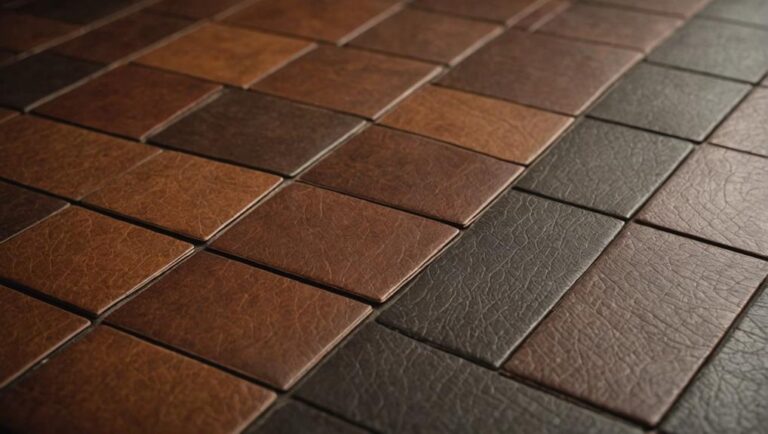
- Cork Flooring: Available in natural tones like browns and beiges, cork can also be stained in vibrant colors, allowing for customization. Its texture finishes can range from smooth to textured, providing a cozy feel underfoot.
- Bamboo Flooring: Known for its durability, bamboo flooring comes in a variety of hues—from light natural shades to dark carbonized styles. The texture finishes can be glossy or matte, catering to different preferences and enhancing safety by reducing slip hazards.
- Eco-Friendly Choices: Both materials are sourced sustainably, making them safe options for environmentally-conscious homeowners.
Ultimately, your choice will depend on the specific aesthetic you desire while evaluating safety and maintenance. Whether you lean towards the warm, inviting feel of cork or the sleek look of bamboo, both offer exceptional beauty and functional benefits.
Style Compatibility With Decor
The aesthetic appeal of flooring can greatly influence the overall design of a space, and both cork and bamboo flooring offer unique advantages in style compatibility with various decor themes. Cork flooring, with its natural texture and warm hues, harmonizes well with rustic and contemporary styles. Its ability to absorb sound contributes to a tranquil room ambiance, making it ideal for spaces where comfort is paramount. Additionally, cork's versatility allows for effective color coordination with earthy tones, enhancing the overall aesthetic.
On the other hand, bamboo flooring provides a sleek, modern look that complements minimalist and urban designs. Its straight grains and lighter shades can create a sense of openness, making rooms feel larger and brighter. Bamboo's durability also guarantees that it maintains its visual appeal over time, further enhancing the decor.
When choosing between cork and bamboo, think about how each option impacts your room's ambiance. Consider the lighting, furniture, and overall color scheme of your home. Both materials are eco-friendly, contributing to a safer environment, allowing you to enjoy your stylish space with peace of mind.
Cost Analysis
Analyzing the costs associated with cork and bamboo flooring reveals significant differences that can impact your budget. As you consider your options, it's essential to understand both the initial investment and the long-term value of each material.
Here are three key cost factors to keep in mind:
- Material Costs: Cork flooring typically ranges from $3 to $8 per square foot, while bamboo flooring can vary from $2 to $6 per square foot. The price can fluctuate based on the quality and brand you choose.
- Installation Costs: Installation for cork usually runs between $1.50 to $3 per square foot, whereas bamboo installation costs can be slightly lower, averaging around $1 to $2. If you're considering DIY, remember that both materials require specific tools and techniques to guarantee safety and durability.
- Maintenance and Longevity: While cork may have a lower upfront cost, it could require refinishing every 5 to 10 years, adding to long-term expenses. Bamboo, on the other hand, is generally more resilient and may last longer with less maintenance, potentially providing better long-term value.
Ultimately, your choice between cork and bamboo flooring should not only reflect your budget but also consider installation costs and the long-term value of the material. Investing wisely can guarantee your flooring remains safe, stylish, and functional for years to come.
Best Use Cases for Each
When selecting flooring materials, understanding their best use cases can greatly enhance your decision-making process. Both cork and bamboo flooring offer unique benefits depending on where you plan to install them.
Cork flooring is ideal for areas where comfort and sound insulation are priorities, such as in your home office or family room. Its soft texture makes it a pet-friendly option, providing a cushioned surface that's gentle on your furry friends' joints. Additionally, cork is naturally resistant to mold and mildew, making it a safe choice for those concerned about indoor air quality.
On the other hand, bamboo flooring excels in high-traffic areas due to its durability. If you have active pets or kids, bamboo can withstand scratches and dents better than cork. It's also suitable for moisture-prone areas, such as kitchens or bathrooms, provided it's properly sealed. The eco-friendly nature of bamboo makes it appealing for those looking to maintain a sustainable home.
Here's a quick comparison to help you decide:
| Use Case | Cork Flooring | Bamboo Flooring |
|---|---|---|
| Home Office | Excellent sound insulation | Durable and scratch-resistant |
| Pet Friendly | Soft and cushioning | Tough and resilient |
| Moisture-Prone Areas | Limited suitability | Highly suitable |
| Comfort | High | Moderate |
| Sustainability | Good | Excellent |
Ultimately, the right choice for you will depend on your specific needs and lifestyle.
Frequently Asked Questions
Can Cork Flooring Be Used in Bathrooms or Kitchens?
Cork flooring can be used in bathrooms and kitchens, but you should consider its benefits and drawbacks. The benefits include its natural resistance to mold and mildew, making it a safer choice for moisture-prone areas. However, cork can be susceptible to water damage if not sealed properly, so you'll need to guarantee it's installed with a waterproof barrier. Regular maintenance is essential to preserve its integrity in these high-humidity spaces.
How Does Bamboo Flooring Perform in Humid Climates?
In humid climates, bamboo flooring can be both a blessing and a challenge. While it boasts impressive bamboo durability, it's not entirely immune to moisture issues. Unlike traditional hardwoods, bamboo offers better moisture resistance, making it suitable for areas with higher humidity. However, make certain you choose a high-quality product and maintain proper acclimatization to prevent warping. With the right precautions, you can enjoy the beauty of bamboo without compromising safety or integrity.
Are There Any Health Concerns With Cork or Bamboo Flooring?
When considering health concerns with cork or bamboo flooring, it's important to be aware of cork allergies, which can affect sensitive individuals. While cork is generally safe, some people might experience allergic reactions. On the other hand, bamboo flooring can emit volatile organic compounds (VOCs) during installation and over time, potentially impacting indoor air quality. It's vital to choose low-VOC options and guarantee proper ventilation to minimize any health risks associated with these materials.
Is It Possible to Refinish Cork or Bamboo Flooring?
You can't make an omelet without breaking a few eggs, and refinishing cork or bamboo flooring isn't any different. The refinishing process for both materials varies; cork can be sanded and sealed, while bamboo may require more caution due to its hardness. In a durability comparison, bamboo often withstands wear better, but both can be successfully refinished, extending their life. Just guarantee you follow safety protocols to protect your health during the process.
How Do Cork and Bamboo Flooring Compare in Terms of Installation Difficulty?
When considering installation difficulty, both cork and bamboo flooring offer different installation methods. Cork is generally easier to install due to its click-lock system, reducing labor costs. Bamboo, however, may require more precision, especially with tongue-and-groove options, which can lead to higher installation costs. Regarding safety, guarantee proper acclimation and follow guidelines to avoid issues. Ultimately, weigh your budget against the installation complexity for the best choice.