Category Floor Care

How to Maintain Heated Floors Efficiently

efficient heated floor maintenance

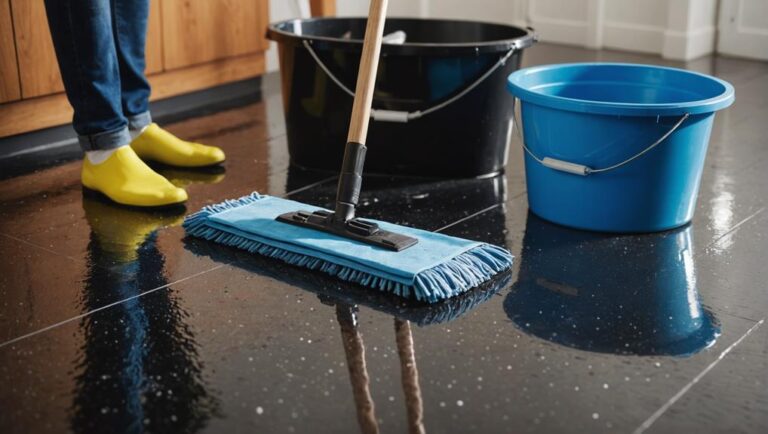
To maintain heated floors efficiently, start with regular inspections and adjust thermostat settings based on room usage. Check for visible damage like cracks or wear in heating cables during monthly visual reviews. Employ eco-friendly cleaners with microfiber tools for maintenance,…


Safety Tips for Radiant Heating Systems

radiant heating system safety

To guarantee safety with your radiant heating system, start by understanding the type you have, whether electric or hydronic. Regular maintenance checks are essential; inspect components annually and monitor fluid levels bi-annually. Keep your thermostat calibrated and avoid temperature fluctuations.…

Best Thermostats for Radiant Heated Floors

top radiant floor thermostats

When searching for the best thermostats for radiant heated floors, consider features like programmability, sensor technology, and Wi-Fi connectivity. Models such as the Honeywell RTH9585WF and Ecobee Lite offer smart control and energy-saving modes, making them top contenders. Look for…

Radiant Floor Heating for Basements: Pros and Cons

basement radiant heating benefits

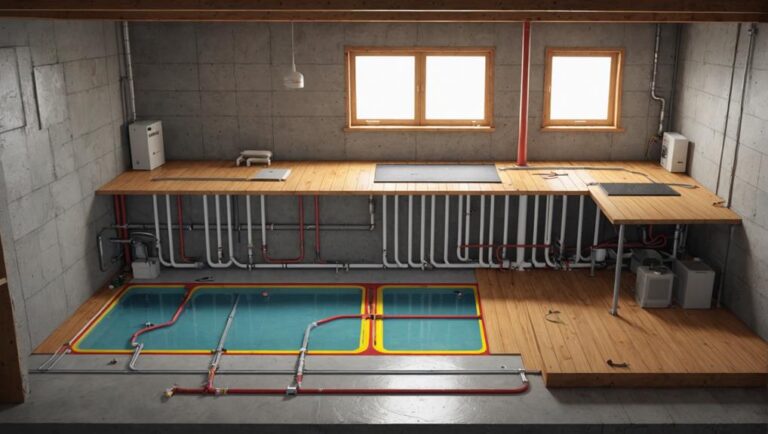
Radiant floor heating for basements offers consistent heat distribution and energy efficiency, making it a comfortable choice. It eliminates bulky radiators and enhances indoor air quality by reducing dust circulation. However, the high upfront installation costs can be a downside,…

How to Fix Cold Spots in Heated Floors

address cold spots effectively

To fix cold spots in heated floors, start by using thermal imaging to pinpoint temperature discrepancies. Check your system's components, ensuring the thermostat is calibrated and electrical connections are secure. Inspect insulation for damage or gaps that can cause heat…

Installing Radiant Heating Under Tile Vs Wood

radiant heating installation comparison

When you're installing radiant heating under tile or wood, consider the differences in efficiency and comfort. Tile has high thermal conductivity, ensuring quicker heat transfer and more consistent warmth. It's typically best suited for hydronic systems, while electric systems work…

How to Avoid Cracking With Radiant Floor Heating

prevent cracking radiant heating

To avoid cracking with radiant floor heating, you need to select compatible flooring materials, like tile or stone, known for their thermal conductivity. Guarantee proper installation by securing tubing and incorporating expansion joints. Gradually control temperature changes, increasing by no…

Common Issues With Radiant-Heated Floors

radiant floor heating problems

Radiant-heated floors can present several issues that impact efficiency and comfort. You might notice uneven heating distribution, which occurs due to layout or thermal mass factors. Overheating can occur if the system's design isn't optimized or if insulation is inadequate.…

Choosing Floor Types for Radiant Heating

optimal flooring for radiant heating

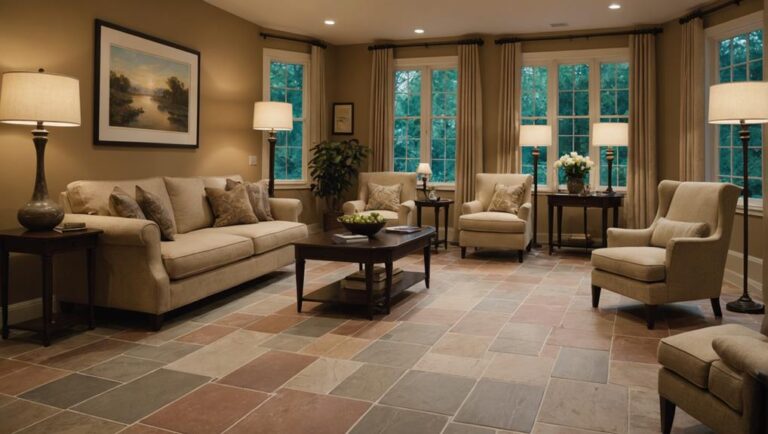
When choosing flooring for radiant heating, consider materials that enhance heat efficiency and comfort. Tile is a top choice due to its high thermal conductivity and moisture resistance, making it ideal for humid areas. Engineered wood can offer stability and…

How to Restore Shine to Rubber Floors

restore shine rubber floors

To restore shine to rubber floors, start by thoroughly cleaning the surface with a pH-neutral cleaner and a microfiber mop. Be sure to remove all debris before mopping. Once clean, apply a high-quality rubber floor polish in thin, even layers,…