
Are you tired of scrubbing your vinyl plank flooring with a traditional mop, only to find stubborn dirt still lingering? Maybe you’ve heard about steam mops and their magical cleaning powers, but you’re hesitant to try them on your beautiful vinyl flooring.
After all, you want to keep it looking pristine without causing any damage. Well, you’re in the right place. This article is your ultimate guide to understanding if a steam mop is safe for your vinyl plank floors and how it can transform your cleaning routine.
Get ready to uncover the truth about steam mops, and find out if they could be your next cleaning ally. Don’t miss out on these vital insights that could save you time and effort while keeping your floors spotless.
Steam Mop Basics
Steam mops use hot steam to clean floors. The steam helps remove dirt easily. Water is heated in the mop. This creates steam. Steam comes out through the mop pad. It cleans and sanitizes the floor. Some steam mops have extra features. These may include adjustable steam settings. Others have special pads for different surfaces. Using steam mops can be simple. Just fill the tank with water. Plug in the mop. Wait for the steam to start. Then, move the mop on the floor.
Steam mops clean floors without chemicals. This is good for the environment. It also makes homes safer for kids and pets. Steam kills many germs. This helps keep floors clean. Using steam mops can save time. They clean faster than regular mops. Steam mops can be used on many floor types. They work well on tiles, marble, and more. Some people like steam mops because they help floors shine. The steam can bring out the natural beauty of floors.
Vinyl Plank Flooring Characteristics
Vinyl plank flooring boasts durability and water resistance, making it a popular choice for homes. The surface can be cleaned with a steam mop, but avoid high heat settings to prevent damage. Proper care ensures the flooring maintains its stylish appearance and longevity.
Structure And Composition
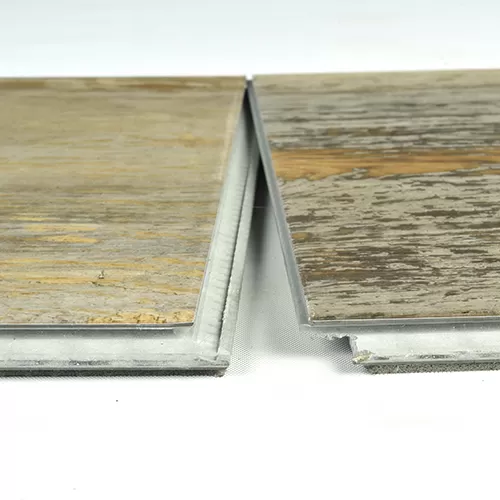
Vinyl plank flooring has many layers. The top layer is the wear layer. It protects from scratches and stains. Below that, there is the decorative layer. This layer shows the floor’s design. Underneath, the core layer gives strength. It helps the floor stay firm and stable. The bottom layer is the backing layer. It provides support and comfort.
Common Concerns With Vinyl
Many worry about using steam mops on vinyl. They fear water damage. Hot steam can seep through gaps. This might warp the planks. Some people also fret about discoloration. They think steam could fade colors. It’s vital to know if vinyl is waterproof or water-resistant. This helps in making the right cleaning choice.
Compatibility Of Steam Mops With Vinyl
Manufacturers often give advice for caring for vinyl floors. It’s important to check these recommendations. Some say steam mops are safe, but many do not. The heat and moisture from a steam mop can be risky. Always read the care instructions first. This helps keep your floor safe.
Using the wrong cleaning tool can cause issues. It’s better to follow the manufacturer’s guidelines. This way, you avoid potential damage. When in doubt, ask a professional. They can provide the best advice for your floor type.
Potential Risks and Damage can occur with steam mops. Heat and moisture might harm vinyl planks. This can lead to warping or curling. It’s important to prevent this damage. Use a mop that is safe for vinyl. Regular mops are often a better choice. They clean without the risk of heat damage.

Safe Cleaning Techniques
Steam mops can harm vinyl plank floors. Avoid using them. Opt for safer methods. A microfiber mop is gentle. It picks up dirt well. Use warm water with it. Add some mild soap if needed. Vinegar is a great cleaner. Mix it with water. It removes grime. Baking soda works too. Make a paste with water. Scrub gently. It cleans stains. These methods protect your floors.
Keep floors dry. Wipe spills quickly. Use a soft cloth. Dust often. A soft broom is best. Vacuum weekly. Use a soft brush attachment. Heavy furniture can scratch floors. Use pads under legs. Avoid dragging items. Clean floors regularly. Gentle cleaning keeps them new. Avoid harsh chemicals. They can damage surfaces. Following these tips keeps floors looking nice.
Choosing The Right Tools
A steam mop needs to be gentle on vinyl floors. Look for a model with adjustable steam settings. This helps control the heat and moisture. A removable water tank is a good feature. It makes refilling easy. A lightweight design is important too. It helps in easy movement. Ensure the mop has a microfiber pad. This pad is soft and won’t scratch the floor.
Use a cleaner that’s safe for vinyl. Vinegar and water mix works well. It cleans without leaving streaks. Avoid harsh chemicals. These can damage the floor. A pH-neutral cleaner is best. Always read labels before using any product. This ensures safety for your floors. A gentle cleaning solution is key.
User Experiences And Expert Opinions
Many homeowners love using steam mops on vinyl plank flooring. They say it cleans quickly and makes floors shine. A few users worry about heat. They think it may harm the floor. Some say using a steam mop is simple and fun. Others feel a bit cautious about long-term effects.
Flooring specialists often have mixed views. Some experts say steam mops are safe for vinyl. They suggest using low heat settings. Others advise caution. They recommend checking floor warranties first. Specialists also suggest testing on a small area. This helps to see any adverse effects. Always read the mop’s manual. Follow all safety instructions carefully.

Frequently Asked Questions
Is Steam Mop Safe For Vinyl Plank Floors?
Steam mops can be safe for vinyl plank flooring if used correctly. Ensure the steam setting is low to prevent damage. Avoid excessive moisture, which can seep into seams and cause warping. Always check the manufacturer’s guidelines and test a small area first to ensure compatibility with your flooring.
Can Steam Mops Damage Vinyl Flooring?
Steam mops can damage vinyl flooring if not used properly. High heat and excess moisture may cause warping or discoloration. It’s crucial to use a low steam setting and avoid prolonged exposure. Regularly check the manufacturer’s care instructions to ensure your flooring remains undamaged when using steam cleaning methods.
How Do You Steam Mop Vinyl Plank Floors?
To steam mop vinyl plank floors, start by vacuuming or sweeping. Use a steam mop on a low setting, ensuring minimal moisture. Move the mop evenly across the floor without lingering in one spot. Always follow the manufacturer’s instructions to prevent damage and maintain the floor’s appearance.
What Cleaner To Use On Vinyl Plank Floors?
Use a cleaner specifically designed for vinyl plank floors to ensure safety. Mild solutions like vinegar and water can be effective. Avoid harsh chemicals or abrasives that can damage the surface. Always check the manufacturer’s guidelines for recommended cleaning products to maintain your flooring’s integrity.
Conclusion
Steam mops can be used on vinyl plank flooring with care. Avoid using high heat settings. Excess moisture may damage the floor. Use a damp mop instead for regular cleaning. Always check the manufacturer’s guidelines first. This ensures safe cleaning.
Test a small area before full use. This prevents unwanted damage. Proper care keeps your floor looking new. Regular maintenance is key. Avoid harsh chemicals to protect the surface. Clean with gentle solutions. Keep your vinyl plank floor beautiful and lasting longer.
Simple steps make a big difference in floor care.