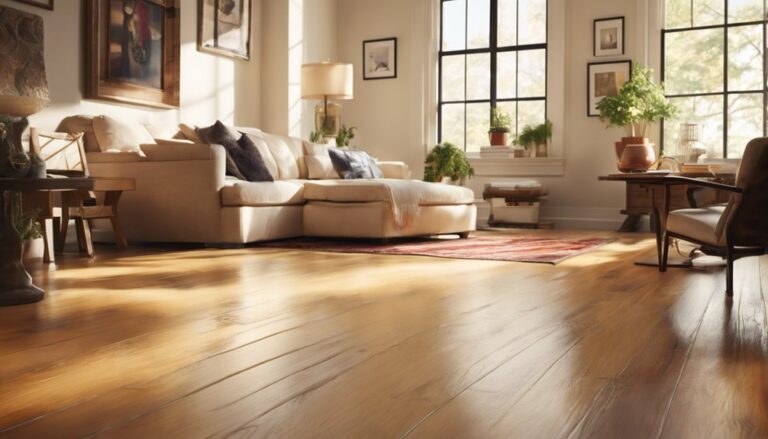

Imagine your wood floors looking pristine, like they did the day they were installed. You’re probably wondering if steam cleaning can achieve this magic.
You might have heard mixed opinions, and you’re eager to find out the truth. Could steam cleaning be the secret weapon you’ve been searching for to tackle dirt and grime without damaging your beautiful wood floors? This article will uncover everything you need to know.
We’ll dive into the benefits, potential risks, and expert tips on whether steam cleaning is the right choice for your floors. As you read on, you’ll discover clear, actionable advice tailored to help you make informed decisions about maintaining your wood floors. Get ready to transform your cleaning routine and keep your floors looking stunning.

Benefits Of Steam Cleaning
Steam cleaning is great for wood floors. It can remove dirt easily. The steam reaches deep into cracks. This helps get rid of stubborn dirt. No need for harsh chemicals. Just water and heat do the job. It’s simple and clean.
Steam cleaning is eco-friendly. It uses only water. No harmful chemicals are needed. This helps keep the planet safe. It’s a green way to clean floors. Safe for your home and the Earth.
Dust and allergens hide in floors. Steam cleaning can reduce these allergens. The hot steam kills dust mites. This makes the air cleaner. Good for people with allergies. Breathe easy with steam cleaning.
Wood Floor Types
Solid hardwood is made from real wood. It feels warm and natural. These floors can last a long time. They can be sanded and refinished. This makes them look new again. But they are sensitive to water. Water can damage them easily.
Engineered wood looks like real wood. It is made from layers. The top layer is real wood. The bottom layers are plywood. This makes it more stable. It can handle some water. But too much water is bad. It can cause the wood to swell.
Laminate flooring is not real wood. It has a picture of wood on top. It is strong and durable. Water does not hurt it much. But too much water can cause problems. The edges may swell. Always clean up spills quickly.
Preparation Steps
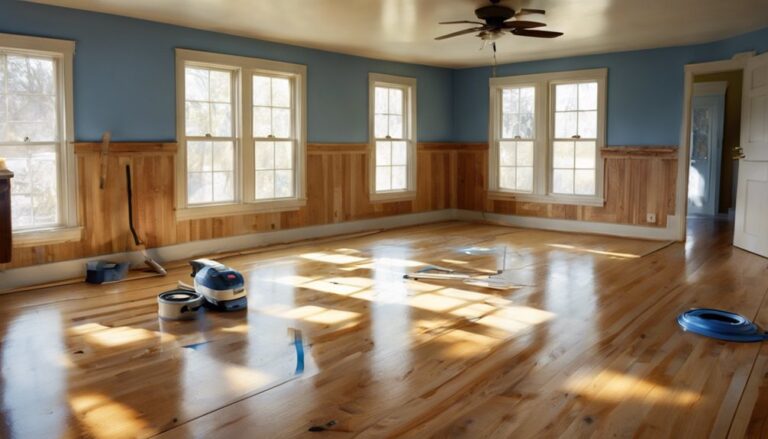
Check the wood floor for any damage. Look for cracks or warping. A damaged floor might not handle steam well. Moisture can make damage worse. Ensure the floor is safe for cleaning.
Remove all furniture and rugs from the room. This creates space to clean. A clear area helps in reaching all spots. Make sure nothing is left on the floor. This prevents any obstacles during cleaning.
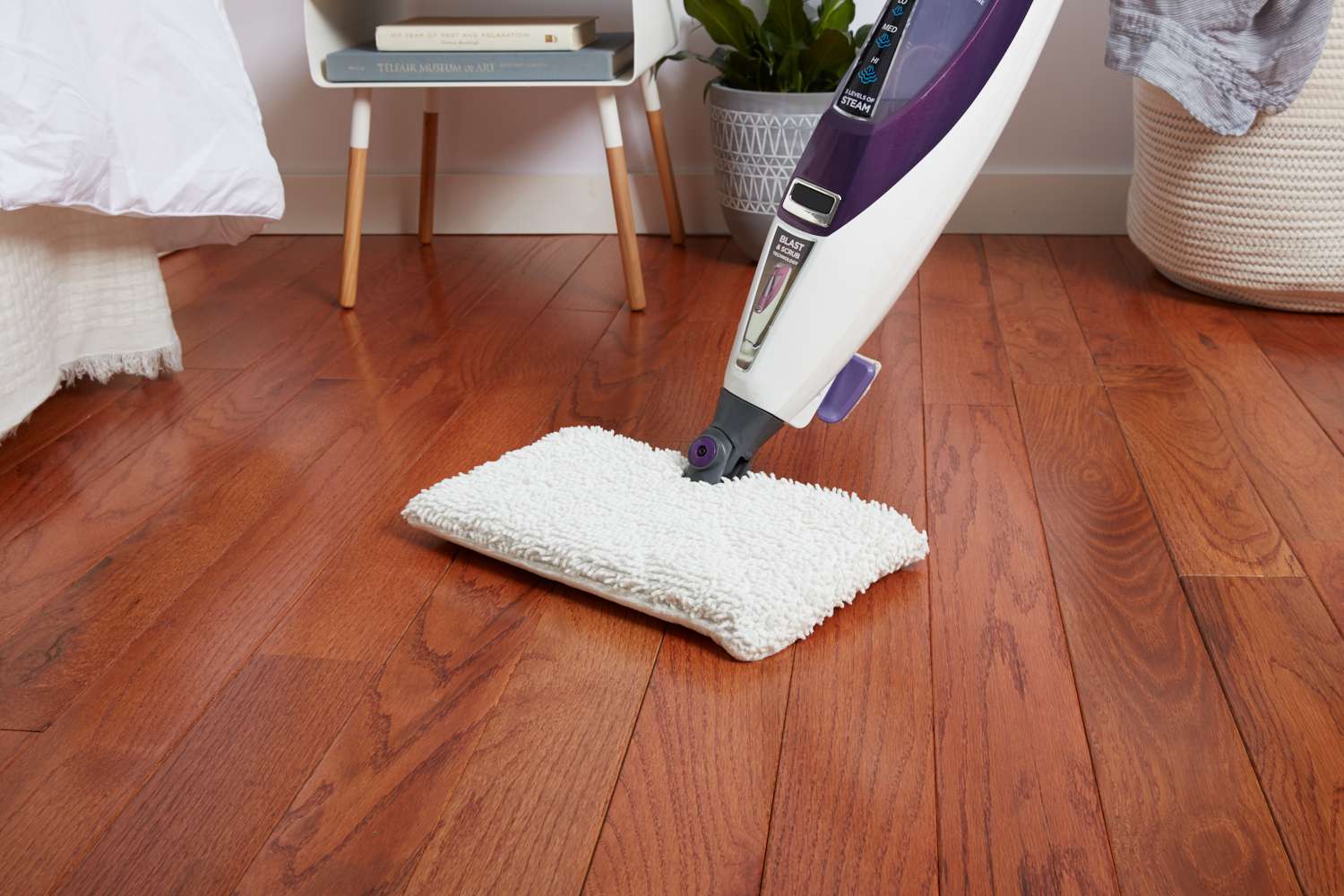
A steam cleaner designed for wood floors is best. Check its settings for wood-safe options. Some cleaners have adjustable steam levels. Use a gentle setting to protect the wood. Read the cleaner’s manual for guidance.
Steam Cleaning Techniques
Wood floors need care. Adjust the steam settings carefully. Use low steam for safety. High steam can harm wood. Too much heat can warp the floors. Always test a small area first. This ensures safety for your floors.
Choose the right attachments for wood floors. Soft mop heads work best. Hard brushes can scratch. Use microfiber pads for cleaning. They are gentle and effective. Proper attachments protect your wood floors.
Divide the floor into sections for cleaning. Small areas are easier to manage. This prevents water damage. Focus on one section at a time. This method keeps your floors safe. Slow cleaning ensures thoroughness.
Safety Precautions
Use only a little bit of steam. Too much water is bad. It can make wood floors swell. Always dry the floor quickly. Make sure the steam cleaner is set on low. This helps keep the floor safe.
The wood finish must stay safe. A strong finish is shiny and smooth. Use a soft cloth after steaming. Gently wipe the floor to keep it nice. This helps protect the wood finish.
Steam equipment can be hot. Be careful when using it. Always hold it by the handle. Keep kids away from the steam cleaner. Unplug it when not in use. This keeps everyone safe.
Post-cleaning Care
Steam cleaning wood floors requires caution. Excessive moisture can damage the wood, leading to warping. Use gentle methods to maintain shine and avoid harm.
Drying The Floor
After cleaning, make sure the floor is completely dry. Use a soft, clean towel to wipe any wet spots. This helps to avoid any water damage. Fans can help speed up the drying process. Ensure no water sits on the wood.
Applying Protective Coating
Adding a protective coating can keep your floors shiny. Use a product made for wood floors. Apply it evenly with a soft cloth. It helps the floors stay beautiful for longer.
Regular Maintenance Tips
- Sweep your floor every day.
- Use a damp mop once a week.
- Keep water away from your wood floors.
- Place mats at doors to catch dirt.
- Inspect for scratches regularly.
Common Mistakes
Using a lot of steam can harm wood floors. Steam makes wood swell and warp. Always use a gentle setting. This keeps your floors safe and clean. Too much heat is never good for wood.
Every floor is different. Manufacturer instructions help keep your floors safe. Ignoring them can lead to damage. Follow these guides to avoid mistakes. They know best how to care for your floors.
Regular checks can save your floors. Look for scratches and gaps. These can let water in. Fix them before steaming. This keeps your floors in good shape. Small problems can become big if not fixed.

Alternative Cleaning Methods
Traditional mopping is a simple way to clean wood floors. Use a soft mop. Dip it in warm water. Wring out the mop well. Too much water can harm wood. Mop in small sections. Dry each section with a clean cloth. This helps keep the wood safe.
Dry dusting is gentle and effective. Use a microfiber cloth. It traps dust and dirt. Gently wipe the floor. Do this often. It keeps the floor looking nice. No water is needed. This makes it safe for wood.
Vinegar solutions can clean wood floors. Mix vinegar with water. Use one part vinegar and three parts water. Dampen a cloth with the solution. Wipe the floor gently. Vinegar helps remove grime. It also adds shine. Ensure the floor dries quickly. This keeps the wood in good condition.
Frequently Asked Questions
Is Steam Cleaning Safe For Wood Floors?
Steam cleaning isn’t recommended for wood floors. Excess moisture can damage the wood’s finish and structure. Instead, use a damp mop and suitable wood cleaner for maintenance. Regular sweeping or vacuuming helps prevent scratches. Always follow manufacturer guidelines to ensure your wood floors remain in good condition and maintain their appearance.
Can Steam Cleaning Damage Wood Floors?
Yes, steam cleaning can damage wood floors. The high heat and moisture can cause warping or buckling. It might also strip the protective finish off the wood. Instead, opt for gentle cleaning methods like dry mopping or using specific wood floor cleaners to maintain your floors’ integrity and appearance.
What Are Alternatives To Steam Cleaning Wood?
Instead of steam cleaning, try dry mopping or vacuuming your wood floors regularly. Use a damp mop with a wood-safe cleaner for deeper cleaning. Ensure the mop is lightly damp, not soaked, to avoid moisture damage. These methods help preserve the wood’s finish and prevent long-term damage.
How Often Should You Clean Wood Floors?
Clean wood floors regularly to maintain their beauty. Vacuum or dry mop weekly to remove dirt and dust. Use a damp mop with a wood-specific cleaner monthly for deeper cleaning. Avoid excessive moisture to prevent damage. Following these steps ensures your wood floors remain pristine and durable.
Conclusion
Steaming wood floors requires caution. Too much moisture can damage them. Always check floor type before cleaning. Some wood floors handle steam well. Others do not. Consider manufacturer’s instructions. They offer valuable guidance. Test a small area first. This prevents larger mishaps.
For regular cleaning, use a mop. It maintains floor quality. Steam may be useful for deep cleaning. Use it sparingly. Avoid frequent steam use. It helps preserve wood floors. Clean responsibly. Keep your floors beautiful and long-lasting.