
Are you tired of your old carpet but dreading the thought of a full renovation? You’re not alone.
Many homeowners face the dilemma of outdated or stained carpets that seem impossible to revive. The thought of ripping it all out and starting fresh can be overwhelming and expensive. But what if there was a simpler, more cost-effective solution?
Have you ever considered laying vinyl flooring over your existing carpet? It might sound unconventional, but it could be the game-changer you need. Imagine transforming your space with minimal effort and maximum impact. Before you make a decision, though, it’s essential to weigh the pros and cons. In this guide, we’ll explore whether this quick fix is the right move for your home. Get ready to discover an innovative way to refresh your floors without the hassle!
Evaluating Carpet Types
Low-pile carpets have short fibers. They are smooth and flat. High-pile carpets are fluffy and thick. They feel soft and cozy. Low-pile is better for vinyl flooring. The surface is even. Vinyl needs a flat surface.
Padding under carpet is often soft. It can affect the vinyl flooring. Thick padding is squishy. Vinyl flooring may not stick well. Thin padding is firmer. Vinyl flooring works better on firm surfaces. Always check the carpet and padding.
Vinyl Flooring Options
Vinyl flooring comes in different types. Sheet vinyl covers large areas quickly. Luxury vinyl tiles look like real stone or wood. Vinyl planks are long pieces like wood boards. Each type has a unique look. Choose what fits your room best.
Thickness matters for vinyl flooring. Thicker floors feel soft underfoot. They last longer too. Durability is key for busy areas. High traffic rooms need strong floors. Thicker vinyl can handle more wear and tear. Always check the thickness before buying. It makes a big difference.
Advantages And Disadvantages
Vinyl flooring is easy to install. You don’t need glue or nails. It can be placed on top of carpet. This saves time and energy. Vinyl is also waterproof. Spills won’t harm it. It is a good choice for kitchens and bathrooms. Plus, it’s soft underfoot. This makes it comfy to walk on.
Vinyl is also budget-friendly. It costs less than wood or tile. You can find many styles and colors. This makes it easy to match your decor.
Carpet can be uneven. This affects vinyl installation. It might not look smooth. Heavy furniture can dent it. This leaves marks on the surface.
Cleaning can be tricky. Dirt can hide in the carpet below. Over time, this dirt can affect the vinyl. It’s also not as durable as other floors. It may need replacing sooner.
Preparation Steps
Make sure the carpet is clean and dust-free. Use a vacuum to remove dirt. Check for any stains and clean them. If the carpet is still dirty, use a carpet cleaner. Let it dry completely before moving to the next step. A clean carpet helps the vinyl stick better.
Ensure the carpet is smooth and even. Check for bumps or dents. Use a roller to flatten any uneven areas. A level surface prevents future problems. Avoid using vinyl on thick carpets. Thick carpets can cause vinyl to shift.
Installation Process
You need a few basic tools to start. Gather a utility knife and a tape measure. Also, keep a straight edge handy. You will need vinyl flooring and adhesive. Ensure you have a roller to press the flooring down.
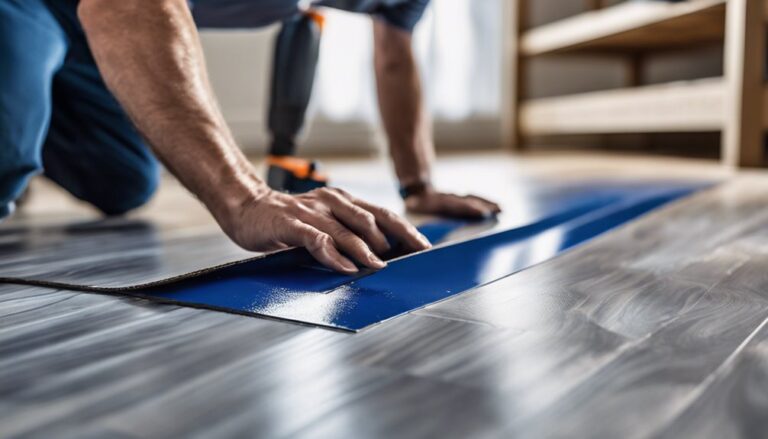
First, measure the room size. Cut the vinyl pieces to fit. Lay the pieces over the carpet. Use the adhesive to stick them. Press with a roller. Check each piece carefully. Make sure they are smooth and flat. If needed, trim the edges. Finish by cleaning the surface.
Maintenance Tips
Vinyl flooring over carpet can lead to uneven surfaces and unwanted moisture. It’s best to remove carpet first. Ensure a clean and flat subfloor for optimal vinyl installation.
Cleaning And Care
Keep your vinyl floor clean for a long life. Use a soft broom to sweep dirt away. Vacuum the floor weekly. Wet mops are a good choice for deeper cleaning. Never use harsh chemicals on the vinyl. Only use mild cleaners. Dry the floor after mopping. This stops water damage. Spills must be wiped up quickly. This keeps stains away. Keep shoes clean to reduce dirt. Place doormats at entrances for extra protection.
Avoiding Damage
Heavy furniture can harm vinyl floors. Use furniture pads under legs. This stops scratches. Move furniture with care. Do not drag it across the floor. Sharp objects can cut the vinyl. Keep them away from the floor. Sunlight can fade the floor. Use curtains to block the sun. Pets can scratch the vinyl. Trim their nails often. Rugs can protect busy areas. Choose non-slip rugs for safety.
Alternative Flooring Solutions
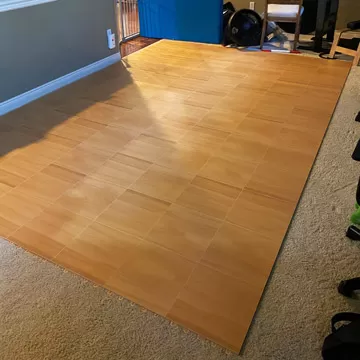
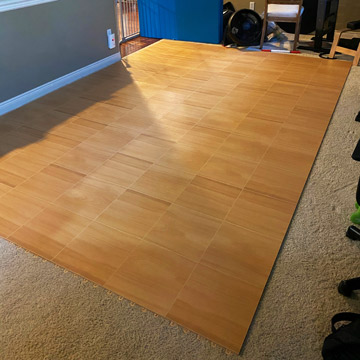
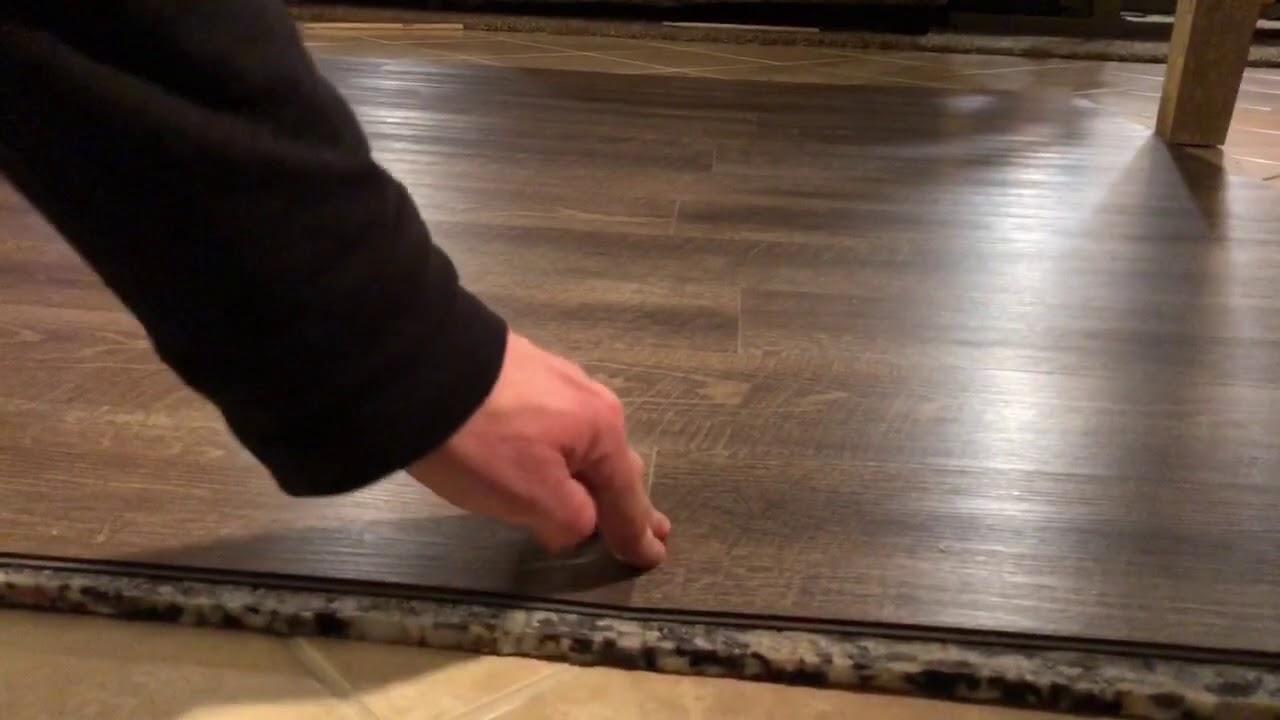
Temporary flooring is a great choice for those not ready to commit. It is easy to install and remove. You can enjoy a new floor look without much hassle. Many people choose vinyl planks or tiles. These options are simple and neat. They can be placed directly on the existing carpet. This provides a fresh and clean appearance.
Removing the carpet is needed in some cases. If the carpet is very old, it should be removed. A dirty or smelly carpet is not good. It can make the room feel unclean. Always check for mold under the carpet. Mold can cause health problems. If you find mold, remove the carpet quickly. Safety is very important for your home.
Expert Recommendations
Sometimes, it is best to ask for help. Professional installers know how to handle tricky floors. They have special tools and skills. They make sure your floor is safe and looks good. If the carpet is thick or uneven, call an expert. This will save you time and stress. Safety is also important. Experts ensure your floor won’t slip or move.
Many people make mistakes with flooring. One mistake is not cleaning the carpet first. Dirt and dust can cause problems. Another mistake is ignoring the carpet’s thickness. Thick carpets make floors uneven. Not using the right tools is also a big mistake. This can lead to poor results. Always read instructions and follow them carefully. Your floor will look better and last longer.

Frequently Asked Questions
Can Vinyl Flooring Be Installed Over Carpet?
Yes, vinyl flooring can be installed over carpet, but it’s not recommended. Carpets create an uneven surface that can compromise the stability of vinyl. Removing the carpet ensures a flat and durable base, enhancing the longevity and appearance of the vinyl flooring.
What Types Of Carpet Can Vinyl Cover?
Vinyl flooring can cover low-pile carpets like commercial or indoor-outdoor types. However, thick or plush carpets should be removed. Low-pile carpets offer a firmer base, but it’s still better to remove them for optimal results. A flat surface ensures proper adhesion and reduces the risk of damage.
What Are The Benefits Of Removing Carpet First?
Removing carpet before installing vinyl flooring ensures a smooth and stable surface. It prevents potential damage and wear caused by uneven flooring. A solid base enhances the vinyl’s lifespan, appearance, and performance. Proper installation leads to fewer repairs and maintenance over time.
Does Carpet Affect Vinyl Flooring Durability?
Yes, carpet affects vinyl flooring durability. An uneven carpet surface can lead to vinyl warping and damage. Removing carpet ensures a stable foundation, enhancing vinyl’s lifespan. Proper installation on a flat surface reduces wear and tear, maintaining the flooring’s quality and appearance.
Conclusion
Vinyl flooring over carpet? Possible but tricky. Carpet’s softness can cause issues. Vinyl needs a firm base. Consider removing carpet first. Check floor condition underneath. Loose carpets create uneven surfaces. Might affect vinyl longevity. Installation challenges can arise. Consult a professional for advice.
They offer guidance tailored to your space. Costs can vary depending on choices. Vinyl offers a sleek look. Durable, easy to clean. Make an informed decision for best results. Always prioritize safety and longevity. With proper planning, achieve a stylish floor.
Consider all aspects before moving forward. Your floor deserves careful thought.