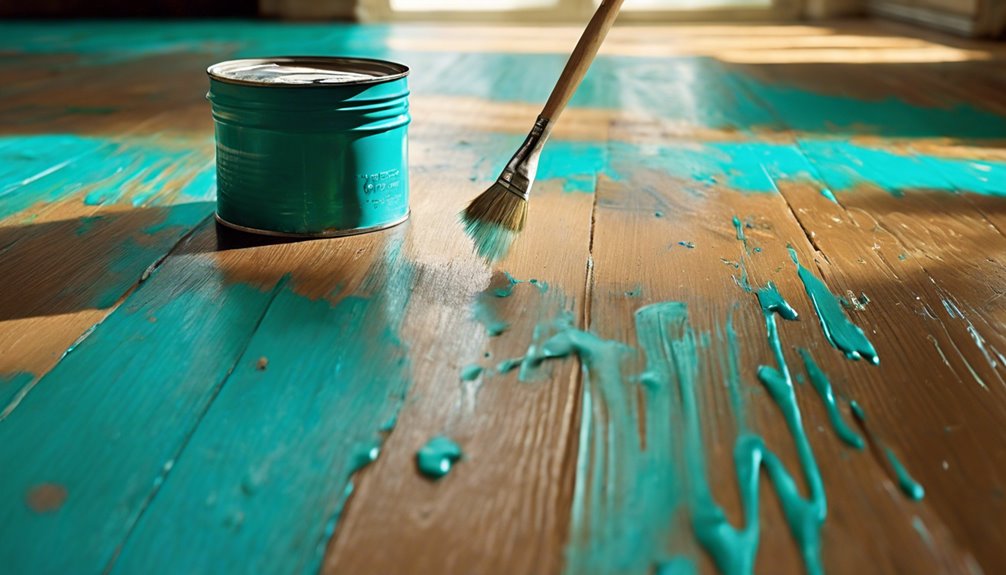

Yes, you can definitely paint hardwood floors! It's a fantastic way to update your home without a full renovation. Start by choosing the right paint—oil-based options are durable, while acrylic paints are easy to clean. Before you begin, clear and clean the area, and lightly sand the floors for better adhesion. Apply multiple thin coats for a smooth finish. Just be sure to maintain your painted floors with regular cleaning and touch-ups as needed. If you're curious about tips for a successful project, you'll find even more helpful insights ahead.
Reasons to Paint Hardwood Floors
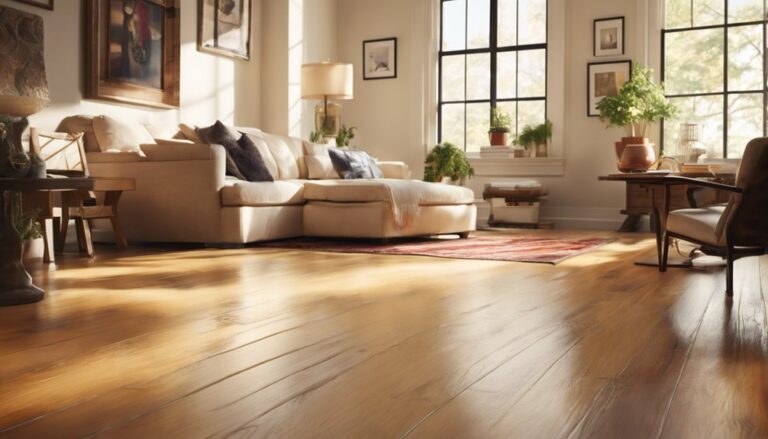
If you're looking to refresh your home's aesthetic without a complete renovation, painting your hardwood floors can be a game-changer. This creative approach offers numerous aesthetic advantages, allowing you to express your style while enhancing your space. You can choose bold colors to make a statement or soft hues for a calming effect—it's all about your vision.
Cost considerations also play a significant role; painting is often much cheaper than replacing flooring, making it a budget-friendly option. Plus, you can easily tackle this project yourself, saving even more on labor costs. By painting your hardwood floors, you not only breathe new life into your home but also embrace a freedom of expression that can transform your living environment.
Types of Paint Suitable for Wood
When you're considering painting your hardwood floors, it's essential to choose the right type of paint to guarantee durability and a beautiful finish. Two popular options are acrylic paints and oil-based paints.
Acrylic paints are water-based, making them easy to clean up and low in fumes. They dry quickly, allowing you to complete your project in less time. However, they may not be as durable as oil-based paints, especially in high-traffic areas.
On the other hand, oil-based paints are known for their toughness and rich finish. They take longer to dry and require more ventilation during application, but they provide a long-lasting, resilient surface.
Ultimately, your choice depends on the look you want and how much wear your floors will endure.
Preparing Your Floors for Painting
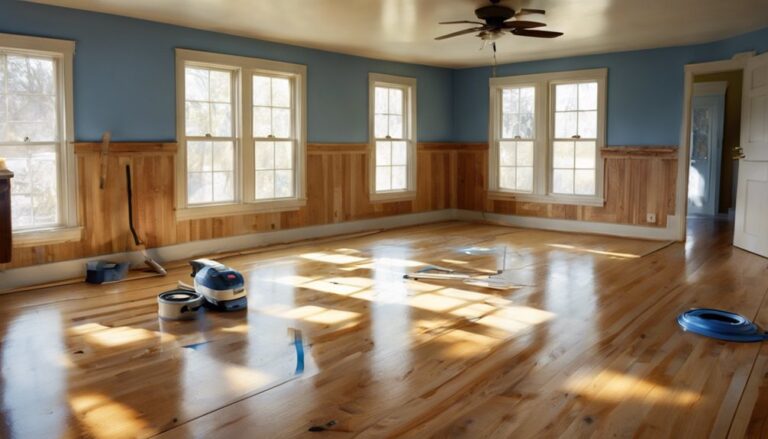
Before diving into the painting process, it's crucial to prepare your hardwood floors properly to guarantee a smooth and lasting finish. Start by clearing the area of furniture and rugs, giving you unobstructed access. Next, you'll want to focus on floor sanding; this step removes any old finish, scratches, or imperfections, creating an ideal surface for paint adhesion. Be sure to vacuum up the dust afterward, as it can hinder the painting process. Once your floors are sanded and clean, it's time to apply a protective coating. This layer acts as a barrier between the wood and the paint, enhancing durability. Proper preparation can make all the difference, ensuring your painted floors look fabulous and stand the test of time.
Step-by-Step Painting Process
Now that your floors are prepped, it's time to gather your materials and understand the application techniques. You'll want to guarantee you have everything you need for a smooth process, from paint to tools. Let's walk through the step-by-step painting process to achieve a beautiful finish on your hardwood floors.
Preparation and Materials Needed
To secure a successful painting project for your hardwood floors, proper preparation and the right materials are essential. Start by making sure your space is clean and ready for transformation. Here's what you'll need:
- Floor cleaning solution – A thorough clean is vital to remove dirt and oils.
- Sandpaper or a sander – This helps create a rough surface for better paint adhesion.
- Paint primer – Using a good primer will make certain your paint sticks and lasts longer.
- Quality floor paint – Choose a durable, non-toxic paint suitable for hardwood.
With these materials in hand, you're on your way to giving your floors a fresh, vibrant look that reflects your unique style. Enjoy the freedom of transforming your space!
Application Techniques Explained
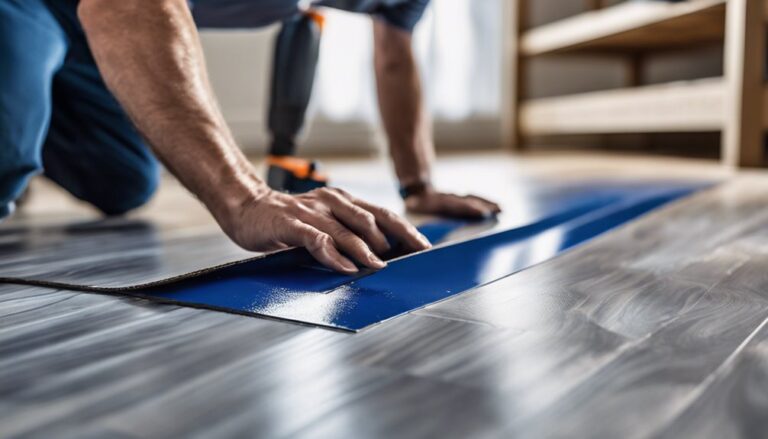
As you immerse yourself in the painting process, it's crucial to follow a systematic approach to guarantee a flawless finish. Start by choosing the right brush techniques; a high-quality brush can offer precision, while a roller can cover larger areas quickly. Begin painting in a corner, working your way out to avoid stepping on wet paint. Use long, even strokes for a smooth application, and remember to blend your strokes to avoid visible lines. For finish options, consider a matte or semi-gloss paint, depending on your desired aesthetic and durability. Allow sufficient drying time between coats, and don't rush the process—your patience will lead to a beautiful, long-lasting result that transforms your hardwood floors!
Choosing the Right Color
How do you decide on the perfect color for your hardwood floors? Start by considering color psychology—different hues evoke various emotions and can transform your space. Think about what vibe you want to create. Here are some trending shades to inspire you:
- Soft Gray – Offers a calm, modern feel.
- Warm Beige – Invites coziness and comfort.
- Bold Navy – Adds sophistication and depth.
- Bright White – Creates an airy, open atmosphere.
When choosing, visualize how each color complements your furniture and decor. Don't shy away from experimenting with samples; it's your space, after all! Embrace the freedom to express your personality through color, making your hardwood floors a true reflection of you.
Maintenance of Painted Floors
Choosing the right color for your hardwood floors is just the beginning; maintaining those painted surfaces is key to preserving their beauty. To guarantee long-term durability, you'll want to adopt some essential maintenance tips. Start by sweeping or vacuuming regularly to prevent dirt from scratching the paint. Use a damp mop with a gentle cleaner designed for painted surfaces, avoiding harsh chemicals that can damage the finish. Consider placing rugs in high-traffic areas to minimize wear and tear. If you notice scuffs or scratches, address them promptly with touch-up paint. Finally, keep humidity levels controlled, as excessive moisture can lead to peeling or bubbling. With these practices, you'll keep your painted floors looking vibrant for years to come!
Common Mistakes to Avoid
While painting hardwood floors can transform a space, there are several common mistakes you should steer clear of to guarantee a successful outcome. Avoiding these common pitfalls will save you time and frustration:
- Skipping Preparation: Neglecting to clean and sand the surface can lead to poor adhesion.
- Using the Wrong Paint: Not choosing a paint specifically designed for floors can result in peeling and wear.
- Ignoring Drying Times: Rushing the process can ruin your hard work; always follow the drying instructions.
- Forgetting About Ventilation: Lack of airflow can lead to uneven drying and odors, affecting your indoor air quality.
Alternative Options to Painting
If you're hesitant about painting your hardwood floors, there are plenty of alternative options that can still refresh your space without the commitment of a full paint job. One great choice is to explore staining options. Stains can enhance the natural beauty of the wood while changing its color to fit your style. If your floors have seen better days, consider refinishing techniques. Sanding down the top layer and applying a new finish can revive their original luster or even introduce a new hue. You might also think about adding area rugs or using decorative mats to bring in color and personality without altering the wood. These alternatives offer flexibility and can transform your space beautifully.
When to Seek Professional Help
Knowing when to seek professional help can make all the difference in preserving the beauty of your hardwood floors. If you're facing any of these situations, it's time to evaluate a professional assessment:
- Severe Damage: Deep scratches or water damage can compromise your floor's integrity.
- Staining Issues: If the paint isn't adhering well or you're unhappy with the color, it's best to consult an expert.
- Complex Patterns: Intricate designs require skill that might be beyond DIY capabilities.
- Cost Considerations: Sometimes, investing in professional help can save you money in the long run by avoiding costly mistakes.
Embracing freedom means knowing when to let the pros take over—your floors deserve the best!
Frequently Asked Questions
How Long Does Painted Hardwood Flooring Last?
Painted hardwood flooring can last anywhere from 3 to 10 years, depending on paint durability and how well you maintain it. To extend its life, consider using high-quality paint and applying a protective topcoat. Regular cleaning and avoiding harsh chemicals are essential maintenance tips. If you want to embrace a fresh look over time, you can always repaint, allowing your space to evolve while enjoying the freedom of a customized aesthetic.
Can I Paint Over Existing Floor Stains?
Painting over existing floor stains is like trying to cover a storm with a light drizzle; it rarely works out as you hope. For successful paint adhesion, proper floor stain preparation is key. You'll need to clean, sand, and prime the stained areas to guarantee the paint sticks. Ignoring these steps can lead to peeling and fading, so don't skip the prep if you want your project to shine like a new penny!
Is Painting Hardwood Floors a DIY Project?
Painting hardwood floors can definitely be a DIY project if you're up for the challenge! Just remember, paint preparation is key to achieving a durable finish. Start by cleaning and sanding the floors properly to guarantee good adhesion. Use high-quality paint designed for floors to enhance durability. With patience and attention to detail, you can transform your space while enjoying the freedom of personalizing your home. Plus, it can be a fun creative outlet!
Will Painting Floors Affect Their Resale Value?
Painting your floors can impact their resale value, depending on current resale trends and buyer preferences. If you choose a popular color that appeals to a wide audience, it might enhance your home's appeal. However, unconventional choices could deter potential buyers who prefer traditional hardwood finishes. It's crucial to contemplate your local market and what buyers in your area are looking for before making such a significant change.
Can I Use Regular Wall Paint on Hardwood Floors?
Using regular wall paint on hardwood floors is like trying to fit a square peg in a round hole—it just doesn't work. Wall paint often lacks the durability needed for high-traffic areas, leading to quick wear and tear. Instead, you should consider specific floor paint types designed to withstand foot traffic and resist scuffs. Investing in the right paint will guarantee your floors look great while lasting longer, giving you the freedom to express your style.