
Imagine sitting comfortably in your living room when suddenly, you hear faint scurrying noises coming from somewhere unexpected. It’s easy to dismiss them at first, thinking it’s just the house settling or perhaps the wind outside.
But what if those noises are coming from your floor vents? The thought of mice sneaking through such hidden pathways can send shivers down anyone’s spine. You might wonder, “Can mice really come through floor vents? ” This unsettling possibility raises concerns about the safety and cleanliness of your home.
You deserve a space free from unwanted pests, and understanding how these tiny invaders operate is crucial. Stick around to uncover the surprising truth about mice and floor vents, and learn how you can protect your home effectively.

Mice And Home Invasion
Mice are small and very clever. They can squeeze through tiny spaces. Floor vents might be an easy entry. Mice have a good sense of smell. They follow food scents into homes. Their whiskers help them feel around in the dark. Mice are active at night. They like to hide during the day. Most mice make nests in warm, safe spots. Vents can be the perfect place. Mice chew through soft materials. This helps them explore new areas. They find ways to enter houses quickly.
Mice can enter through cracks in walls. Holes around pipes are also entry points. Gaps under doors are another way in. Broken windows let mice slip inside. Mice use vents as paths to explore. They find weak spots to get inside. These pests are experts at finding open spaces. Homeowners should check for gaps often. Seal any openings found right away. Mice avoid areas with strong smells. Use peppermint oil to keep them away. Fixing holes can keep mice outside.
Role Of Floor Vents
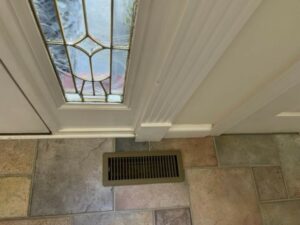
Floor vents are flat and lie on the ground. They have grilles that let air pass through. These grilles have gaps between them. The gaps are small, but sometimes they can be wide enough for a mouse. Vents are made of metal or plastic. This makes them strong. But over time, they can break. A broken vent may have larger gaps.
Mice are small and sneaky. They can squeeze through tiny spaces. If a vent has a gap, a mouse may enter. They are good at finding openings. Once inside, they can nest and cause problems. Keeping vents well-maintained is important. If a vent is broken, fix it. This stops mice from entering.
Signs Of Mice In Vents
Mice are small but can leave big clues. Tiny footprints in dust are a sign. Gnaw marks on vent edges are another clue. Listen for scratching sounds inside vents. Mice make noises at night. Squeaking is a clear sign of mice. These clues help find mice faster.
Droppings are a clear sign of mice. They look like small black grains. Droppings are usually near food or nests. Finding a nest means mice are living there. Mice make nests from paper and cloth. Check around vents for shredded materials. These are used to build nests. Finding these signs helps to act quickly.
Preventive Measures
Mice are small and can squeeze through tiny spaces. Sealing these entry points is important. Use caulk or sealant to close gaps around vents. Check walls and floors for any holes. Fill these holes with steel wool or mesh. Mice cannot chew through these materials. Regularly inspect your home for cracks. Fix them quickly to keep mice out.
Vent covers are helpful in stopping mice. They block entry through floor vents. Choose covers that fit well. Make sure they are made of metal or sturdy plastic. Mice can chew through weak materials. Clean vents often to remove food crumbs. This reduces attraction for mice. Secure covers tightly. Loose covers can be pushed by mice. Check covers regularly for damage or wear. Replace them if needed to ensure protection.
Effective Removal Strategies
Mice can enter homes through floor vents, seeking warmth and food. Blocking entry points is vital. Utilize traps and seal gaps to prevent these pests. Regular maintenance ensures your home remains rodent-free.
Professional Pest Control
Hiring a professional pest control service is a smart choice. Experts know the best ways to remove mice. They have special tools and techniques. They can find hidden places mice use. Professionals ensure mice do not come back. This saves time and effort. They also use safe methods. This keeps your home healthy. Professionals follow strict rules for safety. Hiring them gives peace of mind.
Diy Methods
DIY methods can also help remove mice. Set traps near floor vents. Use peanut butter as bait. Check traps daily. Seal any holes or gaps. Mice use these to enter homes. Use steel wool to block holes. Keep food in sealed containers. This stops mice from finding food. Clean crumbs and spills quickly. Mice love dirty places. Regular cleaning keeps them away.

Maintaining A Rodent-free Home
Check floor vents often. Look for tiny holes or gaps. Mice can squeeze through very small spaces. Seal any openings with steel wool or caulk. Use a flashlight to see better. Ensure vent covers are snug. Replace broken covers quickly. Clean vents to remove food particles. Mice love crumbs.
Keep food stored in sealed containers. This prevents attracting rodents. Trim bushes and trees near the house. They provide easy access for mice. Fix leaks that might offer water to rodents. Mice need water, just like us. Use traps near potential entry points. Check them regularly. Educate family members on keeping doors shut. Even a small opening can invite mice inside.

Frequently Asked Questions
Can Mice Enter Homes Through Floor Vents?
Yes, mice can enter through floor vents. Vents often have openings that allow small rodents to squeeze through. Ensuring vents are sealed and installing mesh can help prevent entry.
How Do Mice Navigate Through Vents?
Mice are adept climbers and can squeeze through tiny openings. They use their flexible bodies to navigate vents, seeking warmth and food sources within homes.
What Attracts Mice To Floor Vents?
Mice are attracted to warmth and food residues within vents. Vents can offer a sheltered environment, making them an appealing entry point for mice seeking safety and sustenance.
How Can I Prevent Mice In Floor Vents?
Seal openings with mesh and inspect vents regularly. Regular cleaning and blocking access points can deter mice from entering through floor vents.
Conclusion
Mice can enter homes through various openings, including floor vents. Regular inspections help spot potential entry points. Seal gaps and cracks around vents to prevent access. Use wire mesh or vent covers for added protection. Keeping areas clean reduces attraction for mice.
Traps and repellents offer additional control if needed. Consistent monitoring is key in keeping mice out. Stay proactive to maintain a rodent-free home environment. Simple measures often make a big difference in controlling pests. Protect your home by staying vigilant and maintaining good housekeeping practices.