
You love the look and feel of your hardwood floors. They’re elegant, timeless, and add a touch of warmth to your home.
But when it comes to cleaning them, you might feel a bit overwhelmed. You’ve likely heard about the convenience and power of steam mops, and you’re wondering if they’re safe for your cherished wooden floors. The idea of effortlessly gliding a steam mop across your floors to erase dirt and grime is tempting, isn’t it?
But before you dive in, you need to know if it’s the best choice for your flooring. We’ll uncover the truth behind using steam mops on hardwood floors, helping you make the best decision for your home. Stay with us, and let’s ensure your floors remain as stunning as the day they were installed.
Benefits Of Steam Mopping
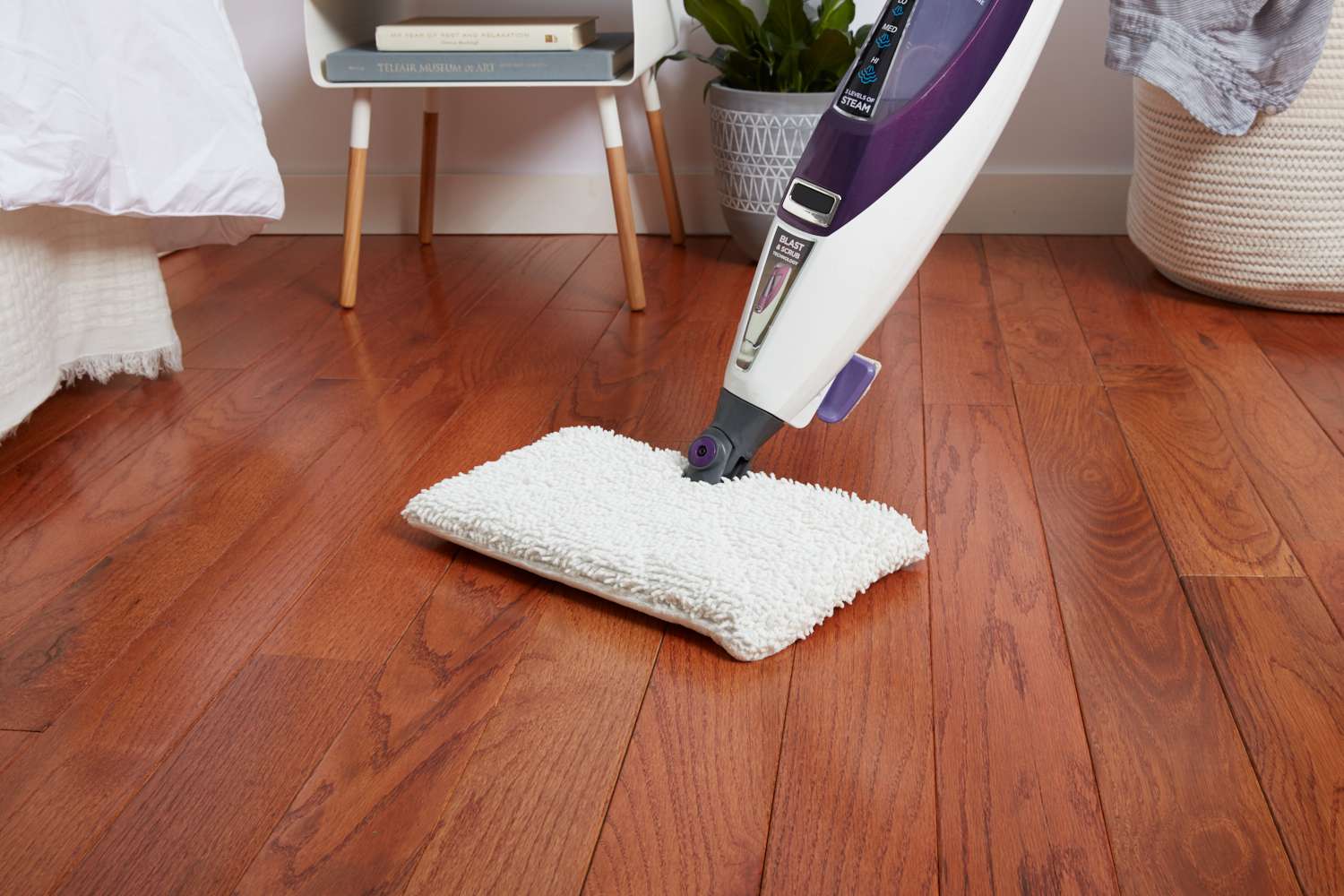
Steam mops use hot steam to clean. This steam is very strong. It can remove dirt and grime quickly. Floors dry faster. No need for towels or fans.
Steam mops are kind to the Earth. They use only water. No need for chemicals. This keeps the air clean. Good for people and pets.
Steam mops are easy to handle. They are light and move smoothly. No need to scrub hard. Just glide the mop. Saves time and energy.

Potential Risks For Hardwood Floors
Using a steam mop can cause moisture damage to hardwood floors. Steam creates water. Water seeps into wood gaps. This can make wood swell. Swollen wood can look bad.
Steam mops might harm the wood finish. The finish protects wood. Too much steam can break this layer. With a broken layer, wood can get scratched. Scratches make floors look old.
Wood warps when it absorbs water. Warped wood does not stay flat. It bends and lifts. Walking on warped floors is unsafe. Floors can get damaged more.
Types Of Hardwood Floors
Solid hardwood floors are made from a single piece of wood. They can be sanded and refinished many times. This makes them last long. The wood can expand and contract. Changes in humidity can cause this. Be careful with water. Too much water can harm the wood.
Engineered hardwood floors have layers. The top layer is real wood. Underneath, there are more layers. These layers make it stable. It handles moisture better than solid wood. But still, avoid too much water. This can damage the floor.
Laminate wood is not real wood. It looks like wood. It is made from pressed wood. A photo layer gives it the wood look. It is strong and resists scratches. But water can make it swell. Clean with care. Do not soak it with water.
Expert Recommendations
Manufacturer guidelines are very important. They tell you how to use a steam mop. Not all hardwood floors are the same. Some floors can handle steam, others cannot. Always check the floor’s finish. A weak finish can be damaged by steam.
Professional cleaning advice is helpful. Experts say to be careful. Too much steam can harm hardwood floors. Use low steam settings. Dry the floor quickly. This keeps the wood safe.
Specific product suggestions make cleaning easier. Some steam mops are safer for wood. Look for models with adjustable steam. Read reviews about these products. Choose one that many people trust. Your floors will thank you.
Alternatives To Steam Mopping
Steam mops may harm hardwood floors. Consider using a microfiber mop with a gentle cleaner instead. This method protects your floor’s finish and maintains its natural shine.
Traditional Mopping
Traditional mopping uses a mop and a bucket of water. It’s simple and effective. Always use a damp mop, not a wet one. Too much water can harm hardwood floors. A mild cleaner in the water helps remove dirt. Make sure to dry the floor quickly. This prevents water damage and keeps floors shiny.
Dry Mopping
Dry mopping is another safe option. It uses a dry mop or microfiber cloth. These tools pick up dust and dirt easily. They are gentle on hardwood floors. Always choose a soft cloth for the best results. Dry mopping is quick and keeps floors clean without water.
Vacuuming Techniques
Vacuuming keeps hardwood floors clean. Use a vacuum with a special setting for hard floors. This avoids scratches and damage. A soft brush attachment works well. It picks up dust and crumbs. Vacuuming is fast and removes dirt from floor gaps. Make it a weekly habit for clean floors.

Maintenance Tips For Hardwood Floors
Clean hardwood floors weekly. Use a soft broom or vacuum with a hardwood setting. This keeps dirt away. Dirt can scratch the wood. A damp mop helps too. But, make sure it’s not too wet. Water can hurt the floors.
Place mats at doors. They catch dirt and water. Use felt pads under furniture. This stops scratches. Avoid high heels on the floor. They can damage the wood. Keep pet nails trimmed. Scratches from pets can ruin the shine.
Small scratches can be fixed with a crayon. Match the crayon color to the floor. Rub it into the scratch. Buff it with a cloth. For deep scratches, call a professional. Refinishing makes floors look new. This should be done every few years.
Common Myths Debunked
Many believe steam mops ruin hardwood floors, but that’s not always true. Using a steam mop with proper care can safely clean sealed hardwood surfaces. Always check your floor’s finish before using steam to avoid potential damage.
Steam Mops And Floor Damage
Many believe steam mops harm hardwood floors. This is not always true. Proper use can keep floors safe. Excessive water is the real enemy. Steam mops use less water. They are gentler on the floor. Choose the right mop for your floor type. Always follow the manufacturer’s instructions. Use the lowest steam setting. This prevents damage. Regular checks of the mop’s pad are important. Replace when dirty to avoid scratches. Keep the mop moving. Never leave it in one place. This avoids hot spots. With care, steam mops can clean safely.
Cleaning Efficiency Misconceptions
Some think steam mops don’t clean well. This is false. Steam kills germs. It removes dirt and bacteria. No chemicals are needed. This is better for the environment. Steam reaches tiny spaces. It cleans where brooms can’t. It’s quick and easy. Daily use keeps floors shiny. Avoid overuse to protect wood. Steam mops save time. They leave floors fresh and clean. Many people enjoy this cleaning method.

Frequently Asked Questions
Can Steam Mops Damage Hardwood Floors?
Steam mops can potentially damage hardwood floors if not used correctly. Excessive moisture and heat can warp or dull the finish. Always ensure your floors are sealed properly. Use the lowest steam setting and move quickly to avoid damage.
Are There Safe Steam Mops For Hardwood?
Yes, some steam mops are specifically designed for hardwood floors. Look for models with adjustable steam settings. Ensure the mop is suitable for sealed hardwood. Always follow manufacturer guidelines to prevent damage.
How Often Should I Steam Mop Hardwood?
It’s best to steam mop hardwood floors sparingly. Excessive moisture can harm the wood. Regular sweeping and occasional damp mopping is recommended. Use steam mops only when necessary and ensure they are suitable for hardwood.
What Precautions Should I Take With Steam Mops?
Before using a steam mop, ensure your hardwood floors are sealed. Test a small area first. Use the lowest steam setting and keep the mop moving. Avoid letting the steam sit in one spot for too long.
Conclusion
Choosing the right cleaning method for hardwood floors matters. Steam mops can cause damage if not used correctly. Moisture is the enemy of wood. Always check your floor’s finish before cleaning. Many experts suggest dry methods like sweeping or vacuuming.
If you decide to use a steam mop, test it on a hidden spot first. Keep it light on water and heat. Your floors deserve gentle care. Protect their beauty and lifespan. Always follow manufacturer guidelines for best results. Remember, caring for hardwood takes thought and caution.