
Yes, you can definitely paint floor tiles for a cost-effective and creative upgrade! Whether you have ceramic, porcelain, or vinyl tiles, painting can transform your space quickly. Start by thoroughly cleaning and repairing any damages on the tiles. You'll need a quality tile-specific primer and paint for the best adhesion and durability. Take your time applying even coats, and don't forget to seal the finish for extra protection. This DIY project is accessible, but there are tips and techniques that can enhance your results, so stick around to discover how to make your painted tiles truly stand out!
Understanding Floor Tile Types
When it comes to painting floor tiles, understanding the different types of tiles you're working with is essential. Ceramic tiles, known for their wide variety of colors and patterns, typically have a porous surface. This characteristic means they can absorb paint differently than other materials. On the other hand, porcelain tiles boast impressive durability, making them a popular choice for high-traffic areas. Their dense nature can pose challenges when painting, so you'll need to prep properly to guarantee the paint adheres. By grasping these tile characteristics, you'll make informed choices about your painting project. Remember, your freedom to express creativity in your space starts with knowing what you're working with! Choose wisely to achieve the look you envision.
Benefits of Painting Tiles
Painting your floor tiles offers a cost-effective way to upgrade your space without breaking the bank. You'll love how quickly the transformation happens, giving your floors a fresh look in no time. Plus, with customizable design options, you can create a unique style that perfectly reflects your personality.
Cost-Effective Home Upgrade
A fresh coat of paint on your floor tiles can be a game changer for your home, offering a budget-friendly solution to outdated or worn surfaces. Instead of spending a fortune on new tiles, you can opt for budget-friendly options that breathe new life into your space. Painting your tiles is not only cost-effective, but it's also a perfect DIY project that allows you to express your creativity. You can choose colors and patterns that reflect your style without the hassle of a complete renovation. Plus, this approach saves you time and labor costs. By embracing this simple upgrade, you'll enjoy a fresh look and feel in your home while keeping your expenses in check.
Quick Transformation Process
While you might think that transforming your floor tiles requires a major renovation, painting them offers a surprisingly quick and effective solution. You can refresh the look of your space in just a weekend! With a little prep work, you can easily apply a new coat to your tiles, breathing life into tired surfaces. Plus, you'll enjoy the freedom of choosing from an array of color selections to match your style. Don't forget to contemplate tile patterns; a simple stencil can create stunning designs that elevate your flooring. This quick transformation process not only saves time and money but also allows you to express your creativity, making your home truly yours without the hassle of extensive renovations.
Customizable Design Options
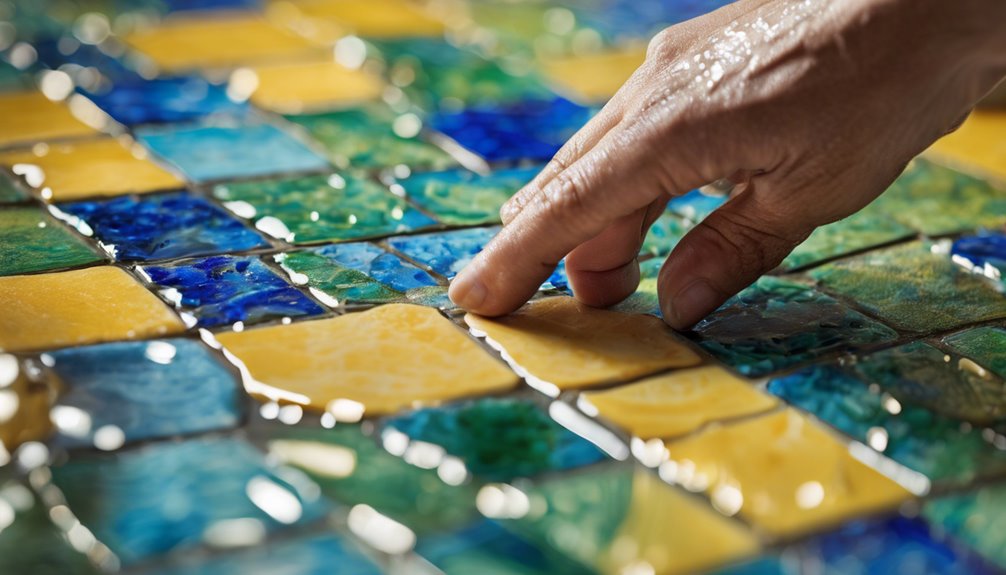
Because you have the freedom to choose colors and patterns, painting your floor tiles opens up a world of customizable design options. You can easily experiment with vibrant color combinations to create a unique aesthetic that reflects your personality. Whether you prefer a bold, eye-catching look or a subtle, understated vibe, the choice is yours!
Moreover, using stencil patterns adds an artistic touch to your design. You can transform plain tiles into stunning masterpieces with intricate designs that suit any theme or mood. This versatility allows you to refresh your space without the commitment of permanent changes. So, release your creativity and let your floor tiles showcase your style—it's all about making your home truly yours!
Preparing Your Tiles for Painting
Before you start painting your floor tiles, it's essential to prepare the surface properly. You'll need to clean them thoroughly, fix any damaged areas, and apply a primer coat to guarantee the paint adheres well. Taking these steps will help you achieve a smooth, long-lasting finish.
Clean the Surface Thoroughly
To guarantee the best results when painting your floor tiles, it's vital to start with a clean surface. Begin your surface preparation by sweeping or vacuuming up dust and debris. Next, use a suitable cleaning solution—like a mixture of vinegar and water or a commercial tile cleaner—to tackle grime and stains. Scrub the tiles with a stiff brush or sponge, applying enough pressure to confirm they're thoroughly cleaned. Rinse well with water to remove any residue, and let the tiles dry completely. This step is significant, as any dirt or oils left behind can prevent paint from adhering properly. By using effective cleaning techniques, you'll set the stage for a successful painting project that transforms your space beautifully.
Repair Damaged Areas
Once your tiles are clean and dry, it's time to focus on any damage that could affect the painting process. Start with a thorough damage assessment to identify cracks, chips, or uneven surfaces. For minor issues, you can use a tile repair compound to fill in gaps and smooth out imperfections. Be certain to follow the product instructions for the best results. If you've got larger cracks or significant damage, consider replacing those tiles entirely. This step is essential; any flaws will show through your paint, ruining the final look. Taking the time to properly repair your tiles now guarantees a smoother, more successful painting project, giving you the freedom to enjoy your refreshed floor without concerns!
Apply Primer Coat
Applying a primer coat is an essential step in preparing your floor tiles for painting. It guarantees better adhesion and durability of your chosen paint. First, choose the right primer type; epoxy or latex primers work well for tiles. Next, gather your supplies: a quality paintbrush or roller and your primer.
Before you start, make certain your tiles are clean and dry. Apply the primer using even strokes, guaranteeing complete coverage. Don't rush; let it dry according to the manufacturer's instructions. If necessary, a second coat may enhance adhesion.
Essential Materials Needed
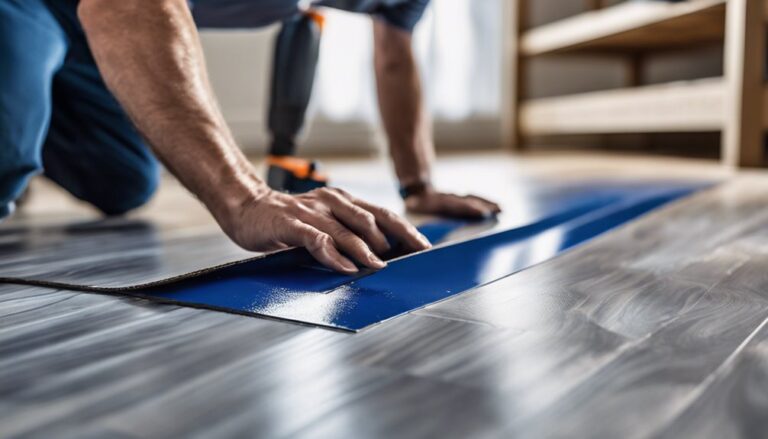
Before you plunge into painting floor tiles, it's crucial to gather the right materials to guarantee a successful outcome. Start with quality paint types specifically designed for tiles—epoxy or polyurethane paints work wonders. Next, you'll need a good primer to assure proper adhesion and longevity. Don't forget the essentials for tile prep, like a degreaser to clean the surfaces and sandpaper for roughening the tiles, promoting better paint adherence. Grab brushes, rollers, and painter's tape for clean edges. Finally, have a sealant on hand to protect your newly painted tiles from wear and tear. With these materials, you'll set yourself up for a vibrant transformation that lasts, giving you the freedom to express your style.
Step-by-Step Painting Process
To successfully paint your floor tiles, start by preparing the surface properly—this is key for achieving long-lasting results. Begin by cleaning the tiles thoroughly to remove any dirt or grease. Next, apply a primer to enhance adhesion. Once dry, choose your paint and a suitable painting technique, like rolling or brushing, to cover the tiles evenly.
Here's a quick reference table for your tile preparation:
| Step | Description |
|---|---|
| Clean the Tiles | Remove all dirt and debris. |
| Apply Primer | Use a bonding primer for best results. |
| Choose Paint | Select a paint designed for tiles. |
Following these steps carefully will set you up for a successful tile transformation!
Techniques for a Professional Finish
While achieving a professional finish when painting floor tiles may seem challenging, employing the right techniques can make all the difference. You can explore various technique variations and finish options to elevate your project. Here are some tips to help you accomplish that polished look:
- Surface Preparation: Clean and sand the tiles for better paint adhesion.
- Quality Primer: Use a primer designed for tile to guarantee longevity.
- Brush vs. Roller: Choose the right tool; a roller offers smooth coverage while a brush can reach corners.
- Thin Coats: Apply multiple thin coats instead of one thick layer for a more even finish.
- Sealing: Finish with a clear sealant to protect your painted tiles and enhance durability.
With these techniques, you'll transform your tiles beautifully!
Common Mistakes to Avoid
What pitfalls should you steer clear of when painting floor tiles? First, don't rush the paint application. Skipping proper prep work, like cleaning and priming, can lead to peeling and chipping. Another common misconception is that you can use any paint. Always opt for paint designed specifically for tiles—this guarantees durability. Additionally, applying too thick a coat may cause the paint to crack, so stick to thin, even layers. Finally, avoid neglecting the drying time; patience is key. Each layer needs adequate time to cure for a strong finish. By steering clear of these mistakes, you can create a beautiful, long-lasting look for your tiles and enjoy the freedom of a customized space.
Maintenance Tips for Painted Tiles
Maintaining painted tiles is essential for ensuring their longevity and keeping them looking fresh. By following a simple maintenance schedule, you can enjoy your beautiful floors for years to come. Here are some practical tips to help you:
- Use non-abrasive cleaning products to avoid damaging the paint.
- Clean spills immediately to prevent staining.
- Sweep or vacuum regularly to remove dirt and debris.
- Mop weekly with a mild soap solution to keep tiles shiny.
- Reapply a protective sealant every few years to maintain the finish.
Alternatives to Painting Tiles
If you're considering a change but aren't sure about painting your tiles, there are several alternatives worth exploring. One great option is using tile stickers. They come in various designs and can instantly transform your space without the commitment of paint. Simply peel and stick them onto your tiles for a fresh look. Another alternative is adhesive vinyl. This versatile material can mimic the appearance of tile or even wood, giving you the freedom to customize your floors. Plus, it's easy to install and remove, making it perfect for renters or those who love to change things up. With these options, you can achieve a new aesthetic without the mess and hassle of painting.
Frequently Asked Questions
How Long Does Painted Tile Last Before Needing Touch-Ups?
When it comes to painted tiles, how long they last before needing touch-ups depends on a few factors. Good surface preparation techniques are essential; if you clean and prime properly, it'll enhance durability. Also, the type of paint you use and the amount of foot traffic will influence longevity. Typically, you might expect to need touch-ups every 3 to 5 years, but with proper care, it could last even longer!
Can I Paint Over Existing Paint on Tiles?
Sure, painting over existing paint on tiles sounds easy, doesn't it? But if you want good paint adhesion, you've gotta prepare the tile properly first. Scrubbing the surface and ensuring it's clean is essential to avoid peeling later. Remember, just slapping on another coat without prep won't give you the freedom of a flawless finish. Take your time with the tile preparation, and you'll enjoy a more durable, beautiful result!
Is It Safe to Paint Tiles in a Bathroom?
If you're considering painting tiles in your bathroom, it's vital to prioritize safety precautions. The bathroom's humidity can affect the paint's adhesion and longevity, so be certain to use moisture-resistant paint specifically designed for tiles. Proper ventilation is important to minimize fumes and moisture buildup. Before you start, clean and prep the tile surface thoroughly to guarantee a successful application. With the right approach, you can achieve a fresh look while maintaining safety.
What Colors Work Best for Floor Tiles?
When you're choosing colors for floor tiles, popular shades like gray, beige, and soft pastels can create a timeless look. If you're feeling bold, consider vibrant color combinations like teal and coral or deep blue paired with gold accents. These choices not only add personality but also harmonize well with various decor styles. Remember, the right colors can transform your space, making it feel more inviting and uniquely yours!
Can I Use Regular Paint Instead of Tile-Specific Paint?
You might be tempted to use regular paint for your tiles, but it's not the best option. Regular paint doesn't offer the same durability as tile-specific paint, which is designed to withstand foot traffic and moisture. Using regular paint could lead to chipping and peeling, so if you want your design to last, it's worth investing in the right product. Plus, you'll enjoy a beautifully finished look that holds up over time.