
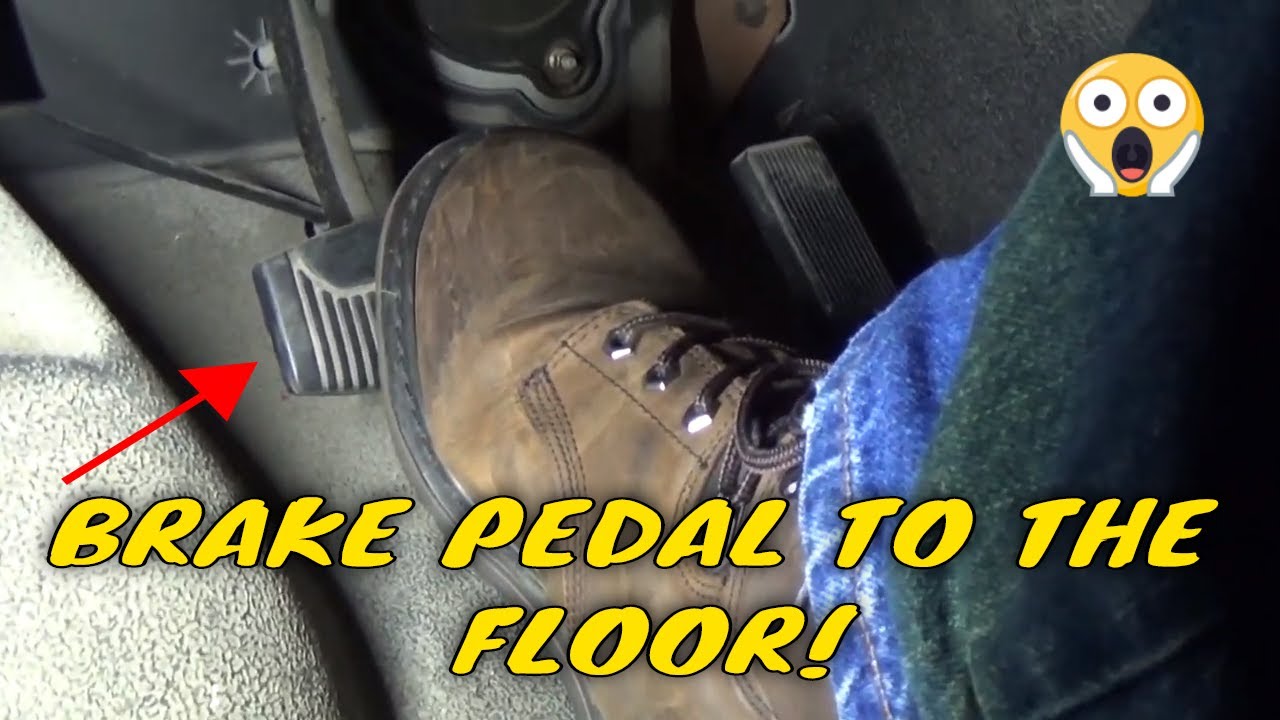

Imagine driving down a familiar road when suddenly, your brake pedal sinks to the floor. Panic sets in as you try to make sense of what’s happening.
Could your car’s ABS (Anti-lock Braking System) be the culprit? If you’re wondering whether ABS can cause your brake pedal to go to the floor, you’re not alone. This is a concern that many drivers face, and understanding it can be crucial for your safety and peace of mind.
We’ll dive into the relationship between ABS and brake pedal behavior, unraveling mysteries that can help you keep your car—and yourself—safe. So, buckle up and let’s explore how your car’s braking system works and what you need to know to stay in control.
Understanding Abs Systems
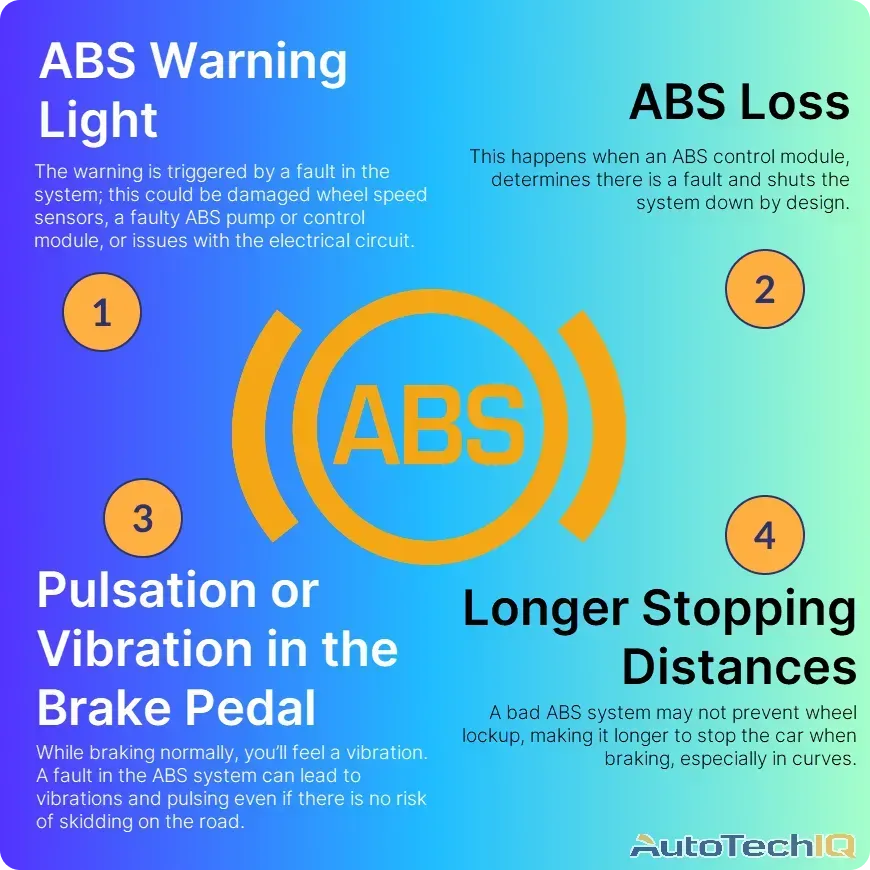
Understanding ABS systems is crucial for safe driving. A malfunctioning ABS can sometimes cause the brake pedal to go to the floor. This issue might indicate air in the brake lines or a faulty ABS module, requiring immediate attention.
Components Of Abs
ABS stands for Anti-lock Braking System. It keeps wheels from locking. This system has many parts. The speed sensor is one key part. It checks wheel speed. Another important part is the valve. It controls brake fluid. The pump sends fluid back to brakes. The controller manages these parts. It is like the brain of ABS. It checks if wheels are locking. Then, it tells the pump what to do. All parts work together. They keep the car safe.
Functionality Of Abs
ABS helps drivers stop safely. It stops wheels from skidding. This system is smart. It checks the wheel speed. If a wheel stops too fast, ABS takes action. It lets the wheel turn again. This helps the car stay in control. ABS makes stopping smoother. It also helps on wet roads. It helps on icy roads too. Drivers feel safer with ABS. Many cars have ABS now. It makes driving safer for everyone.

Common Brake Pedal Issues
A brake pedal that feels soft can be a warning. It might sink to the floor. This could mean air is trapped in the brake lines. Another symptom is a slow response when you press the pedal. The car might not stop quickly. This is dangerous. Strange noises may also occur. Squeaking or grinding sounds are common. These need checking right away.
Leaking brake fluid is a major cause of pedal issues. It can make the pedal feel soft. Worn brake pads are another cause. They need replacing if thin. A faulty master cylinder can also be a problem. It may not hold pressure. Air in the brake lines causes trouble too. It blocks fluid from flowing well. Each of these issues needs fixing soon.
Role Of Abs In Brake Pedal Behavior
ABS, or Anti-lock Braking System, helps control the car when braking. It prevents the wheels from locking up. This keeps the car from skidding. Pedal feel can change with ABS. The pedal may vibrate or pulse. This is normal and shows ABS is working. Drivers might find this strange. But, it’s safe and helps control the car.
Sometimes, ABS can have problems. ABS malfunctions affect the brake pedal. The pedal might feel soft. It might even go to the floor. This can be scary. Soft pedals mean brakes need checking. Mechanics can fix this issue. Regular checks help avoid these problems.
Diagnosing Brake Pedal Issues
Inspect the brake fluid level first. Low fluid can cause pedal problems. Check for leaks around the brake system. Wet spots or puddles might indicate leaks. Look closely at the brake lines. Cracks or damages can lead to fluid loss. Examine the brake pads and rotors. Worn parts can affect pedal feel. Listen for unusual sounds when pressing the pedal. Grinding or squeaking can be signs of wear. Ensure the ABS system is functioning. Faulty ABS might cause pedal issues.
Use a flashlight for better visibility. A wrench helps tighten loose connections. A brake fluid tester checks fluid quality. A pressure gauge measures brake line pressure. A mirror helps inspect hard-to-see areas. A jack lifts the vehicle safely for inspection. Diagnostic software checks ABS system health.
Solutions And Repairs
Fixing brake pedal issues can be tricky. Professional mechanics know what to do. They have the right tools. They find problems fast. They fix them safely. DIY repairs can save money. But, it can be risky. Without proper knowledge, mistakes happen. Mistakes can cause more damage. Always think about safety first. Brakes are important for safety. If unsure, call a professional.
Regular brake checks keep you safe. Check fluid levels often. Look for leaks. Inspect brake pads. Replace worn parts quickly. Keep the system clean. Clean parts work better. Pay attention to warning lights. Listen for strange noises. These can mean problems. Safety is key. Check brakes every few months. Good habits prevent problems. Always stay alert. Simple checks help avoid big issues.
When To Seek Professional Help
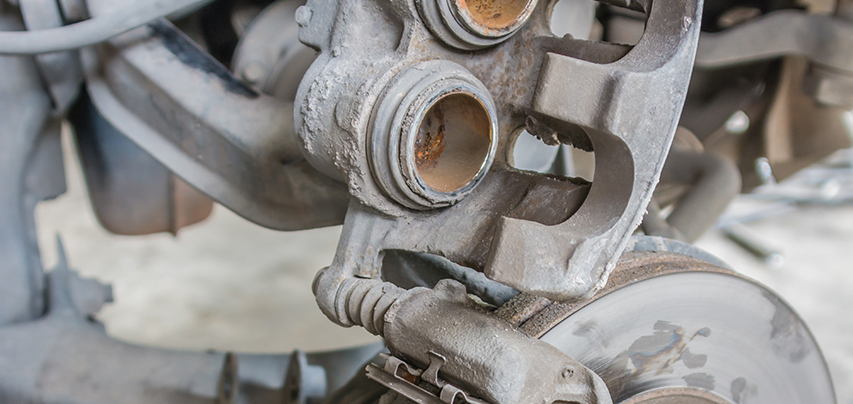
The brake pedal feels soft or goes to the floor. This is a big problem. Strange noises when braking can also mean trouble. If the car pulls to one side, it is not safe. Vibrations or shaky brakes are a red flag. Any warning lights on the dashboard should not be ignored. These signs mean you need help soon. Safety is important. Do not wait too long.
Find a mechanic with good reviews. Ask friends for recommendations. Check their certifications. A good mechanic is honest. They explain the problem in simple words. Look for fair prices and clear estimates. A trustworthy mechanic will not pressure you. They will answer all your questions. Always choose someone who makes you feel comfortable. Your car’s safety depends on it.
Frequently Asked Questions
Can A Faulty Abs Cause Brake Pedal Issues?
Yes, a faulty ABS can lead to brake pedal problems. When the ABS malfunctions, it might cause the pedal to feel soft or go to the floor. This happens because the system cannot maintain the required hydraulic pressure effectively, which compromises braking efficiency.
What Happens If Abs Fails While Braking?
If the ABS fails, your vehicle might skid during hard braking. The ABS helps maintain traction by preventing wheel lock-up. Without it, you could lose control of the car. In normal conditions, braking would feel different, and stopping distances might increase.
How Does Abs Affect Brake Pedal Feel?
ABS can alter the brake pedal feel by modulating pressure. When activated, ABS pumps the brakes rapidly to prevent wheel lock-up. This can cause vibrations or changes in pedal resistance, which are normal indications that the system is functioning correctly.
Why Is My Brake Pedal Going To The Floor?
A brake pedal going to the floor indicates a problem. Possible causes include air in the brake lines, a faulty master cylinder, or ABS issues. Each of these can reduce hydraulic pressure, making the pedal feel soft and ineffective.
Conclusion
Understanding brakes is crucial for vehicle safety. Abs systems can influence pedal feel. A soft brake pedal might signal a problem. It’s essential to check brakes regularly. Pay attention to warning signs. Address any issues promptly to stay safe. Consult a professional mechanic if uncertain.
Proper maintenance prevents major problems. Keep your vehicle in top condition. Safe driving depends on reliable brakes. Knowing your car’s systems helps maintain control. Stay informed about your vehicle’s features. Your safety relies on good brake performance. Always prioritize brake checks and repairs.