

Imagine walking into your favorite store, ready to buy a product you love, only to find that its price has suddenly increased. This isn’t due to a shortage or increased demand, but because the government has set a price floor.
You’re probably wondering, “Why would they do that? ” And “How does it affect me? ” Understanding the concept of a government-imposed price floor can empower you as a consumer and help you make informed decisions. It’s not just about numbers; it’s about the impact on your wallet and the economy around you.
Stick with us as we unravel the mysteries behind price floors, and discover how they might be influencing the products you buy every day. This knowledge could change the way you perceive pricing and market dynamics forever.
Price Floor Concept
A price floor is the lowest price a product can be sold for. This price is set by the government. It helps protect producers from prices that are too low. Farmers often benefit from this. They get a fair price for their goods. A price floor is like a safety net. It stops prices from falling too much. This is important in markets with many sellers. Without it, prices could drop very low. This protects the market and ensures stability.
The main goal of a price floor is to support producers. It ensures they earn enough money. This keeps businesses running. A price floor also helps avoid unemployment. Workers can keep their jobs. Farmers and factory workers need this help. It ensures fair pay for hard work. Protecting the economy is another aim. A stable economy benefits everyone. The price floor keeps prices steady. This is good for long-term planning.
Government Role
The government plays a key role in setting a price floor. This ensures that prices do not drop too low. The process begins with research. Experts study the market. They find the right price to help producers. The government then announces the new price floor. This price becomes the minimum price for the product.
Rules keep the price floor working. The government sets these rules. Agencies monitor the market. They make sure everyone follows the rules. If someone breaks the rules, they face penalties. The framework ensures fairness. It helps both producers and consumers. The goal is a stable market for all.
Market Effects
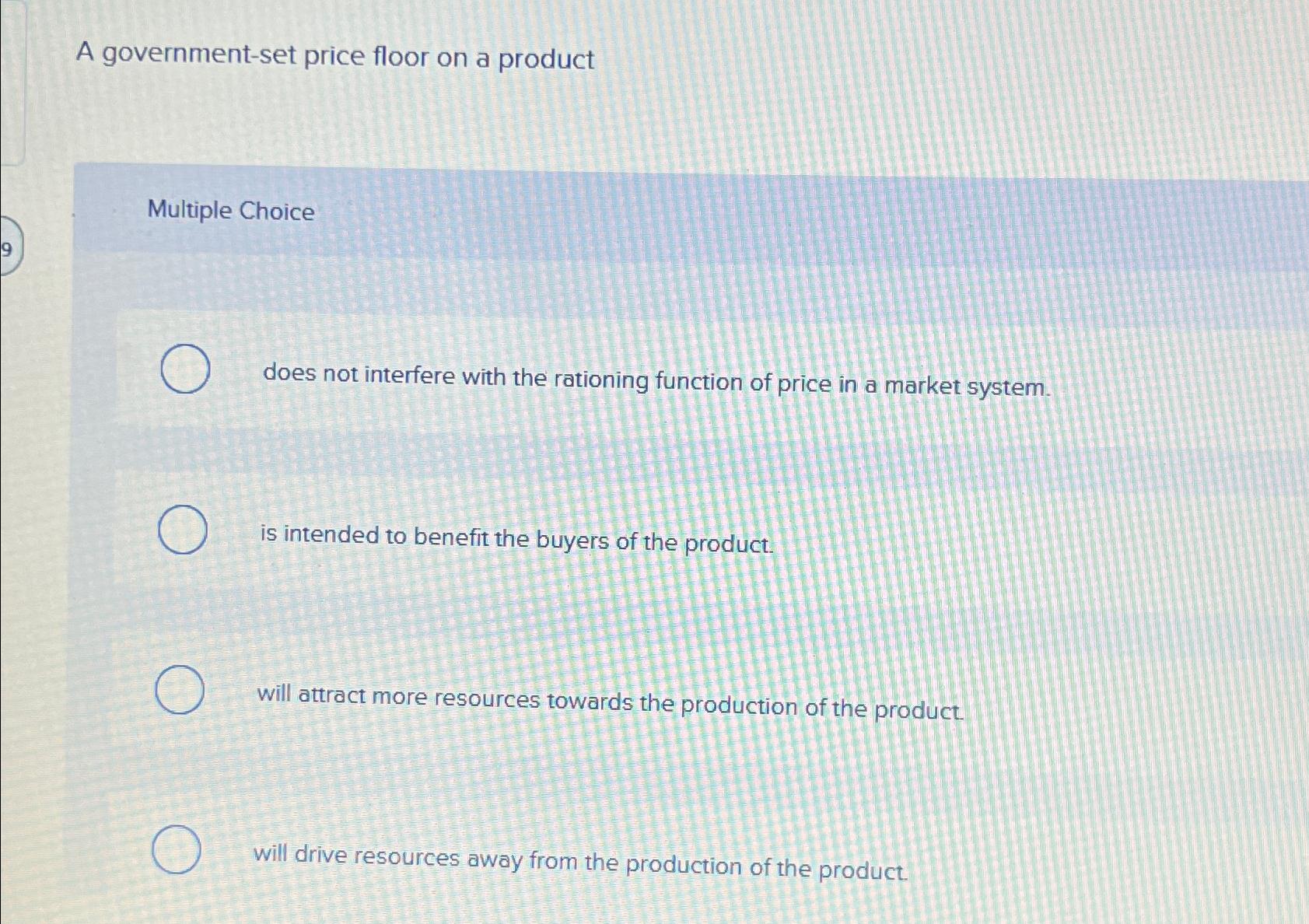
A price floor is a minimum price set by the government. It is higher than the market price. This can lead to more supply. Producers want to sell more at higher prices. But, buyers may not want to pay more. Demand can drop. Too much supply and too little demand. A mismatch in the market.
Price floors can create price distortions. Sellers may not sell all their goods. This can lead to waste. Some buyers cannot afford the product. The product becomes less accessible. This is not always fair. The balance between supply and demand is lost.
Consumer Implications
A price floor can change how people buy things. Items may cost more than before. This makes some people buy less. Others might look for cheaper options. Some might wait for sales or discounts. Families with less money feel this change the most. They may need to limit their spending. Buying habits can shift quickly. People always seek value for their money.
Access to products can become difficult. Some items may not be available. Stores might stock fewer items. Choices can become limited. People may travel farther to find what they need. Online shopping might grow as people search for better deals. Product quality may vary. Sometimes, higher prices mean better quality. But not always. Affordability becomes key. Everyone wants the best for their budget.
Producer Consequences
A price floor can change how much money producers make. Higher prices mean producers get more money for each item. But, they might sell fewer items. This can happen if the price is too high. Customers may not buy as much. So, profit margins can go up or stay the same. It depends on how many items are sold.
Producers might need to change how they make things. Making more items can help if demand stays the same. But, if people buy less, they might need to produce less. This helps them save money and resources. They must think carefully about their choices. Producing too much can lead to waste. Producing too little can mean lost sales.
Economic Efficiency
Price floors can affect how resources are used. They can lead to inefficient resource allocation. Sellers may produce more of a product than needed. This can waste resources. Buyers may not get the products they want. This happens when prices are higher than they are willing to pay.
Price floors can cause market surpluses. This means there are more products than buyers. Sellers may struggle to sell their goods. Unsold products may lead to waste. Farmers, for example, may have extra crops that rot. This can hurt the environment and economy.
Case Studies
Farmers often struggle with low prices. Governments sometimes set a price floor. This helps farmers earn more. A price floor is a minimum price. It stops prices from falling too low. For example, wheat and corn might have price floors. This helps farmers stay in business. But it can also cause surplus. Surplus means extra products that do not sell. These can go to waste. So, price floors help some, but also have problems.
Minimum wage is a type of price floor. It sets the least pay workers can earn. This helps workers get fair pay. But, it can also cause issues. Businesses might hire fewer workers. They might not have enough money. So, price floors help many people. But they must be balanced. Too high and they can hurt jobs. Too low and they don’t help enough.
Alternatives To Price Floors
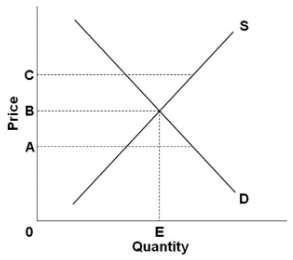
Subsidies help keep prices low for buyers. The government gives money to producers. This extra money supports the cost of making goods. Producers can sell products at lower prices. Buyers benefit from the reduced costs. Subsidies can also boost production. This means more products are available. Everyone can buy more.
Tax incentives encourage businesses to grow. The government reduces taxes for companies. This means companies pay less money to the government. With more savings, they can offer lower prices. Businesses can also invest in better tools. They can hire more workers. This leads to more products. Buyers enjoy lower costs and more choices.
Challenges And Criticisms
The government sets a price floor. This means prices cannot go lower. It can cause market inefficiencies. Sellers might not find buyers. Products might stay unsold. This can lead to wasted resources. Some businesses might face losses. A price floor can lead to overproduction. More goods are made than needed. Consumers might pay more. Prices can be higher than the real value. This makes it hard for people to buy. It can harm the economy.
Price floors can lead to unintended consequences. Black markets might grow. People try to buy cheaper. Sellers might break rules. They sell below the floor. Quality might drop. Sellers cut costs to make profits. This can hurt consumers. High prices might reduce demand. Less demand can slow the economy. Some businesses might shut down. Jobs might be lost. This can lead to more problems. Governments must think about these effects. Careful planning is needed.
Frequently Asked Questions
What Is A Price Floor?
A price floor is a government-imposed minimum price. It’s set above the equilibrium price to prevent prices from falling. This can lead to surpluses if the floor is too high. Price floors are often used in agriculture to ensure farmers receive fair prices.
Why Do Governments Set Price Floors?
Governments set price floors to protect producers’ incomes. They aim to prevent market prices from dropping too low. This ensures that producers can sustain their operations. It also helps stabilize markets and avoid extreme price fluctuations.
What Are The Effects Of A Price Floor?
A price floor can lead to surpluses if set too high. This happens when supply exceeds demand. Consumers may pay higher prices as a result. It can also lead to inefficiencies in the market, affecting overall economic welfare.
Can Price Floors Lead To Inefficiencies?
Yes, price floors can cause market inefficiencies. They may result in excess supply and wasted resources. Producers might produce more than consumers want. This can lead to storage problems and economic distortions.
Conclusion
A price floor can impact both consumers and producers. It ensures minimum earnings for producers. Consumers may face higher costs. Balance is key for fair outcomes. Governments must consider market conditions and impacts. This policy can stabilize industries. But, it could also lead to surplus or shortages.
Careful evaluation is crucial. Understanding these dynamics is vital. It helps in making informed decisions. The goal is to protect economic stability. Both sides should benefit fairly. Implementing a price floor is complex. It requires careful planning and analysis. Optimal results need collaboration and insight.