
Are you tired of staring at your outdated vinyl flooring, wondering if there’s an affordable way to give it a fresh, new look without the hassle of replacing it? You’re not alone.




Many homeowners are exploring creative solutions to breathe new life into their floors without breaking the bank. But here’s a question that might have crossed your mind: Can you actually paint vinyl flooring? Imagine transforming your space with just a few strokes of paint, giving your home an instant facelift.
It’s a tempting idea, isn’t it? Before you dive into this DIY project, you probably have a few burning questions. Is it really possible? Will the paint stick? How durable will it be? We’ll uncover the truth behind painting vinyl flooring and guide you through the process, step by step. So, if you’re ready to discover a cost-effective way to rejuvenate your floors, keep reading. This could be the game-changer you’ve been looking for.
Benefits Of Painting Vinyl Flooring
Painting vinyl flooring is a cost-effective solution. New floors can be very expensive. Paint costs less than new vinyl. It saves money and gives a fresh look. This option is budget-friendly. Many people choose it for saving cash.
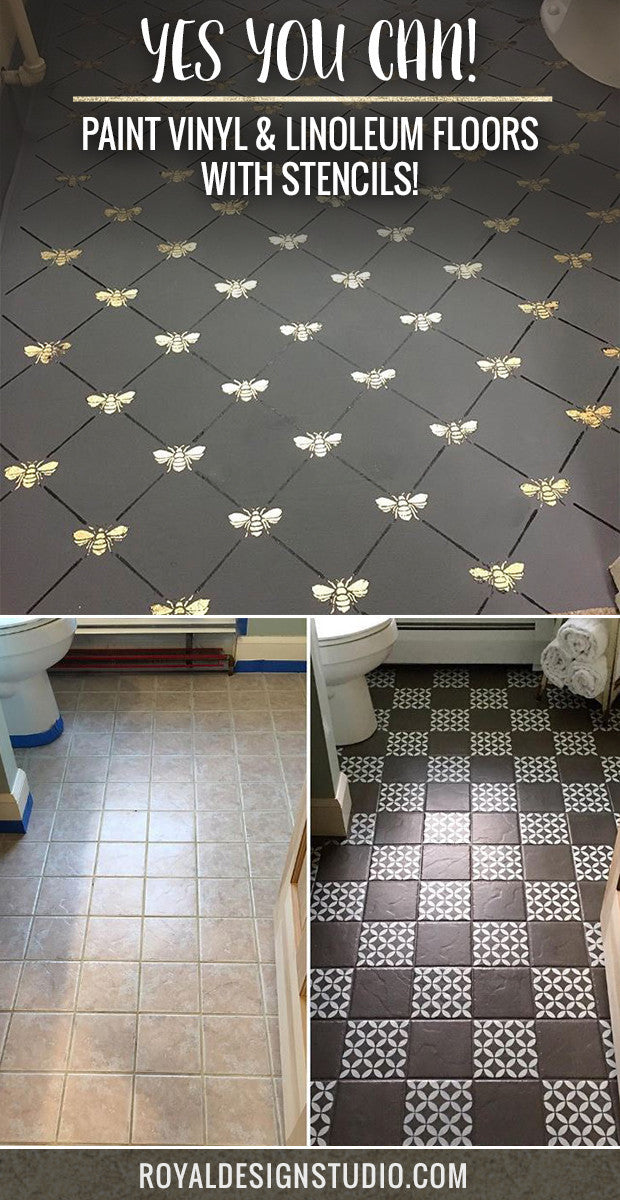
Another benefit is having personalized design options. Paint lets you choose any color. Patterns can be added for a unique style. This makes your floor special. You can match your room’s theme. Your creativity has no limits.
Painting vinyl offers a quick room transformation. The process is fast compared to replacing floors. It changes the room’s appearance quickly. People like this quick change. It gives rooms a new vibe without long waits.
Choosing The Right Paint
Vinyl floors need special paint. Acrylic paint is a good choice. It sticks well and is durable. Epoxy paint is another option. It is strong and water-resistant. Both types offer good coverage and long-lasting color. Choose one that fits your needs.
Picking the right color is fun. Light colors make rooms look bigger. Dark colors add coziness and warmth. Think about the furniture color too. Matching colors create a nice look. Bold colors can be exciting. But too bright can be overwhelming. Test small patches first. See how they look in different light.
Preparing The Floor
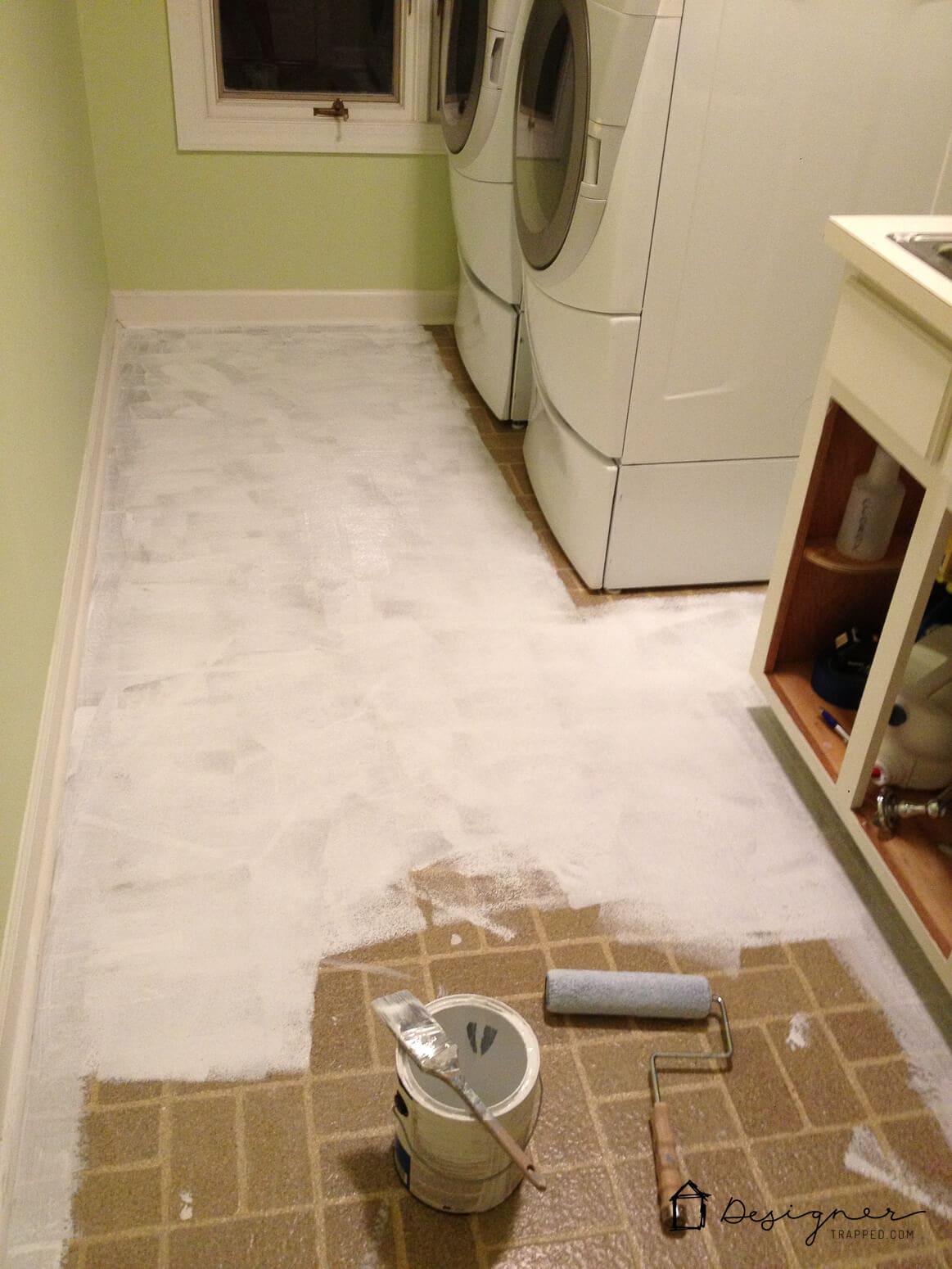
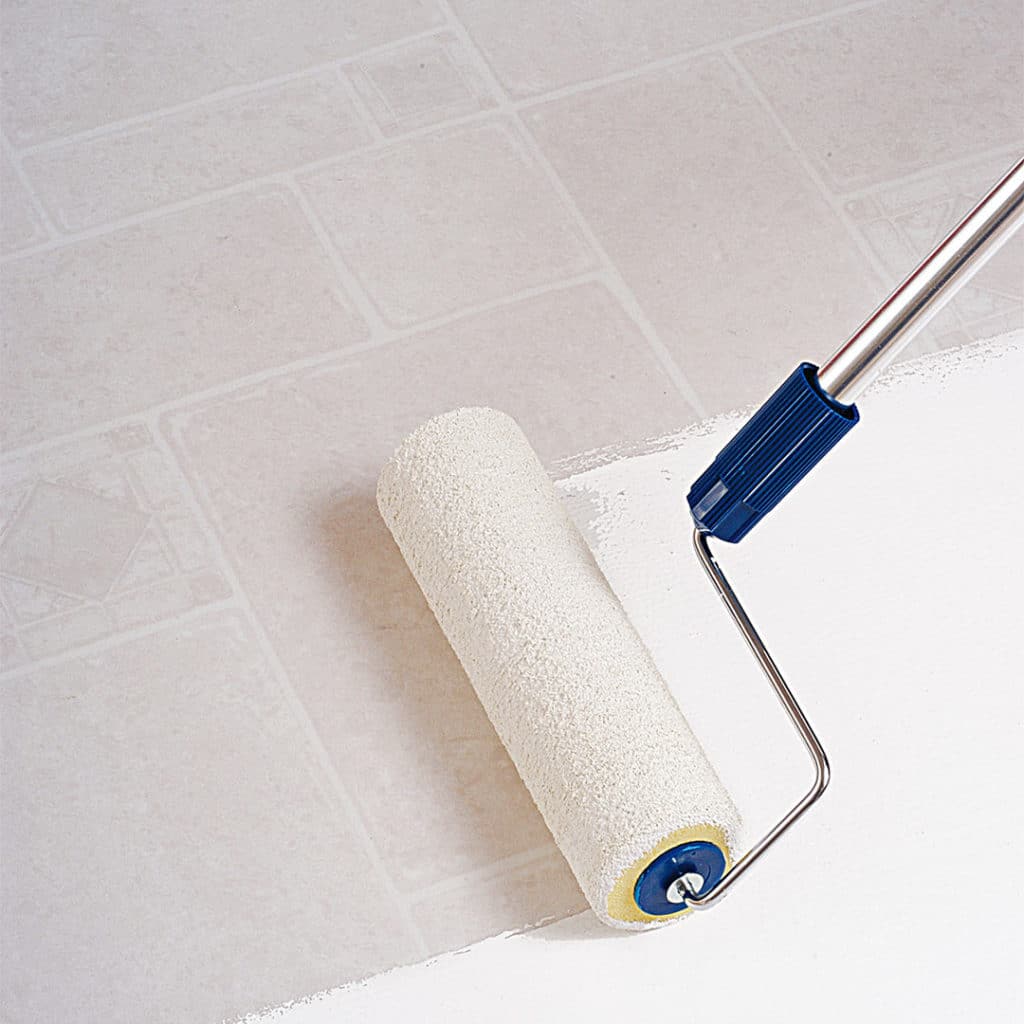
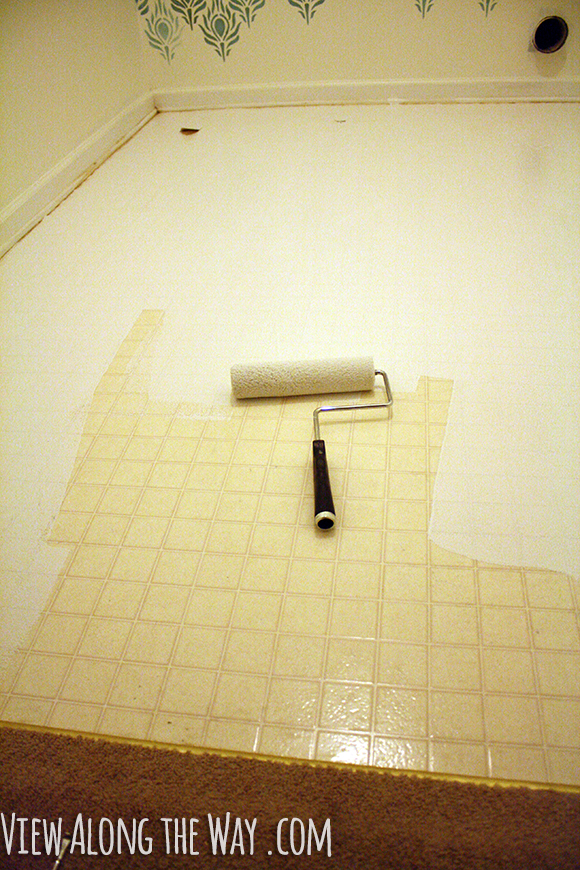
Start by removing all dust and dirt from the floor. Use a vacuum or broom for this task. Next, mop the floor with a mild detergent. Ensure the floor is completely dry before moving on. Apply a special vinyl floor primer. This helps the paint stick better. Use a roller for even application. Let the primer dry completely before painting.
Check for any cracks or holes in the vinyl. Use a vinyl repair kit for small damages. Follow the instructions on the kit carefully. For larger damages, consider replacing sections. Make sure the surface is smooth and even. Sand down any rough edges. Clean the area again after repairs.
Step-by-step Painting Guide
Painting vinyl floors needs the right supplies. Gather a high-quality primer suitable for vinyl. You’ll need paint designed for floors. Choose a brush or roller for smooth application. Get a clean cloth and bucket for cleaning. Ensure you have sandpaper for surface preparation. A mask and gloves will protect your skin and lungs.
Start by cleaning the floor. Use a cloth and water. Sand the surface lightly. This helps primer stick better. Apply primer evenly. Wait for it to dry completely. Follow instructions on the primer can. This step is crucial for paint adhesion.
Choose your paint color. Pour paint into a tray. Use a roller for large areas. Use a brush for edges. Apply thin layers of paint. Let each layer dry before adding another. Two coats usually work best. Paint evenly for a smooth finish.
Once paint dries, seal the floor. This protects the paint from wear. Use a clear floor sealer. Apply one thin coat. Let it dry fully. A second coat adds extra durability. This keeps your floor looking fresh.
Maintaining Painted Vinyl Floors
Keeping your painted vinyl floors clean is important. Use a soft broom to sweep dust and dirt. Avoid harsh chemicals. They can harm the paint. Instead, use a gentle cleaner. Mix a few drops of dish soap with warm water. Mop the floor gently. Rinse with clean water. Dry the floor with a soft towel. This keeps the paint looking fresh.
Painted floors can get scratched. Touch up small scratches with leftover paint. Use a small brush for this. For bigger scratches, sand the area lightly. Apply a fresh coat of paint. Let it dry completely. This keeps your floor looking nice. Regular touch-ups help maintain the floor’s appearance.
Common Mistakes To Avoid
Painting vinyl flooring can lead to peeling if the surface isn’t properly prepared. Choosing the wrong paint type may cause it to wear off quickly. Ensuring thorough cleaning and using primer helps the paint adhere better.
Skipping Surface Preparation
Skipping surface preparation can lead to problems. Dirt and grime make paint not stick well. Always clean the floor first. Use a mild cleaner and a mop. Make sure the floor is dry. Sand the surface lightly for better grip. This helps the paint last longer. A well-prepared floor looks smooth and neat.
Using Incorrect Paint
Using the wrong paint can spoil your efforts. Not all paints work on vinyl. Choose a paint made for floors. It should be durable and flexible. This type of paint handles foot traffic well. Wrong paint can peel or crack. Always check the label before buying. Ensure it’s suitable for vinyl flooring.
Frequently Asked Questions
Can I Paint Over Vinyl Flooring?
Yes, you can paint vinyl flooring. It’s a cost-effective way to update its look. Ensure the surface is clean and dry before starting. Use a primer designed for vinyl, followed by floor paint. Seal with a clear topcoat for durability.
Proper preparation ensures long-lasting results.
What Paint Should I Use On Vinyl Flooring?
Use paint specifically designed for flooring. Acrylic latex paint is a good choice for vinyl floors. It’s durable and adheres well. Always apply a primer first for better adhesion. Choose a high-quality topcoat to protect the paint. This ensures a long-lasting finish.
How Do I Prepare Vinyl Floor For Painting?
Start by thoroughly cleaning the vinyl floor. Remove all dirt and grease. Sand the surface lightly to create a texture for better adhesion. Apply a primer suitable for vinyl flooring. Allow it to dry completely before painting. Proper preparation is key for a successful outcome.
How Long Does Painted Vinyl Floor Last?
Painted vinyl flooring can last several years with proper care. The longevity depends on foot traffic and maintenance. Using a high-quality topcoat increases durability. Regular cleaning and avoiding harsh chemicals help maintain the finish. Touch-ups may be needed over time to keep it looking fresh.
Conclusion
Painting vinyl flooring is a creative option. It offers a fresh look without breaking the bank. Remember, preparation is key. Clean the surface well before painting. Choose the right paint for durability. Test a small area first. This helps avoid surprises later.
Allow enough drying time. This ensures a smooth finish. Painted vinyl can transform your space. It adds style and color. But, consider the wear and tear. High-traffic areas may need more care. Explore this option for a budget-friendly update. Your home can shine with a little creativity.