
Imagine walking into your home, only to notice that your beautiful hardwood floors are warped, discolored, or even starting to buckle. It’s a homeowner’s nightmare and an unfortunate reality for many.




Water damage to hardwood floors doesn’t just ruin the aesthetic of your home; it can lead to costly repairs and even potential safety hazards if left unchecked. But here’s the good news: you can take steps to fix this issue before it gets out of hand.
This guide is your lifeline, breaking down everything you need to know about restoring your floors to their former glory. From identifying the signs of water damage to understanding the repair process, you’ll gain confidence in tackling this daunting task. So, if you’re ready to save your beloved floors and your hard-earned money, read on. You’ll discover how to transform this seemingly overwhelming problem into a manageable project.
:max_bytes(150000):strip_icc()/How-to-Save-a-Water-Damaged-Wood-Floor-05-a060e6cf5ede4249a92a11bcf6ad6945.jpg)
Identifying Water Damage
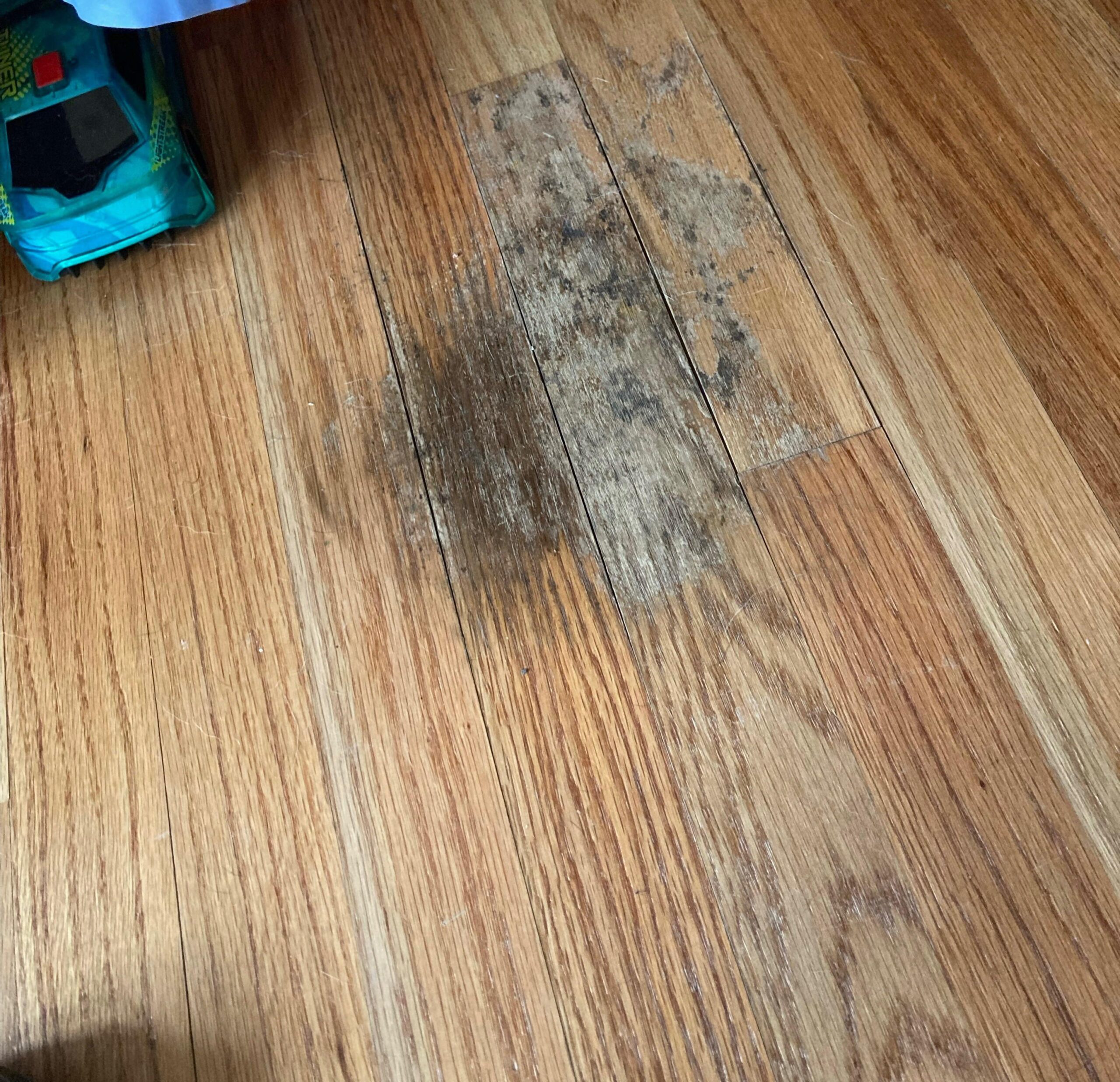
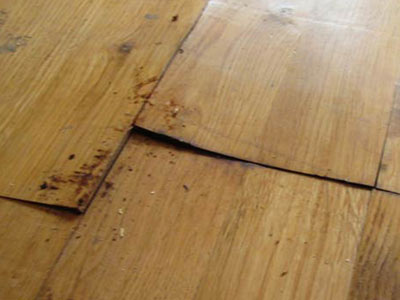
Water damage can make floors look bad. Stains and discoloration are common. The wood might turn darker in spots. You may also see warping or buckling. The floor may feel soft or spongy. A musty smell often comes with water damage. This smell is from mold growing. Mold can be dangerous to health.
Many things cause water damage. Leaky pipes are a big reason. Floods and storms also cause problems. Leaving windows open during rain can damage floors. Spills from drinks or plants can also harm wood. Even high humidity can lead to damage. Wood needs to stay dry to stay nice.
Initial Steps To Take
Stopping the source of water is the first step. Find where the water comes from. Turn off the tap or fix leaks. This stops more water from hurting the floor. Use towels to soak up any standing water. A mop can help too. Act fast to prevent more damage.
Drying the affected area is very important. Use a fan to blow air on the wet floor. Open windows to let fresh air in. This helps dry the floor quicker. A dehumidifier can help too. It takes moisture from the air. Leave it on until the floor is dry. Check the floor often to see how it is drying. Dry floors mean less damage and less repair work later.
Assessing The Severity
Surface damage means the top layer of wood is wet. It might look stained or warped. This damage is often easier to fix. Drying the surface can help. Fans and towels are useful here. Sometimes, sanding and refinishing are needed.
Subsurface damage is more serious. Water reaches deeper into the wood. It can cause the wood to swell or rot. This damage might need more work. Removing and replacing planks could be necessary.
Calling a professional is smart if damage is severe. Professionals have special tools. They know how to fix deep water damage. They can check the structure beneath the floor. Sometimes, the floor might need to be replaced. Experts can give advice on the best steps.
Repairing Minor Damage
Start by drying the wet area. Use a fan or towel. Remove dirt and stains with a soft cloth. Use a mild cleaner to scrub lightly. Avoid using water on the surface. Water can make the damage worse. Check for mold. Mold can grow quickly. If you see mold, use a special cleaner. Follow the steps carefully.
Sanding removes minor scratches and stains. Use fine sandpaper for this. Sand gently. After sanding, clean the dust. Use a vacuum or cloth. Apply a fresh finish. This makes the floor look new. Choose a finish that matches the old one. Let the floor dry completely. Drying takes a few hours. Do not walk on the wet finish. Wait until it is dry.
Handling Severe Damage
Start by removing the damaged planks carefully. Use a crowbar or chisel. Be gentle to avoid damaging nearby wood. Measure the space for new planks. Cut new planks to the right size. Make sure they fit well. Glue or nail the new planks in place. Check for any gaps or uneven areas. Sand the surface for a smooth finish. Apply a protective sealant to guard against future damage.
Inspect the subfloor for any water damage. Look for soft spots or mold. If damaged, remove the affected areas. Use a saw to cut out the damaged parts. Replace them with new, strong material. Ensure the new subfloor is stable. Secure it properly with nails or screws. Check for any moisture issues. Fix leaks or sources of water. This will protect your floor in the future.
Preventing Future Damage
Fixing water-damaged hardwood floors involves drying the area thoroughly. Sanding and refinishing restore the floor’s appearance. Applying sealant prevents future damage and ensures longevity.
Waterproofing Solutions
Using waterproof sealants can protect hardwood floors. These sealants stop water from soaking into the wood. Always choose a sealant designed for wood floors. Some sealants need a professional to apply them. Others, you can do yourself. Check the label before buying. Waterproof mats are also helpful. Place them near sinks or doorways. They catch water and keep floors safe.
Regular Maintenance Tips
Regular cleaning keeps floors in good shape. Wipe spills right away. Use a soft cloth for this. Avoid using too much water when cleaning. A damp mop is better than a wet one. Check the floor for any damage often. Fix small issues before they grow. This keeps the floors strong and looking nice.
Choosing Professional Help
Picking the right contractor is very important. Expert contractors know how to fix water damage. They use special tools and skills. Check their experience and references. This will help you choose wisely. A good contractor will have many happy customers. Ask for a list of past jobs.
Interview a few contractors. Compare their services and prices. Make sure they have the right licenses. This shows they are qualified. Don’t rush this step. A good contractor can save you time and money.
Fixing water damage can cost a lot. Costs depend on how bad the damage is. Bigger problems cost more to fix. Ask for a detailed estimate before hiring. This helps you plan your budget. Some contractors offer payment plans. This can make it easier to pay.
Be careful of prices that are too low. This might mean poor work. You want your floors fixed right. Spend wisely to get the best results.

Frequently Asked Questions
What Causes Water Damage To Hardwood Floors?
Water damage to hardwood floors is often caused by leaks, spills, or high humidity. Prolonged exposure to moisture can lead to warping, swelling, and discoloration. It’s important to address any water issues promptly to prevent long-term damage.
Can You Repair Water Damaged Hardwood Floors?
Yes, you can repair water damaged hardwood floors. Start by identifying and fixing the source of the water. Remove excess moisture and allow the floors to dry. You may need to sand and refinish or replace severely damaged sections.
How Do You Dry Water Damaged Wood Floors?
To dry water damaged wood floors, use fans and dehumidifiers. This helps to remove moisture from the air and floor. You should also open windows for ventilation. Speeding up the drying process can prevent further damage like mold growth.
How Can You Prevent Future Water Damage?
Prevent future water damage by quickly addressing leaks and spills. Use mats in areas prone to water exposure, like kitchens. Regularly inspect your plumbing and HVAC systems for leaks. Controlling indoor humidity levels can also help protect your hardwood floors.
Conclusion
Fixing water-damaged hardwood floors takes patience and care. First, assess the damage. Minor issues might need simple repairs. Severe damage could require professional help. Dry the area completely. Use fans or dehumidifiers. Prevention is key. Seal floors regularly to protect them.
Act fast when you notice water damage. Delaying can worsen the problem. Remember, hardwood adds warmth and beauty to your home. Protect it from water to keep it looking great. Regular maintenance ensures longevity. Enjoy your beautiful floors for years to come.
Your hardwood deserves the best care. Keep it safe, dry, and stunning.