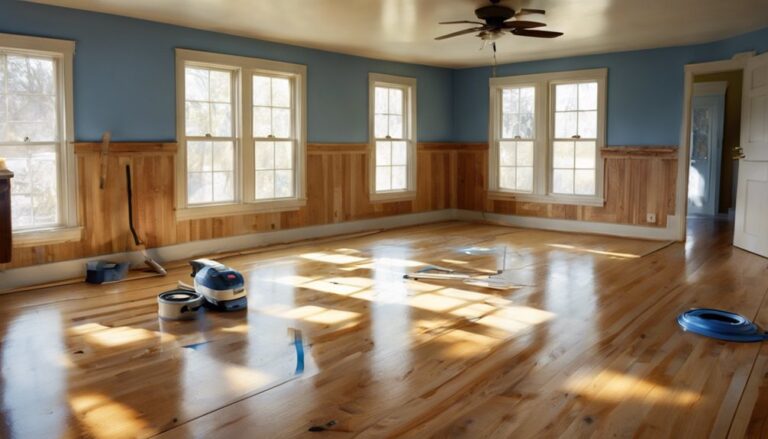

Have you ever wondered how much weight your floor can actually hold? Whether you’re considering moving heavy furniture, installing a grand piano, or setting up a home gym, understanding your floor’s weight capacity is crucial.
Imagine the peace of mind you’ll have knowing your floor can handle the load without a hitch. You’ll avoid potential mishaps and costly repairs by being informed about your floor’s limits. We’ll delve into the factors that determine floor strength and how you can easily assess your own space.
With this knowledge, you can confidently make decisions about your home or office layout. Ready to dive in and ensure your floor is up to the task? Let’s get started!
Factors Affecting Floor Load Capacity
Material type and quality play a big role in floor strength. Strong materials like steel hold more weight. Concrete floors are also strong. Wood floors may hold less weight. Quality matters too. Good quality materials last longer. They are less likely to break.
Structural design and engineering are crucial. Engineers plan floors to hold certain weights. They use math and science. Better designs hold more weight. Poor designs may fail under pressure. Strong beams help hold heavy loads.
The age and condition of the building affect load capacity. Old buildings may have weaker floors. Time wears down materials. Water damage and termites can weaken wood. Regular checks help keep floors strong. Fixing issues early saves trouble later.
Types Of Loads On Floors
Live loads change often. They include people and furniture. People walk and move around. Furniture can be moved. These loads vary in weight. Live loads are temporary. They are not permanent. Floors should support live loads safely.
Dead loads stay the same. They are always there. Walls, floors, and roofs are dead loads. These loads do not move. They are permanent. Dead loads are heavy. They do not change. Floors must hold dead loads all the time.
Dynamic loads move quickly. They are not steady. Machines and cars are dynamic loads. They can shake the floor. Dynamic loads are tricky. They need special care. Floors should handle dynamic loads well.
Measuring Load Capacity
Floors have a limit on how much they can hold. This limit is called load rating. Engineers decide this rating to keep buildings safe. Load rating tells us the maximum weight a floor can carry. Important for safety. Knowing this rating helps prevent damage. It also stops accidents.
Experts use tools to measure load capacity. They look at floor materials. Concrete, wood, or steel? Each material has different strength. They also check the floor structure. Beams and joists matter. Calculations are done with special tools. These tools help find the exact load a floor can hold. Engineers use these methods to ensure safety.
Common Residential Floor Limits
Most homes have floors that can hold 40 to 50 pounds per square foot. This is the average standard weight capacity. Builders design floors for safe usage. Heavy furniture needs special care. Check weight before placing it.
Many things change floor strength. Materials used matter a lot. Wood and concrete have different limits. Age of the building affects capacity. Older homes might have weaker floors. Design and construction also play a role. Some buildings have stronger support. Floor usage changes the weight it can hold. Rooms like kitchens need more strength.
Commercial And Industrial Floor Capacities
Commercial floors hold more weight than home floors. This is because they are built for heavy use. Industries need strong floors for machines. Offices need them for many people. Strong floors keep everyone safe. They must hold heavy things without breaking.
Home floors do not need to be as strong. They hold people and furniture. But not much else. Commercial floors must follow special rules. These rules make sure they are safe for everyone.
Each industry has its own floor needs. Factories need floors that hold big machines. Warehouses need floors for heavy boxes. Hospital floors must be clean and safe. Schools need floors for many students.
Floors must meet the right standards. Safety is very important. Floors must be strong and last a long time. They help people work safely. Different industries need different floor strengths.

Warning Signs Of Overloaded Floors
Floors can show signs of stress. Cracks in the floor are a big hint. Sagging is another clue. Look for bent floorboards. Gaps between the wall and floor can appear. These signs mean the floor is struggling. It may not hold more weight.
Listen for unusual noises. Creaking sounds can be a warning. Floors may groan under too much weight. Popping sounds are also a bad sign. These noises tell us the floor is under pressure. It might not be safe.
Enhancing Floor Load Capacity
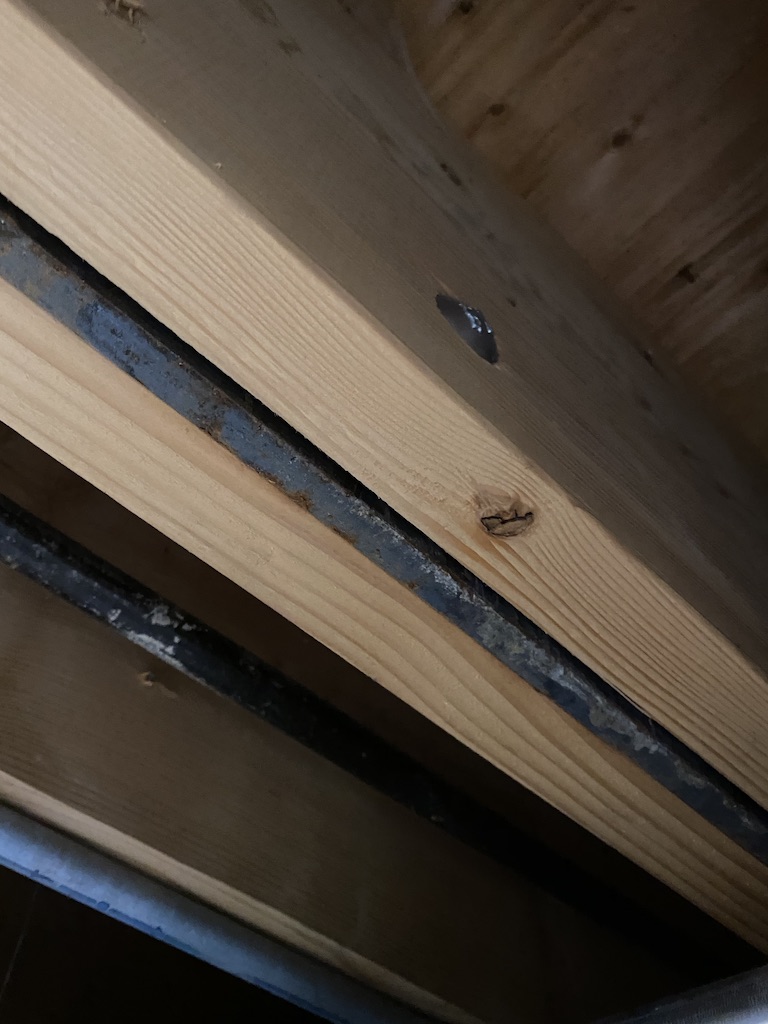
Strong floors need good support. Reinforcement helps make floors stronger. Adding beams under the floor can help. Beams give extra support. This helps the floor hold more weight. Steel beams are very strong. They are great for heavy loads. Wood beams are good too. They are strong and natural. Choose the right beam for your floor.
Better materials make floors hold more weight. New materials are stronger. Concrete is a strong choice. It is very tough. Steel plates can also help. They make floors stronger. Fiber-reinforced plastic is light and strong. It is good for many floors. Always use the best materials for your floor.
Safety Guidelines And Regulations
Building codes help keep floors safe. These rules say how much weight a floor can hold. Builders must follow these codes. They make sure floors are strong. Standards also guide builders. They tell the best ways to build floors. This keeps everyone safe. Always check local codes. They can be different from place to place. Codes may change over time. So, it’s important to stay updated.
Professional evaluations check if floors are safe. Experts look at the floor’s strength. They use special tools. Inspections are also done. Inspectors look for problems. They check for cracks or weak spots. These checks help keep buildings safe. It’s smart to have floors checked often. This way, any issues are found early. It prevents accidents and keeps people safe.

Frequently Asked Questions
How Is Floor Load Capacity Determined?
Floor load capacity is determined by the type of materials used and construction design. Engineers calculate it based on the load-bearing capacity of the joists and beams. This ensures safety and structural integrity. Always consult with a professional to understand your specific floor’s capacity.
What Factors Affect A Floor’s Weight Capacity?
A floor’s weight capacity is affected by materials, construction, and design. The span and spacing of joists also play a role. External factors like age, condition, and moisture exposure can impact the capacity. Always consider these factors to ensure safe loading.
Can Heavy Furniture Damage My Floor?
Yes, heavy furniture can damage floors if weight exceeds capacity. Overloading can cause sagging or structural damage. Distribute weight evenly and use protective pads. Regularly check your floor’s condition and consult professionals if unsure about weight limits.
How Do I Calculate Floor Weight Capacity?
To calculate floor weight capacity, determine joist size, spacing, and material. Use span tables or consult a structural engineer. Consider both live and dead loads when calculating. It’s crucial to ensure safety and prevent structural damage by adhering to capacity guidelines.
Conclusion
Understanding floor weight limits keeps your home safe. Know the materials of your floor. Different materials support different weights. Consider furniture, gatherings, and storage needs. Balance is crucial. Heavy items need strong floors. Regular checks help avoid accidents. Consult professionals for big changes.
Safety should be a priority. A well-supported floor lasts longer. Keep this information handy. Protect your space with knowledge. Share what you’ve learned. It helps everyone stay safe. Your home deserves care and attention. Treat it wisely.