
Are you tired of finding little surprises from your feline friend in places they shouldn’t be? It’s not just frustrating; it can feel like a never-ending battle to keep your home clean.
But what if you could transform this situation, turning your living space back into a tidy, stress-free zone? You’re not alone in facing this challenge, and the good news is that there are effective solutions to stop your cat from pooping on the floor.
Imagine the relief of knowing that your floor is safe from unexpected messes. In this guide, we’ll explore practical tips and insights to help you understand and address the root causes of this behavior. Stay with us to discover how you can restore harmony and happiness in your home with just a few simple changes.
Identify The Cause
Cats sometimes poop on the floor due to medical issues. They might have a urinary tract infection or digestive problems. It’s important to visit a vet if your cat seems sick. Pay attention to any changes in behavior or eating habits.
Some cats poop on the floor because of stress or anxiety. Changes in the home can upset them. A new pet or moving furniture might cause this. Providing a calm environment helps. Spend quality time with your cat to make them feel safe.
Cats can be picky about their litter box. They may avoid it if it’s dirty or in a noisy area. Use a clean box with the right litter. Make sure it’s in a quiet spot. Your cat will feel more comfortable there.
Litter Box Solutions
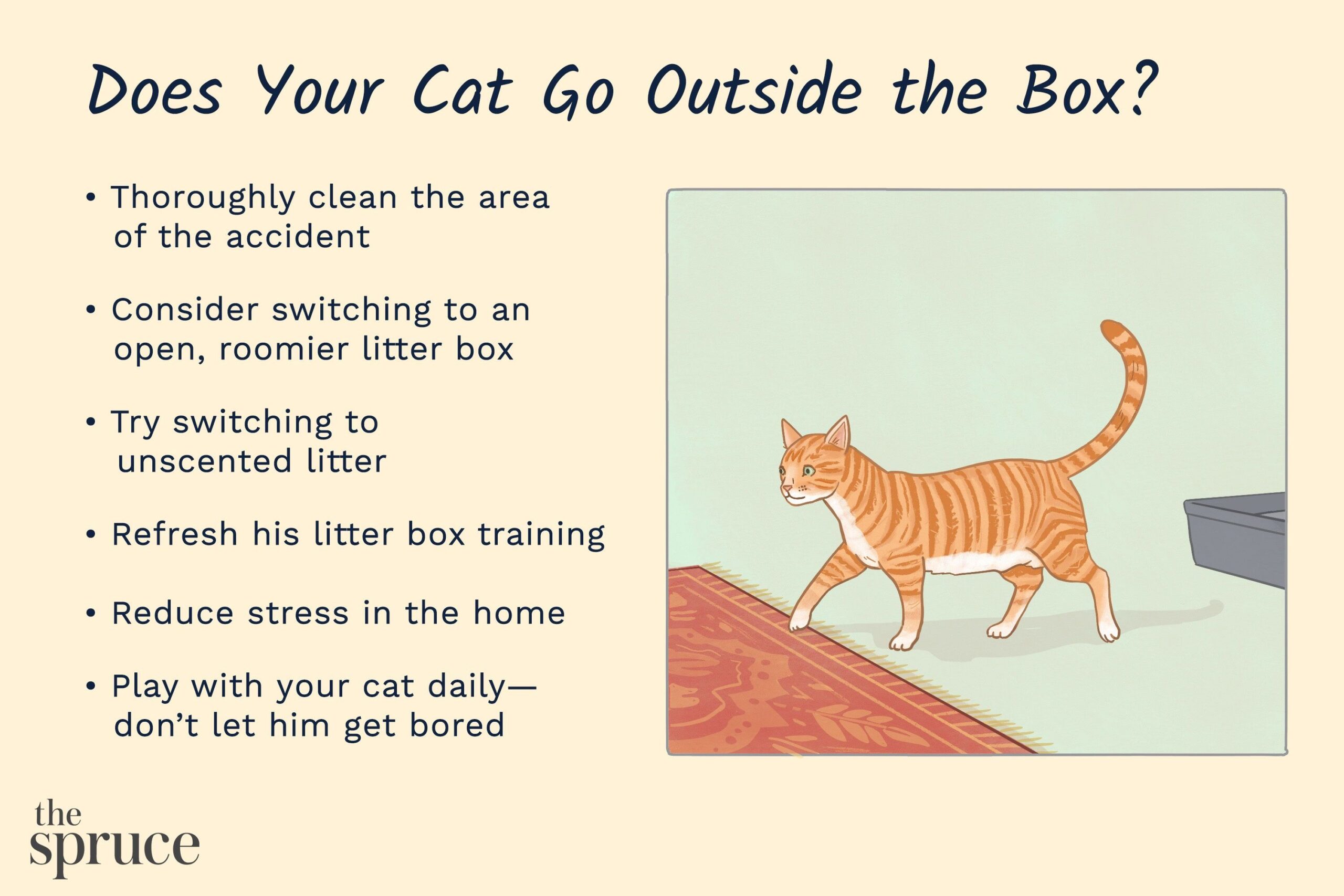
Cats are picky about litter. Make sure the litter texture is soft. Hard litter can hurt their paws. Some cats prefer unscented litter. Strong smells can be scary. Try different types to see what your cat likes. Clumping litter is easier to clean.
Place the box in a quiet spot. Cats like privacy. Avoid loud areas. Keep the box away from their food. Cats don’t like eating near the litter. Make sure the box is easy to reach. No tricky paths. Stairs can be hard for some cats.
Clean the litter box every day. Cats like clean places. Scoop out the waste often. Change the litter weekly. Old litter can smell bad. Wash the box with mild soap. Strong cleaners can be harmful. Rinse it well. Make sure it’s dry before adding new litter.
Behavioral Training
Reward your cat with treats or praise when they use the litter box. This teaches them that good things happen when they do the right thing. Be patient. Cats need time to learn new habits. Use a happy voice to encourage them.
Gently move the cat to the litter box if they start on the floor. Never punish them. Scolding can scare them and make things worse. Clean any mess right away. Use a strong-smelling cleaner to remove odors. This stops them from going back to the same spot.
Environmental Adjustments
Create a comfortable and clean litter area for your cat. Place the litter box in a quiet, accessible spot. Use a suitable litter type and keep it tidy to encourage proper use.
Reducing Stress
Cats feel stressed if there are loud noises. Keep the home quiet. Sudden movements scare them. Move gently around the house. Loud music can upset them. Play soft tunes instead. New people can be scary. Introduce them slowly. Big changes make cats nervous. Try to keep routines steady. A calm home helps cats relax. Stress-free cats have fewer accidents.
Providing Safe Spaces
Cats need safe places to hide. Create cozy corners for them. Use blankets or boxes. Cats love small spaces. These spots should be quiet. Cats feel safe in high places. Provide shelves or cat trees. They enjoy watching from above. Avoid crowded areas for these spaces. Peaceful spots make cats happy. Happy cats use the litter box more.
Dietary Considerations
Cats like routines. Feed your cat at the same time every day. This helps them feel safe. A regular schedule can fix many problems. It even helps with litter box issues. Feeding at random times can confuse your cat. They may not use the litter box as expected. Stick to a simple plan. Cats love that.
Switching foods can affect your cat’s bathroom habits. New foods can upset their stomach. This might cause them to poop on the floor. Always change their diet slowly. Mix new food with old food. Do this over a week. Watch how your cat reacts. If they seem upset, talk to a vet. Some foods may not be good for them. Choose high-quality food for better results.
:strip_icc()/cat-pooping-outside-box-554017-b408bc2885e042a5a1937e7e0b183b5a.jpg)
Consulting A Veterinarian
Cats sometimes poop on the floor if they have health issues. A veterinarian can help find the problem. They will check your cat for any illness. Health issues like digestive problems or urinary infections can cause this behavior. The vet might ask about your cat’s diet and litter box habits. It’s important to provide honest answers. This information helps the vet find the cause. The vet may suggest tests if needed. They could recommend a new diet or medication for your cat. Regular vet visits can prevent future problems. Always follow the vet’s advice for the best results.
Alternative Solutions
Exploring alternative solutions can help stop cats from pooping on the floor. Using litter boxes with different shapes and sizes can attract cats. Try placing litter boxes in quiet, private areas to make them more appealing.
Using Cat Repellents
Cats dislike certain smells. Use natural cat repellents to keep them away. Citrus peels, vinegar, or coffee grounds can work. Place them where cats usually poop. These smells are unpleasant for cats. They will avoid those spots. There are also commercial sprays available. These sprays have safe ingredients. They do not harm cats. Read the instructions carefully. Always test on a small area first. Ensure your cat is safe and healthy.
Engaging A Professional Trainer
A professional trainer can help with cat behavior. They understand why cats act a certain way. They will show you effective techniques. These techniques can guide your cat’s behavior. The trainer will visit your home. They will observe the cat. They will suggest changes. These changes can improve the situation. Remember, patience is key. Cats need time to learn new habits. Consistent training is crucial for success.


Frequently Asked Questions
Why Do Cats Poop On The Floor?
Cats may poop on the floor due to stress or medical issues. Changes in their environment or litter box problems can cause discomfort. Ensure the litter box is clean and accessible. If the behavior persists, consult a vet to rule out health problems.
How Can I Train My Cat To Use The Litter Box?
Start by placing the litter box in a quiet, accessible area. Use a litter your cat prefers. Reward your cat with treats when it uses the box. Gradually reduce the rewards as the habit forms. Consistency is key to successful litter box training.
Can Diet Affect My Cat’s Bathroom Habits?
Yes, diet can influence your cat’s bathroom habits. A balanced diet promotes healthy digestion. Ensure your cat’s food is high-quality and suitable for its age. Consult your vet for dietary recommendations. A sudden diet change can upset your cat’s digestive system.
What Type Of Litter Is Best For Cats?
Choosing the right litter depends on your cat’s preference. Clumping litter is popular for easy cleaning. Some cats prefer unscented litter. Experiment with different types to find what suits your cat best. Ensure the litter is safe and non-toxic for your feline friend.
Conclusion
Helping your cat avoid pooping on the floor takes patience and care. Consistent training and observation can make a big difference. Create a clean and inviting litter area. Reward positive behavior with treats or affection. Understand your cat’s needs and preferences.
Sometimes, health issues cause the problem. Regular vet check-ups ensure your cat stays healthy. Use these tips to encourage better habits. A happy cat means a cleaner home. Stay patient and keep trying. Success comes with time and effort. You and your cat will enjoy a more harmonious living space.