
Are you tired of seeing dirt and grime take over your once pristine rubber flooring? You’re not alone.



Rubber flooring is a popular choice for many homes and businesses due to its durability and sleek appearance. However, keeping it clean can sometimes feel like a daunting task. The good news? With the right techniques, you can easily restore your rubber floors to their original shine.
In this guide, you’ll discover simple, effective methods to clean your rubber flooring, ensuring it remains in top condition. Don’t let dirt dull your floors—keep reading to learn how to make your rubber flooring look as good as new!
Types Of Rubber Flooring
Natural rubber is soft and eco-friendly. It comes from trees. This type of rubber is non-toxic. It’s safe for kids. Natural rubber is easy to clean. Just use warm water and soap. Avoid harsh cleaners. They can damage the rubber.
Recycled rubber is made from old tires. It helps the environment. This rubber is strong and durable. It can handle heavy foot traffic. Cleaning is simple. Use a mop and mild soap. Rinse with water. Let it dry naturally.
Vulcanized rubber is treated with heat. It becomes tougher. This rubber is used in gyms. It can be heavy-duty. Cleaning is easy. Use a vacuum first. Then mop with water and mild soap. Do not use bleach. It can harm the surface.
Essential Cleaning Tools
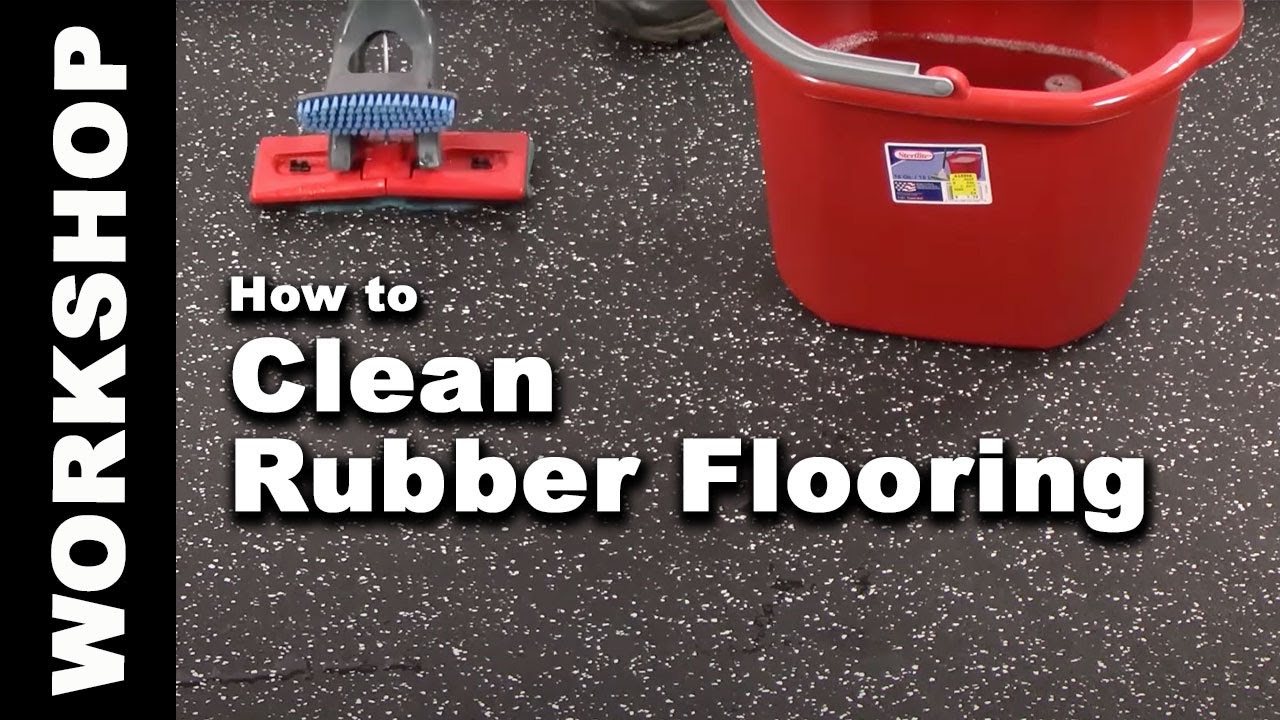
Brooms are great for collecting loose dirt. A soft-bristle broom is best for rubber floors. It avoids scratches. Mops clean leftover dust. Use a damp mop for better results. Avoid soaking the floor. Too much water harms rubber.
Vacuum cleaners suck up dirt fast. Choose a vacuum with a soft brush. It protects the floor surface. Avoid using beater bars. They can damage rubber floors. Regular vacuuming keeps floors clean and tidy.
Soft scrub brushes remove tough stains. Use them gently on rubber floors. Hard bristles can scratch. Wet the brush before scrubbing. This helps in removing stains. Always rinse after scrubbing.
Effective Cleaning Solutions
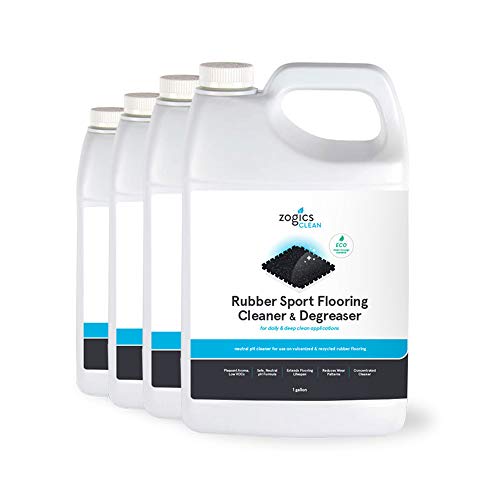
Commercial cleaners are made for rubber flooring. They clean deeply and safely. Always pick a cleaner made for rubber. Read labels before buying. Follow the instructions on the bottle. Use a mop or cloth to apply. Rinse with water after cleaning. This keeps the floor shiny and fresh.
Homemade solutions are cheap and easy. Mix warm water with mild soap. Use a soft mop or sponge. Scrub gently to avoid damage. Rinse with clean water. Let the floor air dry. Vinegar can help too. Mix equal parts of water and vinegar. It cleans and kills germs. This keeps your rubber floor in top shape.
Routine Cleaning Steps
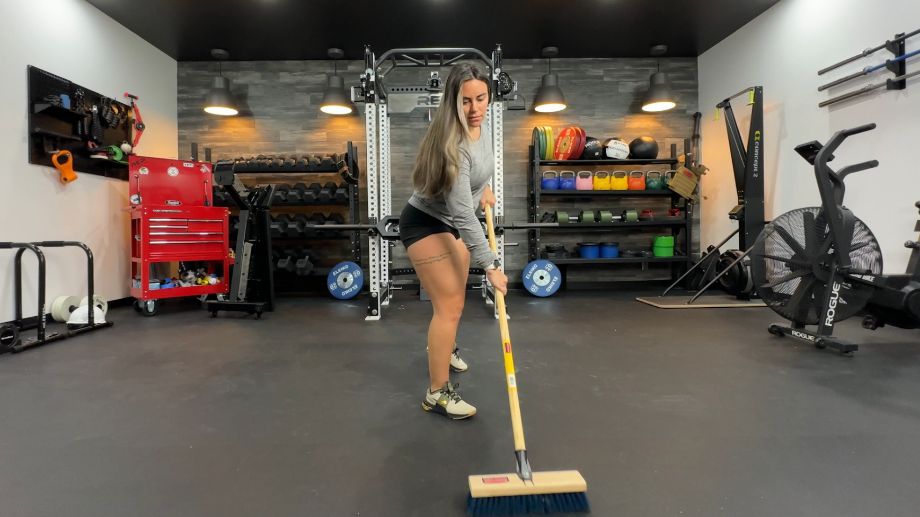
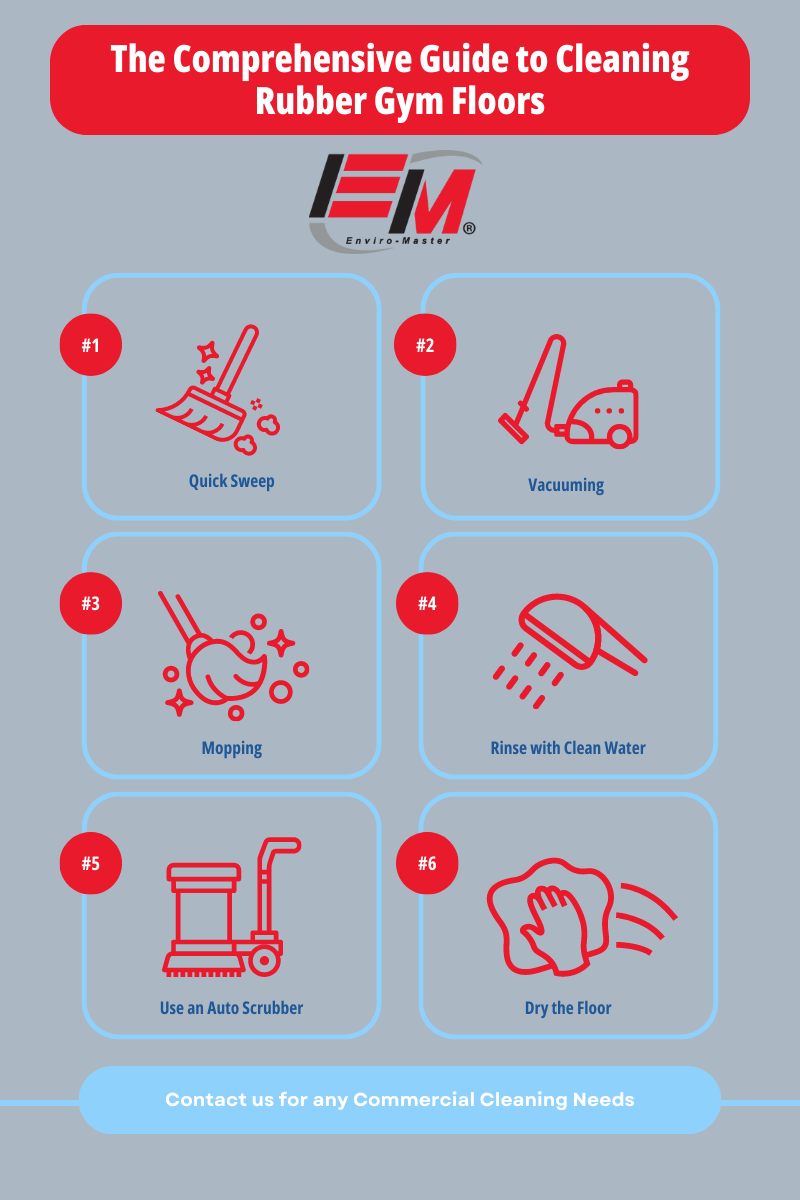
Start with a soft broom or vacuum. This removes loose dirt and dust. Rubber flooring needs gentle care. Avoid harsh brushes. They can scratch the surface. A vacuum with a brush attachment works best. It reaches corners and edges. Regular sweeping keeps floors clean and safe. Dust can make floors slippery. Safety is important.
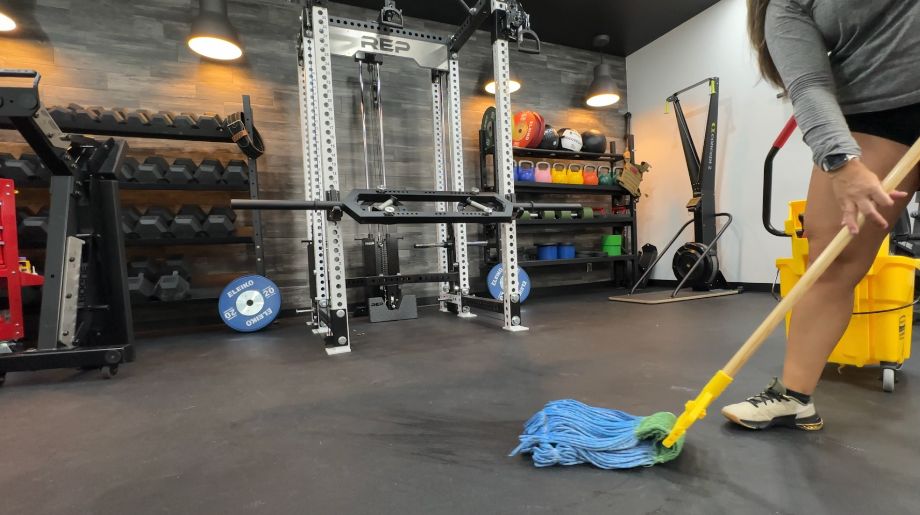
Use warm water and mild soap. Harsh chemicals can damage rubber. Damp mopping is best. Wet mopping can cause damage. Rinse the mop often. This prevents dirt spread. Squeeze excess water from the mop. Avoid puddles on the floor. They can harm the rubber. Dry the floor well after mopping. This keeps it looking new.
Deep Cleaning Process
Rubber floors often get stains. Spot cleaning helps remove these. Use a soft cloth or sponge. Dip it in warm, soapy water. Gently rub the stain. Avoid harsh scrubbing. It can damage the floor. If the stain is stubborn, try vinegar. Mix one part vinegar with three parts water. Apply it to the stain and wait. Rinse with clean water. Dry the area with a towel. This method is simple and effective.
Floor scrubbers clean large areas fast. Use them on rubber floors. Choose a soft brush attachment. Hard brushes can harm the floor. Fill the scrubber with mild detergent. Follow the machine’s instructions. Move the scrubber gently. Avoid pressing too hard. This ensures a thorough clean. Wipe any leftover detergent with a damp cloth. Let the floor dry completely. Using a scrubber saves time.
Preventive Maintenance Tips
Sweeping your rubber floor is very important. Use a soft broom. This helps remove dirt and debris. Do this every day. A clean floor lasts longer. It also looks nice. Sweeping helps avoid scratches. These scratches can damage the floor. Keep your floor looking new.
Rubber floors are tough. But some chemicals can harm them. Avoid using bleach or strong cleaners. These can make the floor dull. Use mild soap and water instead. This will keep the floor shiny. Safe cleaners are best for rubber. They keep the floor in good shape.
Place mats at all entrances. This helps trap dirt. Mats protect the floor from heavy items. Use mats in high-traffic areas. Mats reduce wear and tear. They also keep the floor clean. Choose mats made for rubber floors. These are safe and work well.
Addressing Common Issues
Tackling rubber flooring messes starts with sweeping away dirt or debris. A mild detergent mixed with warm water works well for cleaning. Avoid using harsh chemicals to maintain the rubber’s quality and appearance.
Removing Scuff Marks
Scuff marks can make rubber floors look messy. To remove them, use a soft cloth. Add a small amount of mild soap and water. Gently rub the mark until it fades away. Make sure to avoid harsh chemicals. They can damage the floor. If the mark is stubborn, try a pencil eraser. Rub it gently over the mark. This often helps to clear it.
Handling Discoloration
Discoloration on rubber floors is common. Use a mix of baking soda and water. Make a thick paste. Apply it to the discolored area. Let it sit for 10 minutes. Use a soft brush to scrub gently. Rinse with clean water. Ensure the floor is dry afterwards. Sunlight can fade rubber floors. Keep blinds closed during peak sun hours. This helps maintain the floor’s color.
Safety Precautions
Rubber floors can be slippery when wet. Use a dry mop to remove water. Walk slowly on wet floors. Wear shoes with good grip. Keep an eye out for signs of slipperiness.
Cleaning products can smell strong. Keep windows open for fresh air. Fans help move air around. Avoid breathing in strong smells. Stay in a well-ventilated area. This keeps you safe and healthy.
Frequently Asked Questions
How Often Should I Clean Rubber Flooring?
Rubber flooring should be cleaned regularly, ideally once a week. Frequent cleaning prevents dirt buildup and extends its lifespan. Use a mild detergent and warm water for routine cleaning. Avoid harsh chemicals that could damage the floor’s surface. Regular maintenance ensures a clean and safe environment.
What Is The Best Cleaner For Rubber Floors?
The best cleaner for rubber floors is a pH-neutral detergent. This type of cleaner protects the flooring and maintains its durability. Mix the detergent with warm water for effective cleaning. Avoid using acidic or alkaline cleaners, which can harm the floor.
A soft mop is recommended for application.
Can I Use Bleach On Rubber Flooring?
No, bleach is not recommended for rubber flooring. It can cause discoloration and damage the material. Instead, opt for a mild soap and water solution. This maintains the floor’s appearance and integrity. Always check the cleaning product label for compatibility with rubber surfaces.
How Do I Remove Stains From Rubber Flooring?
Remove stains by using a mixture of vinegar and water. Apply the solution with a cloth to the stained area. Gently scrub until the stain lifts. Rinse with clean water and dry the area thoroughly. Regular stain removal keeps rubber floors looking pristine and well-maintained.
Conclusion
Cleaning rubber flooring is simple with the right steps. Regular maintenance keeps it looking fresh. Start by sweeping to remove debris. Use mild soap and water for stubborn stains. Avoid harsh chemicals that can damage the surface. Dry the floor completely after cleaning.
This prevents mold and mildew. A clean rubber floor enhances safety and appearance. Follow these tips for a tidy and durable space. With proper care, your rubber flooring lasts longer. Enjoy a clean, beautiful floor that stands the test of time.
Keep it shining with these easy steps.