
Are you tired of those pesky germs and stains lingering on your beautiful laminate floors? You’re not alone.
Many people struggle with keeping their floors spotless and germ-free. But don’t worry, you’ve come to the right place. Disinfecting laminate floors may seem tricky, but it’s easier than you think. Imagine walking into a room where the floors not only look immaculate but are also truly clean.
This guide will give you the simple steps to achieve that level of cleanliness. Ready to discover the secrets to a healthier home? Let’s dive in and transform your floors into a pristine haven.
Why Disinfecting Laminate Floors Matters
Keeping laminate floors clean is very important. Germs can make us sick. Disinfecting helps remove these germs. Not cleaning them can lead to dirt buildup. Floors can get stained and damaged. Regular cleaning keeps floors shiny and new. It also keeps your home healthy. Bacteria and germs can spread diseases. Especially if there are kids or pets. Clean floors make a safe space. Disinfecting also helps with allergies. Dust and mold are reduced with cleaning. It is essential for a clean home environment.
Choosing The Right Cleaning Products
Laminate floors need gentle care. Vinegar and water are safe. Mix them to clean floors. Another choice is rubbing alcohol. It cleans without harm. Always use a soft cloth. Keep floors shiny and new.
Stay away from bleach. It can damage the floor. Ammonia is bad too. It dulls the shine. Always read labels. Ensure products are laminate-friendly. Safety first for your home.
Tools For Effective Cleaning
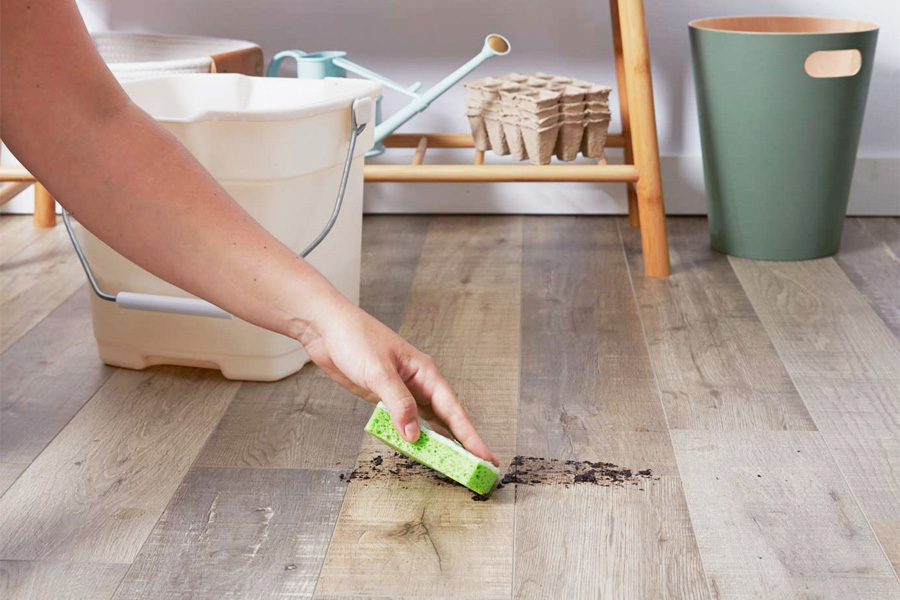
Having the right tools makes cleaning easier. A microfiber mop is very useful. It picks up dirt without scratching. Buckets hold water for rinsing. A soft broom sweeps loose dirt away. Sponges help in spot cleaning. Use clean cloths to dry the floor. All these tools are needed for a spotless floor.
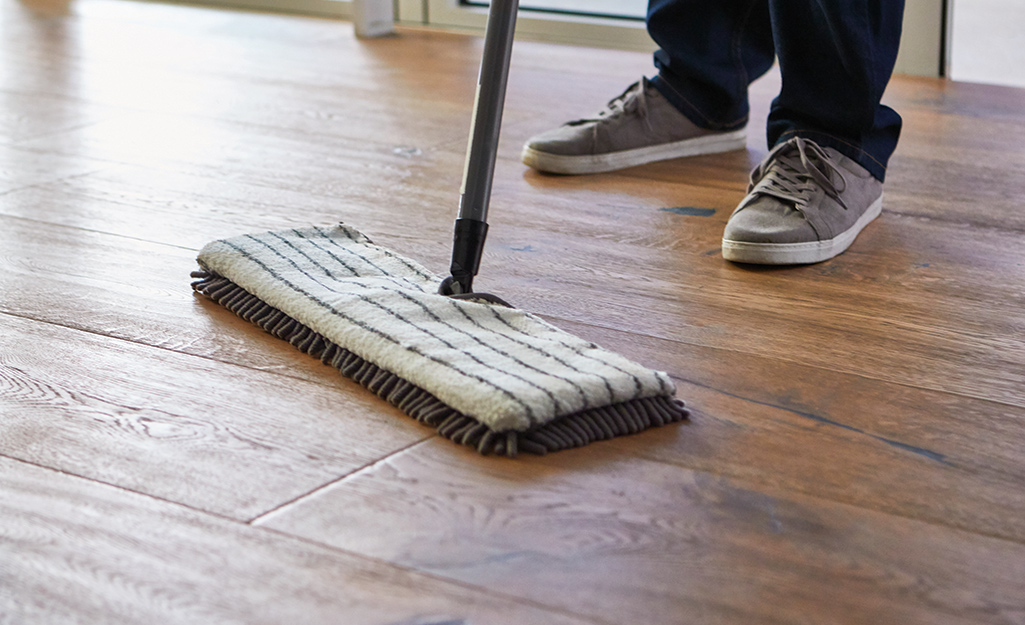
Microfiber mops are gentle on floors. They clean without leaving marks. Wet the mop with warm water. Squeeze out the extra water. Move the mop back and forth on the floor. This removes germs and dirt. Rinse the mop often in clean water. Keep the floor fresh and clean.
Step-by-step Cleaning Process
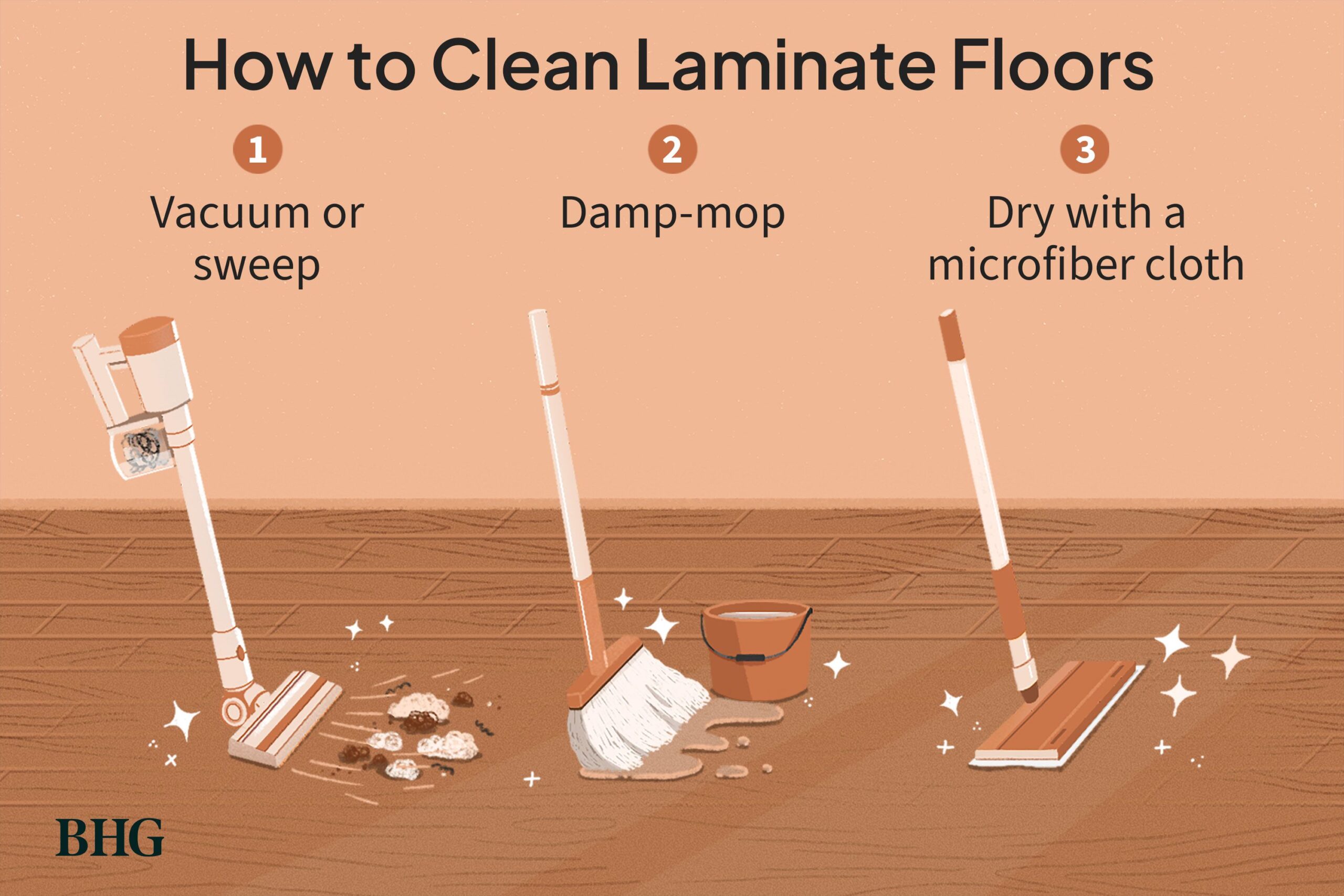
Start by removing all loose dirt and dust. Use a soft broom or a vacuum cleaner. Make sure the vacuum is set to a low setting. This avoids scratching the floor. Next, check for any spots or stains. Use a damp cloth to wipe them away. A clean surface is important for disinfecting.
Select a safe disinfectant for laminate floors. Look for products with neutral pH. Mix the disinfectant with water as instructed. Use a microfiber mop to apply the solution. Mop the floor gently and evenly. Do not soak the floor. Excess moisture can damage laminate.
After mopping, let the floor air dry. Open windows for better air flow. You may use a fan to speed up drying. Once dry, check for any missed spots. Use a clean cloth for touch-ups. Ensure no water is left on the floor. This prevents damage and keeps the floor shiny.
Common Mistakes To Avoid
Water can damage laminate floors. Too much water can seep into the seams. This makes the floor swell or warp. Use a damp mop instead of a soaking wet one. Always dry the floor after mopping. This keeps it safe and looking nice.
Abrasive tools can scratch the floor’s surface. Never use steel wool or harsh brushes. Choose a soft cloth or a gentle mop. This helps to keep the floor smooth and shiny. Scratches make the floor look old and worn. Avoid them to maintain beauty.
:max_bytes(150000):strip_icc()/Clean-and-shine-laminate-floors-1901095_color_rev-abc64efd91b04527a0f077f8af9634cb.jpg)
Maintaining Clean Laminate Floors
Keeping your laminate floors clean is easy with a regular schedule. Sweep the floors every few days to remove dust. Use a soft broom to avoid scratches. Once a week, mop the floor with a damp cloth. Make sure it is not too wet. Too much water can damage the floor. Use a mild cleaner that is safe for laminates.
Place doormats at all entries to catch dirt. This helps keep floors clean. Encourage family to remove shoes indoors. High heels can damage the floor. Use furniture pads under tables and chairs. They prevent scratches. Keep pet nails trimmed. Long nails can scratch the floor. These simple steps help maintain your beautiful laminate.
Addressing Stubborn Stains
Techniques for Tough Spots are important to know. Use a soft cloth for stains. Dampen it with warm water. Gently rub the spot. Avoid scrubbing too hard. This may scratch the floor. A mix of vinegar and water can help. Use it for tougher stains. Always test on a small area first. Ensure it doesn’t damage the finish.
When to Seek Professional Help is crucial to understand. Some stains are too stubborn. They need expert care. If the stain doesn’t go away, call a professional. They have the right tools. They know the best techniques. Keep your floors safe and clean.
Safety Tips For Disinfecting
Disinfect laminate floors safely by using a soft cloth and gentle cleaner. Avoid harsh chemicals or excess water. Dry floors thoroughly to prevent damage.
Protecting Yourself
Wear gloves to keep your hands safe. Gloves stop chemicals from touching your skin. A face mask is also helpful. It keeps you from breathing in strong smells. Choose clothes that cover your arms and legs. Long sleeves and pants work well. This keeps cleaners off your skin. After cleaning, wash your hands well. Soap and water are best. This keeps you safe from germs.
Ensuring A Safe Environment
Open windows to let fresh air in. Fresh air moves away any chemical fumes. Keep pets and kids away when you clean. This stops them from touching wet floors. Wet floors can be slippery. Always mop up spills quickly. This prevents accidents. Use a clean mop for cleaning. A clean mop helps avoid spreading germs around.
Frequently Asked Questions
How Often Should I Disinfect Laminate Floors?
Disinfect laminate floors every one to two weeks, depending on foot traffic. Regular cleaning prevents the buildup of germs and dirt. For high-traffic areas, consider disinfecting more frequently. Always follow the manufacturer’s guidelines to maintain the floor’s integrity.
Can I Use Vinegar To Disinfect Laminate Floors?
Yes, vinegar is a safe disinfectant for laminate floors. Mix equal parts of water and white vinegar. Damp mop the floor with this solution. Avoid oversaturating the floor to prevent damage. Vinegar effectively removes bacteria without harming the laminate surface.
What Disinfectant Is Safe For Laminate Flooring?
Use a pH-neutral disinfectant specifically designed for laminate floors. These products clean effectively without causing damage. Avoid using bleach or ammonia-based cleaners as they can harm the floor’s finish. Always read the product label for compatibility with laminate surfaces.
Is Steam Cleaning Safe For Laminate Floors?
Steam cleaning is not recommended for laminate floors. The moisture can seep into the seams and cause swelling or warping. Instead, use a damp microfiber mop for cleaning. Always follow the manufacturer’s care instructions to prevent damage and maintain the floor’s appearance.
Conclusion
Disinfecting laminate floors keeps your home healthy and clean. Choose safe cleaning products for your floors. Avoid harsh chemicals. Follow simple steps for effective cleaning. Sweep or vacuum first to remove dirt. Use a gentle mop with a disinfectant solution.
Ensure the floor dries completely to prevent damage. Regular cleaning prevents germs from spreading. Maintain your floors by cleaning spills quickly. Keep the laminate looking new and fresh. Clean floors boost overall home hygiene. Practice these tips regularly for a cleaner living space.
Enjoy the comfort of a sparkling, germ-free floor every day!