
Imagine stepping into a room where every step you take feels just right. That’s the magic of a well-laid laminate floor.




But have you ever wondered what makes it so perfect? What lies beneath the surface to ensure your floor not only looks great but also lasts for years to come? If you’ve ever asked yourself, “What goes under laminate flooring?
” You’re in the right place. Knowing what’s under your laminate is crucial for the overall comfort and durability of your floor. You’ll discover the essential layers that provide the foundation for your beautiful new floors. Get ready to learn how the right underlayment can make all the difference in your home, enhancing warmth, noise reduction, and even the lifespan of your flooring. Stick around to uncover the secret to achieving the perfect floor that everyone will admire.
Subfloor Preparation
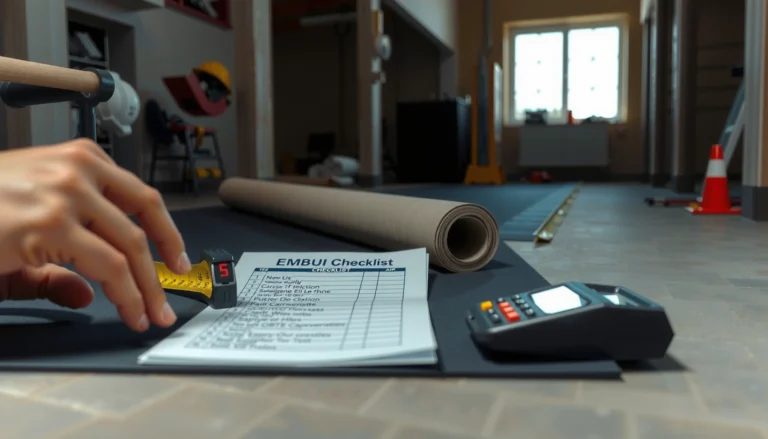
Make sure the subfloor is clean before installation. Sweep away dust and dirt. Use a vacuum for small particles. A clean floor helps laminate stick well. Check the floor for bumps. If there are any, use a scraper or sandpaper. This makes the floor smooth. A smooth floor makes the laminate even. Uneven floors can cause problems later.
Check for moisture in the subfloor. Moisture can harm laminate flooring. Use a moisture meter to test. High moisture levels are bad. If moisture is high, fix it first. You can use a dehumidifier. A dry subfloor keeps laminate safe. Protect your floor from water damage.
:max_bytes(150000):strip_icc()/underlayment-for-laminate-flooring-1822245_01-cad66fe5f1ab47b28c30a7d9ccfb702c.jpg)
Underlayment Options
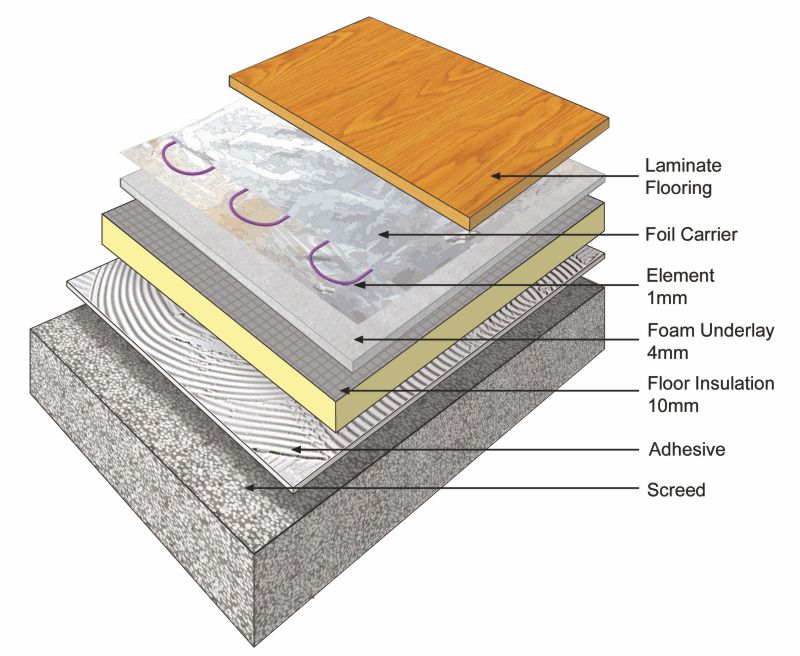
Foam underlayment is a popular choice. It is lightweight and easy to install. This option reduces noise and provides a smooth surface. It’s perfect for homes with kids or pets. Foam also offers some moisture protection. It’s good for areas that may get damp.
Cork underlayment is a natural and eco-friendly option. It provides excellent sound insulation. Cork is also great for thermal insulation. It keeps your floor warm in winter. Cork underlayment is also mold and mildew resistant. This makes it a good choice for humid areas.
Rubber underlayment is durable and strong. It provides the best soundproofing. Rubber can handle a lot of weight. This makes it ideal for heavy furniture. It also offers great moisture resistance. Rubber is a bit more expensive but worth the investment.
Moisture Barriers
Vapor barrier sheets keep floors safe from water. They stop moisture from coming up through the ground. This is very important. Wetness can damage floors. Sheets are laid down first. They cover the whole area. They create a protective layer. This keeps your floor dry. It also helps to make floors last longer.
Combination underlayment has more than one job. It provides a cushion under the floor. It makes walking on the floor softer. It also helps with sound. It reduces noise from footsteps. Some underlayment also has moisture control. This adds extra protection. It helps in keeping the floor dry. This makes it a good choice for many homes.
Soundproofing Solutions
Acoustic underlayment helps reduce noise. It’s placed under laminate flooring. This layer absorbs sound from footsteps. It makes homes quieter. The material is soft and dense. This helps in dampening sound.
Impact noise comes from footsteps or dropping things. Underlayment reduces this noise. It protects your peace. Many types of underlayment exist. Choose one that suits your needs. Foam and cork are popular. Both are good at reducing impact noise.
Thermal Insulation
Underlayment helps keep floors warm. It stops cold from coming up. This makes walking on floors comfy. It’s like a blanket for the floor. Always choose good underlayment for warmth.
Good underlayment saves energy. It keeps heat in during winter. This helps lower the heating bills. Less energy used means more savings. It’s good for the planet too. Strong underlayment means better energy use.
:max_bytes(150000):strip_icc()/laminate-flooring-underlayment-1314969-hero-3894e0b403fb4e59a87a076e3da9914f.jpg)
Installation Tips
Consider using underlayment for smooth laminate flooring installation. It provides cushioning and soundproofing. Moisture barrier is crucial in damp areas to protect the flooring.
Seam Alignment
Aligning seams properly is crucial. Uneven seams can cause problems. They may make the floor look bad. Begin by laying the first row carefully. Ensure each plank fits snugly. Use spacers for equal gaps. Check every joint to be tight. This helps the floor stay strong. Avoid placing seams in high-traffic areas. It reduces wear and tear.
Cutting Techniques
Use the right tools for cutting. A utility knife works well. Measure twice, cut once for accuracy. Always cut on the waste side of the line. This prevents mistakes. A jigsaw is good for curves. Keep blades sharp for neat cuts. Wear safety goggles to protect eyes. Clean dust regularly for a clear view.
Common Mistakes
Moisture can harm laminate flooring. It can make the floor swell or warp. Always check for moisture before installing. Use a moisture barrier if needed. This keeps the floor safe and dry. Moisture barriers are easy to put down. They are like a plastic sheet.
Basement floors often have more moisture. Check these areas very carefully. Proper moisture checks save money and time later. Floors last longer with the right care.
The subfloor must be flat and clean. Any bumps can cause problems. They can make the floor uneven. Clean the subfloor of dust and debris. This helps the laminate lie flat.
A good subfloor makes a big difference. It helps the floor last longer. Always fix subfloor issues before laying laminate. Proper checks prevent future problems.
Frequently Asked Questions
What Is The Best Underlayment For Laminate Flooring?
The best underlayment depends on the subfloor and room conditions. Foam underlayment is common for its cushioning effect. For moisture-prone areas, a vapor barrier underlayment is recommended. Cork underlayment offers sound insulation and eco-friendly benefits. Choose based on your specific needs and budget.
Can You Install Laminate Without Underlayment?
Installing laminate without underlayment is not recommended. Underlayment provides cushioning, sound insulation, and moisture protection. It helps reduce wear and tear, extending flooring lifespan. Without it, the laminate may be noisy and uncomfortable to walk on. Always consider the benefits of underlayment before installation.
Does Laminate Underlayment Need A Moisture Barrier?
A moisture barrier is essential for laminate flooring in humid areas. It prevents moisture from damaging the flooring. Underlayment with an integrated moisture barrier is ideal for basements and kitchens. It protects against mold and warping. Evaluate your room’s humidity level before choosing underlayment.
Is Cork Underlayment Good For Laminate Floors?
Cork underlayment is a popular choice for laminate floors. It offers excellent sound insulation and thermal properties. Cork is eco-friendly and provides a comfortable walking surface. It’s suitable for various subfloors but less effective against moisture. Consider room conditions when selecting cork underlayment.
Conclusion
Choosing the right underlayment is crucial for laminate flooring success. It ensures durability and comfort. Consider moisture levels and insulation needs. Soundproofing options can enhance peace in your home. Don’t forget to check compatibility with your subfloor. Proper preparation leads to a smoother installation process.
Remember, each layer plays a vital role. The right choice can make your space feel more inviting. Be sure to consider your specific needs before purchasing materials. With these tips, you’re ready to create a stunning floor. Enjoy your new laminate flooring experience!