
Have you ever wondered why many Japanese people choose to sleep on the floor? This unique practice might surprise you, especially if you’re used to plush beds and thick mattresses.




But there’s more to it than meets the eye. Imagine waking up refreshed, with fewer backaches and a greater sense of well-being. Intrigued? You’re about to discover the secrets behind this age-old tradition and how it might just transform your sleep experience.
Prepare to dive into a world where simplicity meets comfort, and the floor becomes your new favorite sleeping spot. Are you ready to uncover why Japanese floor sleeping might be the key to a better night’s rest? Keep reading to find out!

Historical Context Of Floor Sleeping
Japanese people have slept on the floor for many years. This tradition began in ancient times. Families would place thin mattresses on the ground. These were called futons. Sleeping on the floor kept people cool. It also saved space in small homes.
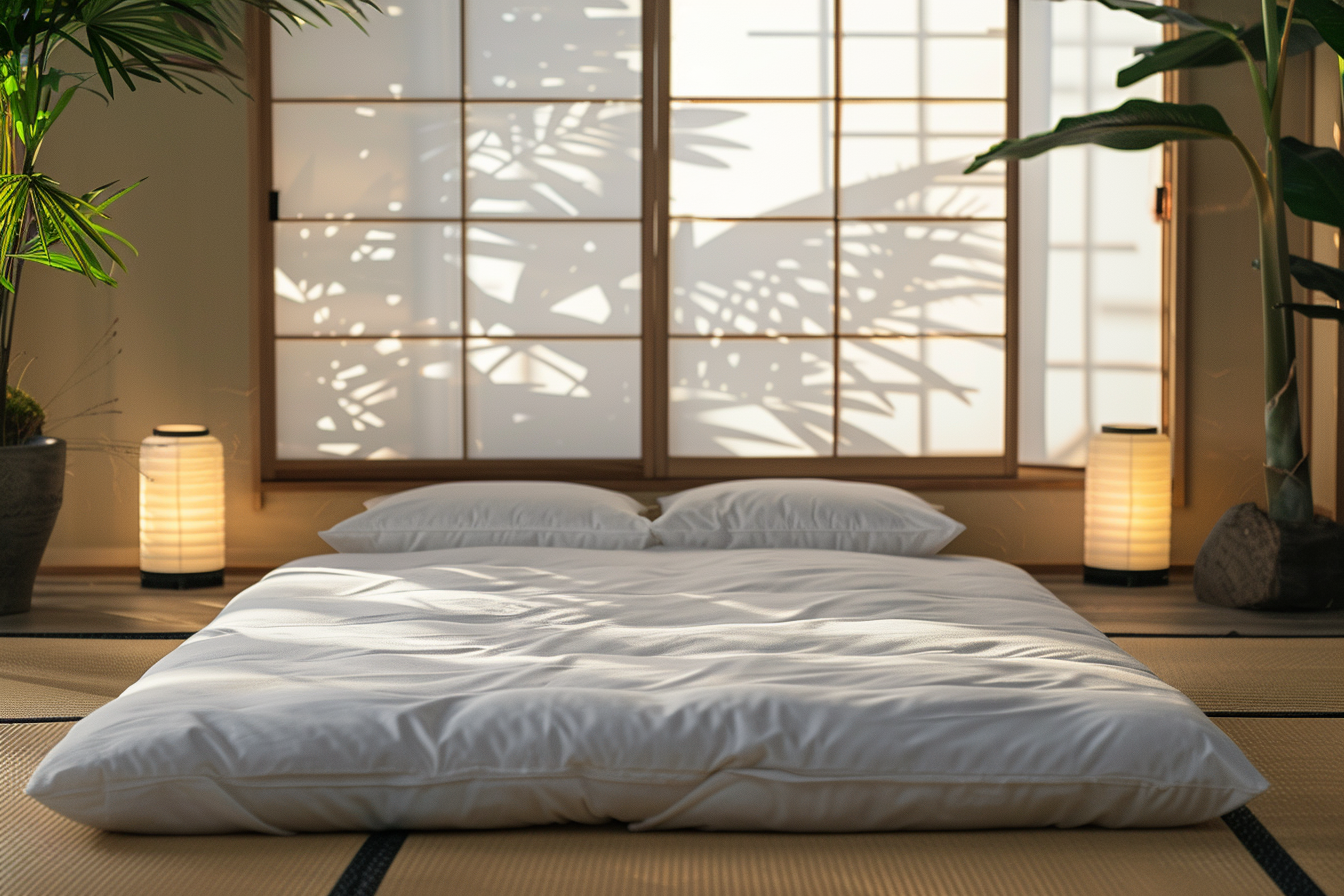
Tatami mats are thick mats made of straw. They cover the floors of many Japanese homes. Tatami mats feel soft under feet. They are great for sleeping. The mats are also very clean. They are easy to wipe and keep tidy. People lay futons on tatami mats. This makes the floor comfortable for sleeping.

Modern Japanese Sleep Habits
Many people in Japan live in small apartments. Space is limited in cities. Sleeping on the floor is common. It saves space for other things. Futons are thin mattresses that can be folded. They are easy to store. This makes rooms more flexible for different uses.
Some Japanese families use Western beds. They prefer beds for comfort. Beds are becoming more popular. But they take up more space. This can be a problem in small homes. So, some people use both beds and futons. They choose based on room size and personal preference.
Benefits Of Floor Sleeping
Floor sleeping can help your back stay straight. This way, your spine feels better. It might also help your posture improve. Lying on a firm surface can be good for your body. It keeps your bones in line. Soft beds can sometimes hurt your back. But the floor keeps you steady and strong.
Sleeping on the floor can save a lot of room. Futons or mats can be rolled up. This means more space to play or work. Small rooms feel bigger without big beds. It’s like magic! You have more space to move around. And when guests come over, you can quickly make space.

Cultural Significance
Japanese people often sleep on the floor. This tradition has deep spiritual roots. Sleeping close to the earth is considered grounding. It connects them to nature and provides a sense of peace. Some believe it brings balance and harmony to life. Rituals around sleeping are important. They include cleaning and preparing the space. This shows respect for the sleeping area. It’s a time for reflection and meditation.
Sleeping on the floor has practical benefits. It saves space in small homes. This is important in Japan where space is limited. The floor is easy to clean. It helps keep homes tidy. People use tatami mats for comfort. Mats are soft and supportive. They help with good sleep posture. This can improve health. Sleeping on the floor also creates a simple lifestyle. It encourages minimalism and simplicity.
Comparison With Western Sleeping Practices
Japanese people often sleep on tatami mats with a futon. Tatami mats are soft yet firm. They offer a unique balance of comfort and support. Western beds are usually soft and bouncy. They have thick mattresses. Some people find them more comfortable. Others prefer the firm feel of tatami.
Sleeping on the floor may help align the spine. It provides natural support. Some say it reduces back pain. The choice depends on personal comfort. Each person has different needs. Both styles have their own benefits.
Japanese culture values simplicity and minimalism. Sleeping on the floor reflects these values. It saves space. Rooms can have multiple uses. Western cultures prefer plush beds. They often have large bed frames. This shows a preference for luxury.
Traditions play a big role in these choices. Japanese people often follow customs. Westerners may prioritize comfort over tradition. Both cultures have rich histories. Each style is part of a lifestyle.
Floor Sleeping In Popular Culture
Japanese culture embraces floor sleeping, often using a futon on tatami mats. This traditional practice promotes better posture and aligns with minimalist living. Many believe it offers health benefits, like improved blood circulation and a better night’s sleep.
Portrayal In Media
Japanese floor sleeping is often shown in movies and TV shows. Tatami mats are common in these scenes. They give a sense of tradition and serenity. Characters are shown sleeping on soft mats. The simplicity and neatness attract viewers. It looks peaceful and relaxing.
Influence On Global Perception
Many people think sleeping on the floor is uncomfortable. Media changes this view. Shows and films make it look cozy and traditional. People get curious and want to try it. This practice becomes more popular worldwide. Some even say it’s healthier for the back.
Future Of Sleeping Traditions In Japan
Young people in Japan are changing how they sleep. Many prefer beds now. They see beds in movies and TV shows. Beds look modern and cool. They also like soft mattresses. These beds make sleep more comfortable for them. But some still choose the traditional way. Sleeping on the floor feels close to nature. It keeps the old customs alive.
Some apartments are small. Beds take up space. So, many young people use futons. Futons are easy to fold and store. This saves space and keeps rooms tidy. The choice between a bed and a futon depends on their lifestyle.
Frequently Asked Questions
Why Do Japanese Sleep On The Floor?
Japanese sleep on the floor mainly for cultural and health reasons. Tatami mats and futons are traditional bedding. They support posture and align the spine. Sleeping on the floor can also save space in small homes. It’s a long-standing tradition that many Japanese find comfortable and practical.
Is Floor Sleeping Good For Your Health?
Yes, floor sleeping can benefit your health. It encourages better posture and spinal alignment. This can reduce back pain over time. However, comfort varies by individual. Some people may need time to adjust. The firm surface can also prevent sagging, which is common in soft mattresses.
What Is A Japanese Futon Mattress?
A Japanese futon mattress is a thin, foldable bedding. It’s placed directly on the floor or tatami mat. Futons are made from cotton, wool, or synthetic materials. They are easy to store and maintain. This makes them ideal for small living spaces and promotes a minimalist lifestyle.
How Do You Maintain A Futon?
Maintaining a futon is simple and essential. Regularly air it out to prevent moisture buildup. Sun exposure helps eliminate bacteria and odors. Rotate and flip the futon frequently. This ensures even wear. Some futons may need occasional washing or spot cleaning.
Proper care extends its lifespan.
Conclusion
Japanese floor sleeping offers unique benefits and cultural insights. It encourages proper posture and supports spine health. The minimalist approach adds to room spaciousness and simplicity. Many find comfort in the natural elements of tatami mats. This tradition showcases a blend of practicality and cultural heritage.
Consider trying it for a refreshing sleep experience. Adapting new habits can broaden personal perspectives. Remember, comfort varies from person to person. Explore different sleep styles to find what suits you best. Embrace diversity in sleep practices and discover new ways to rest peacefully.