
Ever walked into a room and found an unpleasant surprise on the floor? If you’re a cat owner, you’re likely no stranger to this scenario.
But why do cats, who are usually so tidy, sometimes choose to poop on the floor? Understanding the reasons behind this behavior can help you find solutions and restore peace in your home. We’ll uncover the mystery behind your feline friend’s unexpected habits.
You’ll learn about the common triggers that may lead your cat to abandon the litter box and discover practical tips to address the issue. Dive in to ensure a happier and cleaner home for both you and your cat!
 Floor: Unraveling the Mystery”/>
Common Causes
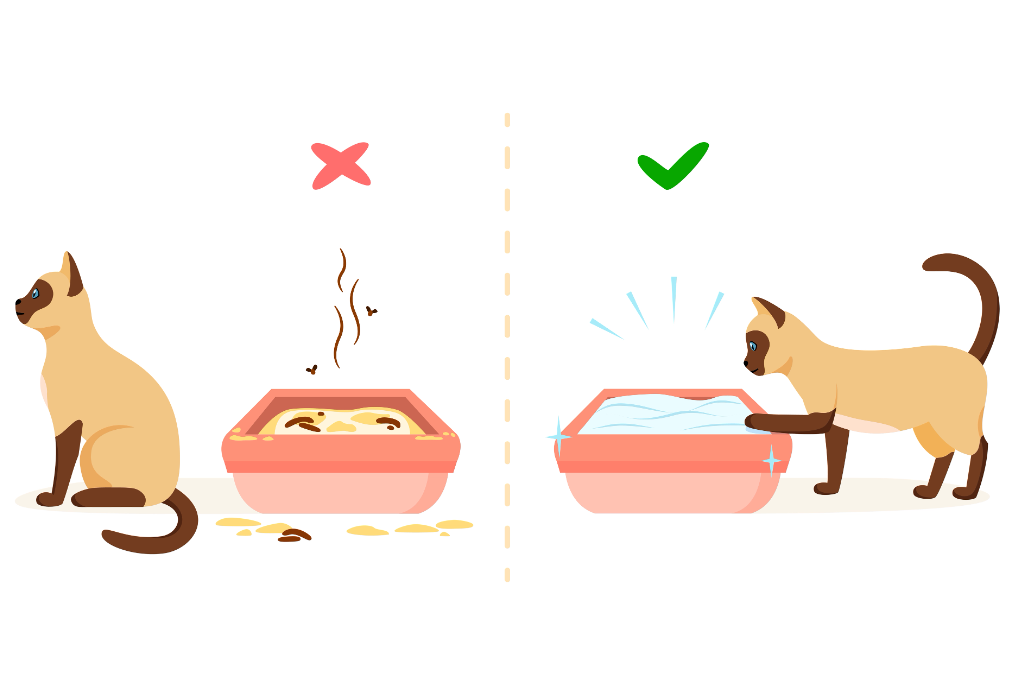
Cats need a clean litter box. They dislike dirty or smelly boxes. If the box is too small, cats might avoid it. Location matters too. A noisy place can scare them. Wrong litter type could also be a problem. Cats have preferences. Try different types to find the best one.
Cats may have health issues. These can make them poop on the floor. Diarrhea or constipation are common problems. Urinary infections can also cause this. If your cat changes behavior, visit a vet. Early treatment can help.
Stress affects cats a lot. Changes at home can upset them. New pets or people might cause anxiety. Cats need a calm environment. They feel safe and secure. Provide a quiet space for them to relax.
Behavioral Factors
Cats sometimes poop on the floor to mark their territory. This behavior helps them feel safe. They want to show other animals who is boss. Using their poop as a marker is common. They leave their scent behind. This tells other cats to stay away. It is their way of saying, “This is my space.” Having a clean litter box can help. Cats prefer a fresh place to go. If the box smells, they might look elsewhere. Understanding their need to mark is key. It helps us manage their behavior better.
Cats might poop on the floor to get your attention. They might feel ignored. Or they want more time with you. This is their way to communicate. They can’t speak, so they act out. Cats crave interaction. Playing with them can help. Show them love and care. Make time for them each day. A bored cat will find ways to entertain itself. This can lead to unwanted behaviors. Spend time with your cat to reduce these actions.
Environmental Influences
Changes in surroundings can confuse cats. They are sensitive to new smells and items. Moving furniture makes them uneasy. New carpets can change how they feel. Cats might poop on the floor because of stress. They need time to adapt to changes. A new pet can also cause distress. Cats may act out when they feel threatened. It’s important to make them feel safe.
Household Dynamics
Family changes can affect cats. New babies can be scary for them. Cats can feel ignored with new people around. They might poop on the floor to get attention. Loud noises can also scare them. Tension between family members affects cats. They feel stress from arguments or loud voices. Cats need a calm and quiet environment.
Solutions And Strategies
Make sure the litter box is clean. Cats love a clean box. Scoop the litter every day. Choose the right size. Bigger boxes are better. Place the box in a quiet spot. Cats like privacy. Use unscented litter. Some scents bother cats.
Check for signs of illness. Cats hide pain well. Visit the vet if needed. Diarrhea or constipation can be serious. Cats need regular health checks. Healthy cats have healthy habits.
Cats feel stress too. Loud noises scare them. Keep the house calm. Routine is comforting. Feed them at the same time. Play with them. It helps them relax. Happy cats use their litter box.
Training And Behavior Modification
Cats respond well to positive reinforcement. Giving treats or praise can help. Reward your cat when it uses the litter box. This makes the litter box a happy place. Always use treats your cat loves. Be patient and kind. Never yell or punish your cat. It can make things worse. Instead, focus on rewards.
Being consistent is key. Use the same routine every day. Set feeding times and stick to them. Keep the litter box clean and in the same spot. Cats need time to learn. Patience is important. Training takes time. Stay calm and keep trying. Your cat will learn with your help.
When To Seek Professional Help
Noticing your cat poops on the floor? It’s time to consult a veterinarian. They will check for health issues. Cats might have digestive problems. Sometimes, cats experience stress. This can cause strange behaviors. A vet can give the right advice. They might suggest tests or medicine. Your cat’s health is important. Don’t ignore frequent floor pooping.
Cats might need a behavioral expert. These experts help understand cats’ actions. Sometimes, cats have anxiety. Changes at home can upset them. Cats need a safe and calm place. Behavioral experts give tips to improve behavior. They help you understand your cat. This can stop the floor-pooping habit. A happy cat means a clean home.
Frequently Asked Questions
Why Do Cats Avoid The Litter Box?
Cats may avoid the litter box due to stress, illness, or dislike of the litter. Changes in environment or litter type can also be factors. It’s crucial to observe their behavior and consult a vet if necessary to ensure their health and comfort.
Can Health Issues Cause Floor Pooping?
Yes, health issues like urinary tract infections or digestive problems can cause cats to poop on the floor. If you notice sudden changes in their habits, it’s essential to consult a veterinarian. Early detection and treatment can help address underlying health concerns.
How Can I Prevent Floor Pooping?
Ensure the litter box is clean and accessible. Try different litter types and box placements. Address any environmental stressors that might affect your cat. Regular vet check-ups can also prevent health issues that lead to floor pooping.
Does Stress Affect Cat Pooping Habits?
Yes, stress can significantly impact a cat’s pooping habits. Changes in household dynamics, new pets, or renovations can create anxiety. Providing a calm, stable environment and routine can help reduce stress-related pooping issues.
Conclusion
Understanding why cats poop on the floor helps address the issue. It might be health-related or a sign of stress. Consider their litter box, location, and cleanliness. Sometimes, it’s a behavioral problem needing attention. Observing their habits gives clues. Cats communicate through actions, not words.
Patience and consistency are key. A trip to the vet may be necessary. Solving this mystery improves your pet’s comfort. Happy cats mean a happier home. Together, you and your feline friend can find a solution.