
Have you ever found yourself sitting on the floor, whether by choice or necessity, and wondered if it could actually be good for you? This simple act, often overlooked, might hold surprising benefits for your health and well-being.
Imagine a method to improve your posture, flexibility, and even your mood, all from the comfort of your living room floor. Intrigued? You should be. As you continue reading, you’ll discover how this age-old practice can enhance your daily life in unexpected ways.
By the end of this article, you might just find yourself swapping your chair for a spot on the floor, embracing a healthier and more mindful way of living. Curious to learn more? Dive in and see how sitting on the floor could be the simple change you need.

Historical Perspective
People have sat on the floor for ages. Ancient cultures often preferred floor seating. It was common in homes and gatherings. Japanese use floor mats. Indians also sit cross-legged. They find it natural and comfortable. It connects them to the earth. Chairs became popular later. Modern furniture changed habits.
Many still enjoy floor sitting. Some feel it helps posture. Others think it improves flexibility. Back pain can reduce when sitting this way. It may also strengthen leg muscles. Simple and effective. Different cultures have their reasons. Each sees benefits in their own way.
Physical Health Benefits
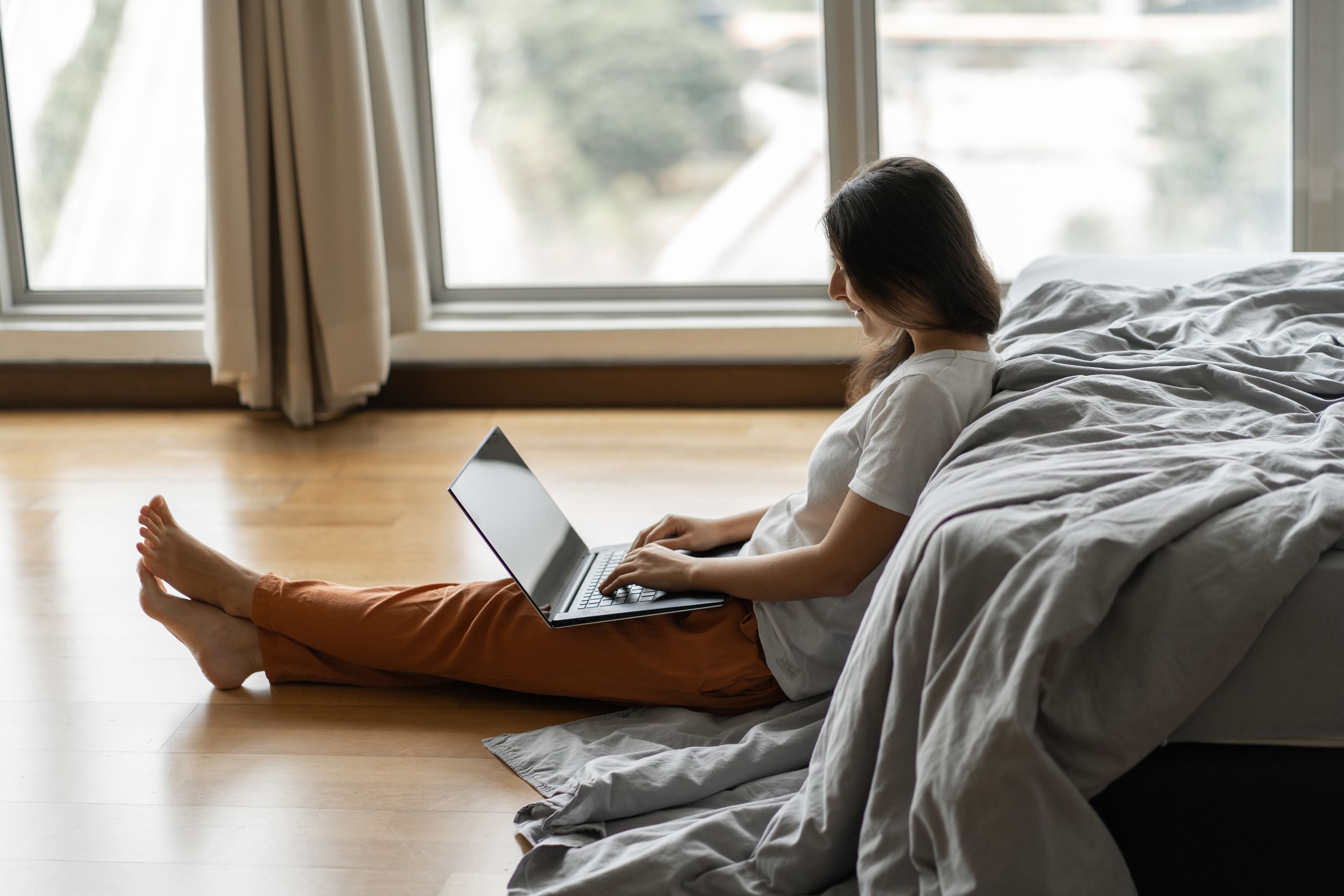
Sitting on the floor helps your body stay flexible. You stretch your legs more often. This keeps your muscles strong and healthy. Over time, you can become more limber. Your body can move with ease.
Your back can stay straight on the floor. This helps your spine. Good posture keeps your back healthy. It helps reduce pain and discomfort. You feel better and move better too.
Sitting on the floor can be good for your joints. It can help keep them strong. Knees, hips, and ankles move more. They stay active and healthy. Movement helps avoid stiffness. Your joints stay happy and flexible.
Mental Well-being
Sitting on the floor can help with mindfulness and relaxation. It makes you more aware of your body. You feel each muscle as you sit. This helps you focus on the present moment.
Many people find it calming. You might feel more connected to your surroundings. The floor is solid and stable. This can make you feel grounded. Your mind can become quieter.
Connection to grounding practices is another benefit. People who practice yoga or meditation often sit on the floor. It is a simple way to connect with the earth. This can improve your mood. It might even reduce stress. Sitting on the floor may help you find peace in your day.
Cultural Practices
In Japan, people often sit on the floor to eat. It’s a sign of respect. In India, sitting on the floor is part of yoga. It helps with flexibility and calmness. Many cultures find sitting this way comfortable. It connects them to earth and nature. People learn to sit straight. It keeps the spine healthy. Over time, they develop better posture.
Some people now use special floor chairs. These chairs have back support. They make sitting easier for long hours. Families might watch TV or play games on the floor. Offices use low desks with floor seating. These changes help with comfort and focus. Modern homes include cushions and mats. They add style and warmth to rooms.
Practical Tips
Start with short periods on the floor. Gradually increase your time. Use a cushion for support. Try sitting on a yoga mat. This makes it more comfortable. Alternate between different positions. Your body will adapt better this way.
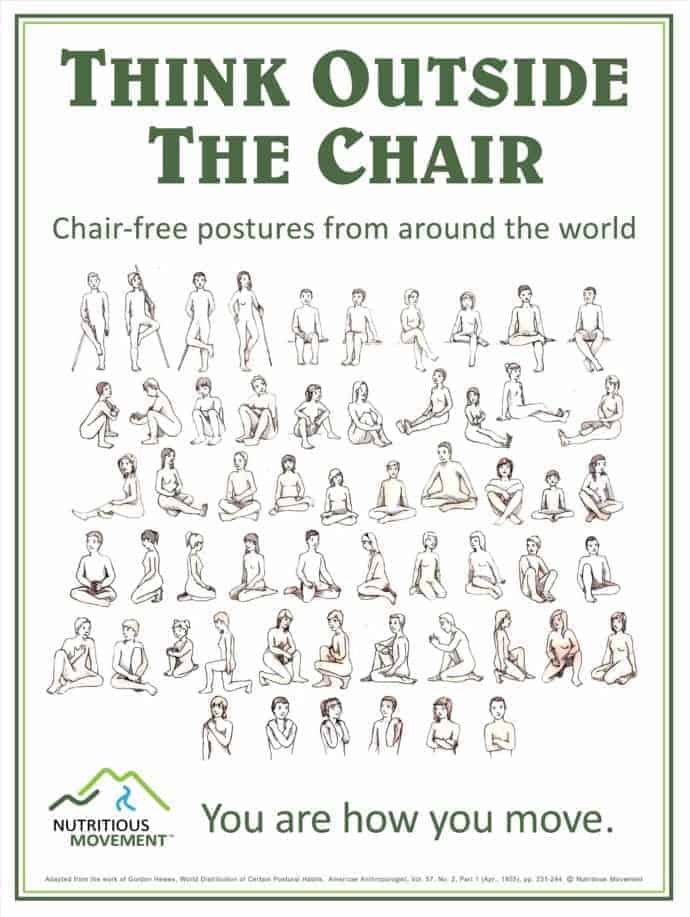
Cross-legged is a popular choice. It’s easy and relaxing. Kneeling can be comfortable too. Use a pillow for your knees. Side-sitting is another option. Place your legs to one side. Squatting is good for short periods. It stretches your muscles. Experiment with these positions. Find what suits you best.
Potential Drawbacks
Sitting on the floor can cause discomfort. Hard floors might hurt your body. It requires adaptation to get used to it. Many people find it uncomfortable at first. The body needs time to adjust. Muscles might feel sore. Joints could become stiff. Soft cushions can help ease the discomfort. They make sitting more pleasant. But, not everyone has them at home.
Some health conditions need extra care. People with arthritis may find floor sitting hard. It can cause pain in their joints. Those with back problems should be cautious. The lack of support could worsen their condition. Consult a doctor if unsure about floor sitting. Safety comes first. Everyone’s body is different. What works for one might not work for another.
Expert Opinions
Many experts believe sitting on the floor can be beneficial. It encourages better posture. Your back stays straight. This can lead to fewer back pains. Moving to sit on the floor often requires flexibility. This helps keep your body active.
Sitting on the floor can also engage your core muscles. Stronger core muscles help support the spine. It might be healthier than sitting on a chair for long. But it can be hard for some people. Especially those with knee problems.
Some people find it uncomfortable to sit on the floor. It can put pressure on knees or hips. Not everyone can do it easily. Always listen to your body. If it hurts, it might not be right for you.
Frequently Asked Questions
Is Sitting On The Floor Beneficial For Posture?
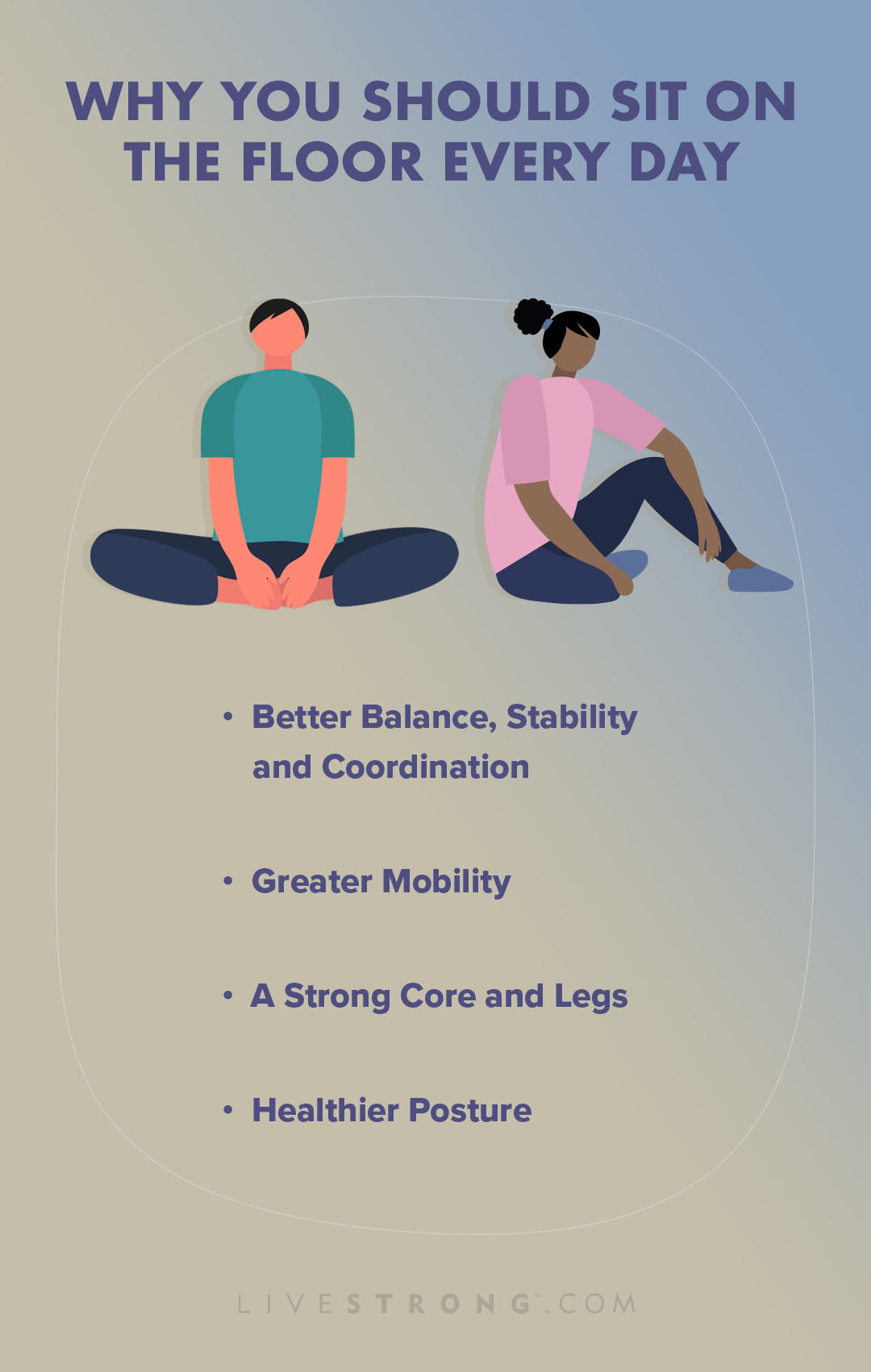
Sitting on the floor can improve posture by encouraging a natural spine alignment. It engages core muscles and promotes better flexibility. This position can reduce the risk of back pain. However, it’s important to vary positions and take breaks to prevent discomfort.
Does Sitting On The Floor Aid Digestion?
Sitting on the floor may aid digestion by promoting better posture and abdominal engagement. It can help maintain a more upright position, facilitating smoother digestion. This position encourages mindful eating and can prevent overeating. However, it should be done comfortably to avoid strain.
Can Sitting On The Floor Increase Flexibility?
Sitting on the floor can enhance flexibility by stretching hip and leg muscles. It encourages natural movement and different sitting positions, which can improve joint mobility. Regular practice can lead to increased range of motion. However, it’s essential to switch positions to avoid stiffness.
How Does Floor Sitting Affect Circulation?
Floor sitting can promote circulation by encouraging movement and preventing prolonged static postures. It allows for frequent position changes, which can enhance blood flow. However, it’s important to stand up and move regularly to prevent numbness or discomfort, especially for long durations.
Conclusion
Sitting on the floor offers surprising health benefits. It improves flexibility and posture. Your core muscles get stronger with regular practice. It’s a simple way to stay active indoors. Plus, it encourages natural movement. You might find yourself more relaxed and focused.
Try mixing floor time into your routine. Listen to your body and adjust as needed. Not everyone will find it comfortable, so go at your own pace. Remember, every small change helps your health. Explore different sitting positions for variety.
Embrace this natural habit for a healthier lifestyle.