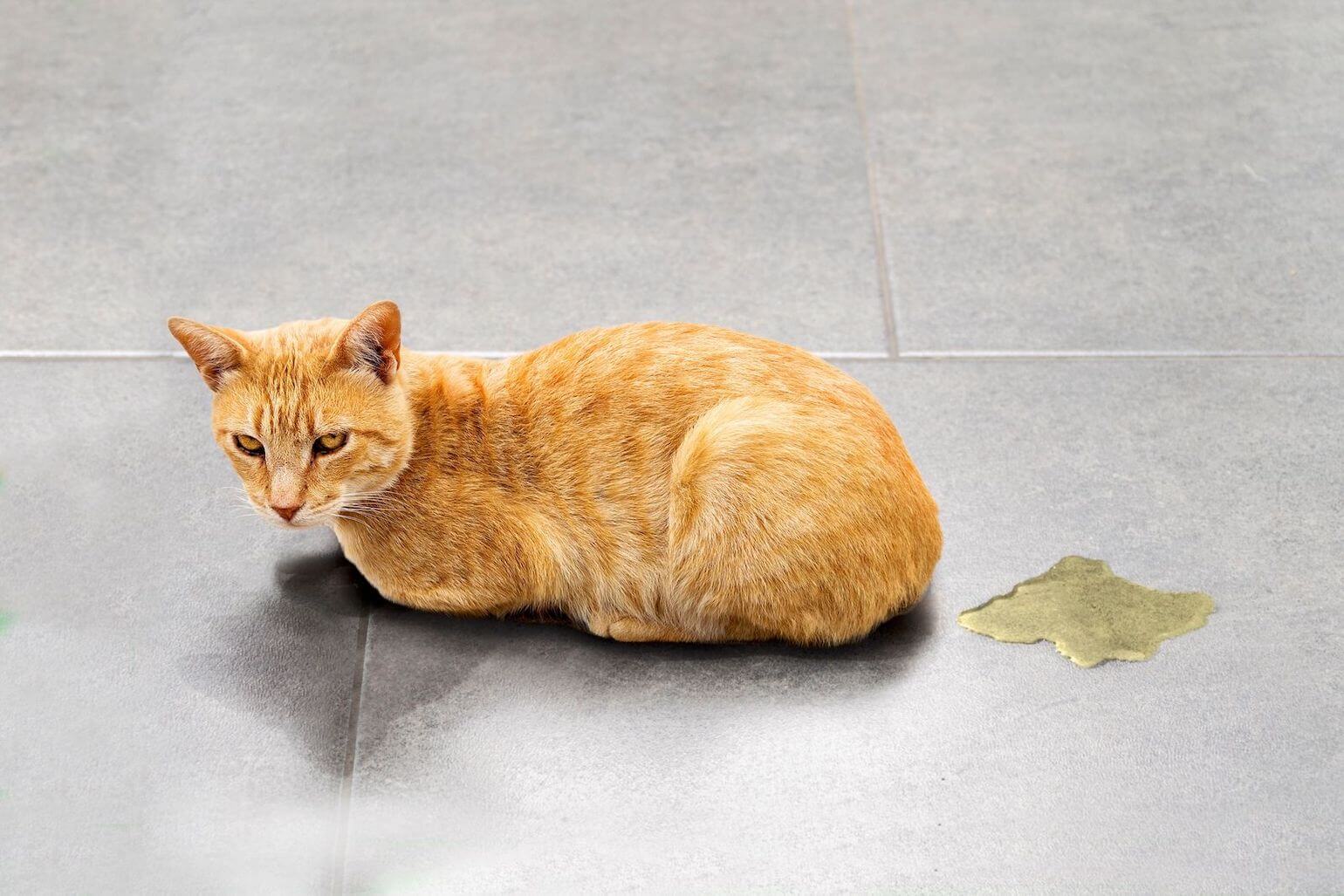

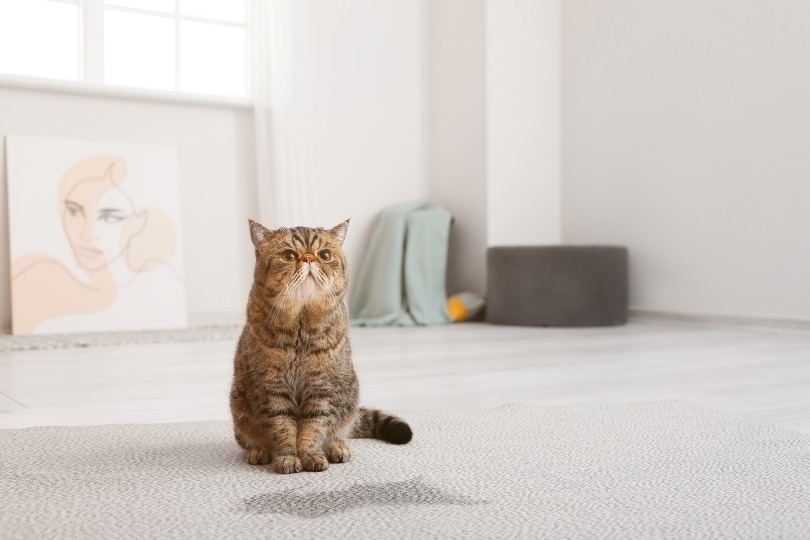
Is your feline friend turning your home into an unexpected splash zone? Discovering a puddle of cat wee on the floor is not just frustrating; it’s a cry for help from your furry companion.
You’re not alone in this perplexing predicament. Many cat owners face the same challenge, feeling puzzled and at times, overwhelmed. But fear not—understanding the reasons behind this behavior can help you restore harmony in your home. Imagine the relief of walking into a room without worrying about stepping into an unwanted surprise.
Understanding why your cat chooses the floor over the litter box is the first step. By addressing the root cause, you can foster a happier, healthier relationship with your pet. Dive into the insights we’ve gathered and transform this nuisance into an opportunity to improve your cat’s well-being and your peace of mind. Ready to find out what’s really going on? Let’s explore the reasons and solutions together.
Common Medical Issues
Cats can suffer from urinary tract infections. This makes them pee outside the litter box. They feel pain when peeing. This can cause stress and discomfort. A vet can help your cat. Treatment is often simple and effective.
Cats with kidney problems may pee more. They might avoid their litter box. This is due to discomfort. Regular vet check-ups are important. They can catch kidney issues early.
Bladder stones can block a cat’s urine flow. This causes them to pee on the floor. Stones can be painful. They need treatment by a vet. Surgery might be needed to remove stones. Early detection is key for your cat’s health.
Behavioral Causes
Cats may wee on the floor to mark their territory. This behavior helps them feel safe. They leave their scent to tell other animals to stay away. It’s common in homes with many pets. Male cats do this more often.
Changes in a cat’s home can cause stress. Stress makes them wee outside the litter box. New pets or moving can upset them. Cats need time to adjust. Even small changes can scare them. A calm home helps.
Some cats avoid the litter box. The litter may be dirty or smelly. Cats like clean spaces. They won’t use it if it’s messy. Try different litters to see what they like. A good litter box makes a happy cat.
Environmental Factors
Changes in the environment can cause cats to wee on the floor. New smells or furniture arrangements may stress them out. A quiet, familiar space helps them feel safe and use the litter box properly.
Dirty Litter Box
Cats like clean places for their needs. A dirty litter box makes them unhappy. They might choose the floor instead. Cleaning the box often is important. It helps your cat feel comfortable. Cats have a strong sense of smell. A clean box is welcoming for them.
Placement Of Litter Box
The litter box location matters a lot. It should be in a quiet spot. Busy places make cats nervous. They need peace when using their litter box. Keeping it away from noisy areas is helpful. Cats prefer privacy. This ensures they feel safe.
Changes In Household
Big changes at home can confuse cats. New people or pets might upset them. They might wee on the floor to show stress. Cats need time to adjust. Helping them feel secure is key. Offer them familiar toys and scents. It makes them relax.
Impact Of Diet
Cats need a balanced diet to stay healthy. Nutritional imbalances can make a cat feel sick. If a cat lacks the right vitamins, it may urinate more. Cats need proteins, fats, and vitamins. Without them, they might act differently. Some foods might not give the right nutrition. This can affect their mood and habits. It’s important to check what your cat eats. A vet can help choose the right food. Cats can’t tell us what they need. So, watching their diet is key.
Food allergies can change a cat’s behavior. Some cats are allergic to certain foods. Allergic reactions can cause discomfort. This might make a cat urinate outside the litter box. Common food allergies in cats include chicken, beef, and dairy. If a cat shows signs of allergies, it needs a special diet. A vet can test for allergies. This helps find the problem food. Changing the diet can help the cat feel better. It’s important to know what your cat is allergic to.
Age-related Issues
Older cats can face health problems. Their bodies change as they age. Joints might hurt, making movement hard. Cognitive issues can confuse them. They forget where the litter box is. Vision may worsen too. They miss the box sometimes. Urinary infections are common in senior cats. These infections cause pain. Your cat may avoid the box because of discomfort. Kidney issues can also lead to accidents. Proper hydration is key. Help your cat drink more water. Regular vet visits help spot problems early.
Kittens learn quickly. Training is essential. They need guidance with the litter box. Young kittens may not always aim well. Accidents happen. Their muscles are still growing. Playfulness can distract them. They forget to use the box. Curiosity leads them to explore. Sometimes they stray too far. They might not find their way back. Consistency is important in training. Show them the right spot often. Praise them when they use it correctly.
Solutions And Preventive Measures
Visit a vet to check for any health issues. Cats can have urinary infections. Such infections make them pee on the floor. Medications can help the cat feel better. A vet might suggest special food. This food can keep the cat’s bladder healthy. Regular check-ups are important. They prevent future problems.
Cats need training for good behavior. Use rewards like treats. Praise the cat when it uses the litter box. Never yell at the cat. It might get scared. A calm voice helps more. Spend time playing with the cat. It builds trust and reduces stress. Stress makes cats pee outside the box.
A clean litter box is very important. Cats like clean places. Scoop the box daily. Change the litter often. Cats prefer a quiet spot for the box. Avoid loud areas. Use a big box if the cat is large. It needs enough space. A good litter box encourages proper use.
Frequently Asked Questions
Why Is My Cat Peeing On The Floor?
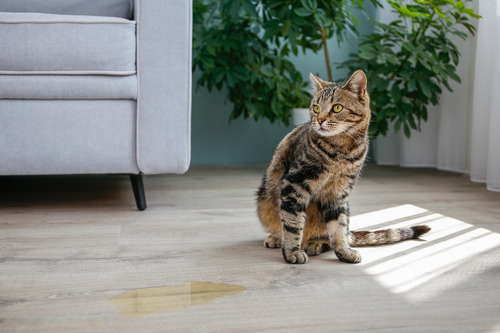
Cats may urinate on the floor due to stress, medical issues, or litter box aversion. Ensure the litter box is clean and easily accessible. Consult a vet to rule out health problems. Providing a calm environment can also help.
How Can I Stop My Cat From Peeing Outside The Litter Box?
To stop this behavior, clean the litter box regularly and ensure it’s in a quiet location. Try different types of litter to see what your cat prefers. Consider consulting a veterinarian for any underlying medical issues.
Could Stress Cause My Cat To Urinate On The Floor?
Yes, stress can cause inappropriate urination in cats. Changes in their environment or routine can trigger this behavior. Provide a stable and comforting environment to help reduce stress and prevent this issue.
What Medical Issues Could Cause My Cat To Pee Outside The Box?
Urinary tract infections, kidney disease, or bladder stones can cause this behavior. If your cat suddenly starts urinating outside the litter box, consult a veterinarian promptly to diagnose and treat any potential health problems.
Conclusion
Understanding your cat’s behavior is crucial. Cats may wee on the floor due to stress. Health issues can be another reason. Always consult a vet if problems persist. A clean litter box encourages proper use. Ensure it is accessible and in a quiet spot.
Observe your cat’s habits closely. Changes in routine can affect their behavior. Patience and care help resolve issues. Keep your home environment calm and safe. A happy cat leads to fewer accidents. Addressing the root cause is vital. Your cat deserves comfort and peace.
Respect their needs for a harmonious home.