
Have you ever walked into your garage or kitchen and noticed a stubborn oil stain on the floor that just won’t go away? It’s frustrating, isn’t it?
Not only can these stains be unsightly, but they can also pose a safety hazard. You might have tried a variety of cleaning methods, only to find the oil stubbornly clinging to your floor. But don’t worry, you’re not alone in this struggle.
Imagine transforming your space into a clean, safe, and pleasant environment once again. In this guide, you’ll discover simple and effective techniques to banish oil stains for good. Ready to reclaim your floors and restore their original beauty? Let’s dive in and explore the best ways to clean oil off your floor, ensuring a spotless and safe surface for you and your family.
Identify The Spill
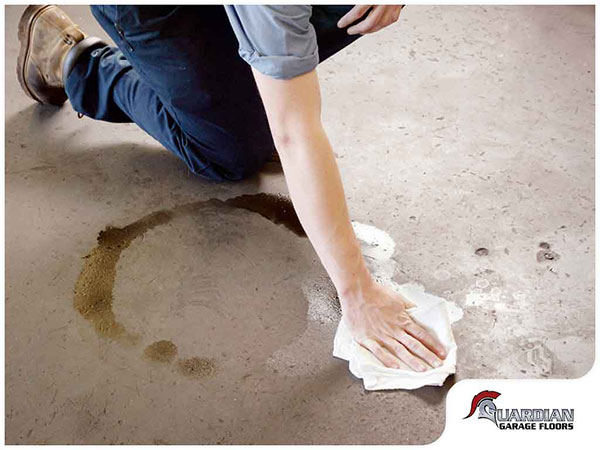
First, look at the oil spill size. Small spills are easier to clean. Big spills might need more effort. It’s important to know the spill type. Different oils need different cleaning methods. Vegetable oil and motor oil are not the same. Identify the floor type too. Is it wood, tile, or concrete? Each floor needs a special cleaning way. Knowing these things helps in choosing the right cleaning tools. Gather all cleaning supplies before starting. Use gloves to protect your hands. Safety first!
Essential Cleaning Supplies
Use absorbent materials like sand or kitty litter. They soak up oil quickly. Spread them over the spill. Wait for a few minutes. Then, sweep them away. Repeat if needed.
Choose a strong detergent for tough oil stains. Mix with warm water. Apply to the floor. Scrub with a brush. Rinse with clean water. Ensure no soapy residue remains.
Wear gloves to protect your hands. Use goggles for eye safety. Avoid slipping on the oily floor. Safety is important while cleaning.
Immediate Absorption Techniques
Kitty litter is great for soaking up oil. Spread it over the spill. Let it sit for a few hours. The litter will absorb the oil. Sweep up the litter with a broom. Dispose of it safely. This method is quick and easy.
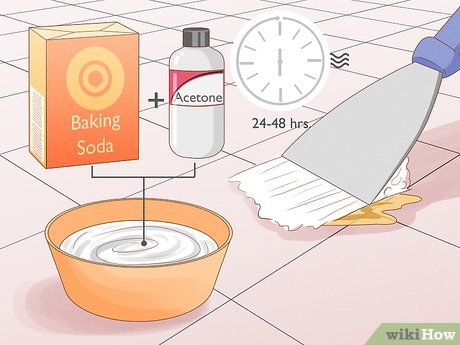
Baking soda is another good choice. Sprinkle it on the oil spot. Let it rest for 30 minutes. It will absorb the oil. Wipe it off with a cloth. Baking soda also helps with the smell. This makes it a good option.
Cornstarch can also help. Pour it over the oil spill. Leave it for one hour. It will soak up the oil. Sweep it up gently. Cornstarch is safe and easy to use. It leaves no stain behind. A simple solution for a common problem.
Scrubbing And Cleaning
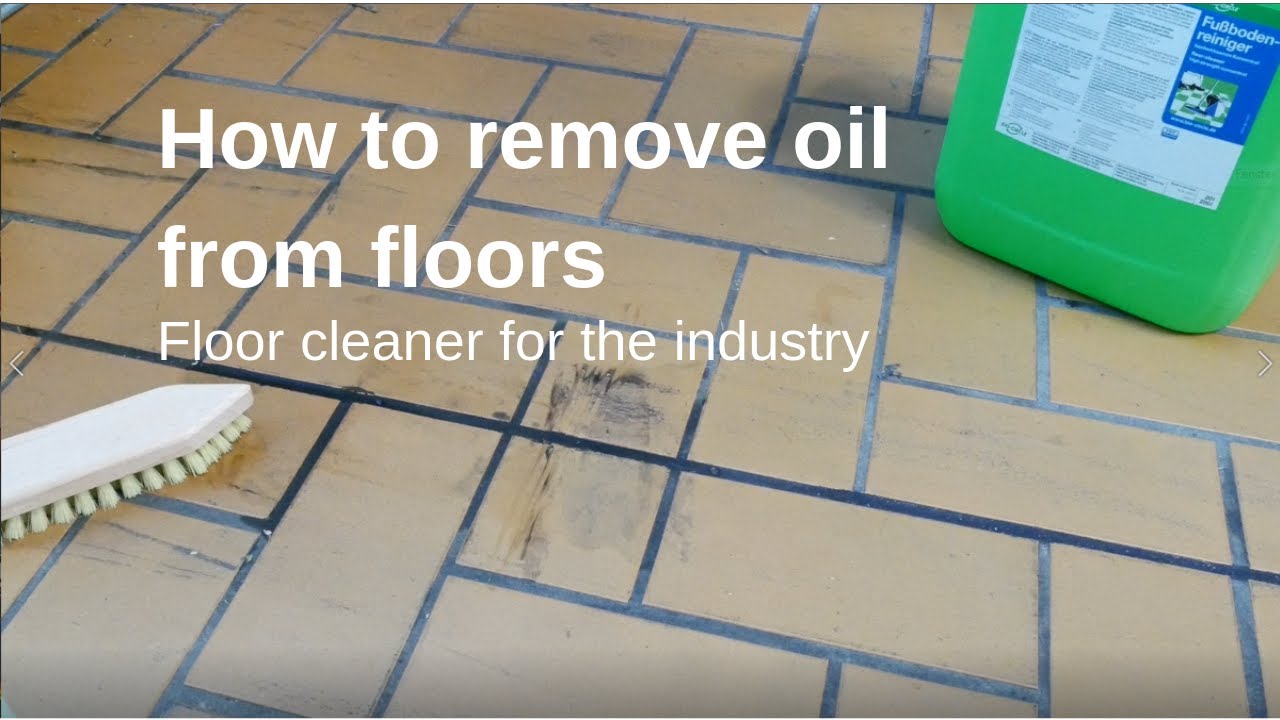
Scrubbing tools help remove oil from floors. Brushes with stiff bristles are good. Scrub pads can work well too. They help break down the oil. Use broom for bigger spills. Mop can soak up oil. Choose a tool based on the floor type. Some floors need gentle tools. Others need stronger ones. Always test tools in small areas first.
Dish soap is great for cleaning oil. Mix soap with warm water. Use a cloth or sponge to scrub the floor. Soap breaks down oil. Water washes it away. Work in small areas. Rinse with clean water. Dry the floor with a towel. Repeat if needed for tough spots. Soap and water are safe for most floors. Check labels to be sure.
Commercial cleaners are strong and effective. Choose a cleaner made for oil. Read the instructions carefully. Use in a well-ventilated area. Pour cleaner on the oil spot. Let it sit for a few minutes. Scrub the spot with a brush. Rinse with water. Dry the floor with a cloth. Follow safety tips on the cleaner. Keep away from pets and kids.
Rinsing And Drying
Effective rinsing removes residual oil from floors. Start with warm water and a mild detergent mix. Use a mop for thorough cleaning. Dry the area completely with a clean towel to prevent slipping. Ensure no moisture remains to avoid stains.
Proper Rinsing Methods
First, gather warm water and a mop or sponge. Dip the sponge in warm water. Gently scrub the oily area. Rinse the sponge often to remove oil. Repeat until the floor looks clean. Use clean water for the final rinse. It helps to remove any leftover oil. Avoid using too much water. This can make the floor slippery.
Ensuring Complete Drying
After rinsing, dry the floor with a clean towel. Press the towel firmly on the wet spots. This helps absorb water quickly. Use a fan to speed up drying. Open windows if possible for air circulation. Make sure the floor is completely dry. Wet floors are dangerous and can cause slips. Drying properly ensures safety for everyone. Always check for any remaining wet spots.
Preventing Future Oil Spills
Regular checks can help keep floors clean. Inspect equipment weekly for leaks. Fix any worn or broken parts quickly. Clean spills as soon as they happen. This will stop oil from spreading. Use absorbent materials for cleaning. Sawdust or kitty litter can help. These steps can keep oil off floors.
Floor mats can catch drips and spills. Place them under machines and vehicles. This keeps oil from touching the floor. Containment trays are another good option. They hold oil in one place. This makes cleaning easier. Regularly clean mats and trays to keep them working well. Always have a plan to deal with spills.
Eco-friendly Cleaning Alternatives
Natural absorbents help clean oil from floors. They are safe and easy. Baking soda is a great choice. It soaks up oil fast. Use it to scrub the floor. Cornstarch works well too. Just sprinkle it on the oil. Let it sit for a while. Then, sweep it up. Kitty litter is another option. It absorbs oil quickly. Spread it over the spill. Leave it for a few hours. Sweep it up later.
Biodegradable cleaners are good for cleaning. They do not harm nature. Use vinegar and water. Mix equal parts for a cleaner. Spray it on the floor. Wipe it with a cloth. Lemon juice is also helpful. It cuts through oil. Add some salt for better results. Castile soap is a gentle cleaner. Mix it with warm water. Use it to scrub the floor.

Safety Precautions
Oil spills can be very dangerous. Always be careful when cleaning them. Keep the area well ventilated. This helps with breathing. Use absorbent materials like sand or kitty litter. They soak up the oil quickly. Avoid using water. It spreads the oil. Clean up spills immediately to prevent accidents. Always dispose of used materials properly.
Wear protective clothing to stay safe. Long sleeves and pants are good. Protect your hands with gloves. Make sure your shoes have a good grip. This prevents slipping. Use a mask if there is a strong smell. Always keep a first aid kit nearby. Safety is the most important thing.
Frequently Asked Questions
How Do I Clean Oil Off My Garage Floor?
To clean oil off a garage floor, start by blotting the excess oil with paper towels. Then, sprinkle baking soda or cat litter over the stain to absorb the oil. Let it sit for a few hours. Finally, scrub the area with a mixture of detergent and warm water, then rinse thoroughly.
What Household Products Remove Oil Stains?
Household products like baking soda, vinegar, and dish soap can effectively remove oil stains. Baking soda absorbs oil, while vinegar and dish soap break down the grease. Simply apply the product, let it sit, scrub with a brush, and rinse with warm water for best results.
Can Vinegar Clean Oil Off Concrete?
Yes, vinegar can clean oil off concrete. Pour white vinegar directly onto the oil stain and let it sit for 15 minutes. Scrub the area with a brush and rinse with warm water. Vinegar helps to break down the oil, making it easier to remove from the concrete surface.
Does Baking Soda Absorb Oil Spills?
Baking soda is effective at absorbing oil spills. Sprinkle a generous amount over the spill and let it sit for several hours. The baking soda will soak up the oil, making it easier to clean. Afterward, sweep up the baking soda and scrub the area with a detergent solution.
Conclusion
Cleaning oil off the floor can seem tough, but it’s doable. Start with the right tools. Choose absorbent materials like kitty litter. Scrub with warm, soapy water. Rinse thoroughly. Dry the area well. Regular cleaning prevents slippery spots. Safety matters.
Wear gloves and a mask if needed. Check the floor for leftover oil. Repeat cleaning if necessary. Keep your space safe and clean. These steps ensure a spotless floor. Practice makes perfect. With patience, oil stains won’t stand a chance.
Enjoy a clean, safe environment with these simple steps.