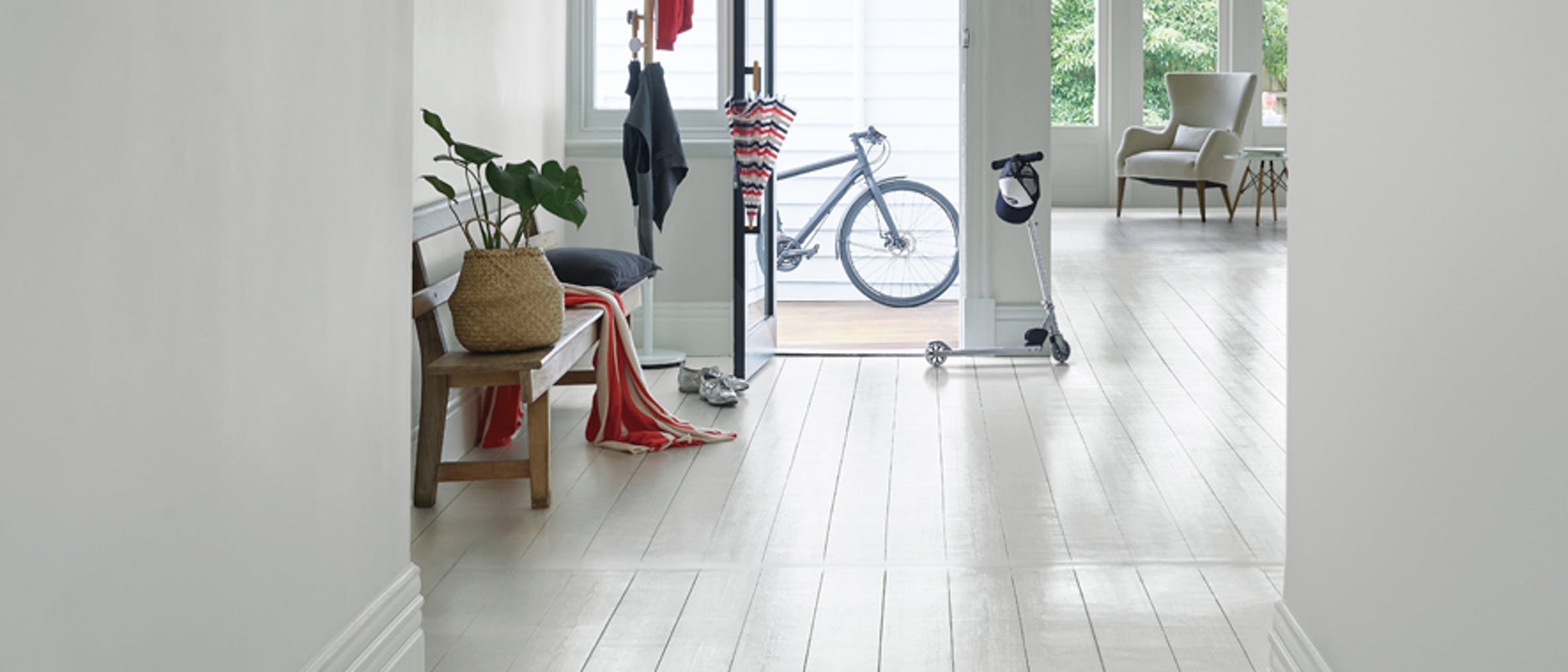

Are you looking to breathe new life into your old timber floor without spending a fortune? Painting your timber floor can be a cost-effective way to transform your space and give it a fresh, vibrant look.
Imagine walking into a room that feels brand new, filled with colors that reflect your style and personality. Whether you’re aiming for a sleek modern finish or a rustic charm, painting your timber floor is a project you can tackle yourself with a bit of guidance.
In this guide, you’ll discover the secrets to achieving a professional-looking finish, ensuring durability, and making your floor a standout feature in your home. Keep reading to unlock the steps that will turn your floor from drab to fab!
Choosing The Right Paint
Types of Paint for Timber Floors vary. Oil-based paint is durable. It lasts long on floors. Water-based paint dries fast. It has less smell. Acrylic paint is flexible. Good for changing temperatures. Epoxy paint is strong. Great for heavy use areas.
Color Selection Tips matter. Choose light colors for small rooms. They make spaces look bigger. Dark colors add warmth. Perfect for cozy rooms. Neutral colors fit any style. Easy to match with furniture. Bold colors make a statement. Use them for accents.
Preparing The Floor
Cleaning the timber floor is the first step. Use a broom or vacuum. Remove all dirt and dust. A clean floor helps paint stick better. Use a damp mop for any sticky spots. Ensure the floor is dry before moving on.
Sanding the floor is important. It smooths out rough spots. Use a sandpaper or a sanding machine. Sand until the surface feels even. Clean the dust again after sanding.
Check for any damages on the floor. Fill holes or cracks with wood filler. Let it dry completely. Sand the area to make it smooth. This ensures the paint looks even.
Gathering Necessary Tools
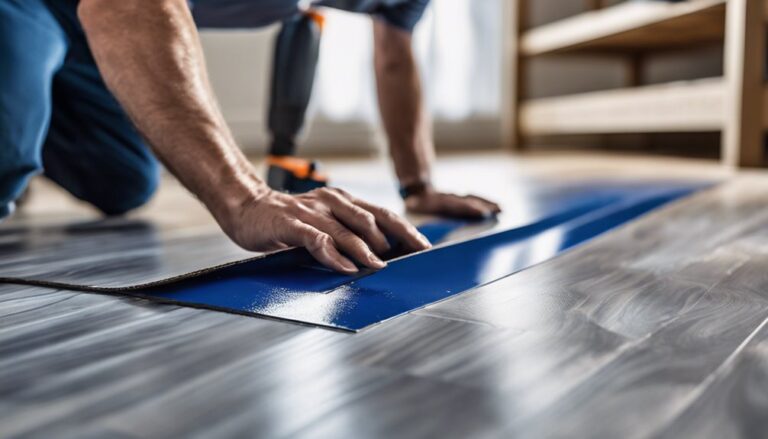
Painting a timber floor needs the right tools. A paint roller is very important. It helps cover big areas fast. Paintbrushes are needed for corners and edges. Sandpaper is used to make the floor smooth. A vacuum cleaner helps clean dust. Painter’s tape keeps paint off walls. A paint tray holds the paint. Always have extra paint for touch-ups.
Wearing safety gear is very important. Gloves protect your hands. Safety goggles keep paint out of your eyes. A mask helps you breathe safely. Old clothes are best to wear. Knee pads can protect your knees. Keep the room well-ventilated. Open windows and doors to let air in.
Applying Primer
Priming timber floors is very important. It helps paint stick well. Primer makes surfaces smooth. It stops paint from peeling off. It blocks stains from showing through paint. Using primer saves paint later on.
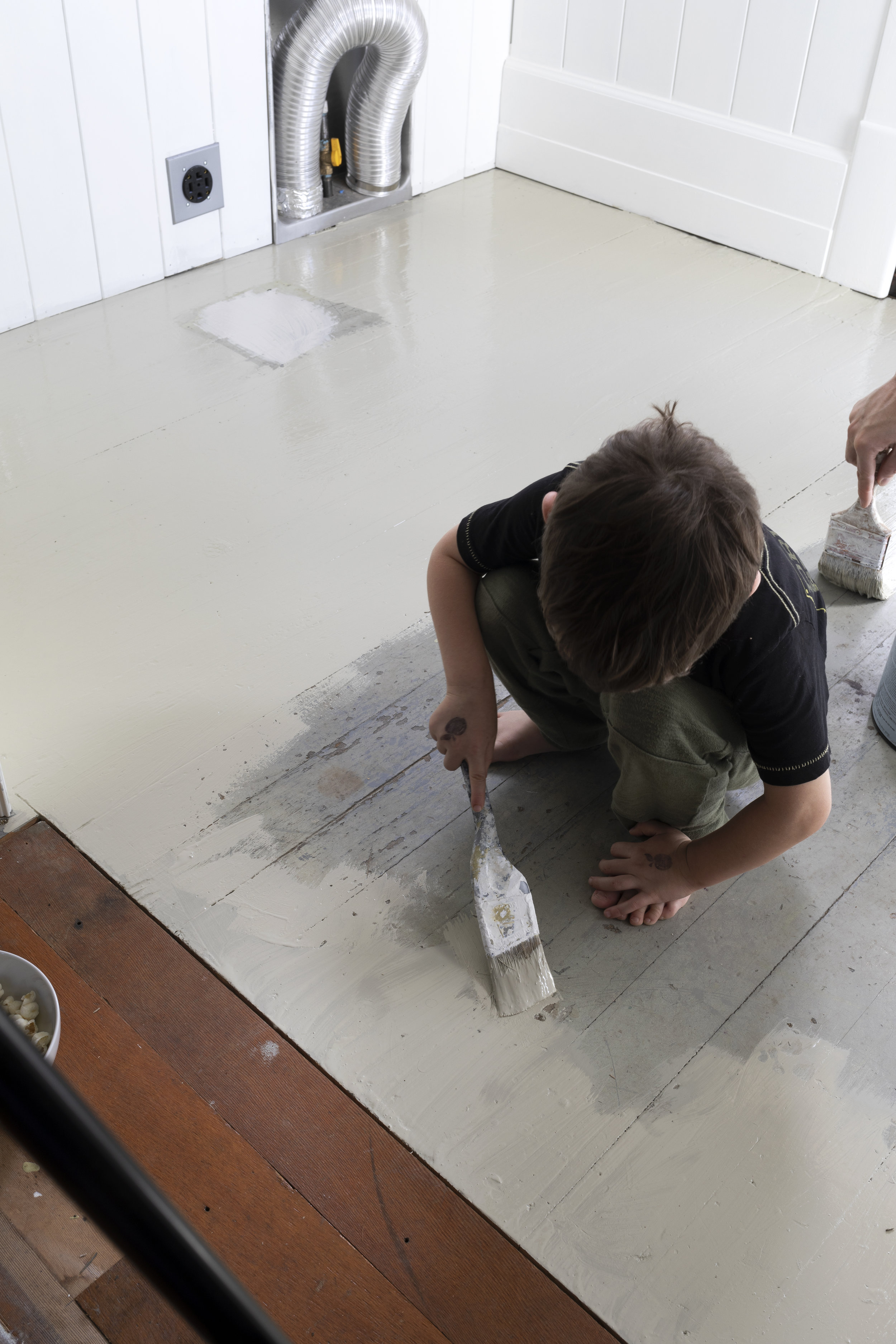
Use a good brush or roller for primer. Apply in thin layers. Do not rush the process. Start from one corner and move across. Ensure all areas are covered evenly. Check for missed spots. Let primer dry completely before painting. Follow drying instructions on the primer can.
Painting Techniques
Choosing between a brush and a roller is important. A brush gives more control over small areas. It helps with edges and corners. A roller covers larger spaces quickly. It provides a smooth finish. Brushes are better for details. Rollers are good for speed.
Applying paint in layers is key. One thin layer at a time works best. Let each layer dry before adding another. Drying times can vary. Check the paint label. Some paints dry faster than others. Be patient. Rushing can ruin the look.
Finishing Touches
Sealing the paint is important. It makes the floor last longer. Choose a good quality sealer. Apply it evenly over the painted surface. Use a clean brush or roller. Let it dry for the time mentioned on the can. This keeps the paint safe from scratches and spills. Always work in a ventilated space. Wear a mask to avoid inhaling fumes. Check if you need a second coat. Apply it if necessary. This helps the floor look shiny and new.
After sealing, add some fun decorations. Use stencils to create patterns. Or paint small shapes like stars or hearts. Be careful and neat. This makes the floor look unique and pretty. Choose colors that match your room. Let the decorations dry well. Seal them again with a thin layer of sealer. This keeps them bright for a long time. Always clean the floor gently. Avoid using harsh chemicals. This protects your hard work.
Maintenance Tips
Keep your timber floor clean and shiny. Use a soft broom or a vacuum cleaner. This removes dirt and dust without scratching. Always wipe spills right away. Water can harm the wood. Use a damp mop for cleaning, not a wet one. Ensure it’s barely moist. This keeps the wood safe.
Place rugs in high-traffic areas. This helps protect the floor. Use furniture pads under chairs and tables. They stop scratches. Avoid dragging heavy items on the floor. Lift them instead. This preserves the wood. Keep pet nails trimmed. Long nails can scratch the surface. Always use soft shoes or go barefoot. Hard shoes can cause dents.

Frequently Asked Questions
What Tools Are Needed To Paint Timber Floors?
To paint timber floors, you’ll need a paintbrush, roller, paint tray, and quality floor paint. Use sandpaper for smoothing the surface and painter’s tape for clean edges. A primer is essential for better adhesion and durability. Ensure you have proper ventilation while painting to avoid inhaling fumes.
How Do I Prepare Timber Floors For Painting?
Start by cleaning the timber floors thoroughly. Remove any dirt, dust, and grease. Sand the surface to ensure smoothness and improve paint adhesion. Apply primer to seal the wood and prepare it for painting. Allow the primer to dry completely before applying your chosen paint color.
Can I Paint Over Stained Timber Floors?
Yes, you can paint over stained timber floors. First, clean the surface thoroughly to remove any residue. Sand the floor to create a smooth surface for better paint adhesion. Apply a primer to seal the stain and ensure the paint adheres properly.
Once dry, proceed with painting your desired color.
How Long Does Painted Timber Floor Last?
Painted timber floors can last several years with proper care. Durability depends on the quality of paint and primer used. Regular cleaning and maintenance can extend its lifespan. Avoid harsh cleaning products and heavy foot traffic to prevent wear. Periodically check for chips or scratches and touch up as needed.
Conclusion
Painting timber floors brings new life to your space. You can do it yourself with patience and care. Start by preparing the floor. Sand the surface well. Choose the right paint for timber. Apply primer first. Then, add a few paint layers.
Let each coat dry completely. Protect the finish with a sealant. Enjoy a fresh, clean look in your home. Regular maintenance keeps floors beautiful for years. So, grab your brush and start painting. Transform your timber floors with ease. Your room will feel refreshed and welcoming.