
Imagine you’re walking through your home, each step accompanied by the creak and groan of your floorboards. It’s more than just a minor annoyance—it can be a real distraction.
Whether you’re hosting guests, trying to keep quiet in the early morning hours, or simply want a peaceful living space, a creaky floor disrupts the harmony of your home. You might wonder if fixing it is a daunting task, but you’ll be relieved to know that it’s more manageable than you think.
In this guide, you will discover straightforward solutions that can silence those pesky noises. Keep reading to learn how you can restore tranquility in your home with just a few simple steps. Your peace of mind is just a few fixes away.
Identifying The Cause
Floor creaks can be a big problem. Loose floorboards often cause these noises. Nails might not hold boards well. Humidity changes can also make wood expand. This leads to creaks. Old floors often creak due to wear and tear. Subfloor issues might be another reason. Wood rubbing against wood makes sounds. This is common in older homes. Identifying the cause helps in fixing it.
Walking around helps locate creaky spots. Listen carefully. Step slowly over the floor. Notice where the sound is loudest. Check that area closely. Look for loose nails or boards. Use a flashlight if needed. Mark the spot for later repair. This makes fixing easier. Knowing where the problem is saves time.
Tools And Materials Needed
You will need a hammer and a screwdriver. A drill can help too. These tools help you fix the floor. You might also need a utility knife. This helps cut carpet or other floor coverings. A measuring tape is also important. It helps measure the space. Always keep a flashlight handy. It helps you see in dark places.
Some wood screws are necessary. They help secure the floor. Wood glue can also help. It sticks loose boards together. You might need some flooring nails too. These help hold the floor tight. A floor patch kit can help with small holes. It fills them easily.
Quick Fixes For Creaky Floors
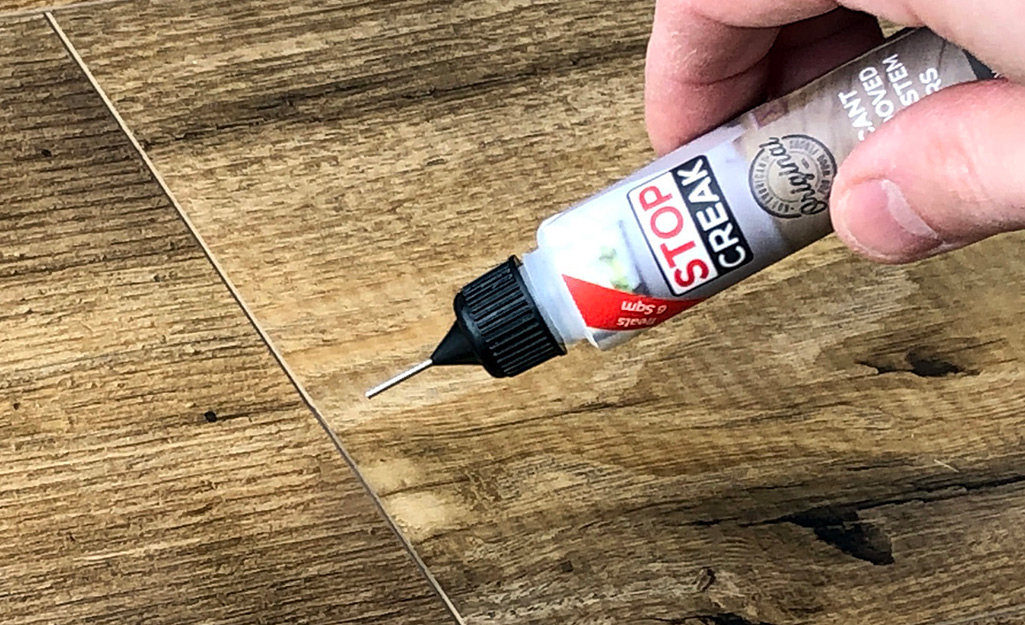
Spraying lubricants can quiet a creaky floor. WD-40 works well for this. Spray it between the floorboards. Wipe off any excess. It stops the creak for a while. This is a quick and easy method.
Baby powder is a simple fix for creaky floors. Sprinkle it over the noisy area. Sweep it into the gaps with a broom. The powder reduces friction. This makes the floor quieter. It’s a cheap solution.
Securing Loose Floorboards
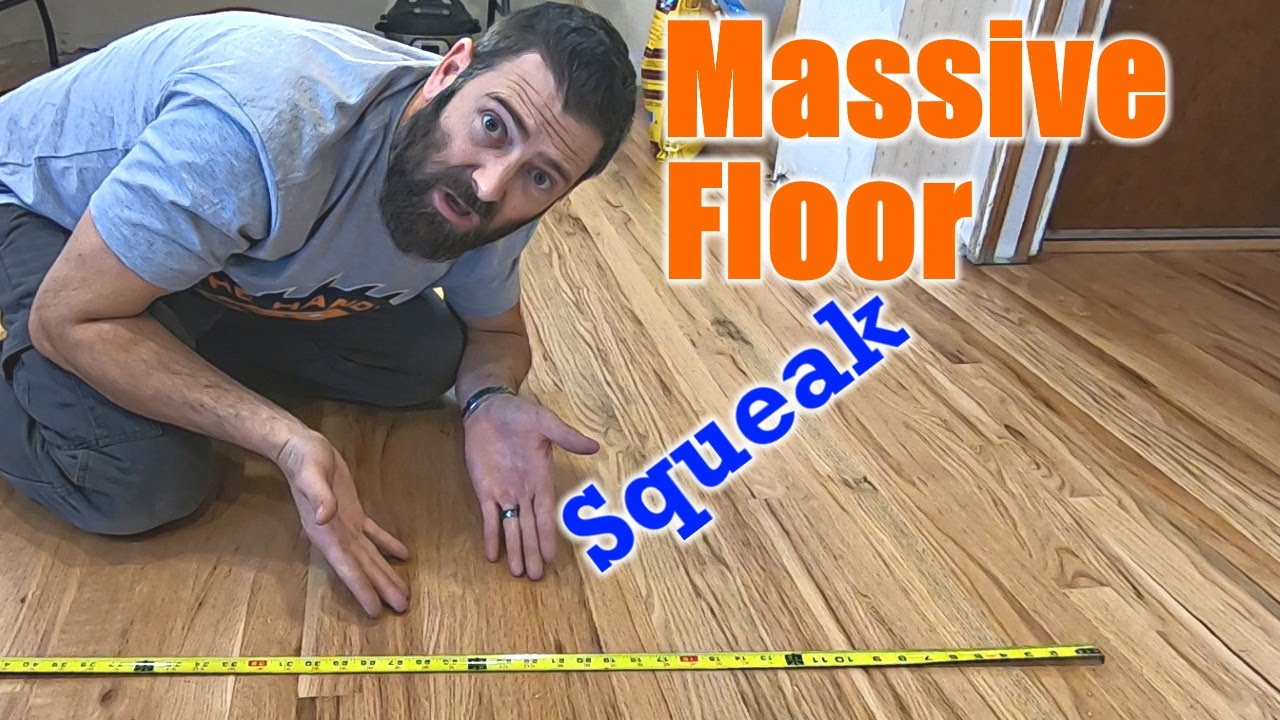
Creaking floors can be annoying. Start by locating loose boards. Use a hammer and nails to secure them. Drive the nails at an angle. This helps the board stay tight. Use two nails per board. Make sure the nails are long enough. They must reach the subfloor. Be careful not to split the wood. If the wood splits, use shorter nails.
Screws can hold better than nails. They offer more stability. Use a drill to drive screws into the board. Choose screws slightly longer than the board thickness. The screw must reach the subfloor. This gives more hold. Use two screws per board. Ensure the screws are tight. Loose screws may cause more creaks. Counter-sink the screws for a neat finish.
Fixing Squeaky Subfloors
Start by finding the noisy floor spots. Walk around and listen. Use a flashlight to see under the floor. Look for nails or screws sticking out. Be careful while checking. You might need to remove a small section. This helps to see the problem better.
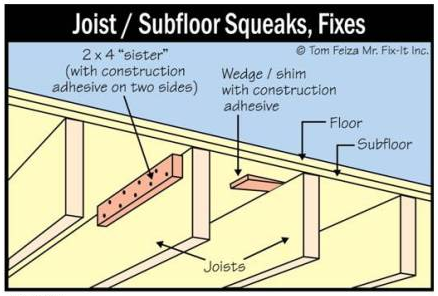
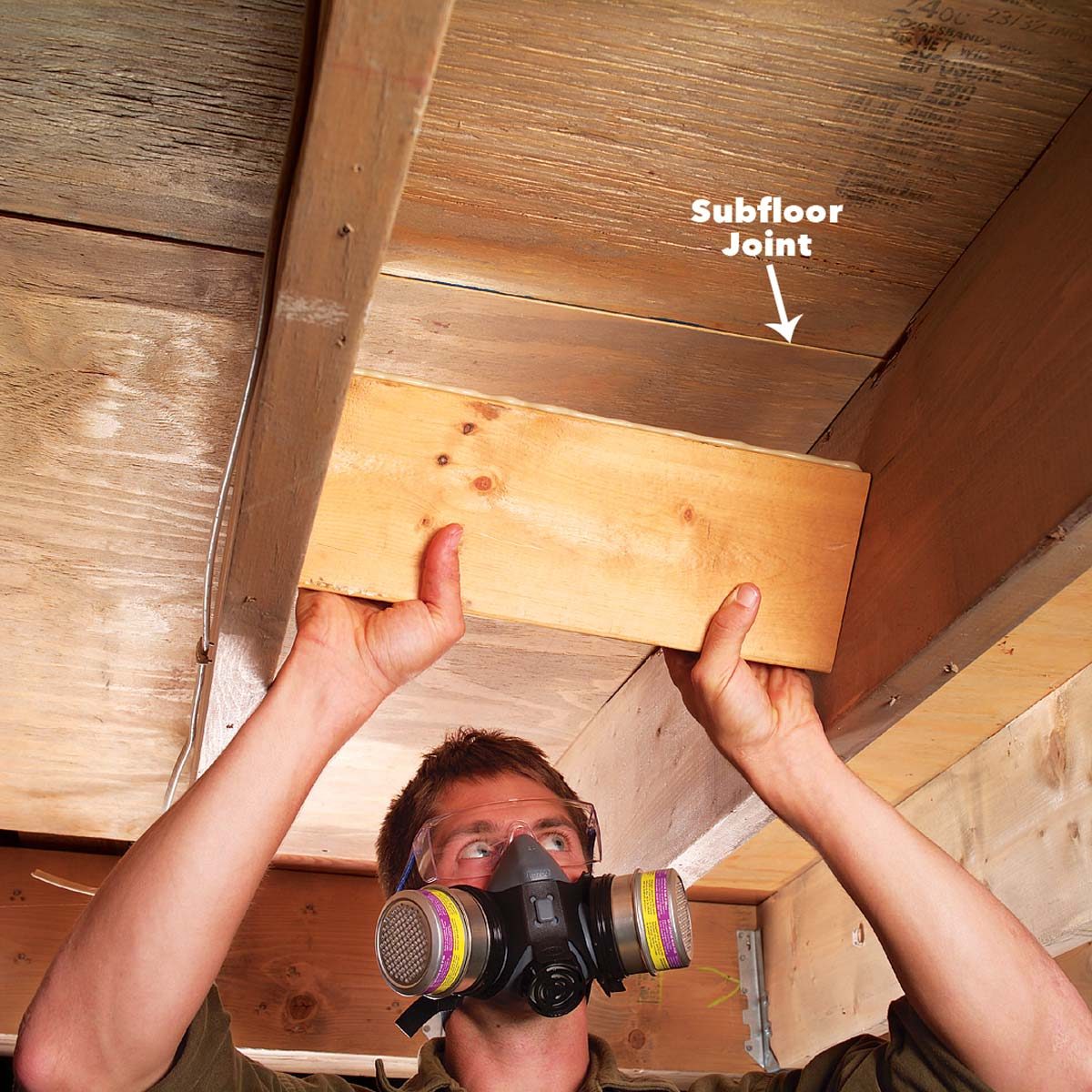
Use a drill to fix the subfloor. Place screws into the loose spots. Make sure they are tight. This will stop the squeaks. Sometimes, glue helps too. Apply it between the floor and joists. Let it dry well. You can also use shims. They fill the gaps and keep the floor firm.
Addressing Floor Gaps
Wood filler helps fill small gaps in floors. Make sure the filler matches the floor color. Clean the gap first. Remove dirt and debris. Then, use a putty knife. Apply the filler carefully. Smooth it out with the knife. Let it dry fully. Sand the area if needed. This will help the floor look even.
Shims can stop floors from creaking. Find the gap under the floor. Place a shim in the gap. Gently tap it with a hammer. Do not force it in. This might damage the floor. The shim should fit snugly. This will hold the floor tight. It will stop the creaking noise.
Preventing Future Creaks
Regular care keeps floors quiet. Sweep or vacuum often. This prevents dirt buildup. Check for loose nails or boards. Tighten them when needed. Use a hammer or screwdriver. These tools help stop noise. Keep floors dry. Moisture causes wood to swell. This leads to creaks. Use rugs or mats in wet areas. They absorb water. Protect your floors.
Upgrade to reduce noise. Choose carpet for a softer step. It absorbs sound well. Cork flooring is another choice. It’s soft and quiet. Vinyl is durable and less noisy. Install underlayment with wood floors. It acts as a cushion. This reduces creaking sounds. Quiet floors make a peaceful home.
Frequently Asked Questions
How Do I Identify Floor Creak Sources?
Identifying creak sources involves walking on the floor to pinpoint noisy spots. Listen for squeaks when stepping. Focus on areas with visible gaps or loose boards. Check connections between floorboards and joists. Use a flashlight to spot nails or screws that might be causing friction.
Can Humidity Affect Creaky Floors?
Yes, humidity can impact creaky floors. High humidity causes wood to swell, creating friction between boards. Conversely, low humidity can dry wood, leading to gaps and movement. Maintaining stable indoor humidity levels can help minimize creaking. Use a dehumidifier or humidifier to control moisture levels effectively.
What Tools Do I Need To Fix Creaky Floors?
Basic tools include a screwdriver, hammer, and nails. A drill and screws are useful for tighter fixes. Use a lubricant like powdered graphite for friction spots. A shim can help fill gaps between floorboards. For advanced repairs, consider a floor repair kit from a hardware store.
Can I Fix Creaky Floors Without Professional Help?
Yes, you can fix creaky floors yourself. Identify problem areas and use simple tools like nails or screws to secure loose boards. Lubricate friction points with powdered graphite or talcum powder. Fill gaps with shims for stability. Professional help is needed for major structural issues.
Conclusion
Fixing creaky floors can be simple with the right approach. Start by finding the noise source, then secure loose boards. Use nails or screws for extra support. Consider adding lubrication to reduce friction. For persistent issues, using shims can help stabilize the floor.
Regular maintenance prevents future creaks. Enjoy a quieter home with these steps. Remember, patience is key. With these tips, you can tackle creaky floors confidently. No more annoying sounds disrupting your peace. Keep your home comfortable and quiet.