Have you ever walked across your kitchen or bathroom floor and felt that unpleasant stickiness underfoot? Sticky floors can be more than just an annoyance; they can make your entire space feel unkempt and uncomfortable.



You might feel tempted to cover up the mess with a quick swipe of a mop, but deep down you know that won’t solve the problem. Imagine the satisfaction of stepping onto a clean, smooth surface, knowing that every inch is spotless.
This guide is here to help you achieve just that. We’ll uncover simple, effective methods to banish stickiness for good, using tools and products you likely already have in your home. Whether it’s a spill from last night’s dinner or a buildup of dirt over time, we’ve got you covered. Dive in, and discover how you can transform your sticky floors into sparkling surfaces you can be proud of.
Causes Of Sticky Floors
Floors become sticky due to spilled drinks. Sugary drinks like soda or juice can cause stickiness. Food spills also contribute to sticky floors. Greasy foods are a common cause. Dirt and grime build-up over time. This happens when floors are not cleaned regularly.
Cleaning products can leave residue if not rinsed well. Sticky floors may result from using excess soap. Humidity can make floors sticky. Moist air causes substances to stick. Wax buildup from floor polish also leads to stickiness. Pet accidents can make floors sticky too.

Essential Cleaning Supplies
Cleaning sticky floors needs the right tools. A mop is very important. It helps remove dirt and sticky stuff. Use a bucket to carry water. Make sure it’s big enough. A broom is also needed. It sweeps away dust and small bits. Cleaning solution is key. It breaks down the sticky mess. Choose one that’s safe for your floor type.
Microfiber cloths are great for wiping. They clean without scratching. You will need a scrub brush for tough spots. It reaches sticky areas easily. Finally, don’t forget gloves. They protect your hands. Cleaning can be messy. Stay safe.
Preparing The Floor
Move all furniture out of the way. This gives space to clean. Remove rugs and mats. Check for any small objects. You don’t want to trip while cleaning. Ensure there are no toys or shoes left behind. Once everything is clear, cleaning becomes easy. The sticky spots are visible now. You can focus on cleaning them.
Use a broom to sweep the area. Make sure you reach every corner. A vacuum cleaner is also helpful. It picks up dirt and dust. Dirt can make floors sticky. Remove it first for better results. Pay attention to edges and corners. They gather the most dust. A clean floor is a happy floor.
Homemade Cleaning Solutions
Mix one part vinegar with three parts water. This solution breaks down sticky dirt. It’s safe for most floor types. Use a clean mop to apply. Wipe with a dry cloth to finish. Floors will shine and smell fresh. This is an easy and cheap solution.
Create a paste with baking soda and water. Spread on sticky spots. Let it sit for five minutes. Scrub with a soft brush. Rinse well with water. Baking soda removes tough grime. It’s gentle and non-toxic.
Mix lemon juice with warm water. This mix cleans and smells good. Use a mop or cloth to apply. Lemon juice cuts through grease. It leaves floors looking bright. This is a natural way to clean floors.
Store-bought Cleaners
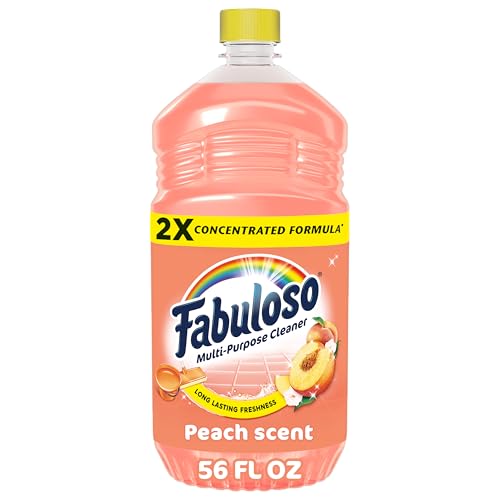
Sticky floors need strong cleaners. Pick a cleaner that fights grease. Some cleaners work best on tile. Others are great for wood. Read the label carefully. Check for safety on your floor type.
Avoid harsh chemicals. They might damage floors. Look for eco-friendly options. These are safe for pets. Always test a small area first. Ensure no damage occurs.
Use a mop for large areas. For small spots, try a cloth. Spray cleaner directly on the sticky part. Wait a few minutes. This helps break down the dirt.
Scrub gently with a brush. This removes tough stains. Rinse with warm water. Dry the area with a clean towel. Ensure no cleaner residue remains.

Cleaning Techniques For Different Surfaces
Use a mix of warm water and mild soap. Dip a mop into this soapy water. Wring it out till it’s damp, not wet. Mop the floor gently. Rinse the mop often to keep it clean. Finally, dry the floor with a clean towel. This stops sticky spots from forming. Avoid harsh chemicals. They can damage the tiles.
Vinegar and water work well here. Mix one cup of vinegar in a bucket of water. Dip a soft cloth in the mix. Wring it out well. Gently wipe the sticky areas. Make sure not to soak the wood. Dry with a soft towel. This keeps the wood shiny and clean.
Use a spray bottle with water and a little vinegar. Spray lightly on the sticky spots. Wipe with a soft cloth. Dry the area well. Avoid too much water. It can harm the laminate. A gentle touch is key. This keeps your floor looking good.
Drying And Finishing Touches
Drying sticky floors effectively involves using absorbent towels to soak up excess moisture. Follow up with a fan to ensure thorough drying and prevent residue buildup. Finally, inspect for any remaining spots and gently buff the area for a polished finish.
Proper Drying Methods
Use a clean, dry mop or cloth. This helps to soak up water. Fans are great for speeding up drying time. Open windows for fresh air. This helps floors dry faster. Ensure that no water puddles remain. Water can make floors sticky again.
Avoiding Residue
Rinse the mop or cloth often. This stops soap build-up. Use clean water for rinsing. Dirty water leaves a film. Check for any stickiness by walking on the floor. If sticky, rinse again with clean water. Ensure all soap is removed. Clean floors should feel smooth, not sticky.
Preventive Measures
Regular cleaning helps keep floors clean. Dirt and grime build up fast. Use a soft broom daily. This stops dirt from sticking. A weekly mop is also good. Use a mild cleaning solution. This keeps floors shiny and fresh.
Floor mats catch dirt from shoes. Place mats at every door. This reduces dirt indoors. Choose washable mats for easy cleaning. Shake out mats often. This helps them work better. Clean mats keep floors clean longer.
Dealing With Tough Stains
Grease and oil spots can be sticky. Use a mix of vinegar and water. Spray it on the spot. Let it sit for a few minutes. Scrub gently with a sponge. Repeat if needed. The vinegar helps break down the grease. It is safe for most floors. Rinse with water after cleaning.
Sticky spills are tricky. Try using warm water first. Add a few drops of dish soap. Use a mop or cloth to wipe the area. For stubborn spills, use baking soda. Sprinkle it on the spill. Scrub with a damp cloth or sponge. Baking soda helps lift the sticky mess. Rinse the floor well after cleaning.
Frequently Asked Questions
What Causes Sticky Floors?
Sticky floors are usually caused by residue from spills, cleaning products, or humidity. Over time, this residue builds up and leaves a tacky surface. Regular cleaning and proper ventilation help prevent this issue. Identifying the cause is crucial for selecting the right cleaning method.
How Often Should I Clean Sticky Floors?
Cleaning sticky floors should be done weekly or as needed. Regular maintenance prevents residue buildup. Addressing spills immediately reduces stickiness. High-traffic areas may require more frequent cleaning. Consistent upkeep ensures floors remain clean and residue-free.
Which Cleaning Products Are Best For Sticky Floors?
Vinegar, baking soda, and mild dish soap are effective for sticky floors. These natural cleaners break down residues without harsh chemicals. For stubborn stains, consider using a floor-specific cleaner. Always follow the manufacturer’s instructions for best results.
Can Sticky Floors Damage My Flooring?
Yes, sticky floors can damage your flooring over time. Residue can cause discoloration and attract dirt, leading to further damage. Regular cleaning and maintenance help prevent long-term issues. Addressing stickiness promptly protects your flooring investment.
Conclusion
Clean floors make homes shine. Sticky floors can be frustrating. Regular cleaning keeps them fresh and neat. Use the right tools and cleaners. Avoid harsh chemicals. Gentle methods work best. Dry the floors well after cleaning. This prevents new sticky spots.
Try homemade solutions for eco-friendly cleaning. They are safe and effective. Consistent care gives lasting results. Simple steps make cleaning easier. Enjoy a clean, comfortable home. Sticky floors don’t stand a chance. Keep your floors clean and inviting. Your home deserves the best care.
Happy cleaning!