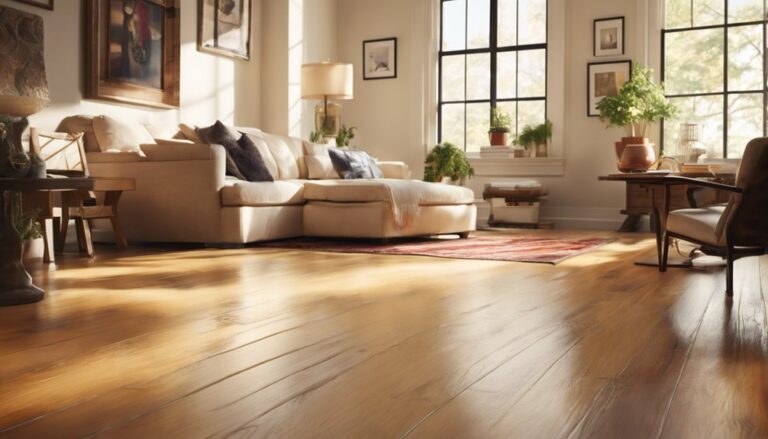


Imagine stepping into a room where your wood floors shine with elegance, unmarred by the dullness of wax build-up. It’s the kind of perfection you dream of for your home.
But here’s the catch: over time, wax can accumulate, robbing your floors of their natural beauty. You might feel frustrated, staring at those once-glorious surfaces, wondering how to restore their charm. Fortunately, there’s a solution, and it’s simpler than you think.
You’ll discover effective ways to remove wax from your wood floors, ensuring they look as stunning as the day they were installed. We’ll guide you step by step, using techniques that are both gentle and efficient. By the end, you’ll not only reclaim the luster of your floors but also gain the satisfaction of knowing you did it yourself. Let’s dive into the process and unlock the secrets to a radiant home.

Preparation Steps
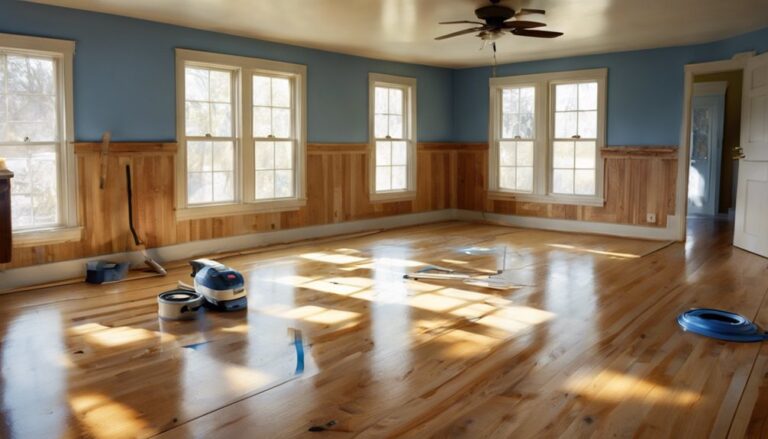
Collect all tools before starting. You need a warm iron, a clean cloth, and a plastic scraper. Get a vacuum cleaner too. You also need a bucket and mild detergent.
Safety first. Wear gloves to protect your hands. Make sure the room is well-ventilated. Open windows for fresh air. Keep kids and pets away. Ensure the floor is not slippery. Be careful while working.
Identifying Wax Build-up
Floors look dull? They might have too much wax. Sticky spots can also show wax build-up. Do you see white marks when you walk? That’s another sign. Dust sticks to these floors. Even after cleaning, dust comes back quickly.
Use a coin to test your floor. Rub it gently on the wood. Look for a white mark. This means wax is present. Try a cloth too. Wipe the floor and check for wax flakes. If you see them, you have wax.
Choosing The Right Products
Selecting the proper wax remover is crucial. Store-bought wax removers are effective. They dissolve wax quickly. Brands like Zep and Trewax are popular. Always read the label. Follow directions carefully. Use gloves for safety. Keep the area well-ventilated. Avoid mixing products. This can be dangerous. Test a small spot first. Ensure it won’t harm the floor.
Vinegar and water is a simple option. Mix equal parts in a spray bottle. Spray on the wax. Let it sit for a few minutes. Gently scrub with a soft cloth. Baking soda also works. Sprinkle it on a damp cloth. Rub the wax gently. Both methods are eco-friendly. Safe for pets and kids. They are cost-effective too.

Wax Removal Techniques
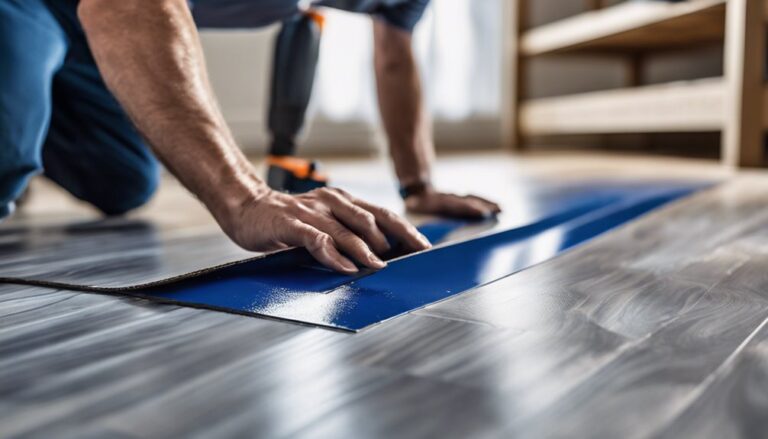
A scraper is a tool for removing wax. Hold it at an angle. Push gently along the wood. Be careful not to scratch. Scrape in the direction of the grain. Wax will peel away bit by bit. Clean the scraper often. This helps in getting all the wax.
Solvents can dissolve wax effectively. Use a cloth to apply. Rub gently in small circles. Choose a safe solvent for wood. Test a small area first. This ensures no damage. Wait for the solvent to work. Wax starts breaking down. Wipe away the residue. Repeat if needed.
Heat can soften wax. Use a hairdryer for this task. Keep it on low heat. Move it over the wax slowly. The wax melts under the heat. Quickly wipe with a cloth. The wax comes off easily. Avoid overheating the wood. Heat should be gentle and quick.
Cleaning The Floor
Use a neutral cleaner to mop the floor. This cleaner is gentle. It won’t harm the wood. Pour the cleaner into a bucket. Dip the mop into the bucket. Wring out excess water. Start mopping the floor. Move in straight lines. Cover the entire area. Keep the mop damp. Not too wet. Too much water can harm the wood.
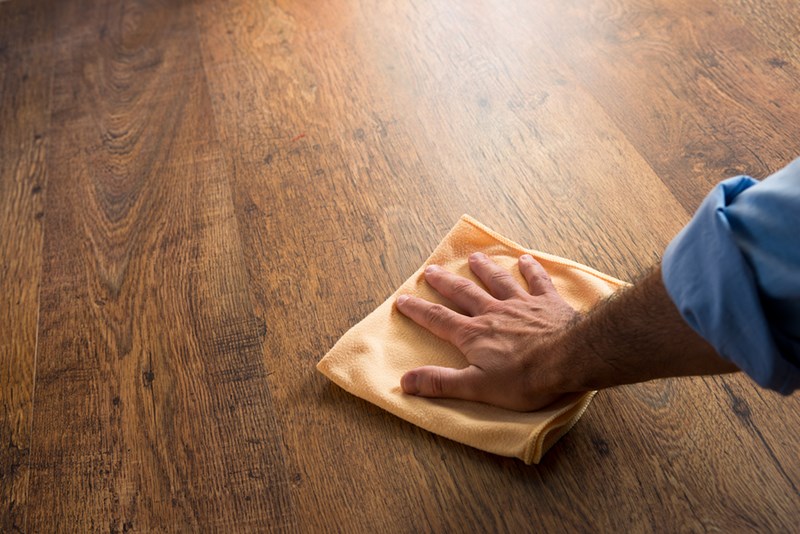
Dry the floor after mopping. Use a soft, clean towel. Wipe the floor gently. Remove all moisture. Ensure the wood is completely dry. This helps prevent damage. You can also use a fan. It speeds up the drying process. Keep the room well-ventilated. It helps the floor dry faster.
Preventing Future Build-up
Keep floors clean to avoid wax build-up. Sweep daily to remove dirt. Use a damp mop with warm water weekly. Avoid using too much water. It can damage wood. Dry the floor with a soft towel. This prevents water spots. Use a vacuum with a floor brush for deeper cleaning. This helps reach corners and grooves.
Select products that are wax-free for wood floors. Check labels on cleaning products. Many have wax ingredients. These can cause build-up. Use a gentle, wood-safe cleaner instead. Look for words like “safe for wood” on the label. Always test a new product in a small area first. This ensures no damage to the floor.
Frequently Asked Questions
How Do I Remove Wax From Wood Floors?
To remove wax from wood floors, start by softening the wax with a hairdryer. Then, gently scrape it off using a plastic scraper. Clean the area with a mixture of vinegar and water. Finish by wiping with a damp cloth to ensure no residue remains.
Can Vinegar Remove Wax From Wood?
Yes, vinegar can effectively remove wax from wood floors. Mix equal parts vinegar and water in a spray bottle. Apply it to the affected area and let it sit for a few minutes. Then, scrub gently with a cloth to lift the wax without damaging the wood.
Is It Safe To Use Hot Water On Wood Floors?
Using hot water on wood floors can cause damage. It may lead to warping or discoloration. Instead, use lukewarm water for cleaning. Always dry the area immediately to prevent water damage. Avoid soaking the wood to maintain its integrity and appearance.
What Tools Are Needed For Wax Removal?
For wax removal, use a hairdryer to soften the wax. A plastic scraper helps in gently lifting the wax off the surface. A mixture of vinegar and water can clean any residue. Finally, use a soft cloth for wiping and drying the area effectively.
Conclusion
Removing wax from wood floors is simple with the right steps. Begin with gentle cleaning methods to avoid damage. Use warm water and mild soap for basic removal. For stubborn wax, try vinegar or commercial wax removers. Always test products in a small area first.
Protect your floors by wiping spills immediately. Regular cleaning keeps them looking great. Consider using mats in high-traffic areas. Keep the process easy and efficient. Follow these tips to maintain clean, shiny wood floors effortlessly. Enjoy your beautiful, wax-free flooring for years to come.