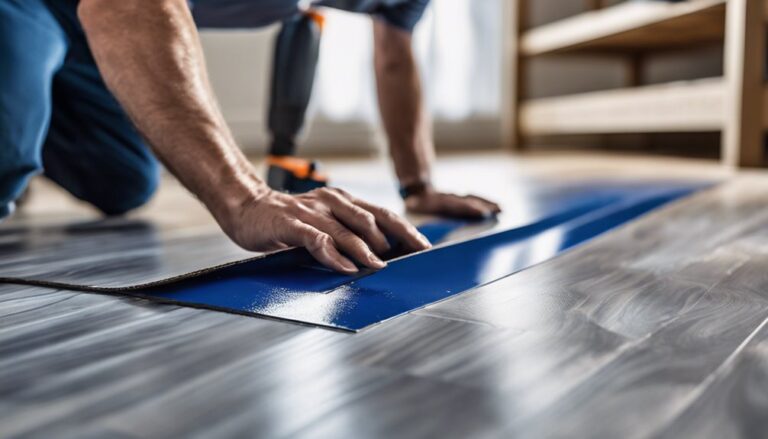

Are you tired of dealing with uneven floors that disrupt the harmony of your home? If you’ve been searching for a solution that doesn’t involve messy leveling compounds, you’re in the right place.
Imagine walking into a room where every step feels stable and smooth. No more stumbling over unexpected bumps or worrying about furniture tipping over. You deserve a home that feels just right, and leveling your floor can be simpler than you think.
This guide is designed to help you achieve that perfect level without the hassle or mess of traditional methods. Dive in to discover smart, practical techniques that will transform your space and elevate your home’s comfort and style. Don’t miss out on these valuable tips that could change the way you view home improvement forever.

Assessing Floor Condition
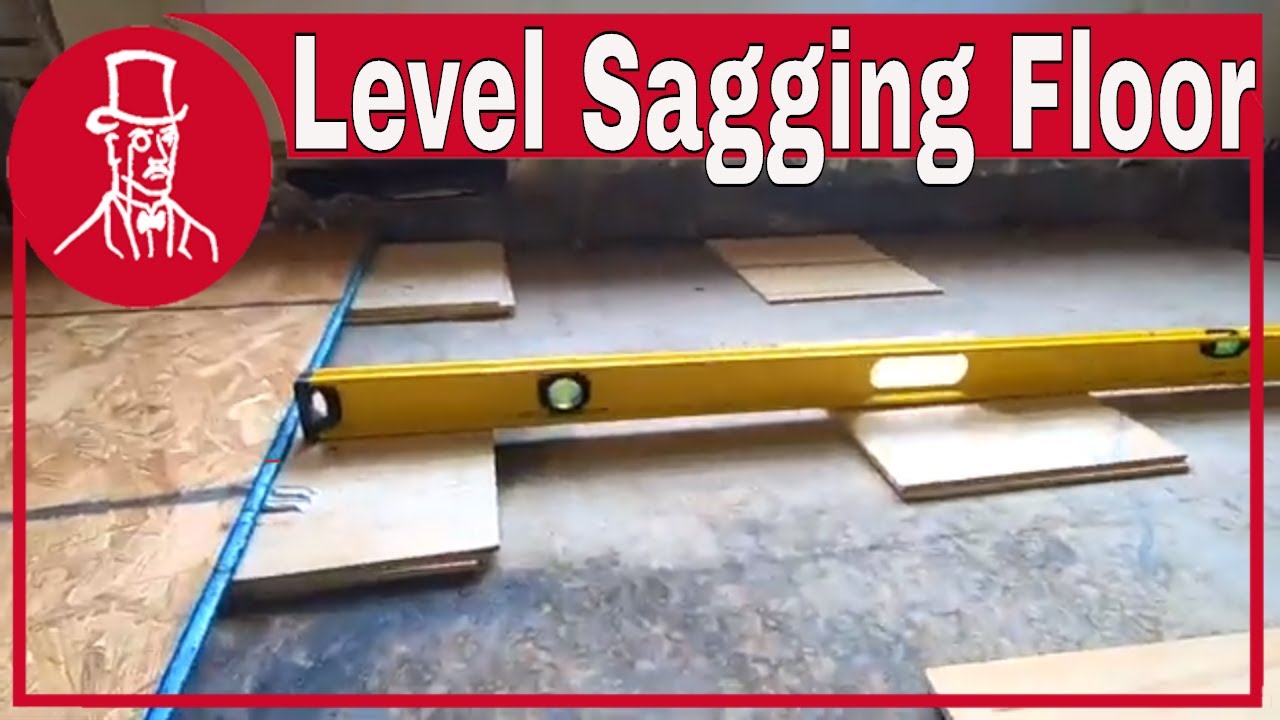
Check the floor for bumps and dips. Use a long level to spot uneven areas. Move it across the floor slowly. Look for spaces between the level and the floor. Mark those spots. These are the areas needing attention.
Feel the floor with your hands. Do you feel any rough spots? These might need smoothing. Look closely for cracks or damage. These can cause future problems. Fix them before doing anything else.
Check if the floor is solid. Walk around and listen. Does it creak or squeak? This might mean loose boards. Tighten them with screws. This makes the floor stronger and ready to level.
Tools And Materials Needed
To level a floor, you need some basic tools. A tape measure helps check the floor’s height. Use a long straightedge to find dips and bumps. A carpenter’s level is also important. It shows if the floor is even or not.
You might need a screwdriver to remove any old nails. A hammer can help put new nails in place. Sandpaper is useful for smoothing rough spots. A putty knife helps fill small holes.
Plywood or shims can help fill low spots. Glue or nails keep things steady. Always wear safety glasses to protect your eyes. Gloves keep your hands safe too.
Preparing The Floor Surface
First, remove all dirt and debris from the floor. Use a broom or vacuum to clean the surface. Make sure every corner is free from dust. A clean floor ensures better results later. Check if any parts are sticky or wet. If so, dry them with a cloth.
Moisture can ruin your work. Check the floor for moisture spots. Use a moisture meter to be sure. A dry floor is important. Feel the surface with your hand. If it’s damp, wait until it’s dry. Sometimes, sunlight can help dry the floor faster.
Using Plywood Sheets
Choose plywood that is strong and flat. Thicker plywood gives better support. Avoid warped or bent pieces. A smooth surface is important. Check for any damage on the wood. Make sure the plywood is the right size.
Measure the floor area carefully. Cut the plywood to fit the space. Use a saw with care. Place the plywood on the floor. Align the edges properly. Secure the sheets with nails or screws. Make sure there are no gaps between sheets. Double-check the alignment.
Installing Shims
Shims are small, thin pieces. They adjust the height of flooring. Choose wood or plastic shims. Wood shims are easy to cut. Plastic shims resist moisture. Both work well for floors. Pick the right size for the gap. Measure the space under your floor. This helps you select the best shim.
Place shims under low spots. Gently tap them into place. Use a hammer or rubber mallet. Add shims until the floor feels even. Check the floor with a level tool. Adjust shims if needed. Ensure they are snug and secure. This keeps your floor stable.
Sanding High Spots
Floors can have high spots that make walking difficult. Finding these spots is important. Use a straight edge to check the floor. Move it across the surface. Look for gaps under the edge. These gaps show where the floor is uneven. Mark these spots with chalk. This helps you know where to sand later.
A belt sander can help smooth high spots. Wear safety glasses to protect your eyes. Hold the sander firmly with both hands. Turn it on and start sanding the marked spots. Move the sander slowly back and forth. Check often to see if the floor is level. Do not press down too hard. Let the sander do the work. This will help avoid making the floor uneven again.
Adding A New Subfloor
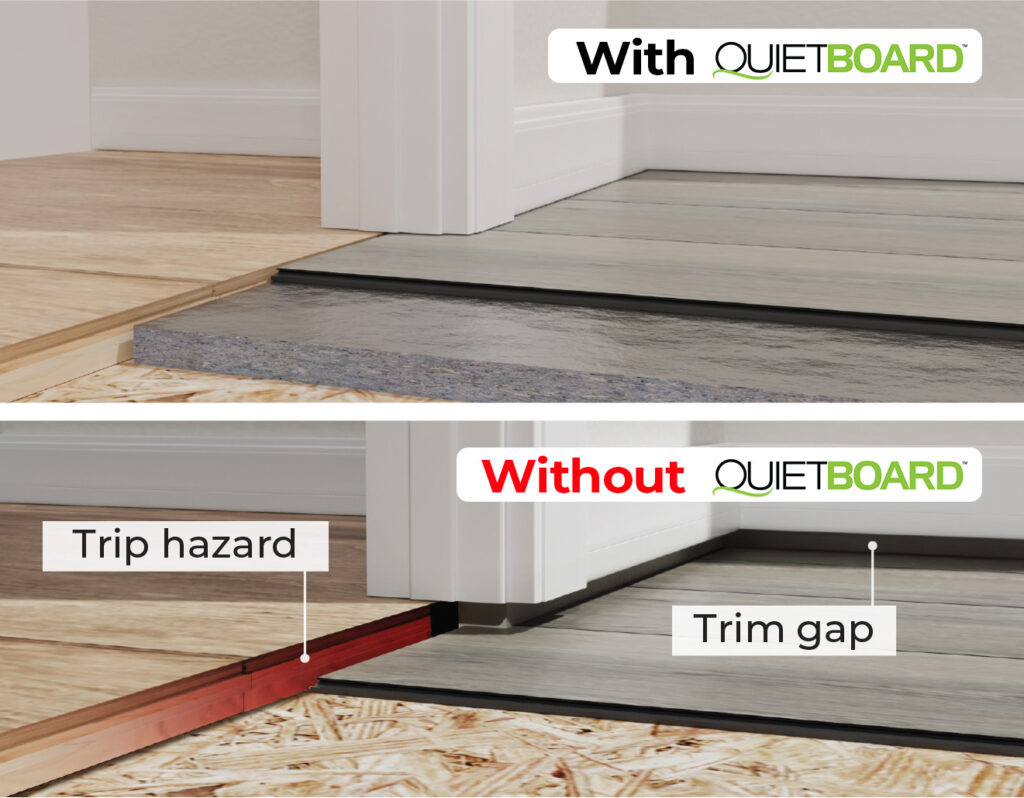
A new subfloor makes your floor stronger and more stable. It can help fix uneven surfaces. This makes walking safer and more comfortable. New subfloors also protect the main floor. They keep it from damage like cracks or dents. They also help with soundproofing. This means less noise when you walk. Adding a new subfloor is a smart choice for a better floor.
First, measure the room to know how much material you need. Cut the subfloor sheets to fit the space. Next, clean the floor. Remove any dust or debris. Place the subfloor sheets on the floor. Align them properly for a good fit. Use a drill to secure the sheets with screws. Make sure the sheets are tight and even. Finally, check for any loose areas and fix them.
Alternative Methods
Fixing an uneven floor without leveling compound is achievable with alternative methods. Sanding high spots and installing plywood layers can create a smooth surface. These techniques ensure a balanced and safe floor without complex materials.
Using Self-leveling Underlayment
Self-leveling underlayment is easy to use. It spreads evenly across the floor. No special tools are needed. Pour it onto the surface. It flows and fills gaps. Smooth finish is achieved. Works well for small areas. Use a trowel for larger spaces. Preparation is key. Clean the floor before starting. Dry and dust-free surface helps. Follow instructions on the package. Mix it properly. Correct consistency is vital. Avoid adding too much water.
Floating A Floor
Floating a floor is simple. No glue is needed. Lay boards on top. They click together easily. Quick installation is possible. Use spacers on the edges. This allows for movement. Expansion gaps are essential. Helps with temperature changes. Works well over uneven surfaces. Laminate flooring is ideal for this method. Keep the floor clean. Avoid moisture on the surface. Water can damage it.
Safety Precautions
Wearing protective gear is very important. Safety goggles keep your eyes safe. Dust masks help you breathe clean air. Gloves protect your hands from cuts. Ear plugs protect ears from loud noises. Ensure you wear sturdy shoes. This keeps your feet safe. A helmet is important. It protects your head. Stay safe. Always wear gear.
Tools can be dangerous. Always handle them carefully. Keep fingers away from sharp edges. Use tools only for their purpose. Check tools for damage before use. Hold them firmly when working. Never leave tools lying around. Store them safely when not in use. Follow instructions on tools. This helps in avoiding accidents. Stay alert. Safety first!
Maintenance Tips
Check your floors often for any bumps or dips. This helps catch problems early. Use a straight board to check the floor’s evenness. Look for spaces under the board. A flashlight helps see better in dark places. Floors can change shape over time. This is normal. Small issues are easier to fix.
Fix new problems as soon as you see them. Small gaps can be filled with wood pieces. Use a hammer to tap them in gently. Sand the wood to make it smooth. This stops trips and falls. For bigger gaps, ask an expert for help. They know how to fix big problems. Keeping floors smooth is important.
Frequently Asked Questions
Can I Level A Floor Without Compound?
Yes, you can. Use plywood sheets or self-leveling underlayment. These methods are cost-effective and easy for DIY projects. Ensure proper preparation of the floor surface before starting. This helps in achieving a smooth and even finish.
What Tools Are Needed For Floor Leveling?
Basic tools like a hammer, saw, and measuring tape are essential. A level and sanding machine help achieve precision. Choose tools based on the flooring type. Proper tools ensure smooth and efficient work.
Is Plywood Good For Floor Leveling?
Plywood is excellent for leveling uneven floors. It provides a stable and durable base. It’s easy to install and cost-effective. Ensure proper fitting and secure placement for best results. It’s suitable for various flooring types.
How To Prepare A Floor For Leveling?
Start by cleaning and removing debris. Check for any structural issues. Repair cracks and holes before leveling. Ensure the surface is dry and free from moisture. Proper preparation ensures better results and durability.
Conclusion
Leveling a floor without compound is achievable. Use simple tools and methods. Understand the floor’s needs. Choose the right materials. Measure carefully. Ensure the surface is clean and dry. This saves time and money. Proper leveling enhances comfort. It boosts home value.
You gain satisfaction from a job well done. Always prioritize safety. Wear protective gear. Follow step-by-step guides. Mistakes can be costly. Practice patience. Check progress frequently. Your floor will be even and stable. Enjoy your new space. Share your success with friends.
They might need tips too. Happy leveling!