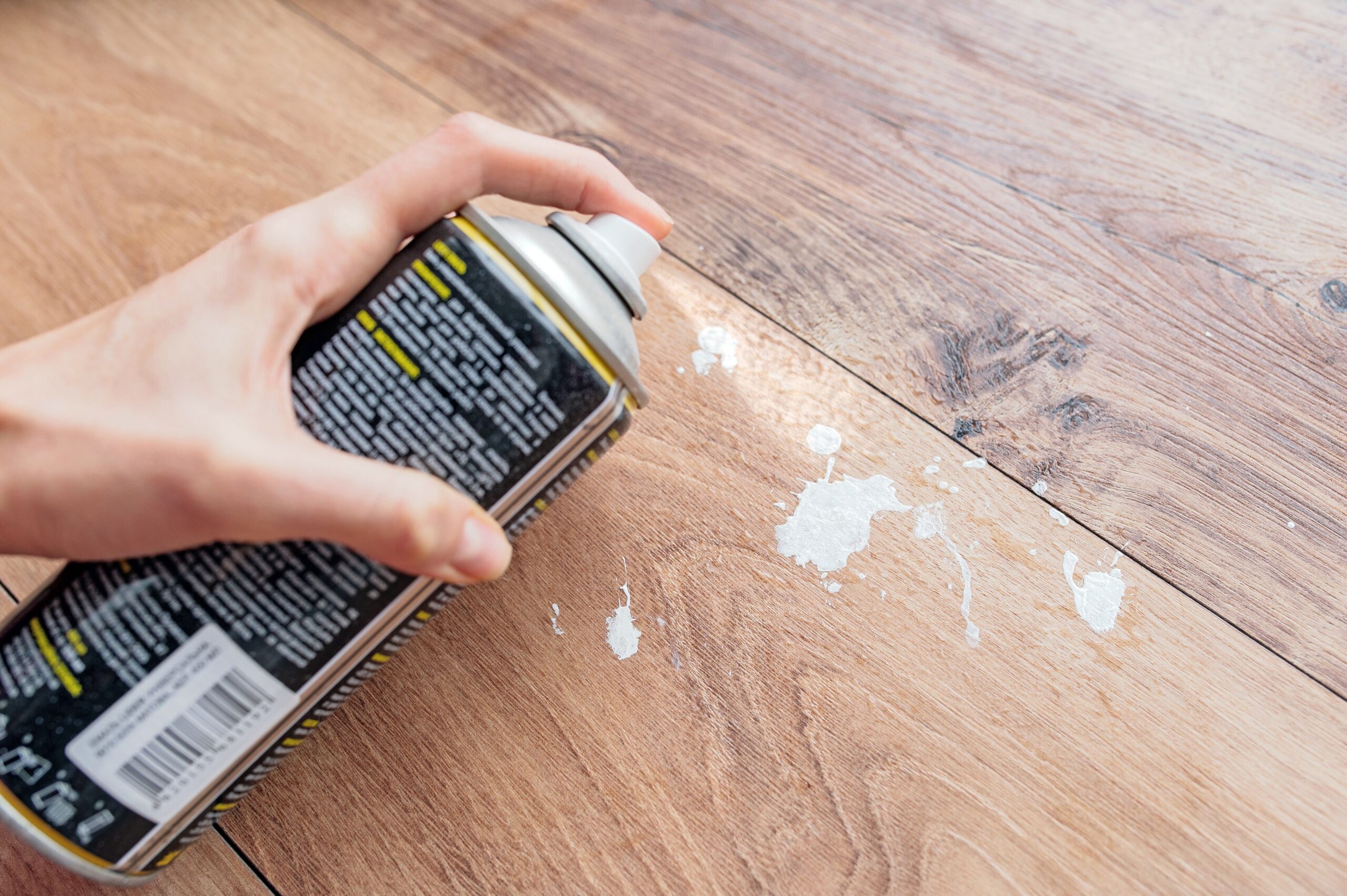

Paint spills on your beautiful wood floors can feel like a disaster. You might be worried about damaging the wood or leaving unsightly stains.
But don’t worry! With the right techniques, you can restore your floor’s natural beauty without a trace of paint. In this guide, you’ll discover simple, effective methods to remove paint without harming your precious floors. Imagine the relief of seeing your wood floors looking pristine again, as if the spill never happened.
Keep reading to learn how to tackle this common problem with confidence and ease, ensuring your floors remain the stunning feature of your home.

Tools And Materials Needed
Removing paint from wood floors needs the right tools and materials. Use a scraper for easy paint removal. Choose a plastic scraper to avoid scratches. A paint remover helps dissolve tough spots. Always wear gloves to protect your skin. Use a mask for safe breathing. A soft cloth is good for wiping areas clean. Sandpaper helps smooth rough spots. A vacuum cleaner keeps the area tidy. Ensure you have a bucket for water or cleaner. Brushes help apply the remover evenly. A sponge can absorb excess liquid. Lastly, have a waste bag ready for cleanup.
Preparing The Area
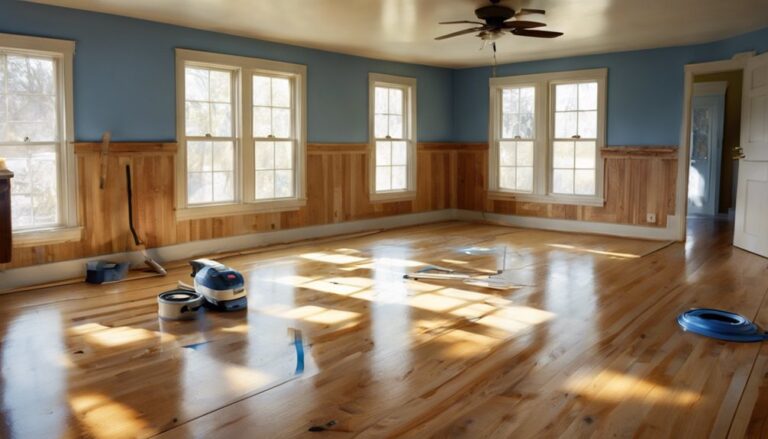
Start by clearing the room. Move furniture and rugs away. Protect your floors with a drop cloth. This keeps them safe from damage. Wear gloves to protect your hands. Safety first! Open windows for fresh air. This helps with ventilation. Gather your tools before you begin. You will need a scraper, a cloth, and some paint remover. Read instructions on the paint remover bottle. Always follow them carefully. This ensures you use it safely. Check the wood for damage. Fix any loose boards before you start. Keep a trash bag nearby. Clean up is easier this way. Be patient and take your time. Rushing can lead to mistakes.
Testing Paint Type
First, find out the paint type on your wood floor. Use a small area for testing. Wet a cloth with water. Gently rub the cloth on the paint spot. If the paint comes off easily, it’s probably water-based.
If the paint stays, try using a small amount of rubbing alcohol. This is safe for wood. Rub gently again. If it dissolves, the paint is likely latex. If nothing happens, it might be oil-based paint.
Knowing the paint type helps in choosing the right method. Using the wrong method can damage your wood floors. Always test in a hidden area first.
Gentle Removal Techniques
A plastic scraper is gentle on wood floors. It helps remove paint without scratches. Hold the scraper at a slight angle. Push gently against the paint spot. Use small movements. Avoid pushing too hard. This prevents damage to the wood. Repeat if needed. Paint will slowly come off. Patience is key here.
Warm soapy water helps soften paint. Mix some soap in warm water. Use a soft cloth or sponge. Dip it in the solution. Gently rub the paint spot. Allow the water to soak into the paint. This makes it easier to remove. After a few minutes, wipe off the paint. Repeat the process if needed. Be gentle to avoid harming the wood.
Solvent-based Methods
Solvent-based methods effectively remove paint from wood floors. Apply solvent, let it sit, and gently scrub. Ensure proper ventilation to avoid fumes.
Choosing The Right Solvent
Selecting the best solvent is crucial. Paint type matters a lot. Water-based paints need different solvents than oil-based paints. Safety is also key. Some solvents are toxic. Ventilation helps. Always use gloves and goggles. Test the solvent first. Try it on a small spot. This ensures no damage to the wood. Eco-friendly options are available. They are safer for the environment.
Proper Application Techniques
Apply solvent carefully. Use a clean cloth or brush. Avoid spilling solvent on other areas. Let it sit for a few minutes. This softens the paint. Scrape the paint gently. Use a plastic scraper. Metal scrapers might damage the wood. Wipe the area with a damp cloth. Remove any residue. Repeat if needed. Harder spots may require more applications. Always check results. Ensure no damage to the wood floor.
Heat-based Methods
A heat gun can help remove paint from wood floors. This tool blows hot air to soften the paint. Once the paint is soft, it can be scraped away. Always keep the heat gun moving to avoid burning the wood. This method is effective for large areas with thick paint. Remember, safety is important.
Safety Precautions
Wear protective gloves and goggles. The heat gun gets very hot. Keep it away from your skin. Make sure the room is well-ventilated. This helps keep the air clean and safe. Have a fire extinguisher nearby, just in case. Safety first!
Sanding The Surface
Choosing the right sandpaper grit is important. Start with a medium grit, like 80 or 100. It helps remove paint effectively. For smooth finishing, use finer grit, such as 120 or 150. Test on a small spot first. This checks if the grit works well. Adjust if needed. Avoid too coarse grit. It may scratch the wood.
Sanding needs patience and care. Always move the sandpaper in the direction of the wood grain. This helps avoid scratches. Keep the pressure even. Do not press too hard. It might damage the floor. Take regular breaks. This prevents overheating the sandpaper. Overheating can cause marks. Clean the area often. Remove dust to see your progress clearly.
Finishing Touches
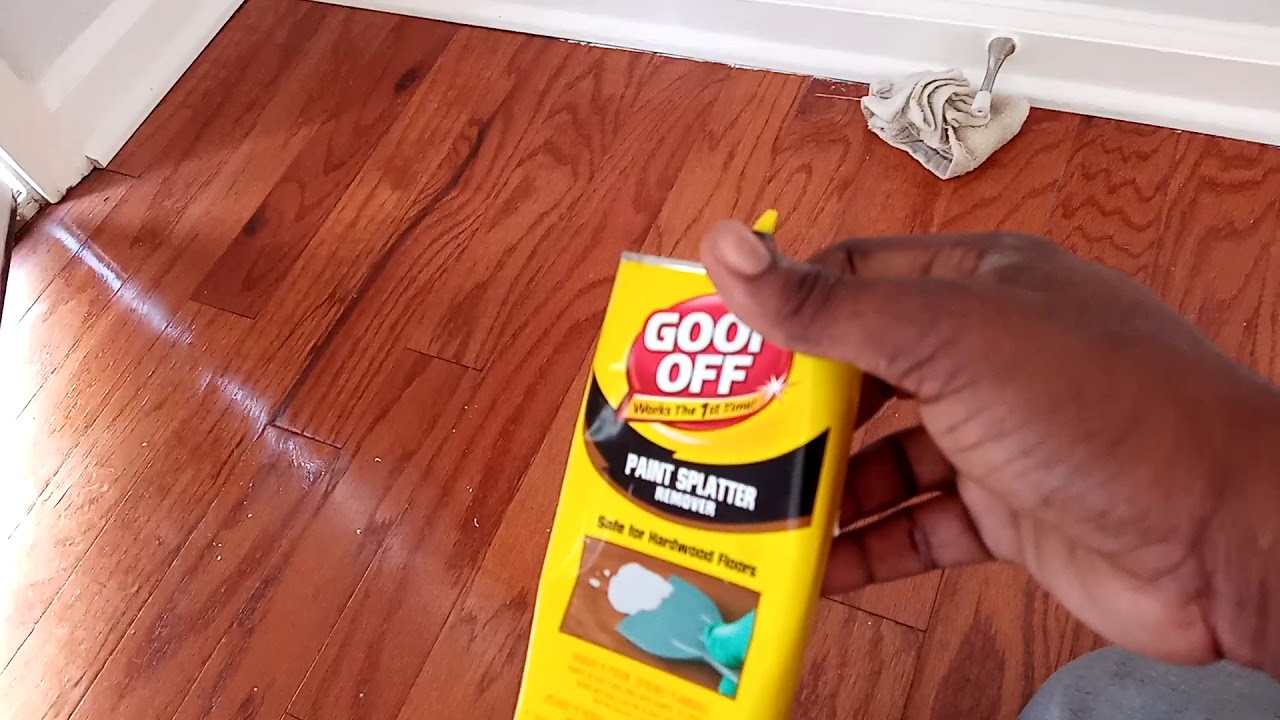
Removing paint from wood floors can be simple with the right methods. Use a gentle paint scraper and mild detergent. Avoid harsh chemicals to protect the wood’s finish.
Cleaning Residue
After removing paint, some residue may stay on the wood floor. Use a soft cloth to gently wipe the area. A bit of soapy water can help. Make sure the cloth is not too wet. Too much water can harm the wood. You can also use a mild cleaner. Read the label to ensure it’s safe for wood. Dry the floor completely with a clean towel. Moisture can cause wood to swell or warp. This step ensures the floor stays in great condition.
Applying Wood Finish
Once the floor is clean, it needs protection. Apply a thin layer of wood finish. This keeps the wood safe from future damage. Use a soft brush or cloth to spread the finish evenly. Let it dry for several hours. Check the label for specific drying times. A second coat might be needed for extra protection. A well-finished floor looks beautiful and lasts longer. Always ensure the room is well-ventilated during this process.
Preventing Future Damage
Protecting wood floors is very important. Place mats at doorways. They catch dirt and water. This keeps floors clean. Use felt pads under furniture legs. These pads stop scratches. Always wipe spills quickly. This prevents stains. Choose cleaning products carefully. Some can harm wood. Test them first in a small area. Regularly sweep or vacuum floors. Dust can damage wood over time. Keep pets’ nails trimmed. Long nails can scratch floors. Avoid dragging heavy objects across wood. Lift them instead. Be gentle. Treat floors with care. Follow these steps. Your wood floors will stay beautiful for a long time.
Frequently Asked Questions
How Do I Safely Remove Paint From Wood Floors?
To safely remove paint, use a plastic scraper or putty knife. Gently scrape the paint without damaging the wood. For stubborn spots, apply a small amount of rubbing alcohol or acetone. Always test a small, inconspicuous area first. Avoid using harsh chemicals that could damage the wood finish.
Can Vinegar Remove Paint From Wood Floors?
Yes, vinegar can remove paint from wood floors. Mix vinegar with warm water and gently scrub the area with a soft cloth. Vinegar is a natural cleaner and won’t harm the wood. However, it’s best for small spots and may not work on larger, dried paint areas.
Is Rubbing Alcohol Effective For Paint Removal?
Rubbing alcohol can be effective for paint removal on wood floors. Dab a small amount on a cloth and gently rub the paint spot. It’s essential to test on a small area first. Rubbing alcohol dissolves paint without damaging the wood.
Avoid excessive use to prevent potential damage to the floor finish.
Will Paint Thinner Damage Wood Floors?
Paint thinner can damage wood floors if not used carefully. It may remove the finish along with the paint. Always test a small area first and use sparingly. For safer alternatives, consider using rubbing alcohol or vinegar. These options are less likely to harm the wood surface.
Conclusion
Removing paint from wood floors is simple with the right steps. Start with gentle solutions to avoid damage. Use household items like vinegar and baking soda. They are effective and safe. For stubborn spots, try commercial removers. Always test a small area first.
Protect floors with mats or rugs to prevent future spills. Regular cleaning keeps floors looking fresh. Now, your floors can shine without the paint marks. Enjoy your clean wood floors and a beautiful home.