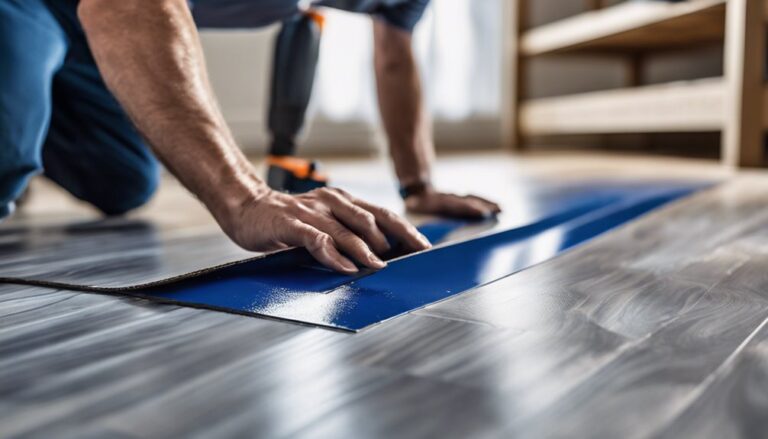

Are you staring at your newly tiled floor and wondering how to complete the look with perfectly applied grout? You’re not alone.
Many homeowners find themselves unsure about this crucial final step. Grouting your tile floor can make or break the aesthetic appeal of your space, turning it from ordinary to extraordinary. But don’t worry—you’re about to discover how simple and satisfying it can be to do it yourself.
Imagine walking into a room where the floors are seamless, the tiles perfectly accented by clean lines of grout. This isn’t just a DIY project; it’s your chance to transform your home and feel the thrill of accomplishment. Dive in, because the secrets to a flawless grout finish are right here.
Choosing The Right Grout
Grout comes in many forms. Cement-based grout is very common. It works well for indoor tiles. Epoxy grout is strong and resistant to stains. It is great for kitchens and bathrooms. Furan grout is used in places with chemicals. Sanded grout contains sand. It is used for wide joints. Unsanded grout is smooth. It is used for narrow joints.
Choosing the right color is important. White grout shows dirt easily. Dark colors hide stains. Gray grout is a safe choice. It matches many tile colors. Colored grout can add style. Neutral colors blend well with any tile. Think about the room’s design. Choose a color that fits.
Different tiles need different grout. Ceramic tiles pair well with cement grout. Porcelain tiles work with epoxy grout. Stone tiles need special care. Use non-staining grout. Glass tiles need unsanded grout. Mosaic tiles often need epoxy grout. Consider the tile’s texture and size. Choose grout that complements the tile’s material.
Preparing The Tile Surface
First, clean the tiles with a damp cloth. Remove any dust or dirt. Use a mild detergent to clean stubborn stains. Rinse the tiles with water. Let them dry completely. Clean tiles help grout stick better.
Look for any cracks or chips in the tiles. Use a flashlight to see better. Fix any cracks before grouting. This keeps the floor strong. Small cracks can grow if not fixed.
Gather all the tools needed. A bucket, sponge, and grout float are essential. A clean cloth is also important. Keep tools nearby. This saves time and effort.
Mixing Grout Properly
Proportioning ingredients is very important. Use the right amount of water and grout powder. Read the instructions on the grout bag. Measure carefully. Too much water makes grout weak. Too little water makes grout hard to spread. Get it just right.
Achieving the right consistency means mixing until smooth. Grout should be like creamy peanut butter. Not too thick, not too runny. If it’s too thick, add a bit more water. If it’s too runny, add a bit more powder. Stir well.
Tools for mixing make the job easier. Use a mixing paddle attached to a drill. A bucket is needed too. Mix slowly to avoid air bubbles. Spatulas or trowels help to scrape sides. These tools ensure a good mix.
Applying Grout Effectively
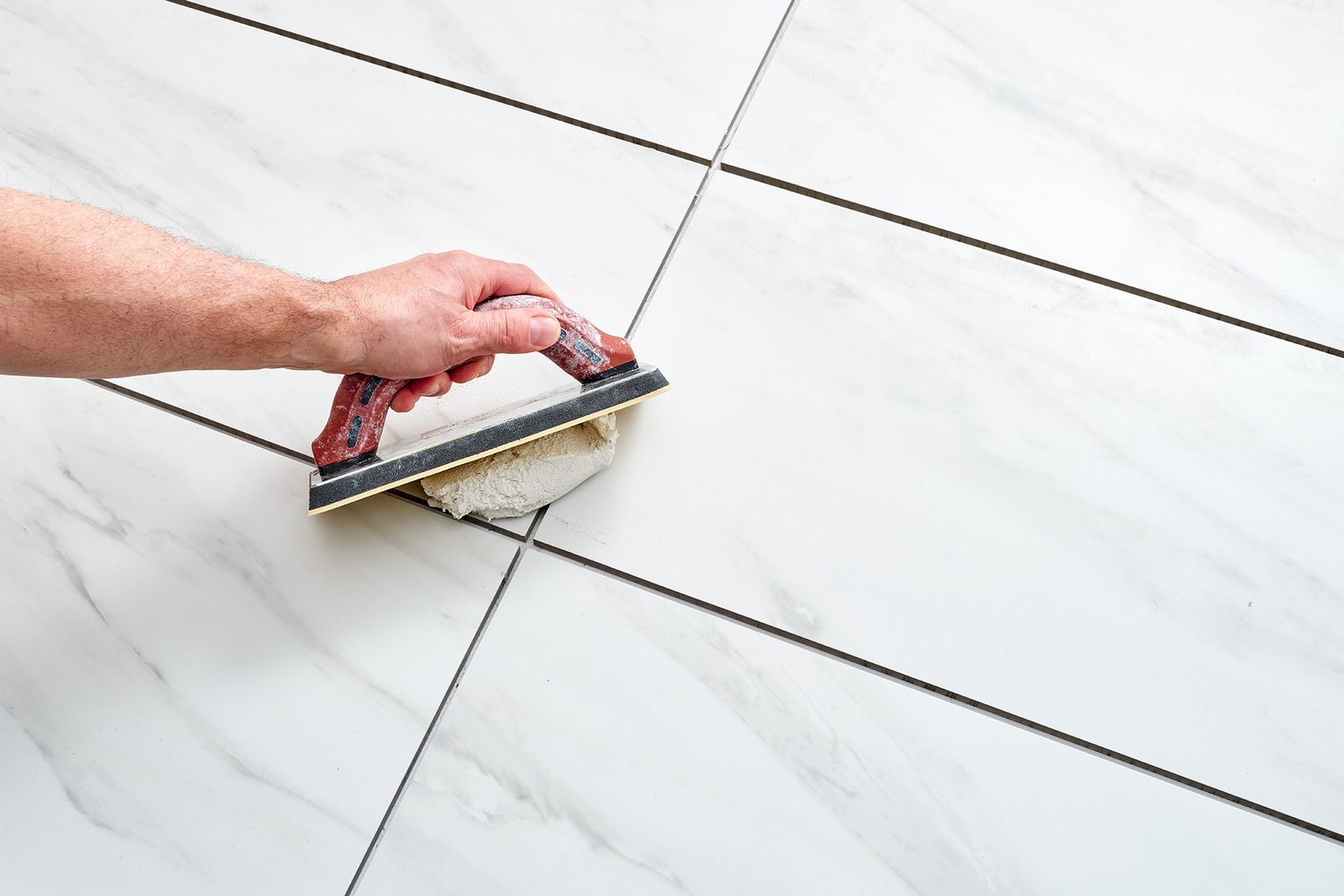
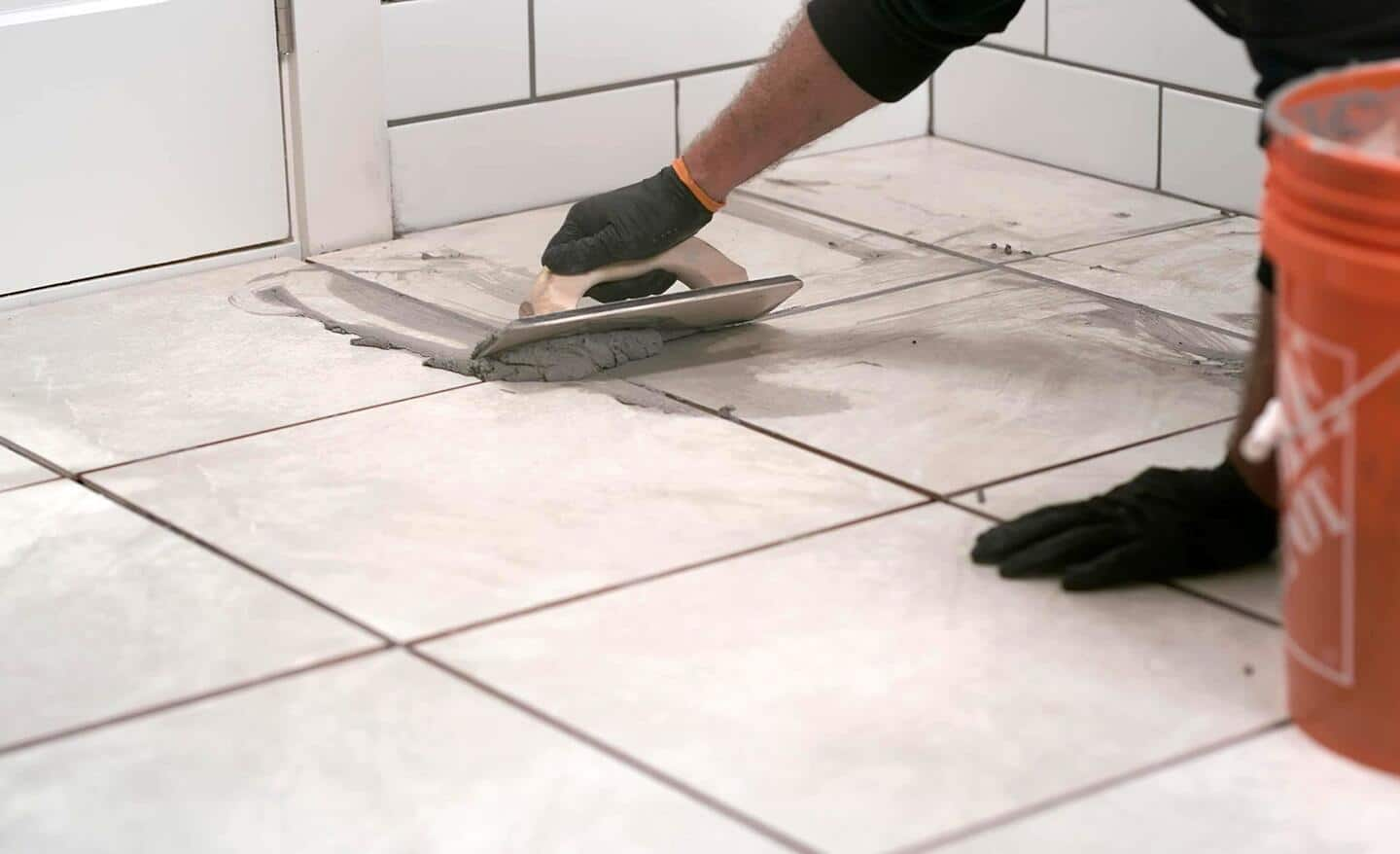
Use a grout float for a smooth finish. Hold it at a 45-degree angle. Press grout into the spaces between tiles. Move the float diagonally across the tiles. This helps fill gaps evenly.
Spread the grout in small areas at a time. Work systematically from one corner. Wipe away excess grout quickly. Use a damp sponge for cleaning. Keep strokes gentle and consistent.
Ensure all gaps are filled completely. Check for any air bubbles. Push grout firmly into gaps. Inspect tiles closely for missed spots. Smooth out any rough patches. Let the grout dry as instructed.
Cleaning Excess Grout
Start cleaning excess grout after it dries. Wait for about 15 to 30 minutes. This ensures grout is not too wet. Clean too soon and it smears. Wait too long and it hardens.
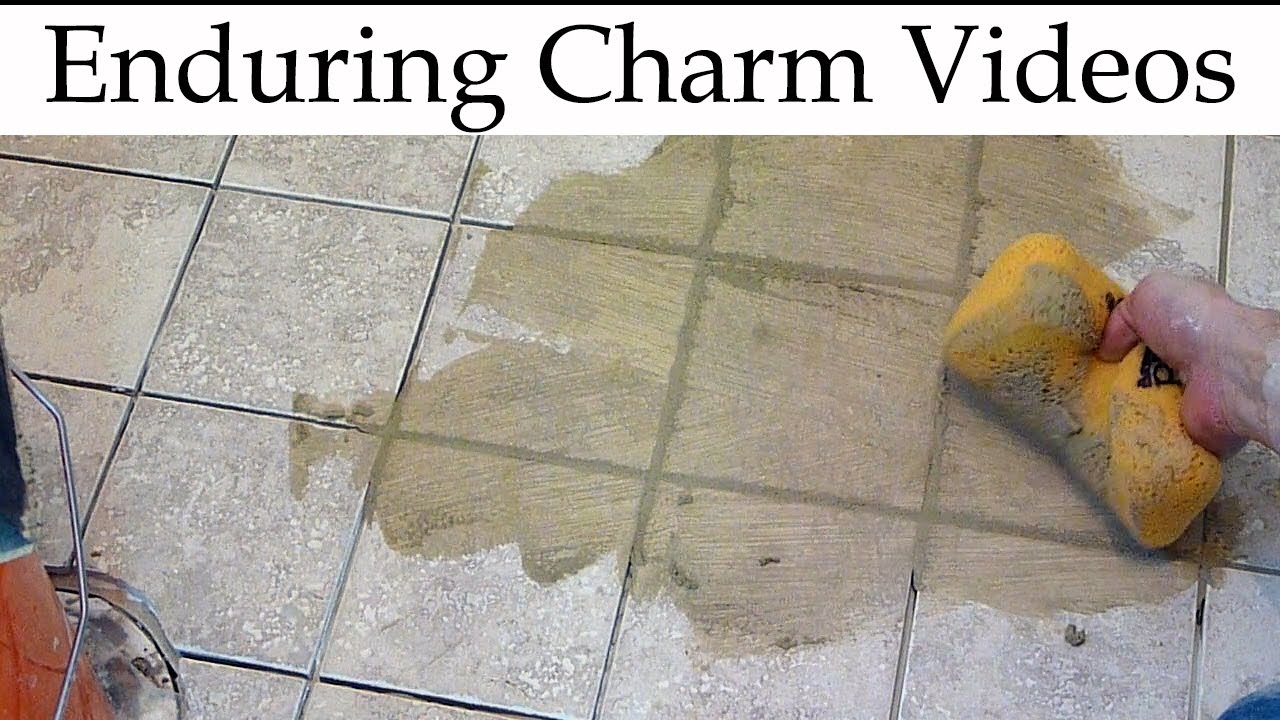
Use a damp sponge to clean grout. Gently wipe tiles in a circular motion. Rinse sponge often. It keeps grout lines clean. Don’t let sponge get too wet. It could wash away grout.
Tile haze can form if not cleaned well. Use a dry cloth to wipe after grout dries. This removes any haze left. Polish tiles for a shiny look. Repeat if needed.
Sealing The Grout
Sealing grout keeps water and dirt away. This helps tiles look new. It also stops mold from growing. Mold can make the floor look bad. Sealing makes floors last longer. It is a good step for clean and safe homes.
There are two main types of sealers: penetrating and membrane-forming. Penetrating sealers go deep into the grout. They protect from inside. Membrane-forming sealers stay on top. They form a protective layer. Choose the best one for your needs. Both types help in keeping tiles looking nice.
Start with clean and dry grout. Use a small brush or roller for the sealer. Apply evenly over the grout lines. Let it dry as per instructions. Some sealers need more than one coat. Make sure to follow directions. This ensures the best protection for your floor.
Common Mistakes To Avoid
Grouting a tile floor requires precision to avoid messy mistakes. Ensure even spreading to prevent uneven surfaces. Clean excess grout quickly for a polished finish.
Overmixing Grout
Mixing grout too much can be a big mistake. It can make the grout dry too fast. This makes it hard to work with. Use a timer to keep track. Stop mixing when it’s smooth and creamy. Don’t mix it like cake batter. Gentle mixing is best for grout.
Skipping Surface Preparation
Grout needs a clean floor. Dirt or dust can ruin it. Wipe the tiles before you start. Check for cracks or holes. Fill them up. This helps the grout stick better. Clean and prep the surface well. It makes a big difference.
Neglecting Regular Maintenance
Grout needs care. Clean it often to keep it nice. Use a soft brush. Avoid harsh cleaners. They can damage grout. Check for any wear. Seal the grout every year. This helps keep it strong. Regular checks prevent big problems.
:max_bytes(150000):strip_icc()/how-to-grout-a-tile-floor-5208084-03-f0f15bc2d87542cbaaae5e73f5cbf342.jpg)
Maintenance Tips For Grouted Floors
Grouting a tile floor enhances its durability and appearance. Clean spills quickly to prevent stains on grout. Regularly sweep and mop using a mild cleaner to maintain the grout’s color and integrity.
Routine Cleaning Practices
Keep grouted floors clean with regular sweeping and mopping. Use a mild cleaner or warm water. Avoid harsh chemicals to prevent damage. Change water often while mopping. Dry the floor to avoid water spots.
Handling Stains
Stains can be tricky. Quickly treat spills to prevent stains. Use a soft brush and mild cleaner. Scrub gently. Rinse well with water. Dry with a clean cloth.
Reapplying Sealer
Sealer protects grout. Reapply sealer every year. Clean the grout first. Apply sealer evenly. Let it dry completely. Sealer keeps grout looking fresh.
Frequently Asked Questions
What Tools Are Needed For Grouting Tile?
To grout a tile floor, you’ll need a grout float, sponge, bucket, and grout mixer. A rubber mallet and level may also be necessary. Ensure that you have grout sealer if your grout requires sealing. Having these tools ready can make the process smoother and more efficient.
How Long Does Grout Take To Dry?
Grout typically takes 24 to 72 hours to dry completely. The drying time depends on factors like temperature, humidity, and grout type. Always check the manufacturer’s instructions for specific drying times. Ensure the area is undisturbed during this period to achieve a durable finish.
Can You Grout Tiles Without Spacers?
Using spacers ensures even and consistent gaps between tiles. While it’s possible to grout without them, spacers help maintain uniformity and alignment. They are especially useful for beginners. For the best results, spacers are recommended when grouting a tile floor.
How Do You Clean Excess Grout?
To clean excess grout, wait until it’s semi-dry, then use a damp sponge. Wipe gently in circular motions to remove residue. Rinse the sponge frequently to prevent grout haze. For stubborn spots, use a grout haze remover. This ensures your tiles look clean and polished.
Conclusion
Grouting a tile floor is simple with the right steps. Clean the tiles first. Mix grout until smooth. Apply grout with a float, pressing firmly. Remove excess grout with a damp sponge. Let it dry completely. Seal the grout to protect it.
This process ensures your floor looks great. Regular maintenance keeps it looking new. Follow these steps for a successful project. Anyone can grout a tile floor with patience and practice. It’s a rewarding DIY task. Enjoy your beautiful, finished tile floor.