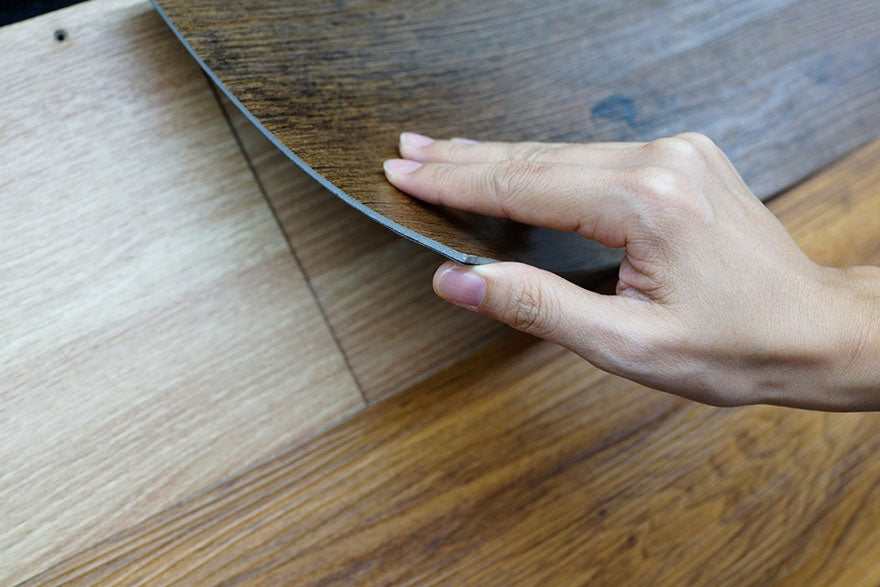

Imagine stepping into a room where the flooring feels like luxury but doesn’t come with the hefty price tag. That’s the magic of Luxury Vinyl Plank (LVP) flooring.



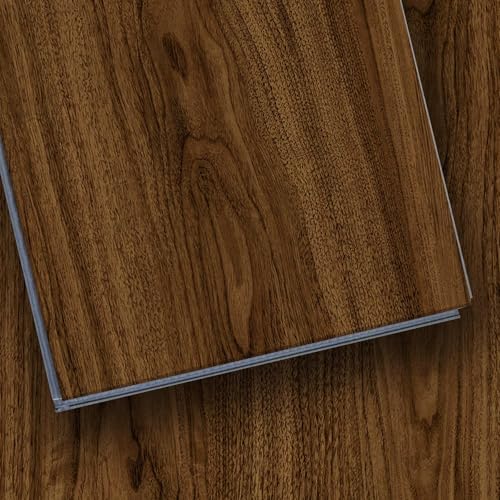
As you glance down, you might wonder, “What is LVP flooring made of? ” Understanding the composition of this popular flooring option can help you make informed decisions for your home. LVP flooring is more than just a pretty face; it’s a durable, versatile choice that can transform any space while standing up to everyday wear and tear.
But what’s the secret behind its resilience and realistic wood-like appearance? This article will unravel the materials and technology that make LVP flooring a top contender in home improvement. By the end, you’ll not only know what LVP is made of but also why it might be the perfect choice for your next renovation project. Stick with us to discover how this flooring can seamlessly blend beauty, practicality, and affordability in your home.
Composition Of Lvp Flooring
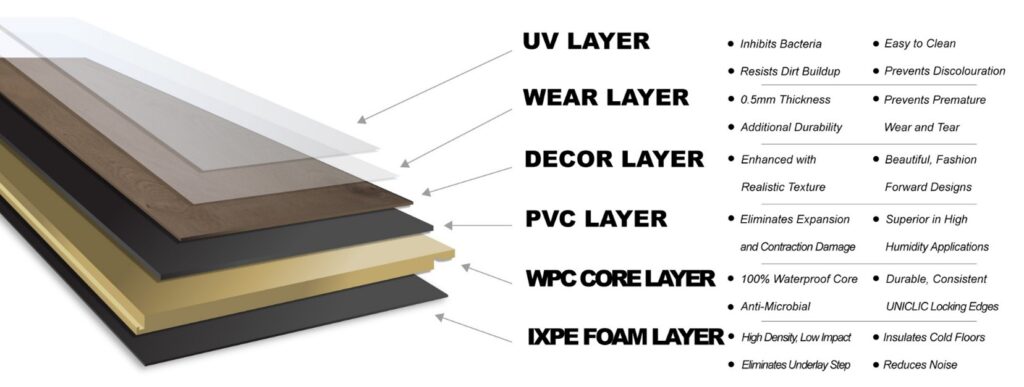
LVP flooring has a strong core layer. This layer is made from PVC or vinyl. It gives the floor its strength. Some floors use a stone-plastic composite (SPC). Others use a wood-plastic composite (WPC). These materials make the floor durable. They help the floor resist water. The core is thick. This helps keep it stable.
The top layer is the wear layer. It protects the floor. This layer is clear and strong. It guards against scratches and stains. The design layer is under the wear layer. It has the color and pattern. This makes the floor look like wood or stone. The top layer makes the floor beautiful and long-lasting.
Vinyl Components
LVP flooring is made from polyvinyl chloride, or PVC. This material is strong and flexible. It helps the flooring last long. PVC is also water-resistant. This means it does not get damaged easily by spills. People like this feature for kitchens and bathrooms.
Additives make LVP even better. They improve the color and texture. Some additives make the flooring scratch-resistant. This means fewer marks from shoes and furniture. Other enhancements make it softer to walk on. It feels nice underfoot. These features make LVP a popular choice for many homes.
Backing Layer
The backing layer is the bottom part of LVP flooring. It provides support. This layer adds stability. It helps to prevent bending. It also protects against moisture. Water can’t damage the floor easily. The backing layer is usually made of PVC. PVC is strong and tough. It lasts a long time. This layer makes the floor feel firm. It keeps the floor in place.
Stability Features
LVP flooring has many stability features. It doesn’t warp easily. The floor stays flat. It can handle a lot of foot traffic. The backing layer helps with this. It stops shifting. It keeps the floor quiet. No noisy footsteps. It also helps with temperature changes. The floor won’t crack or shrink. This makes LVP flooring reliable.
Material Choices
There are different material choices for the backing layer. Some use recycled materials. Others use fresh PVC. Both are good for floors. Recycled materials are eco-friendly. They help the environment. Fresh PVC is very durable. It makes the floor last longer. The choice depends on what you need. Both options provide good support.
Wear Layer
The wear layer is the top part of LVP flooring. It keeps the floor safe from scratches and dents. This layer is very important for long-lasting floors. The thickness of the wear layer affects how strong the floor is. Thicker layers mean better protection. They help the floor stay new-looking for a long time.
Many things affect the durability of LVP flooring. The wear layer thickness is key. Thicker layers resist damage from foot traffic. The quality of materials used also matters. Good materials make floors last longer. Regular cleaning helps too. This stops dirt from causing wear and tear.
Protective coatings give extra safety to LVP floors. They stop water and stains from ruining the floor. These coatings keep the floor shiny and clean. Different types of coatings offer different levels of protection. The best coatings make cleaning easy. They keep floors looking fresh and new.
Design Layer
Vinyl floors often use special printing techniques. These methods make the floor look like real wood or stone. Printers create detailed images on the vinyl. This way, each piece looks unique. Colors are vibrant and clear. Designs can vary a lot. Some floors look like oak, while others mimic marble. The choice is wide. Many people love this variety. It makes rooms look stylish and modern.
Textures feel like real materials. Touching the floor can feel like touching wood grain. This is because of advanced texture techniques. Tiny bumps and grooves are added. This makes the floor feel more real. Kids and adults both enjoy this feature. It adds a nice touch to any room. The floors are both pretty and practical. They are easy to clean and maintain. Perfect for busy homes.
Environmental Considerations
LVP flooring is made to be eco-friendly. It uses less natural wood. This helps save forests. Many brands now focus on green practices. They use recycled materials in production. This helps reduce waste and conserve resources. It’s important for a healthy planet.
LVP flooring can be recycled. Old planks can be used again. This reduces landfill waste. Many recycling centers accept LVP. Check local rules for recycling. Using recycled LVP helps save the environment. It is a good choice for eco-friendly homes.
Installation Requirements
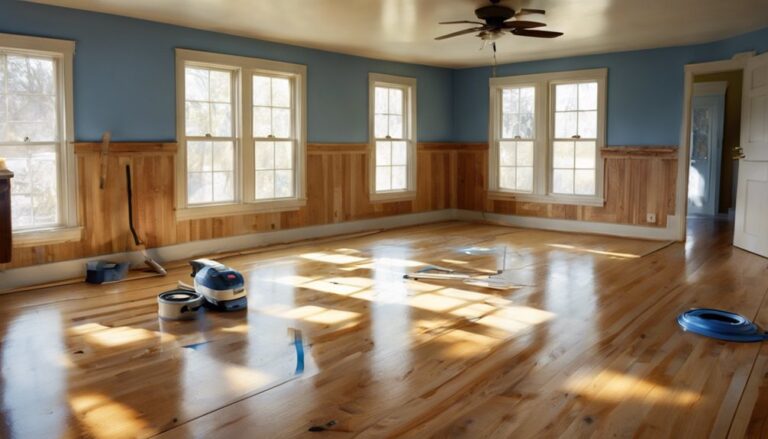
The subfloor must be clean and dry. No dust should be present. Any moisture can cause problems. It is important to have a smooth surface. Remove bumps or nails. Ensure it is level with no dips.
Check for any damage. Fix cracks or holes. Use a filler if needed. A strong subfloor supports the LVP flooring well. This helps to avoid any future issues.
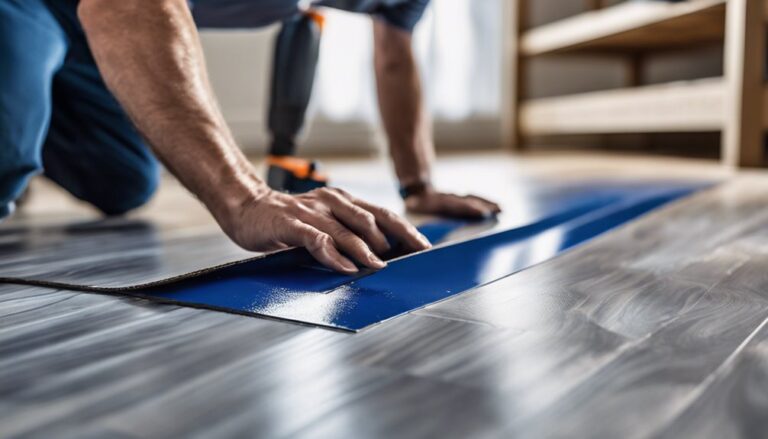
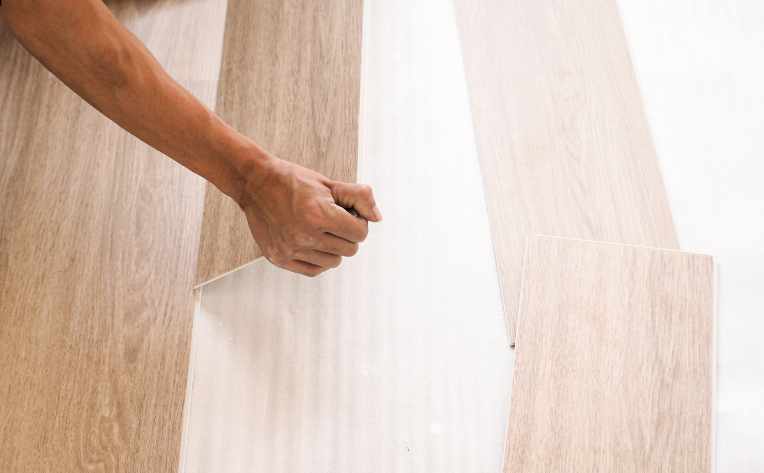
LVP flooring can be installed using different methods. The click-lock method is simple. It involves snapping the pieces together. Another way is glue-down. This method uses adhesive to stick the planks to the subfloor.
The third method is loose lay. Here, the planks are laid without glue or nails. Each method has its own advantages. Choose the best method for your home.

Frequently Asked Questions
What Materials Make Up Lvp Flooring?
LVP flooring is primarily made of PVC vinyl. It includes multiple layers such as a backing layer, core layer, and wear layer. These layers provide durability, water resistance, and realistic appearance. The wear layer is crucial for protecting against scratches and stains, making it ideal for high-traffic areas.
Is Lvp Flooring Environmentally Friendly?
LVP flooring can be environmentally friendly. Many manufacturers use recycled materials in production. It’s free from harmful chemicals like phthalates. Some brands offer certifications for low VOC emissions, ensuring better indoor air quality. Always check for specific certifications and eco-friendly labels when purchasing LVP flooring.
How Durable Is Lvp Flooring?
LVP flooring is highly durable. Its wear layer protects against scratches, dents, and stains. It withstands heavy foot traffic and is water resistant, making it suitable for kitchens and bathrooms. With proper maintenance, LVP flooring can last for decades, maintaining its aesthetic and functional qualities.
Can Lvp Flooring Mimic Real Wood?
Yes, LVP flooring can mimic real wood. Advanced printing technology gives LVP realistic wood textures and patterns. It offers various styles, from oak to walnut, catering to diverse aesthetic preferences. This makes it a popular choice for those wanting the look of wood without the maintenance.
Conclusion
LVP flooring is a smart choice for many homes. It combines durability with style. Made from layers of vinyl, it resists water and scratches. Perfect for busy spaces like kitchens and bathrooms. Easy to clean and maintain. Offers various designs, mimicking wood or stone.
Affordable and versatile. Installation is straightforward, enhancing its appeal. Consider LVP flooring for a practical solution. It fits diverse needs and tastes. Enhance your space with this reliable option. Explore the benefits and transform your home.