
Have you ever been bothered by the noise coming from the floor below or worried about disturbing your neighbors with your own activities? You’re not alone.




Many people struggle with unwanted noise seeping through floors, disrupting their peace and quiet. Fortunately, there are effective ways to soundproof your floor and create a serene environment. Imagine the freedom of moving around your space without the constant worry of causing a disturbance or being interrupted by external noise.
By taking a few simple steps, you can transform your home into a more tranquil place. In this guide, you’ll discover practical solutions to minimize floor noise, ensuring that your living space is as peaceful as possible. Are you ready to enjoy a quieter home? Let’s dive into the details and find out how you can soundproof your floor efficiently and effectively.
Benefits Of Soundproofing
Soundproofing floors can make homes quiet. Noise from footsteps or music can be annoying. It can disturb sleep and rest. Peace becomes easy with soundproofing. Homes feel calmer and more peaceful. Soundproofing is good for families. Kids can play without disturbing others. Privacy improves with soundproofing. Conversations stay private. It stops noise from traveling. Focus becomes easier without noise. Studying or working feels better. Floors can be soundproofed with rugs or carpets. Thick rugs help reduce noise. Soundproofing helps everyone feel happy at home.
Types Of Noise Pollution
Airborne noise comes from the air. Sounds like talking, music, or TV. These sounds travel through the air. Walls and floors can block them. Thick carpets help stop airborne noise. So do rugs and curtains. They absorb sounds. Soft materials are good for soundproofing. Try adding more to your home.
Impact noise happens when things hit the floor. Like footsteps or dropping objects. Hard floors make more impact noise. Carpets can help reduce it. Underlay is also helpful. It goes under the carpet. Stops noise from moving through the floor. Thick rugs can help too. They absorb sound. Make your floor quieter.
Materials For Soundproofing
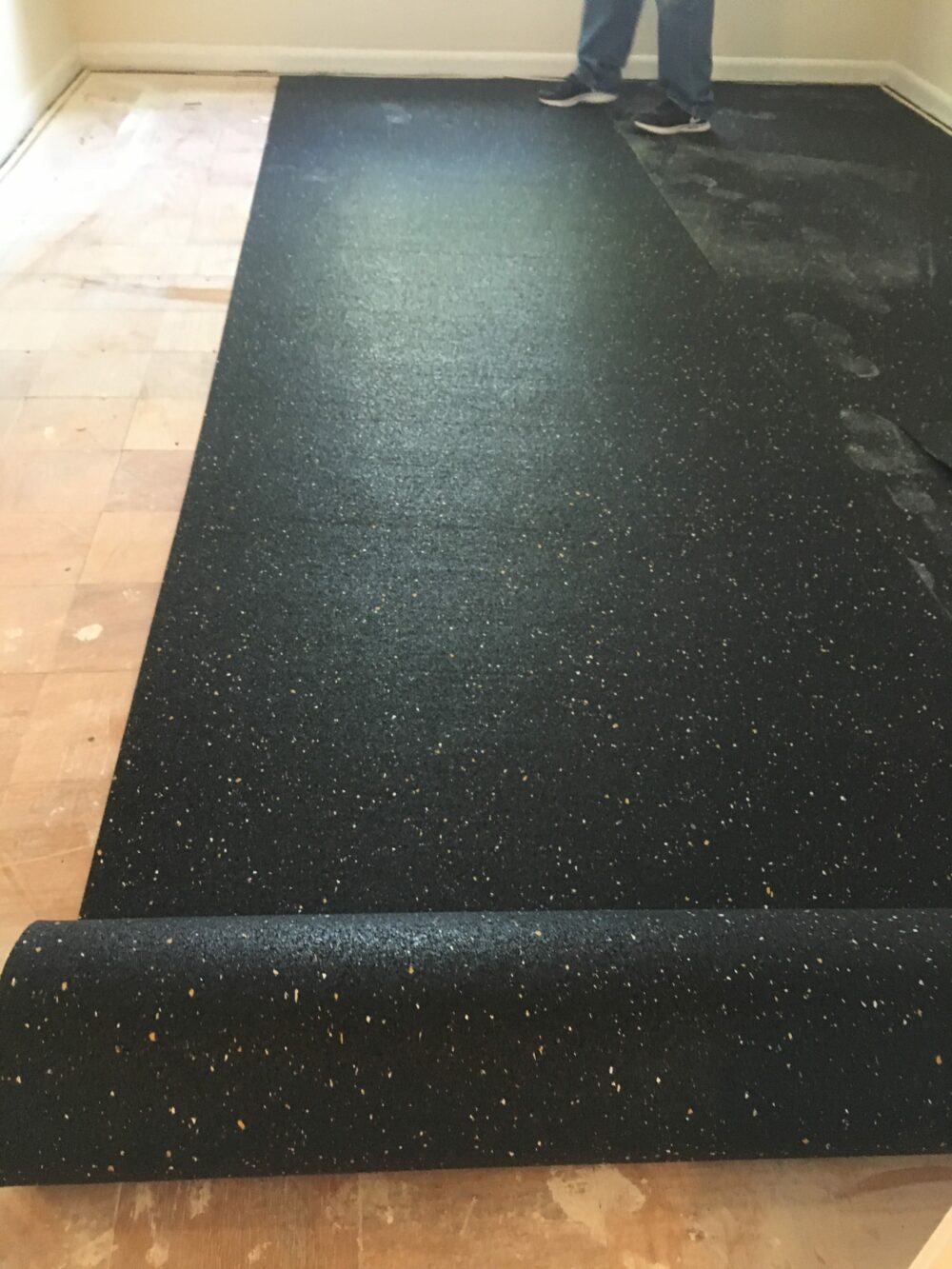
Acoustic underlays help reduce noise. They are placed under floors. Thick underlays work best. They absorb sound well. Easy to install. They fit most floor types. Great for homes and offices.
Soundproof mats block noise. Heavy mats work better. They are placed on floors. Durable and long-lasting. They can be used in high-traffic areas. Simple to use. Ideal for loud rooms.
Carpet and rugs reduce noise. Soft materials absorb sound. Thick carpets are best. They cover large areas. Easy to clean. They add warmth to rooms. Affordable and effective.
Techniques For Soundproofing
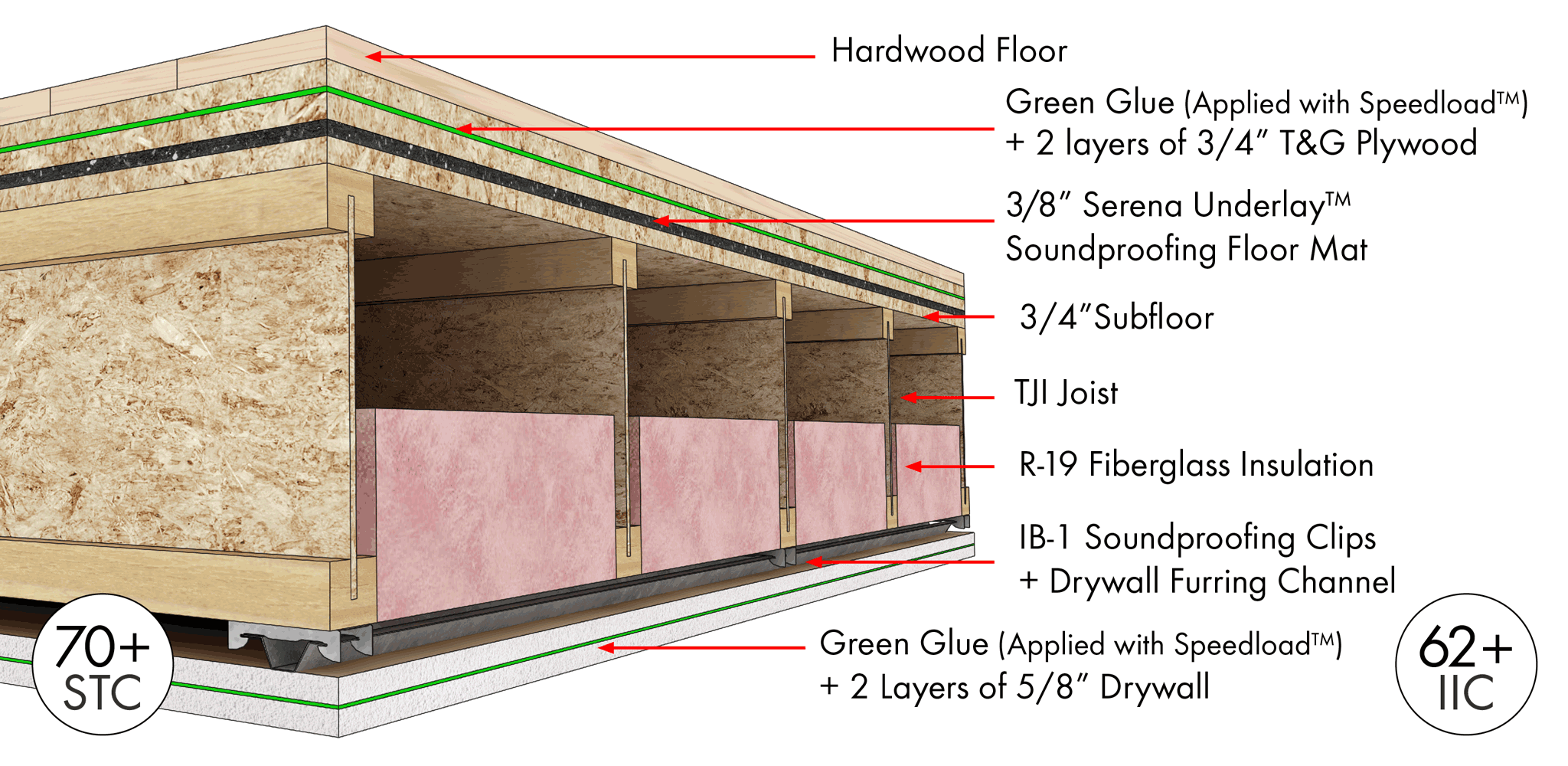
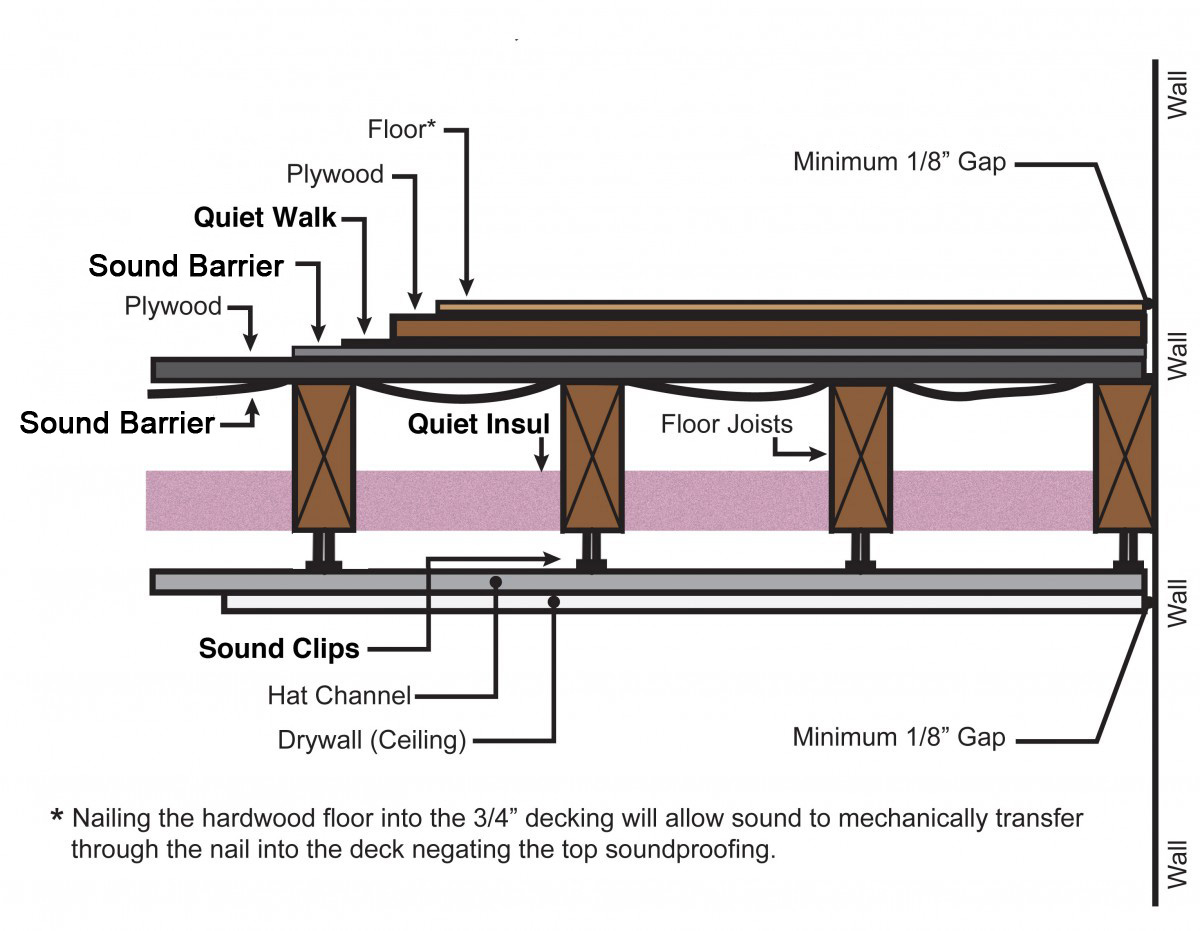
Floating floors do not attach to the subfloor. They rest on a layer of cushioning. This helps to absorb sound and reduce noise. The floor can be made of wood, laminate, or vinyl. The underlayer is often made of rubber or foam. This setup minimizes vibrations. It makes your room quieter.
Decoupling creates space between surfaces. This stops sound from traveling. Use resilient channels or clips. They separate the floor from the walls. This breaks the sound path. Noise cannot move through solid connections. This method is effective for soundproofing.
More mass means less sound. Use thicker materials for flooring. Add layers like mass-loaded vinyl. Heavy carpets can help too. Mass blocks sound waves. This makes the floor soundproof. Choose materials that are dense. They will absorb more sound.
Installation Tips
Soundproofing a floor needs some preparation. First, check the floor’s condition. Look for any cracks or gaps. Fix these before starting. Measure the floor space carefully. This helps in buying the right amount of materials. Plan the layout of the materials. A clear plan saves time and effort.
Picking the right materials is key. There are many options. Acoustic foam and mass-loaded vinyl are popular. Carpet padding can also reduce noise. Think about your budget. Some materials are more expensive. Make sure they fit your needs.
Decide if you’ll hire a professional. Professionals have experience and tools. They can finish the job quickly. DIY is an option too. It can save money. But it might take longer. Think about your skills and time. Choose what works best for you.
Common Mistakes To Avoid
Skipping the underlayment is a common mistake. Underlayment helps in reducing noise. Many people choose thin carpets. Thicker carpets absorb more sound. Ignoring gaps between floorboards can be noisy. Seal the gaps for better results. People often use the wrong materials. Choose materials specifically for soundproofing. Overlooking the edges and corners can lead to noise leaks. Always soundproof these areas. Some people forget about doorways. Soundproof doors are important too. Not all floors are the same. Research your floor type before soundproofing. Using only one method might not work. Combine methods for best results. Avoid these mistakes for a quieter home.
Cost Considerations
Soundproofing a floor can be affordable. Use carpets or rugs to reduce noise. Thick carpets work best. They absorb sound and look nice. Try foam mats. They are cheap and easy to place. Also, use door sweeps. They help block sounds from below. Underlayment is another choice. It goes under your floor. This helps with noise and adds comfort.
Investing in quality materials can save money over time. Use acoustic panels for better soundproofing. They are more effective. Cork flooring is a great option. It is durable and reduces noise. Double-layer drywall is another solution. It blocks sound well. Subfloor barriers can be added for extra protection. These options may cost more now but help in the future.
Maintenance Of Soundproofed Floors
Regular cleaning helps keep your soundproof floor in top shape. Use a soft broom or vacuum to remove dust. Avoid harsh chemicals that might damage the surface. Water spills should be cleaned quickly to prevent damage.
Inspect your floor for any signs of wear. Look for cracks or gaps that might let noise through. Small repairs can be done using sealant. This keeps your floor effective at blocking sound.
Furniture pads are important. They prevent scratches and reduce noise. Check these pads often to make sure they are intact. Replace them if they wear out. Proper maintenance ensures your soundproof floor lasts longer.
Frequently Asked Questions
What Materials Are Best For Soundproofing Floors?
To soundproof a floor, use materials like mass loaded vinyl, rubber underlayment, or acoustic foam panels. These materials effectively reduce sound transmission by absorbing vibrations and blocking noise. Combining different materials can enhance soundproofing, ensuring a quieter environment. Consider your specific needs and budget when choosing the best option.
Can Soundproofing A Floor Reduce Echo?
Yes, soundproofing a floor can reduce echo significantly. By absorbing sound waves, materials like carpet or acoustic underlayment minimize echo. This creates a more pleasant acoustic environment. Echo reduction is particularly beneficial in large rooms or spaces with hard surfaces.
Consider adding rugs or carpets for effective sound absorption.
Does Floor Soundproofing Affect Thermal Insulation?
Floor soundproofing can improve thermal insulation. Many soundproofing materials also provide thermal benefits. They help maintain temperature by reducing heat loss through floors. This dual functionality makes soundproofing materials a practical choice for energy efficiency. Consider materials like cork or rubber underlayment for both sound and thermal insulation.
How Much Does It Cost To Soundproof A Floor?
The cost to soundproof a floor varies based on materials and methods used. Basic options like carpets are cheaper, while advanced solutions like mass loaded vinyl are pricier. Costs can range from $1 to $5 per square foot. Evaluate your budget and soundproofing needs to find the most cost-effective solution.
Conclusion
Soundproofing your floor makes your home quieter and more peaceful. Simple materials like rugs and carpets help a lot. Using soundproofing mats or underlays can reduce noise. Seal gaps in your floor for better results. You can enjoy a calm space with these easy steps.
Always choose materials that fit your budget and needs. Explore different options to find the best solution. Experiment and see what works best for your home. Remember, a peaceful home enhances relaxation and comfort. Start today and experience the difference.