

Imagine walking into a hospital, feeling a mix of emotions. You may be anxious, hopeful, or curious, especially if you’re unfamiliar with its various departments.
One crucial area is the Medical Surgical Floor. What exactly happens here? Why is it important for you and your loved ones? The answers might surprise you. This floor is often the heart of a hospital, bustling with activity and dedicated professionals.
It plays a vital role in patient care, making it essential for you to understand its function and significance. By the end of this article, you’ll gain insights into why the Medical Surgical Floor is a cornerstone of hospital operations and how it impacts your healthcare experience. Let’s unravel the mystery together and discover the vital role it plays in your health journey.
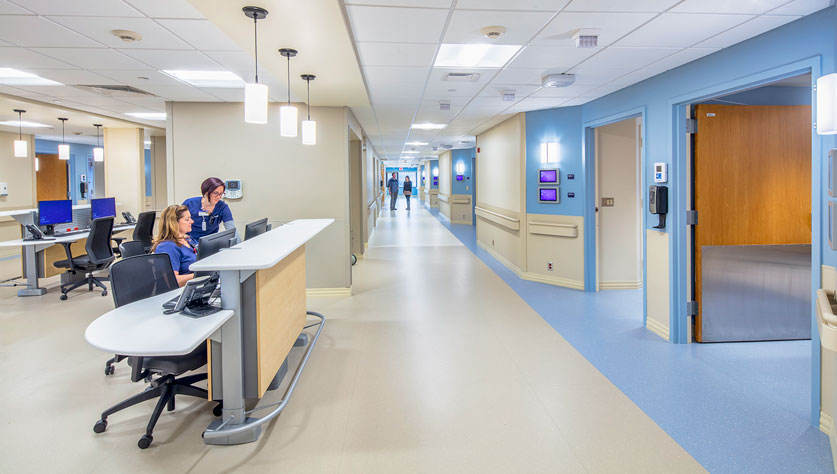
Medical Surgical Floor Defined
The medical surgical floor is a part of a hospital. Patients here need care after surgery. Nurses and doctors work together. They help patients heal and get better.
This floor is very busy. Many patients come and go. Each patient has different needs. The staff must be ready for anything. They help with pain and watch for problems.
Tools and equipment are important. They help doctors and nurses do their jobs. Clean and safe rooms make healing easier. Families can visit patients here. They give love and support.

Role In Patient Care
The medical surgical floor cares for many patients. Patients here have different needs. Some have just had surgery. Others are recovering from illness. Children and adults both get care here. Each patient is unique. Nurses and doctors work hard. They make sure everyone gets the right care. Safety and comfort are important. The team keeps a close watch on all patients. This helps them get better faster.
Many treatments happen on this floor. Surgeries are a big part. Patients may have bandages changed. Doctors check wounds often. Nurses give medicines when needed. Some patients get help to walk again. Machines might help with breathing. Physical therapy is common too. Every treatment helps in recovery. The team works together for the best care.
Staff And Team Members
Nurses play a vital role on the medical surgical floor. They provide care to patients. They monitor vital signs like heartbeat and breathing. Nurses give medicines to patients at the right time. They help patients with daily tasks like bathing and eating. Nurses also keep track of medical records. They talk to doctors about patients’ needs. Nurses are the heart of patient care.
Support staff help make the medical surgical floor run smoothly. Cleaning staff keep the area tidy and safe. They make sure rooms are clean for new patients. Technicians help with machines and equipment. They ensure all devices work well. Administrative staff handle paperwork. They organize patients’ files and check-ins. Support staff are important for a well-functioning floor.

Daily Operations
The medical surgical floor is busy every day. Patients arrive for treatment. Each patient has a unique need. Admission starts with paperwork. Nurses and staff check details. Rooms are assigned based on the patient’s needs. During discharge, nurses explain care instructions. Patients are guided through the process. They receive medication information. Staff ensures all questions are answered. Discharge is smooth for everyone involved.
Nurses keep a close watch on patients. They check vital signs regularly. Important signs include blood pressure and heart rate. Each patient’s condition is monitored. Nurses perform assessments to track recovery. They check pain levels often. Assessments ensure patients receive proper care. Nurses report findings to doctors. They update treatment plans as needed. Monitoring helps catch problems early. Patients feel safe and cared for.
Technologies And Equipment
Medical surgical floors have various diagnostic tools. These tools help doctors understand patient conditions. X-ray machines are common. They take pictures of bones. Ultrasound machines show images of organs. They use sound waves. MRI machines give detailed pictures of the body. These machines help diagnose problems. Blood tests check for diseases. They look for germs and other issues. Each tool plays a role in patient care.
Patients need monitoring on medical surgical floors. Machines check heartbeats. They also check breathing. Some machines look at oxygen levels. Others watch blood pressure. Alarms sound if something goes wrong. Nurses and doctors get alerts. Monitors help keep patients safe. They give doctors important information. It helps in making quick decisions. Monitoring is crucial in hospitals.
Challenges And Solutions
Medical surgical floors need many nurses. Sometimes, there are not enough. This causes stress. Nurses work longer hours. They feel tired. Tired nurses make mistakes. This is not safe for patients. Hospitals must hire more staff. Training is also important. New staff need good training.
Patient safety is very important. Busy nurses may forget things. They might give the wrong medicine. This is bad for patients. Hospitals can use technology. Machines help check medicines. They remind nurses too. Patients feel safe with good care. Good communication is also needed. Nurses must talk well with doctors.
Future Trends
Medical surgical floors focus on patient care for those recovering from surgery or managing complex health conditions. These hospital units provide essential monitoring and treatment, ensuring patients receive timely, personalized care. Future trends may include advanced technology to improve patient outcomes and streamline healthcare processes.
Innovations In Patient Care
New tools and methods are helping patients heal better. Robots can help doctors in surgeries. Smart beds track how patients move. This helps nurses give better care. Machines can find problems before they get worse. This saves time and keeps patients safe. Nurses and doctors use apps to check patient health faster. This means fewer mistakes and quicker help.
Impact Of Telemedicine
Patients can talk to doctors without leaving home. This is called telemedicine. It helps when patients live far from hospitals. Doctors use video calls to see patients. They give advice and check-ups this way. Telemedicine saves time and travel costs. It makes healthcare easy for everyone. Patients feel happy because they get help fast. Doctors can reach more people this way.
Frequently Asked Questions
What Is A Medical Surgical Floor?
A medical surgical floor is a hospital unit specializing in post-operative care. It provides treatment for patients recovering from surgery. Staffed by skilled nurses and healthcare professionals, it ensures proper care and monitoring. The unit is equipped with necessary medical equipment to support patient recovery.
How Does A Medical Surgical Floor Function?
A medical surgical floor functions by offering specialized care for post-surgical patients. Nurses monitor vital signs and manage pain. They coordinate with doctors for treatment plans. The unit ensures patients receive medications and wound care. It’s designed to facilitate recovery and prevent complications.
Who Works On A Medical Surgical Floor?
A medical surgical floor is staffed by registered nurses, patient care technicians, and doctors. Nurses provide direct patient care and monitor recovery. Technicians assist with daily activities and ensure comfort. Doctors oversee treatment plans and make necessary adjustments. This team collaborates for efficient patient care.
What Equipment Is Found On A Medical Surgical Floor?
A medical surgical floor is equipped with monitoring devices, IV pumps, and wound care supplies. Monitoring devices track vital signs continuously. IV pumps administer medications and fluids. Wound care supplies are used for dressing changes. This equipment helps in maintaining patient safety and recovery.
Conclusion
Understanding the medical surgical floor is vital for patient care. It bridges the gap between surgery and recovery. Nurses play a key role here. They ensure each patient’s comfort and safety. This floor is bustling, yet organized. Patients receive tailored care, focusing on their needs.
Efficient processes help quick recoveries. Families can feel assured knowing loved ones are in capable hands. Clear communication makes everything smoother. Trust in the dedicated team. The medical surgical floor stands as a pillar in healthcare. It continues to support healing journeys every day.