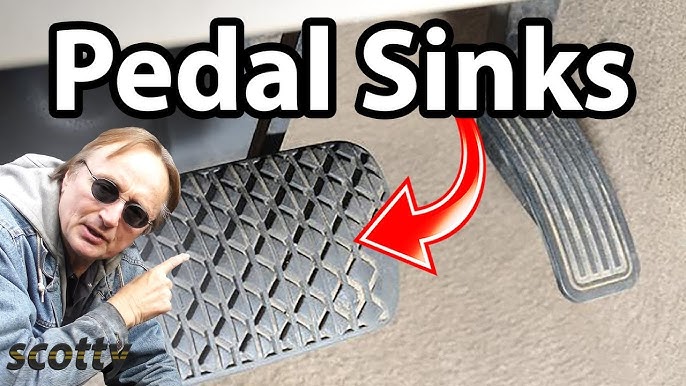

Imagine you’re driving and suddenly feel your brake pedal sinking all the way to the floor. Your heart races, and panic sets in.
What happened? And more importantly, what should you do? If you’ve ever experienced this unnerving situation, you’re not alone. It’s crucial to understand why this happens and how to fix it before hitting the road again. Your safety and peace of mind depend on it.
You’ll discover the common causes behind a failing brake pedal, learn how to identify warning signs, and find out the essential steps to ensure your brakes are reliable. Stay with us to get back on the road safely and confidently.
 Floor: Urgent Fixes”/>
Common Causes Of Brake Pedal Issues
Brake fluid is very important. It helps brakes work well. A leak can cause the pedal to go down. Check for wet spots under the car. A leak can happen in the brake lines. Sometimes in the brake calipers too. Fixing it is important. Leaks can make brakes dangerous.
The master cylinder pushes the brake fluid. It helps the brakes work. If it fails, the pedal goes to the floor. This part can wear out. Old cars might have this problem. Replacing the cylinder can help. Check it often to stay safe.
Air in brake lines is bad. Brakes need fluid only. Air makes brakes soft. The pedal can go down. Bleeding the brakes can remove air. This means taking the air out. It helps the brakes work better. Make sure no air gets in.
Identifying Brake Fluid Leaks
Signs of fluid loss can be easy to notice. A spongy brake pedal is a big clue. You might need to press the pedal harder. It can feel soft or mushy. Look for puddles under the car. These can be clear or yellowish.
Inspecting brake lines is another step. Check for wet spots on the lines. Rust or cracks are also bad signs. Make sure the lines are dry and strong. Leaks can make brakes fail.
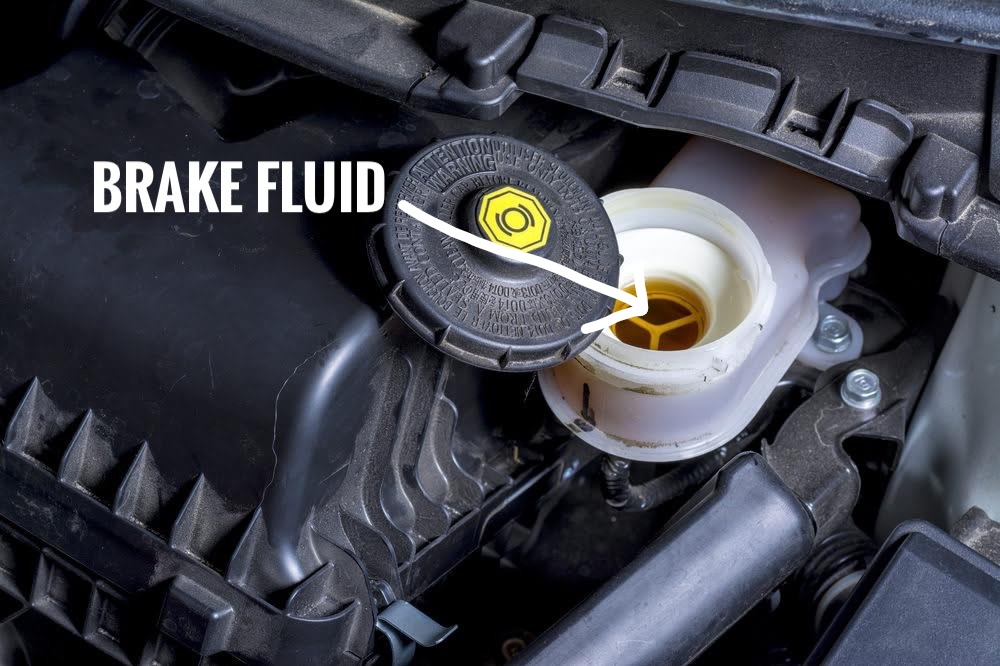
Checking brake fluid reservoir is very important. Open the hood to find the reservoir. It is usually on the driver’s side. Look at the fluid level. It should be between the marks. Low fluid can mean a leak. Fill it if needed, but check for leaks too.
Master Cylinder Problems
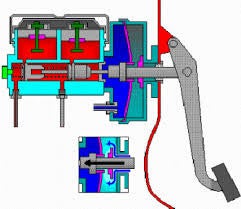
The master cylinder is an important part of your car’s brake system. It pushes brake fluid through the lines. This helps the brakes stop the car. The cylinder has a piston inside. When you press the brake pedal, the piston moves. This sends fluid to the brakes.
If the master cylinder fails, the brake pedal might feel soft. It may go all the way to the floor. This is dangerous. You may also notice fluid leaks. Another symptom is poor brake response. The car might not stop as quickly as before.
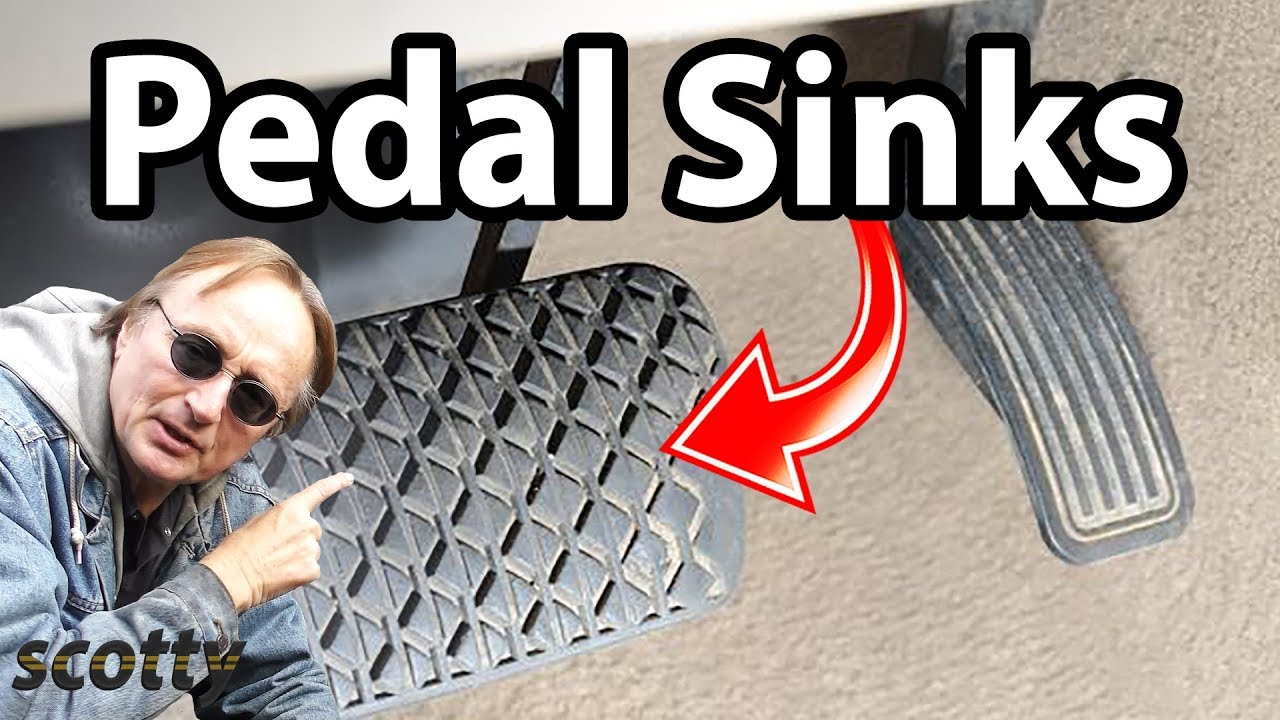
Air In Brake Lines
Air in brake lines can cause the brake pedal to sink to the floor. This happens because air reduces hydraulic pressure, making it hard to stop the car. To fix this, bleed the brakes to remove trapped air.
Causes Of Air Entrapment
Air can get trapped in brake lines. This happens during brake repairs. It might occur if brake fluid is low. Leaks in brake lines can also cause it. Air makes the brake pedal feel soft. It can go all the way to the floor.
Bleeding The Brake System
Bleeding helps remove air from brakes. It makes the brakes work better. Mechanics often bleed brakes during service. The process involves pushing fluid through lines. Air bubbles are forced out. This makes brakes feel firm again.
Emergency Solutions
Brake fluid can be checked. A low level may cause issues. Top it up. Use the correct type. This can help temporarily. Pump the brake pedal quickly. This builds pressure. It may improve braking for a short time.
Drive slowly. Keep a safe distance from other cars. Use the handbrake gently. This helps slow down your car. Avoid sudden stops. Plan your route. Choose less busy roads. Keep calm. Focus on safe driving.
When To Seek Professional Help
Your brake pedal should feel firm when pressed. If it goes to the floor, this is a serious warning. Brake fluid leaks can cause this problem. Another cause might be air in the brake lines. These issues reduce braking power. It’s important to fix them quickly. Listen for squeaking or grinding noises. They mean the brake pads might be worn out. Vibrations while braking also signal trouble. Dashboard warning lights should never be ignored.
Find a trustworthy mechanic to check your brakes. Ask friends for recommendations. Read online reviews for mechanics nearby. Look for certified professionals. They have special training. Compare prices from different places. A good mechanic will explain the problem clearly. They will also offer fair solutions. Make sure they use quality parts for repairs. This ensures your car is safe.
Preventative Maintenance Tips
Regular checks of your brake system keep you safe. Look for wear and tear on the brake pads. Listen for strange noises when pressing the brake pedal. Ensure the brake lines are not leaking. A small leak can lead to a bigger problem. Check the brake lights too. They should work every time you press the pedal.
Always keep an eye on your brake fluid levels. Low levels can make your brake pedal feel soft. Use the right type of brake fluid for your car. Look for dark or dirty fluid. This means it’s time to change it. Fresh fluid helps brakes work better. Topping up is not enough. A full change is sometimes needed.
Frequently Asked Questions
Why Does My Brake Pedal Feel Spongy?
A spongy brake pedal often indicates air in the brake lines. Air can reduce the hydraulic pressure needed to stop your vehicle effectively. This issue requires prompt attention, as it can compromise braking performance. Bleeding the brakes usually resolves the problem by removing trapped air.
What Causes Brake Pedal To Sink To The Floor?
A sinking brake pedal is usually due to a brake fluid leak. This can occur from worn-out seals, damaged brake lines, or a faulty master cylinder. It’s crucial to fix this issue immediately, as it can lead to brake failure.
Regular maintenance can help prevent such problems.
How Do I Fix A Soft Brake Pedal?
To fix a soft brake pedal, first check for air in the brake lines. Bleeding the brakes can help remove trapped air. Inspect for brake fluid leaks and repair them promptly. Regularly check the brake system for wear and tear to ensure optimal performance and safety.
Is It Safe To Drive With A Low Brake Pedal?
Driving with a low brake pedal is unsafe. It often indicates a problem in the braking system, such as a fluid leak or air in the lines. Immediate inspection and repair are essential to ensure your safety on the road.
Always prioritize brake issues to avoid accidents.
Conclusion
Understanding brake issues can prevent accidents. Brake pedals hitting the floor signal problems. Check for fluid leaks. Inspect the master cylinder. Both affect braking. Don’t ignore unusual noises. Seek professional help if unsure. Regular maintenance keeps brakes reliable. Safety on the road matters.
Address brake concerns immediately. Your car and safety depend on it. Brakes are crucial. Keep them in top shape. Stay safe, drive confidently. Remember, your life is precious. Fix brake issues early. Avoid potential dangers. Always prioritize safety. Proper brake care ensures peace of mind.
Make your driving experience safe and smooth.