
Imagine stepping into a room and feeling the floor beneath you. Have you ever wondered what lies beneath the surface?
When it comes to your home, there’s more to your floor than meets the eye. Beneath that polished hardwood or cozy carpet is a crucial layer known as the subfloor. You might not pay much attention to it, but the subfloor plays a vital role in the safety and durability of your floors.
Think of it as the hidden hero that supports everything above it. Knowing what a subfloor is can help you make informed decisions about your flooring choices and maintenance. Stick around as we uncover the secrets of subfloors—your floors will thank you for it!

Subfloor Basics
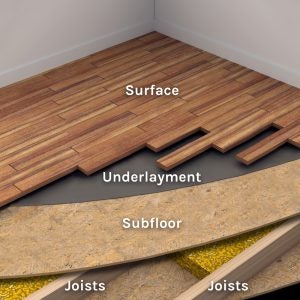
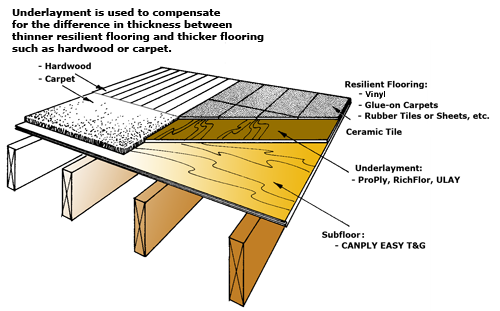
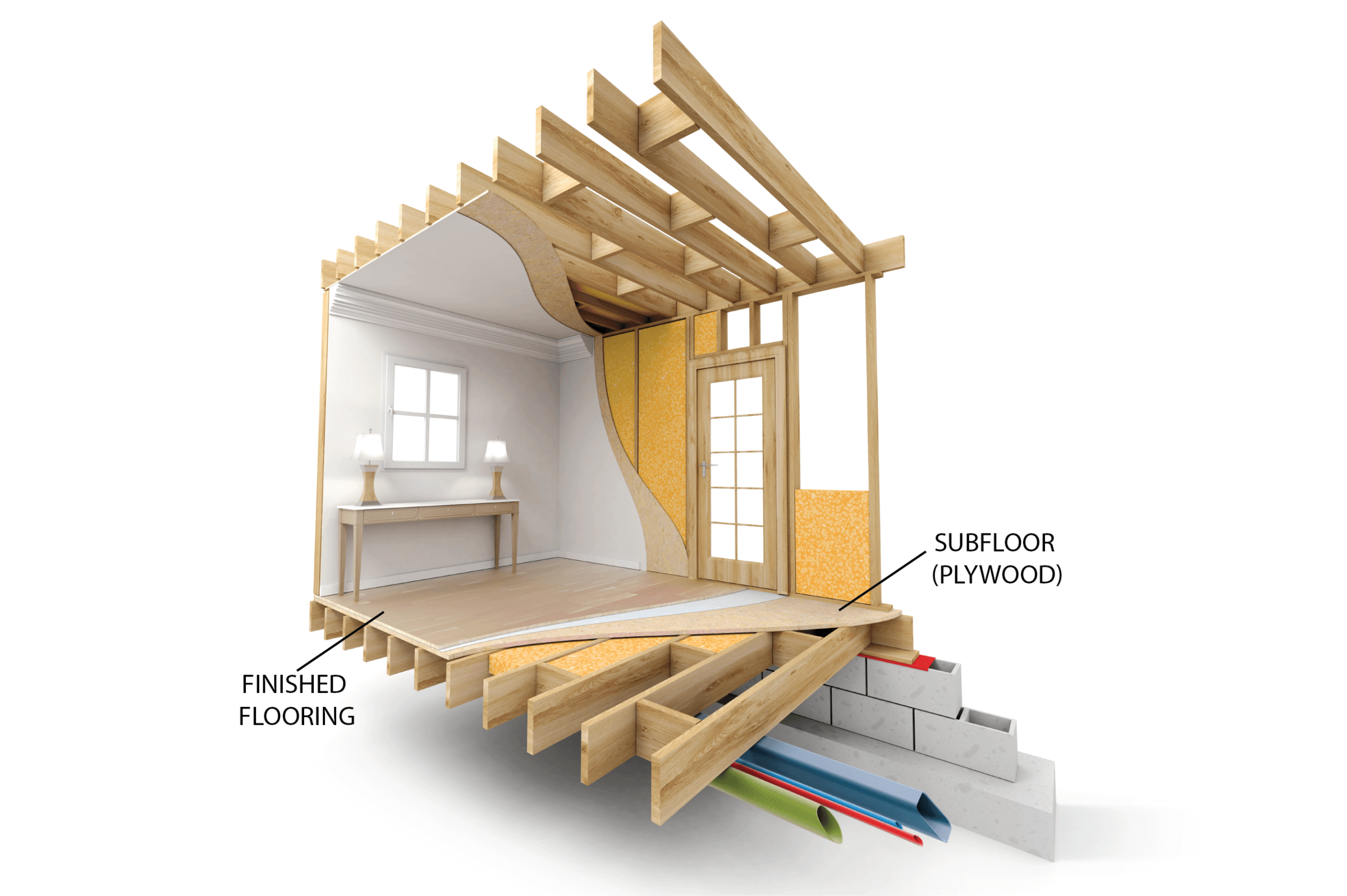
A subfloor is the layer beneath the main floor. It offers support to the flooring above. The subfloor is usually made of wood or concrete. It is a strong base for tiles, carpets, or hardwood.
This layer helps keep floors even and smooth. It also protects the main floor from moisture and damage. Subfloors are essential for a stable and safe floor. Always check if the subfloor is secure before installing new flooring. It must be flat and clean.
Materials Used
Plywood is a strong and durable material. It is made by gluing thin wood sheets together. Plywood is often used because it resists bending. It provides a sturdy base for floors. Many builders choose plywood for its reliability.
Oriented Strand Board, or OSB, is made from wood strands. These strands are glued and pressed together. OSB is cheaper than plywood. It is also strong and holds up well. Builders like OSB for its affordability and strength. It is common in many homes.
Concrete is a hard and long-lasting material. It is made by mixing cement, sand, and water. Concrete is often used in basements. It can handle heavy loads easily. This makes it a good choice for many buildings. Concrete is also resistant to fire and water.
Installation Process
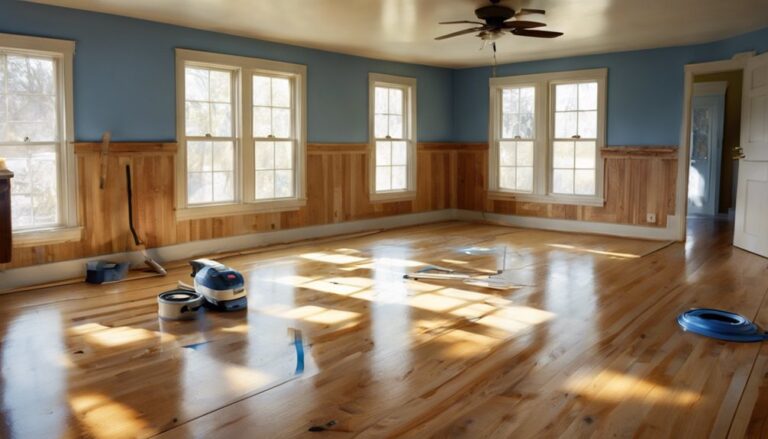
Clean the floor before starting. Remove all dirt and debris. Check for any damage. Repair any broken areas. Ensure the floor is dry. It should be flat and smooth. Use a level to check this.
- Hammer
- Saw
- Measuring tape
- Drill
- Screwdriver
- Level
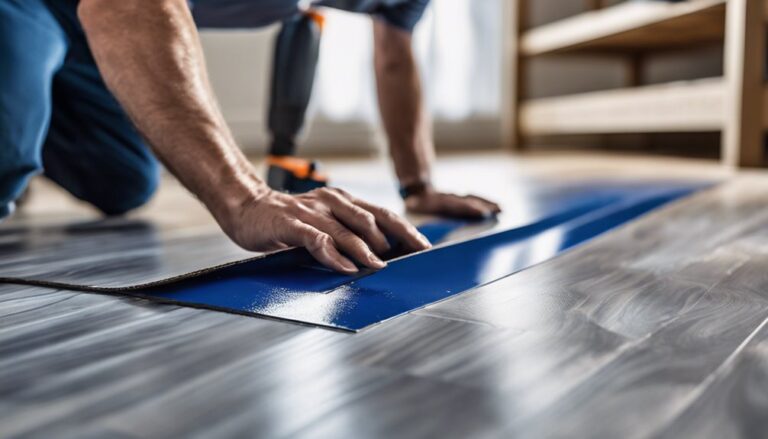
Measure the area first. Cut the sub floor to fit. Lay the pieces down. Use the level to check again. Secure with nails or screws. Space them evenly. Leave gaps for expansion. Check that everything is tight. No pieces should move.
Common Problems
Water can harm sub floors easily. It causes mold and rot. Wooden sub floors get weak and soft. Carpets can smell bad and feel damp. Tiles may crack or lift. Fix leaks and dry areas fast. Check for signs of mold regularly. Protect your sub floor from water damage.
Squeaks are annoying sounds. They happen when boards rub together. Loose nails or screws can cause squeaks. Humidity changes make wood expand and contract. Fix squeaks with extra nails or screws. Use special glue or shims between boards. Get rid of squeaks easily.
Uneven sub floors cause problems. Carpets wrinkle and tiles crack. Furniture wobbles on uneven floors. Unevenness results from bad installation or damage. Use a leveling compound to fix it. Make sure the floor is smooth. Inspect your floor often to keep it even.
Maintenance Tips
Check the sub floor every few months. Look for cracks or damages. Listen for any creaks when walking. This can mean a problem. Use a flashlight for dark corners. Make notes of any changes you find.
Keep the sub floor dry. Water leaks can cause damage. Fix any leaky pipes nearby. Use a dehumidifier if your room is damp. Check for mold and clean it fast. Seal cracks to stop water from getting in.
Small cracks can be filled with wood putty. For bigger issues, use wood patches. Tighten loose nails or screws. Replace damaged boards if needed. Seek help if the problem is too big. Always use the right tools for each repair.
Choosing The Right Subfloor
Think about the strength and durability. The subfloor should handle heavy loads. Consider the moisture resistance. This is important in bathrooms and kitchens. Check if it is easy to install. Time and effort matter. Look at the compatibility with top floors. Some subfloors fit carpets better. Others suit tiles.
Prices can vary a lot. Some options are cheaper. Others are more expensive. Quality often affects cost. Cheaper might mean less durable. Always think about your budget. But also think long-term. Sometimes spending more now saves later.
Some materials are more eco-friendly. Bamboo is a good choice. It grows fast. Check for recycled materials. These help the environment. Look for certifications. They show green standards. Making good choices helps the planet.
Benefits Of A Good Subfloor
A good subfloor makes floors last longer. It supports heavy furniture. It also handles foot traffic. Strong subfloors help prevent damage. They keep your floors looking new. This saves you money on repairs.
Subfloors help keep your home warm. They block cold air from coming in. This reduces heating costs. You stay cozy in winter. In summer, they help keep heat out. Your home stays cool and comfortable.
A good subfloor makes your home quieter. It reduces noise from footsteps. You won’t hear echoes in rooms. This is great for homes with kids. It also helps in apartments. Your neighbors will thank you.
Frequently Asked Questions
What Is The Purpose Of A Subfloor?
A subfloor provides a stable surface for the main flooring. It supports the load and ensures even distribution. Additionally, it helps reduce noise and offers insulation. Subfloors also protect the main floor from moisture. They are crucial for the longevity and performance of the flooring above.
How Is A Subfloor Installed?
Installing a subfloor involves securing plywood or oriented strand board (OSB) to the floor joists. Proper alignment and spacing ensure stability. It’s essential to leave a small gap between panels for expansion. Fasteners like screws or nails are used for attachment.
Professional installation ensures optimal results and durability.
What Materials Are Used For Subfloors?
Common subfloor materials include plywood and oriented strand board (OSB). Plywood is durable and moisture-resistant. OSB is cost-effective and provides good structural support. Both materials are suitable for most residential and commercial applications. The choice depends on budget, preference, and specific project requirements.
Can I Replace A Damaged Subfloor Myself?
Yes, you can replace a damaged subfloor yourself with basic tools. However, it requires careful removal of the old subfloor. You should ensure accurate measurements and proper alignment of the new material. Consider consulting a professional if unsure. Mistakes can lead to structural issues or increased costs.
Conclusion
Understanding sub floors is essential for home improvement. These structures support the main floor. They provide stability and help prevent damage. Sub floors can be made from various materials. Wood, concrete, and plywood are common choices. Each material has its own benefits and drawbacks.
Proper installation is key for longevity. Regular checks can prevent costly repairs. Knowing this helps maintain a safe living space. So, next time you walk on your floor, remember the importance of the sub floor beneath. It’s a hidden hero in your home.