
Imagine waking up in the morning without the familiar twinge of pain in your back. Your sleep transforms into a rejuvenating experience rather than a nightly struggle.
If you’re battling back pain, you’ve likely tried countless remedies, from ergonomic chairs to specialized mattresses. But have you ever considered the simplicity of sleeping on the floor? You might be surprised to learn that this age-old practice could be the secret to easing your back discomfort.
Your curiosity is piqued, isn’t it? This article will guide you through the potential benefits of sleeping on the floor for a bad back, helping you determine whether this straightforward solution is right for you. Stay with us, and discover how a change in sleeping habits might just be the relief you’ve been searching for.

Benefits Of Floor Sleeping
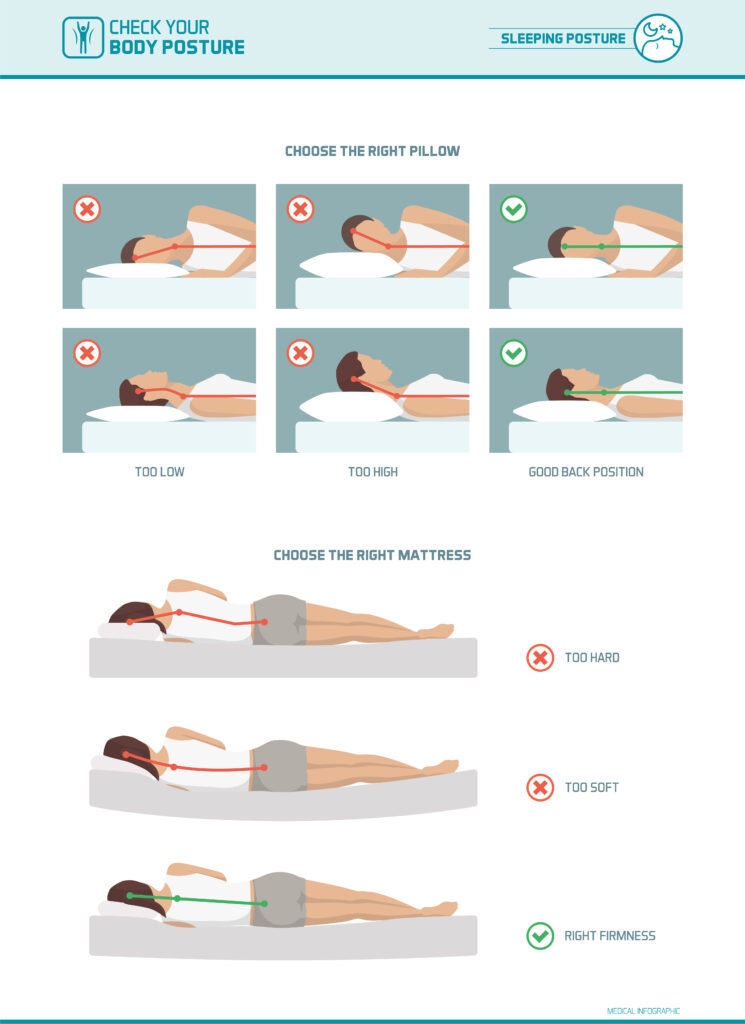
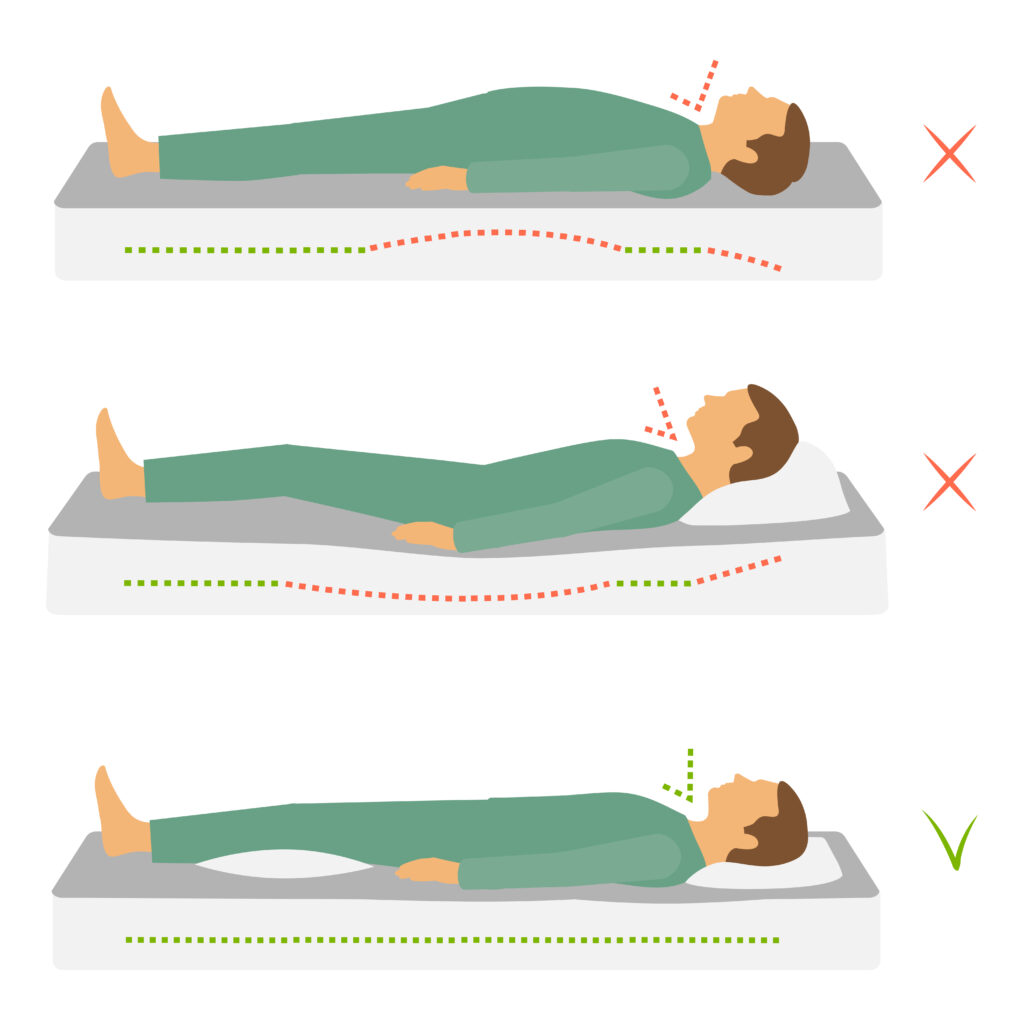
Sleeping on the floor can help keep your spine straight. A firm surface supports your back better. Soft beds might let your spine bend too much. Keeping your spine straight helps it stay healthy.
A hard floor can help reduce pressure on your back. It spreads your weight evenly. This can make you feel less pain. Soft surfaces might cause pressure on certain areas.
Floor sleeping might help your posture. It encourages you to lie straight. Good posture is important for a healthy back. Bad posture can lead to more back pain.
Potential Downsides
Sleeping on the floor might worsen discomfort for some, especially those with sensitive backs. The hard surface can increase pressure on joints. Also, it may lead to poor sleep quality and stiffness.
Lack Of Cushioning
Sleeping on the floor can feel very hard. Beds have a soft layer. Floors do not. This can lead to a lack of support for your back. Your body might not like the hard surface. It can cause pain. A mattress can support your body better.
Initial Discomfort
Lying on the floor may feel strange at first. Your back and sides might hurt. This feeling can last for days. Adjusting takes time. Many people give up because of this. Trying a soft mat might help.
Cold And Hard Surfaces
Floors can be very cold. This can make your body chilly. Cold surfaces are not pleasant to sleep on. Hard surfaces can also bruise your body. A thick blanket can help. But, it may not be enough for everyone.
Scientific Perspectives
Some studies say the firmness of the surface matters. Soft beds might not support the spine well. Floors are firmer, which might help some people. But, not everyone finds it comfortable. Each person’s body is unique. What helps one person might not help another. Studies are still ongoing.
Doctors and therapists have mixed views. Some say a firm surface, like the floor, can align the spine. Others say it could cause discomfort. Experts often recommend trying different options. Listen to your body. See what feels right. Comfort is key.
| Sleeping Surface | Potential Benefits | Possible Drawbacks |
|---|---|---|
| Floor | Firm support, might align spine | Uncomfortable for some, lacks cushioning |
| Bed | Soft, comfortable for many | Might not support spine well |
Personal Experiences
Some people find relief from back pain by sleeping on the floor. Stiff mattresses can worsen back issues. Floor sleeping provides a solid surface. Natural spine alignment happens on the floor. Many report reduced pain after switching. Better sleep quality is also noted. They wake up feeling fresh and pain-free.
Sleeping on the floor is not easy for everyone. Hard surfaces can be uncomfortable. Body aches may occur. Cold floors can be a problem. Adjusting takes time. Many miss their soft beds. Some find it hard to sleep at first. Persistence is key.
Start with a thin mat or blanket. This adds comfort. Gradually lower the padding. Listen to your body. Some find better sleep after adjusting. Patience is needed. Slowly, you will get used to it. Focus on posture. Proper alignment reduces pain.
Alternative Solutions
Orthopedic mattresses can offer great support for a bad back. These mattresses are designed to support the spine. They help keep the body in a natural position. This can reduce pain over time. They are firm but comfortable. Many people find relief with these mattresses.
Supportive pillows can also help with back pain. They provide extra support for the neck and spine. This can help keep the body aligned. Special pillows can be used under knees or back. They are soft and adjust to the body. Many find them very helpful.
Physical therapy is another option. It involves exercises and stretches. These help strengthen the back muscles. A therapist can guide you. They teach the best exercises for your back. Regular sessions can improve posture. Stronger muscles support the back better.

Tips For Trying Floor Sleeping
Start by sleeping on the floor for a few hours. Increase the time slowly each night. This helps your body adjust. A sudden change might cause discomfort. Use a soft mat initially. Over time, switch to a thinner mat.
Choose a comfortable spot on the floor. Avoid too hard or too soft surfaces. A thin mat or blanket can help. Experiment with different setups. Try adding a pillow for neck support. Adjust until you feel comfortable.
Pay attention to how your body feels. Discomfort means something needs adjusting. Consider trying a different mat or position. Stop if you feel pain. Consult a doctor if necessary. Your comfort is the most important.
Frequently Asked Questions
Is Sleeping On The Floor Good For Back Pain?
Sleeping on the floor can provide better spine alignment. It may alleviate back pain for some individuals. However, it’s not suitable for everyone. Consult a healthcare professional before making changes to your sleep setup.
Can Floor Sleeping Improve Posture?
Floor sleeping can encourage proper posture by aligning the spine. It reduces the risk of unnatural curves. However, it might be uncomfortable initially. Use a thin mat or blanket for added support.
What Are The Risks Of Sleeping On The Floor?
Sleeping on the floor can lead to discomfort and stiffness. It might exacerbate existing health issues. Cold floors can also affect sleep quality. Always assess your comfort and health before trying floor sleeping.
How Does Floor Sleeping Affect Sleep Quality?
Floor sleeping can improve sleep quality by promoting alignment. However, it might cause discomfort for some people. Gradually acclimate to this change for better results. A thin mat may help enhance comfort.
Conclusion
Sleeping on the floor might help your bad back. Many find it supportive. The firm surface can align your spine. It may reduce pain. But everyone’s body is different. Some people feel discomfort on hard floors. Consider your comfort level.
Try sleeping on the floor for a night. Notice any changes in your back pain. Consult your doctor if unsure. They know your health best. Explore options that suit you. Make informed choices for your back health. Your comfort matters most in managing pain.