
Imagine stepping onto your tile floor and feeling the smooth, clean surface beneath your feet. It’s a satisfying experience, isn’t it?




But over time, tiles can lose their shine and become prone to stains and damage. That’s where sealing comes in—a simple yet powerful way to protect your tiles and keep them looking new for years. You might be wondering, “Is sealing really necessary?
” Well, here’s the catch: sealing not only enhances the appearance but also adds a layer of defense against dirt, spills, and wear. If you’ve ever wanted to preserve the beauty of your tile floor without the hassle of constant cleaning, you’re in the right place. You’ll discover easy steps to seal your tile floor like a pro, ensuring it stays in top-notch condition. Ready to give your tiles the care they deserve? Let’s dive in!
Choosing The Right Sealant
Sealants keep tiles safe. They block water and stains. There are different types of sealants. Penetrating sealants go deep into tiles. They protect from the inside. Surface sealants sit on top. They give a shiny look. Some sealants are water-based. Others are solvent-based.
Each type has pros and cons. Penetrating sealants last longer. Surface sealants are easy to apply. Water-based sealants have less smell. Solvent-based sealants are stronger. Choose the right one for your needs.
Not all tiles are the same. Ceramic tiles need less sealant. They are already strong. Porcelain tiles are similar. Natural stone tiles need more care. They soak up liquids. Sealants stop this. Glass tiles usually do not need sealant. They are not porous. Think about your tiles before sealing.

Preparation Steps
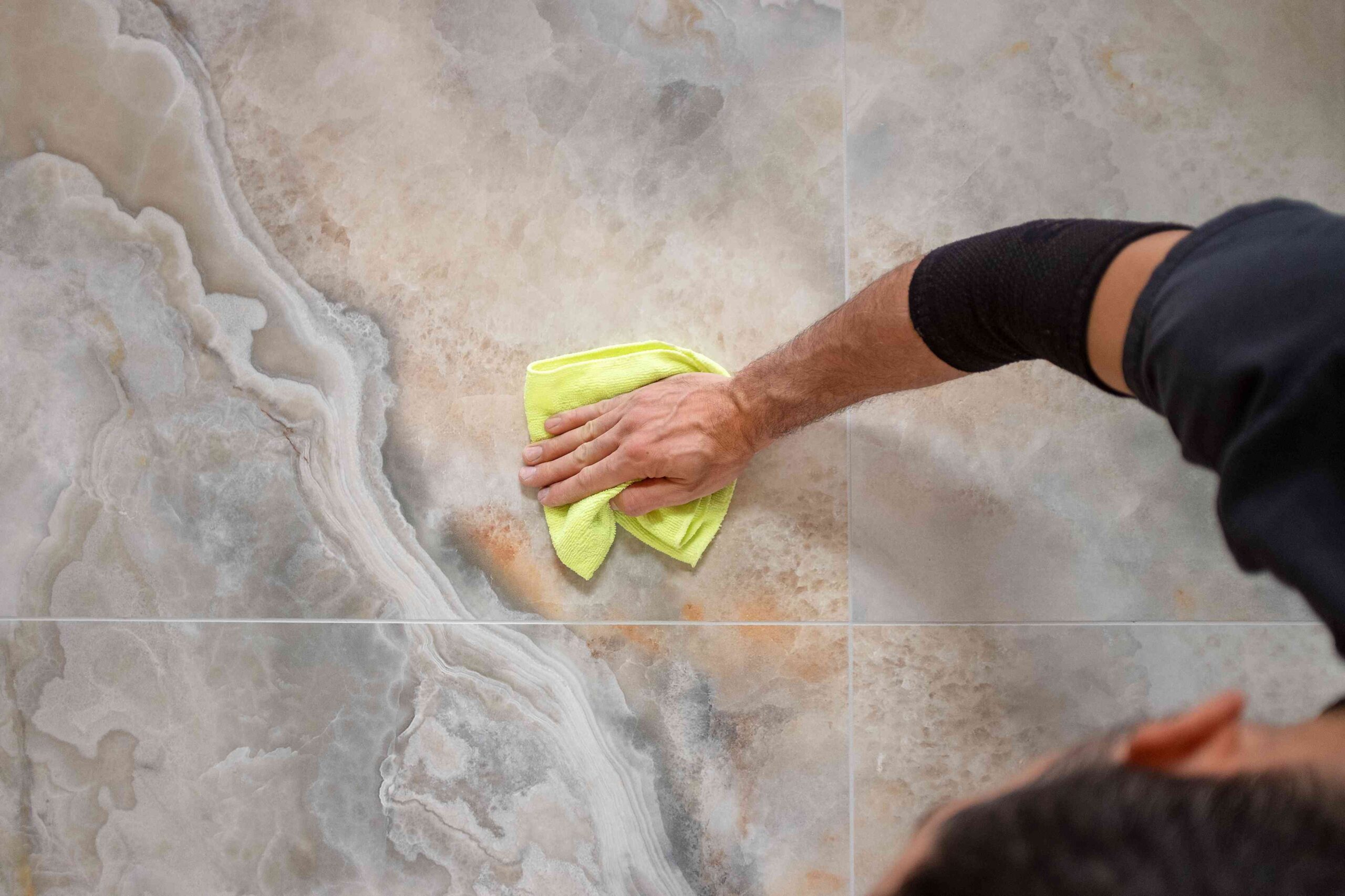
First, sweep the floor to remove any dirt. Use a mop with warm water. Add a mild detergent to the water. Scrub the tiles gently. Make sure to reach the corners. Rinse the tiles with clean water. Dry the floor with a towel. This ensures no water spots. Clean tiles help the sealant stick better.
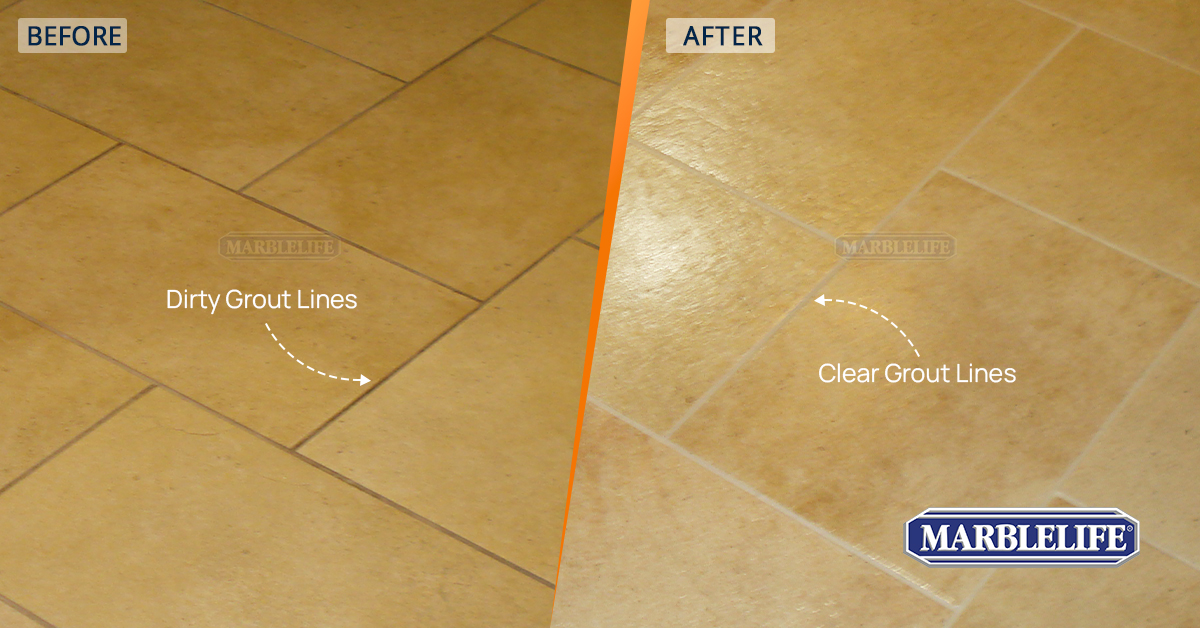
Inspect the tiles for any cracks. Look closely at the grout lines. Small cracks can be fixed with grout. Use a grout sealer for repairs. Larger cracks need special care. Replace broken tiles if necessary. This step ensures a smooth surface. A smooth surface helps the sealant work well.
Application Techniques
Applying sealant to a tile floor involves cleaning the surface thoroughly. Then, evenly spread the sealant using a brush or roller. Allow the sealant to dry completely before using the floor. This helps protect the tiles and grout from stains and damage.
Tools You’ll Need
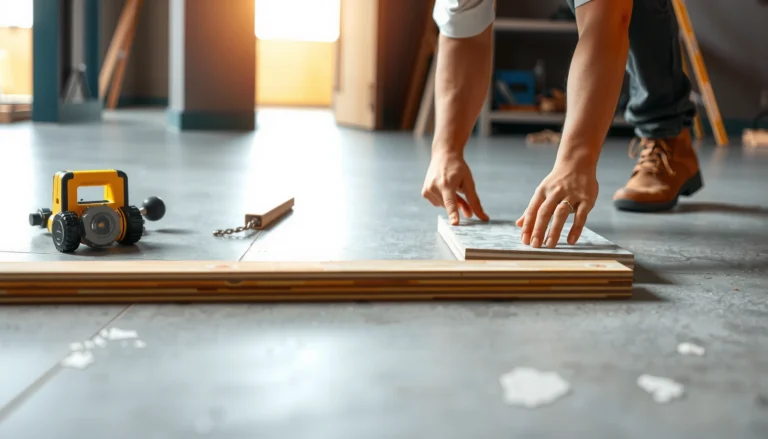
Gather essential tools for sealing tile floors. Use a soft-bristle brush to clean tiles. Apply sealer with a paint roller. Protect your hands with rubber gloves. Keep a bucket nearby for cleaning spills. A mask helps avoid inhaling fumes. Ensure good ventilation in the area. A timer can track drying times. These tools make the job easier.
Step-by-step Application Process
Start by cleaning the tile. Use a brush and water. Let tiles dry completely. Next, pour sealer into a tray. Dip the roller into sealer. Apply evenly over tiles. Avoid too much sealer. Wait for the first coat to dry. Apply a second coat if needed. Let the floor dry again. Check for any missed spots. The tile should now be sealed.
Drying And Curing
Sealing tile floors requires careful drying and curing. A dry surface ensures the sealer adheres properly. Let the sealer cure for a recommended duration to protect the tiles effectively. Proper drying and curing extend the tile’s lifespan.
Drying Time Guidelines
Drying is important for tile floors. Most sealers need at least 24 hours to dry. Some may need more time. Temperature and humidity affect drying. Warm, dry places help the sealer dry faster. Cold, damp areas slow it down. Always check the instructions on the sealer. They tell you the best drying time.
Curing Best Practices
Curing makes the sealer strong. It can take 48 hours or more. Keep the floor clean and dry during this time. Avoid walking on the tiles. Ventilation helps curing. Open windows or doors if possible. Use a fan to circulate air. This helps the sealer bond well.
Maintenance Tips
Regular cleaning keeps tiles looking good. Use a soft mop or cloth. Avoid harsh chemicals. They can harm the tiles. Warm water works best for daily cleaning. Use a gentle cleaner once a week. Make sure to dry tiles after cleaning. Wet tiles can be slippery. Drying helps prevent stains. It also makes the tiles shine.
Tile floors need sealing. Do this every few years. Sealing protects tiles from stains. It keeps tiles strong. Check the tiles often. Look for cracks or worn spots. These mean it’s time to seal again. Sealing is easy. It keeps the tile floor beautiful. It also adds to the tile’s life. Make sure to choose the right sealer. Some sealers work better on specific tiles.
Troubleshooting Common Issues
Sealant haze can be a big problem. It makes tiles look cloudy. Clean tiles with a damp cloth first. Use warm water to wipe off the haze. For stubborn haze, mix water and vinegar. Scrub gently with a soft brush. Rinse with clean water. Let the tiles dry fully. This method keeps your tiles shiny.
Sealant failure can cause water damage. First, identify the failed areas. Remove the old sealant carefully. Clean the tiles thoroughly. Let them dry. Apply new sealant in thin layers. Use a brush for even spread. Ensure complete coverage. Let it dry fully. Test by splashing water. Water should bead up. If not, reapply the sealant.
Frequently Asked Questions
How Do I Prepare Tile Floor For Sealing?
To prepare your tile floor, first clean it thoroughly with a mild detergent. Ensure all dirt, grease, and debris are removed. Allow the floor to dry completely. Check for any damaged tiles and repair them before sealing.
What Is The Best Sealant For Tile Floors?
The best sealant depends on your tile type. Penetrating sealants are ideal for porous tiles like stone. For ceramic and porcelain, surface sealants provide better protection. Always choose a sealant recommended for your specific tile material.
How Often Should I Seal Tile Floors?
Typically, tile floors should be sealed every 2-5 years. The frequency depends on the tile type and foot traffic. High-traffic areas may require more frequent sealing. Regular maintenance checks will help determine when resealing is necessary.
Can I Seal Tile Floors Myself?
Yes, sealing tile floors is a DIY-friendly task. With proper preparation and the right tools, you can seal your floors effectively. Follow instructions on the sealant product and take your time for best results.
Conclusion
Sealing tile floors protects them from damage. It keeps tiles shiny and clean. This simple process saves time and money in the long run. Follow the steps carefully for best results. Choose the right sealer for your tile type. Apply it evenly for a smooth finish.
Let it dry completely before using the floor. Regular maintenance extends the life of your tiles. Clean spills promptly to avoid stains. Sealed tiles resist moisture and dirt. Enjoy a beautiful, lasting floor with proper care. Remember, a well-sealed floor enhances the beauty of your home.