
When it comes to installing new flooring, one decision can dramatically impact the look and feel of your space: the direction in which you lay the flooring. You might be surprised at how much this choice can affect the overall aesthetic and even the perceived size of a room.


As you stand in your home, envisioning the transformation, you might wonder: should the boards go lengthwise, crosswise, or perhaps diagonally? This is not just a matter of style; it’s about creating harmony and flow in your living space. The right direction can enhance natural light, guide the eye, and even influence how furniture fits into your room.
Your choice can set the tone for your home, creating a welcoming atmosphere or a dramatic statement. By the end of this article, you will have the insights to confidently decide the perfect direction to lay your flooring, ensuring your space looks its best. Let’s dive in and explore the nuances of this crucial decision.

Choosing Flooring Direction
Laying flooring in the right direction is important. It can make your room look bigger. Straight lines can lead the eye through the space. Floorboards usually follow the longest wall. This makes your room look longer.
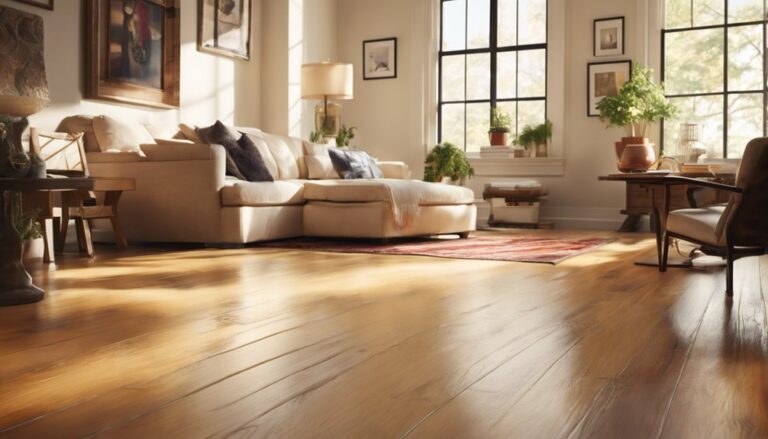
Lighting also plays a big role. Light coming from windows should hit the floor lengthwise. This helps make the room brighter. In narrow spaces, lay boards across the width. This makes the space feel wider.
Rooms with odd shapes need special attention. Boards should follow the main focal point. This makes the room feel balanced. Always plan before starting. This saves time and effort later.
Factors To Consider
Room shape can change how a floor looks. Long rooms feel even longer with floors laid lengthwise. Small rooms seem bigger with floors laid in a diagonal pattern. Size matters too. Bigger rooms can handle more complex patterns. Smaller rooms do well with simple layouts. Think about your room’s shape and size before you start.
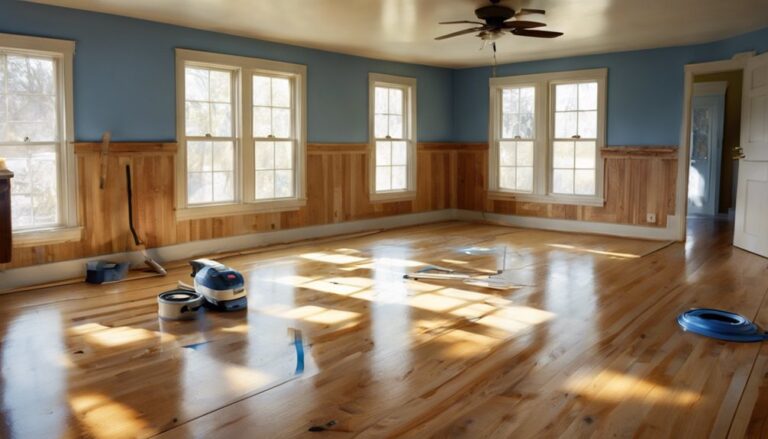
Natural light is important for floors. Light from windows can make floors look different. Floors can look brighter when laid toward windows. This direction catches light better. In darker rooms, lay floors to get more light. This makes the room feel more open. Windows and light direction make a big difference.
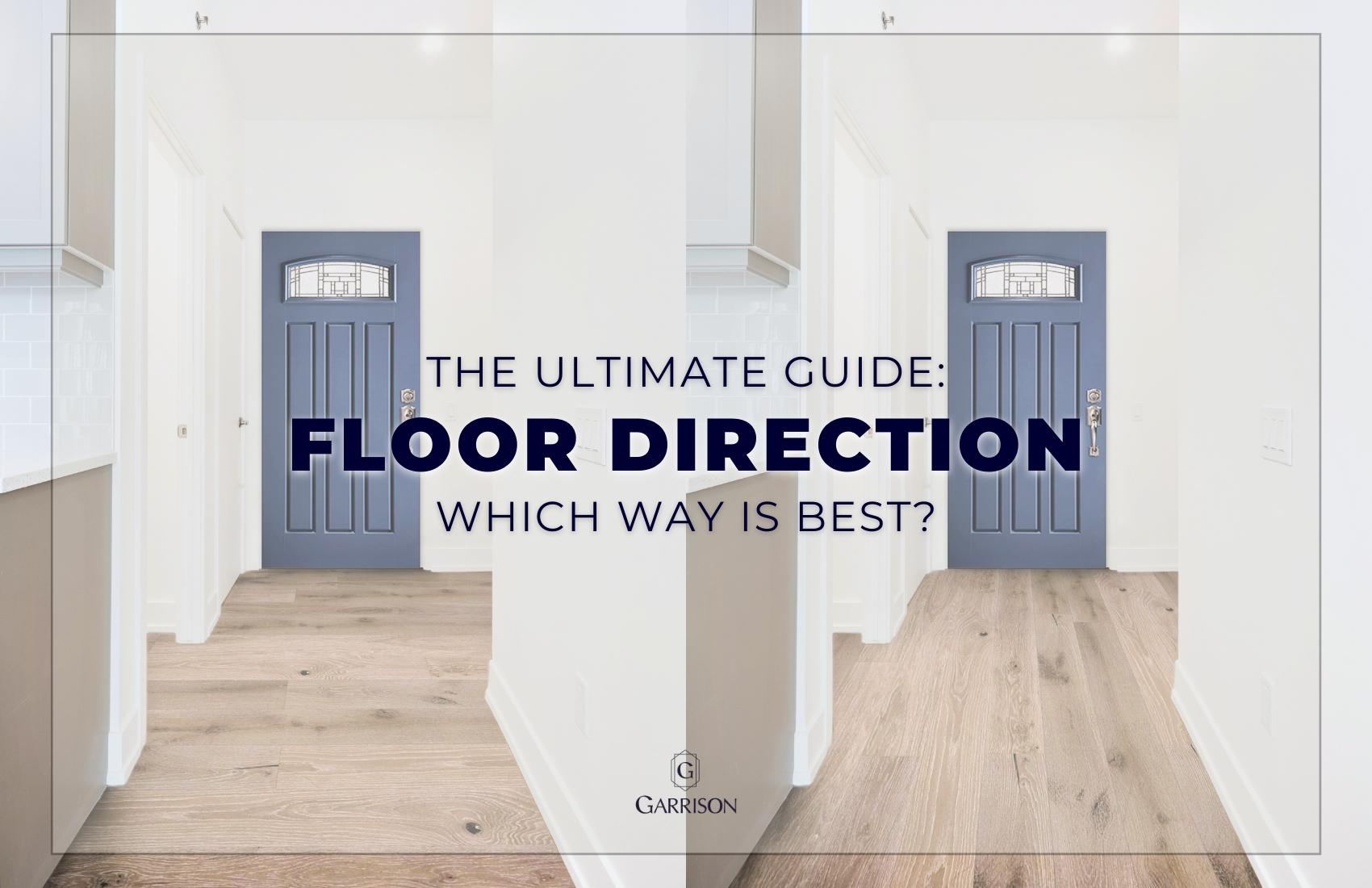
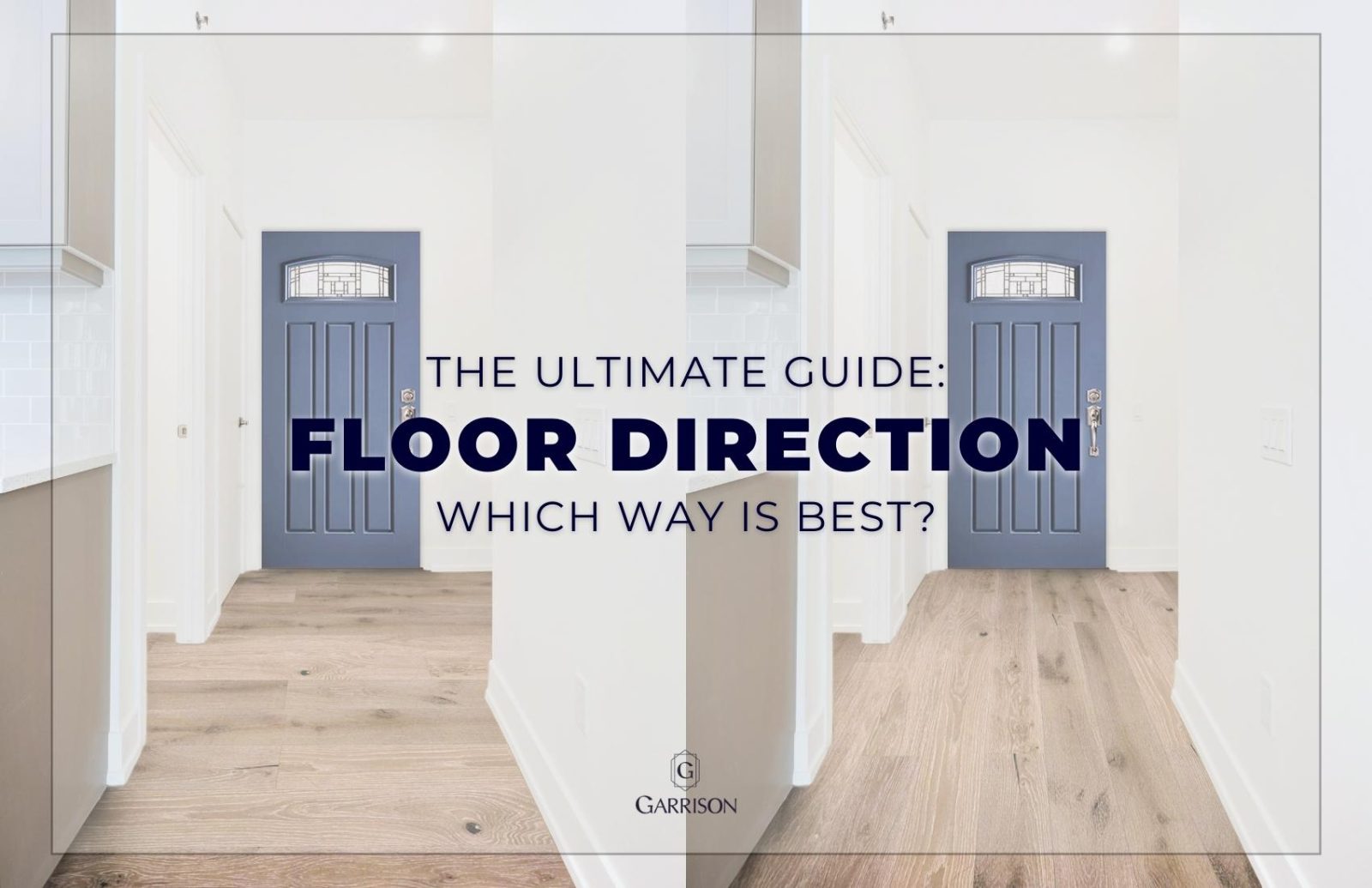
Visual flow is how our eyes move across a room. Floors can guide this flow. Laying floors toward a doorway can welcome people in. It draws the eye forward. Aesthetics is about how nice things look. Choose a floor direction that matches your style. This makes rooms feel pleasant and well-designed.
Directional Patterns
Horizontal flooring makes rooms look wider. It is good for small spaces. Vertical flooring makes ceilings look taller. It is perfect for narrow rooms. Both styles change the room’s look. Choose based on room size and feel. For cozy vibes, go horizontal. For airy spaces, go vertical.
Diagonal flooring is unique. It adds movement to rooms. The pattern hides crooked walls. Diagonal lines make rooms feel larger. It is great for square rooms. Use in living rooms or big kitchens. It adds flair to plain spaces.
Herringbone has a zig-zag style. Each piece fits at an angle. Chevron has a V-shaped design. Both are fancy and stylish. They add drama to floors. Herringbone is more traditional. Chevron looks modern and chic. These patterns are good for hallways and entryways. They make floors a focal point.
Room-specific Guidance
Choosing the right direction to lay flooring can enhance room appearance. Align planks with the longest wall for a spacious feel. Diagonal or herringbone patterns add a unique touch.
Living Rooms And Hallways
Flooring in living rooms should run parallel to the longest wall. This makes the room look bigger. Hallways need flooring that runs lengthwise. It guides the eye down the hall. This direction feels inviting and natural. Use planks or tiles that match the room’s style. Choose colors that blend with the wall paint. Proper direction gives a flow to the space.
Bedrooms And Bathrooms
Bedrooms feel cozy with flooring running towards the main window. Light flows best this way. In bathrooms, lay tiles or planks towards the door. It helps water drain properly. Ensure the flooring is waterproof. Choose soft tones for bedrooms, bright for bathrooms. Correct direction adds comfort and safety.
Kitchens And Dining Areas
Kitchens need flooring laid towards the cabinets. This creates a neat look. Dining areas benefit from flooring running towards the dining table. It highlights the eating space. Choose durable materials for kitchens. Use warm colors for dining spaces. Proper direction enhances functionality and style.
Installation Tips
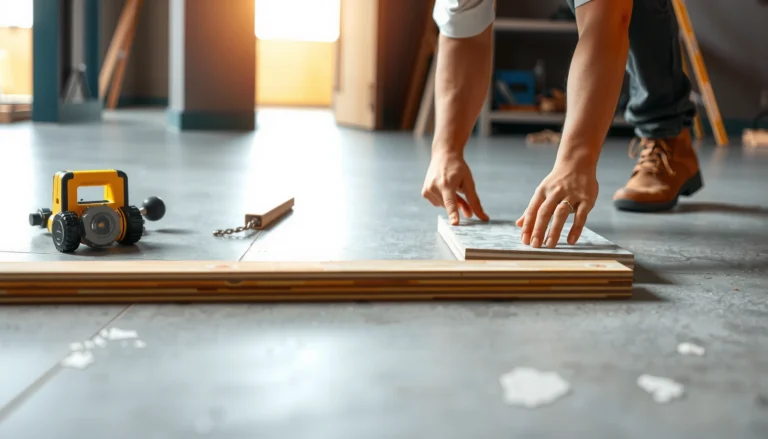
Laying flooring needs the right tools and materials. A tape measure is essential. Use a pencil to mark spots. A saw helps cut pieces. Have a hammer nearby. Nails and glue secure the floor. Don’t forget a level. It checks if the floor is even. Safety goggles protect your eyes. Gloves keep your hands safe. Prepare these tools first. It makes work easier.
Not planning is a big mistake. Always measure twice. Cutting wrong sizes wastes material. Forgetting underlayment can cause problems. It protects the floor. Always follow the grain of the wood. It looks better. Gaps can cause issues. Make sure pieces fit tight. Checking for damage is important. Fix problems before you start.
Expert Insights
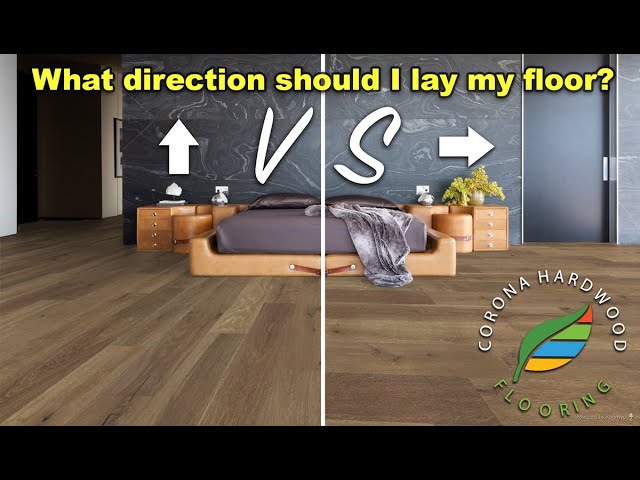
Flooring direction can change the look of a room. Experts suggest laying floorboards parallel to the longest wall. This makes rooms appear larger. For square rooms, the choice is less important. But, light source can guide the decision. Boards laid towards windows look bright and inviting.
In a large hall, boards laid lengthwise create a spacious feel. Small rooms benefit from diagonal placement. This adds interest and dimension. Homes with open plans use consistent direction. This creates a flow from room to room. Always consider the room shape and light. Follow these examples for best results.
Frequently Asked Questions
Should Flooring Run Parallel To Windows?
Running flooring parallel to windows enhances natural light flow. It creates a visual continuity that can make spaces appear larger and more open. This orientation often complements the direction of sunlight, creating a harmonious aesthetic. Consider room layout and design preferences when deciding on the direction for optimal results.
Does Laying Flooring Direction Affect Room Size?
Yes, flooring direction can impact perceived room size. Laying flooring parallel to the longest wall can make the room appear more spacious. This orientation elongates the visual perspective. However, laying perpendicular can create a cozy feel. Choose the direction based on your desired room appearance and function.
Can Flooring Direction Influence Room Design?
Flooring direction significantly impacts room design. It can enhance or diminish architectural features. Parallel lines can lead the eye, emphasizing specific areas. Contrasting direction can create focal points or define zones. Consider your design goals when deciding on flooring orientation for a cohesive look.
Which Direction Suits Narrow Hallways Best?
In narrow hallways, laying flooring lengthwise enhances the space’s elongated appearance. This direction draws the eye down the hall, creating a sense of continuity and flow. It can make the hallway feel more spacious and inviting. Consider the hallway’s width and lighting when choosing this direction.
Conclusion
Choosing the right direction for flooring impacts room feel. Horizontal lines can widen the space visually. Vertical lines create depth, making a room seem longer. Diagonal patterns add interest and style. Consider light direction and room layout. Think about your home’s flow and style.
Balance aesthetics with functionality. A well-planned floor direction enhances your home’s charm. Transform your space with thoughtful choices. Make sure the flooring complements your decor. Reflect on how floor direction can change a room’s vibe. Carefully decide what best suits your vision and lifestyle.
Your floor can elevate the entire space.