
Imagine stepping onto a warm floor on a chilly morning. Heated floors are not just a luxury; they can transform your home into a cozy haven.
But how much do these heated floors actually cost? Whether you’re dreaming of a cozy bathroom or planning to install them throughout your home, understanding the costs involved is crucial. You’ll discover the different factors that influence the price of heated floors, helping you make an informed decision that fits both your comfort and budget.
Dive in to find out if the warmth of heated floors is within your reach.
Types Of Heated Floors
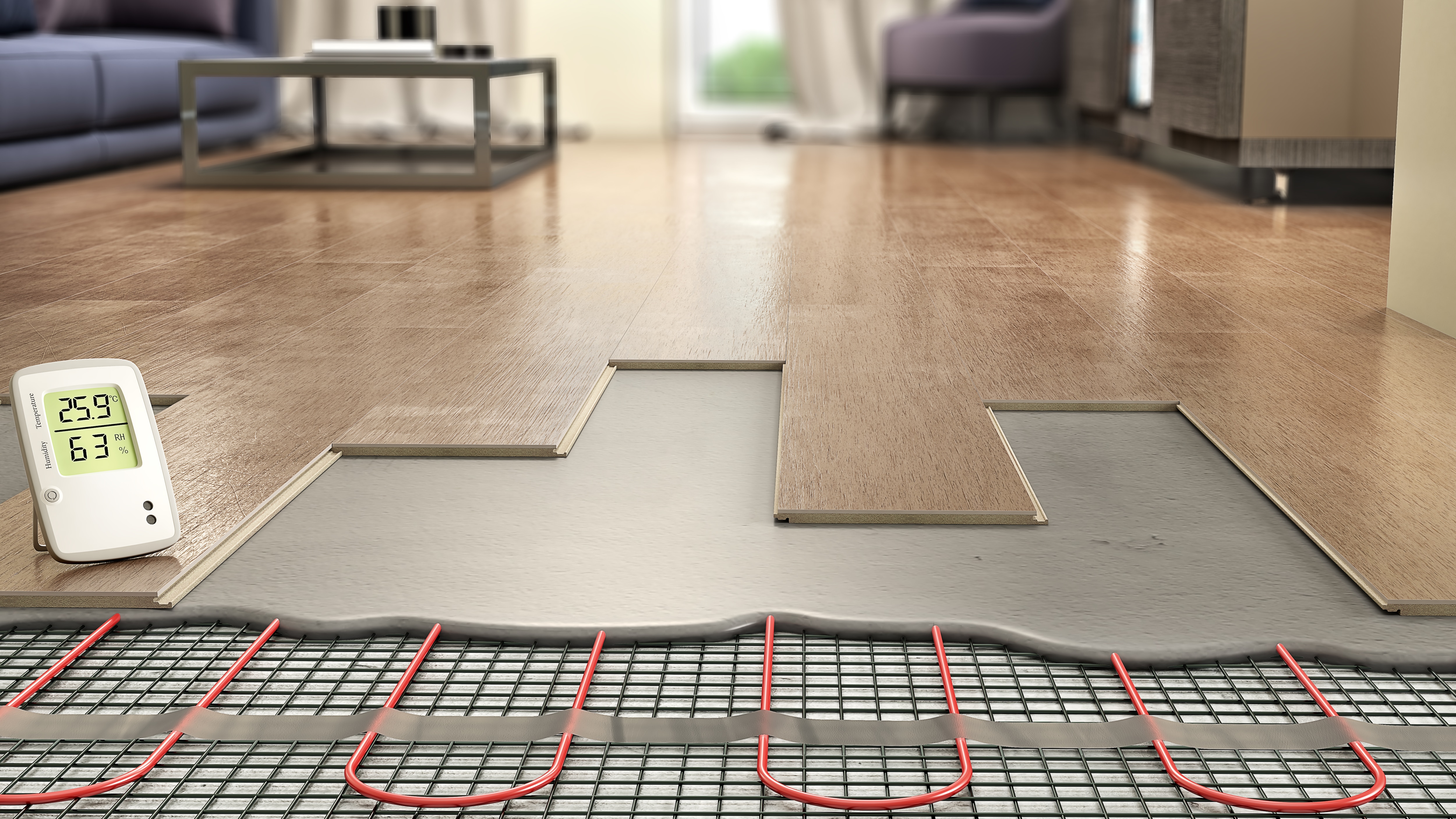
Electric radiant floor heating uses electric wires under the floor. It heats the floor and the room above it. This type is great for small spaces like bathrooms. Electric floors warm up quickly. They are easy to install. Costs can vary, but they are usually cheaper to install than hydronic systems. Electric floors are not very expensive to maintain.
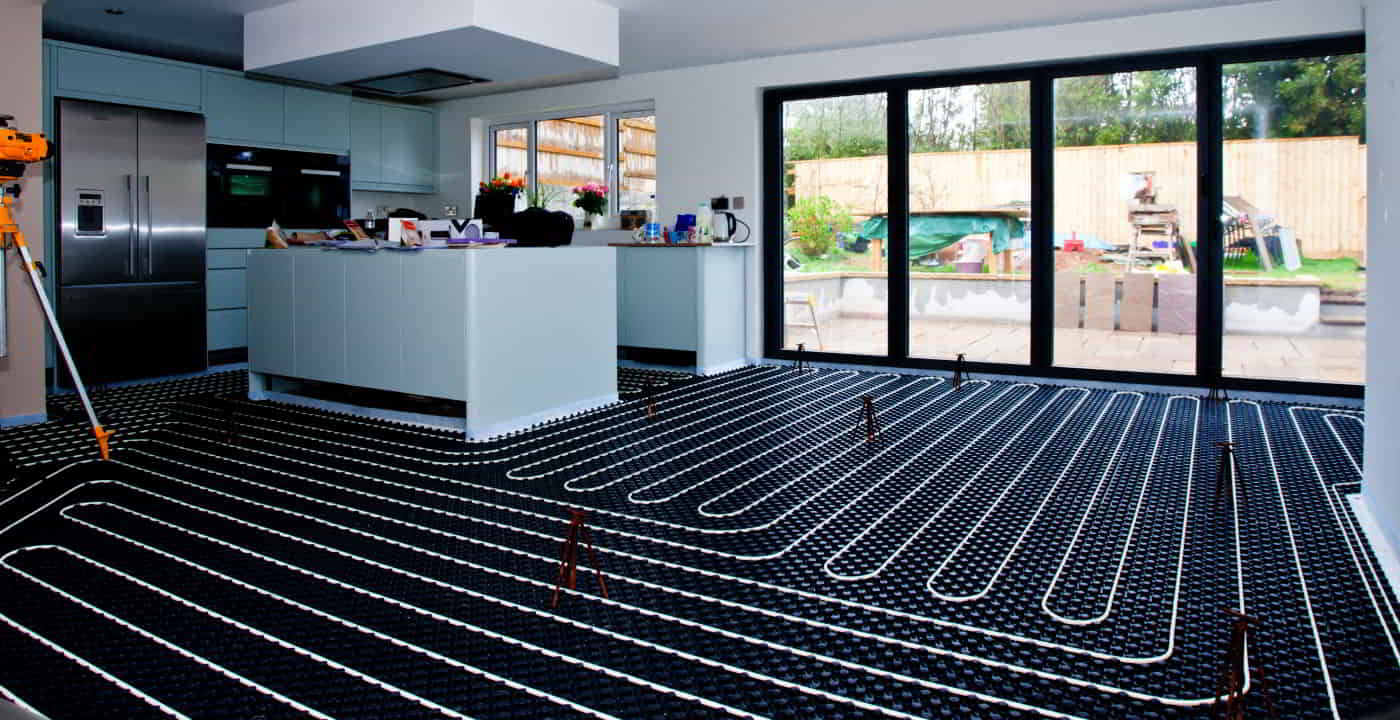
Hydronic radiant floor heating uses hot water pipes. These pipes run under the floor. Water heats the floor and the air in the room. Hydronic systems are best for large areas. They are more efficient and save energy. Installation can be costly. But running costs are often lower than electric systems. Hydronic systems last a long time.

Installation Costs
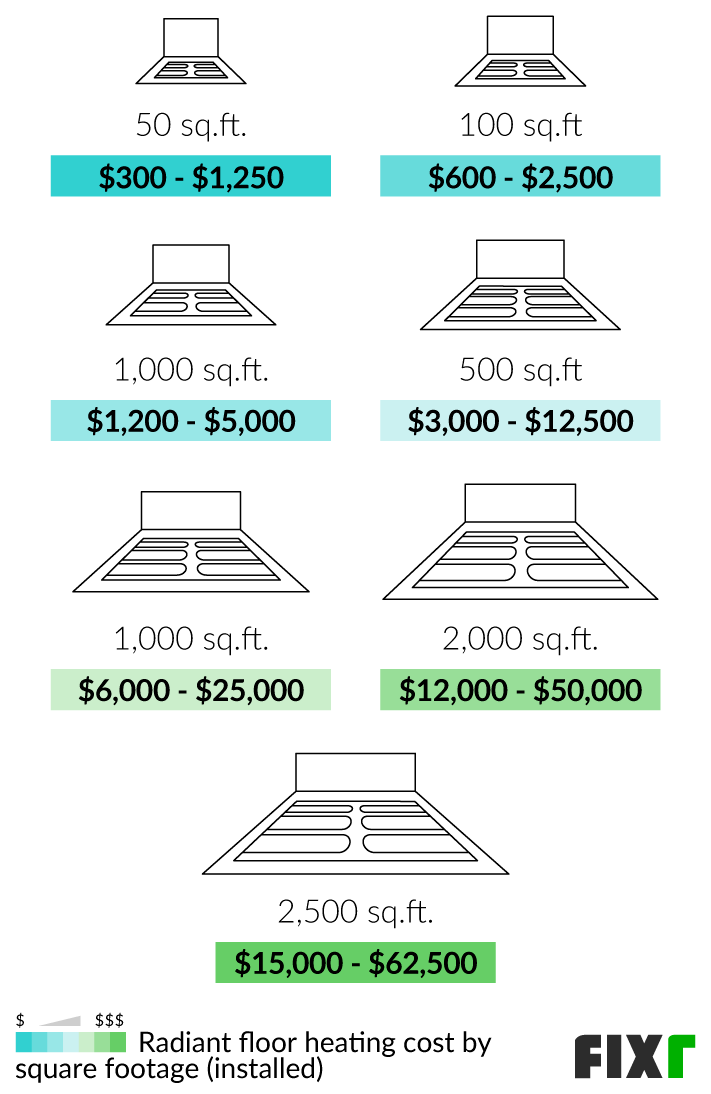
Heated floors are a great way to warm up your home. The cost can vary based on several key factors. The type of heating system you choose is important. Electric systems are usually cheaper to install. Hydronic systems cost more but save energy. The size of the area also matters. Larger areas need more materials. This increases the cost. The type of flooring can add to the price. Tile and stone are more expensive than vinyl or laminate.
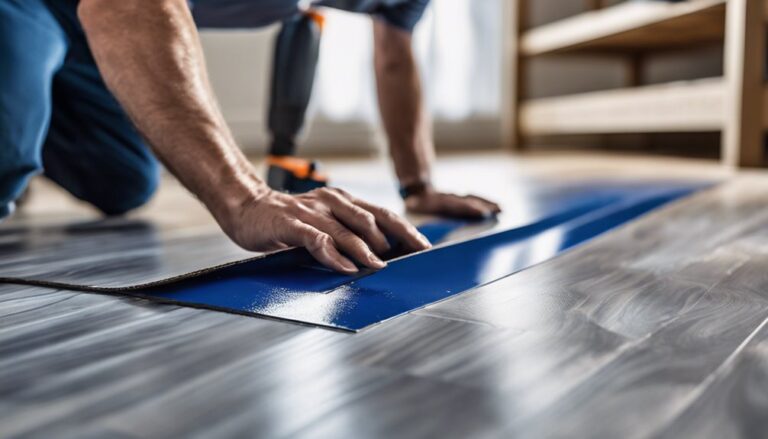
Some people choose to install heated floors themselves. This is called DIY installation. DIY can save money on labor costs. But it may take more time and effort. Mistakes can be costly. Hiring a professional is usually safer. Professionals have the right tools and skills. They can do the job faster. But their services come at a higher price. Think about your skills and budget before deciding.
Operating Costs
Heated floors use electricity or water to warm up. The energy consumption depends on the size of the area. A small bathroom may use less energy. Larger rooms will require more. On average, heated floors use about 12 watts per square foot. This could lead to increased electricity bills. It’s important to consider your energy rates. This will help you estimate costs better.
Heated floors need low maintenance. Regular checks can prevent issues. Inspect the thermostat often. Make sure it works correctly. Professional checks might be needed sometimes. But these checks are not frequent. It’s best to keep the floors clean. Dirt can affect the system. Always follow the manufacturer’s guidelines. This ensures long-lasting floors.
Cost Comparison
Thinking about heated floors? Costs vary based on electric or hydronic systems. Electric systems are cheaper upfront. Hydronic systems cost more to install but save on energy bills. Consider both installation and long-term expenses.
Heated Floors Vs. Traditional Heating
Heated floors can be more expensive to install than traditional heating systems. Initial costs are higher due to materials and labor. Traditional heating uses radiators or vents, which are cheaper upfront.
Over time, heated floors may offer better efficiency. They spread warmth evenly. Traditional systems often have hot and cold spots. Heated floors can save on monthly energy bills. These savings can offset higher installation costs.
Long-term Savings
Heated floors have potential for long-term savings. They reduce energy consumption. Efficient heat distribution helps lower bills. Traditional systems can be less efficient over time. Maintenance costs for heated floors are usually lower. Fewer moving parts mean less wear and tear.
Budgeting Tips
Heated floors can add comfort to your home, but budgeting is crucial. Costs vary by installation type and area size. Plan carefully to ensure affordability without compromising your financial goals.
Evaluating Your Needs
Heated floors feel great. But not everyone needs them everywhere. Think about where you spend most of your time. Bathrooms and kitchens are good choices. Small areas can save money. Larger rooms cost more to heat. Consider your home’s climate. Cold areas might benefit more. Decide if you need heated floors in every room. Sometimes, a few rooms are enough. This saves money and energy.
Choosing Cost-effective Materials
Materials matter. Some are more affordable. Electric systems often cost less to install. Hydronic systems use water. They can be cheaper in the long run. Look for deals or discounts on materials. Ask about warranties and durability. A good warranty can save money later. Always check the quality. Choose materials that last. This helps avoid future costs.
Additional Benefits
Heated floors offer extra comfort by evenly warming spaces, reducing cold spots. They enhance energy efficiency, potentially lowering heating costs. Enjoy cozy mornings and evenings with consistent warmth underfoot.
Comfort And Convenience
Heated floors keep your feet warm. This makes cold mornings better. Imagine stepping on a warm floor. No more shock from cold tiles. Heated floors spread warmth evenly. They help the whole room stay cozy. No more hot and cold spots. It feels great to walk around. This is especially nice in winter. You get to enjoy comfort all year. Convenience is another big benefit. Heated floors are easy to use. You can set them with a timer. Warm floors greet you each day.
Increased Home Value
Adding heated floors can increase your home’s value. Buyers love this feature. It makes the home more attractive. Many people want extra comfort. Heated floors provide that. They also show a modern touch. Homes with them may sell faster. They can also fetch a higher price. It’s a smart investment for the future. Warm floors are a luxury many seek. They make any home more appealing.
Frequently Asked Questions
How Much Do Heated Floors Cost To Install?
Heated floor installation costs vary by type and size. On average, expect to pay $8 to $15 per square foot. Electric systems are generally cheaper than hydronic. Additional costs can arise from underfloor insulation and controllers. Always get multiple quotes for accurate pricing.
Are Heated Floors Energy Efficient?
Yes, heated floors are energy efficient when properly installed. They provide even heat distribution, reducing energy waste. Radiant heat systems often use less energy compared to traditional heating. Proper insulation enhances efficiency. It’s an eco-friendly choice, especially with programmable thermostats.
How Long Do Heated Floors Last?
Heated floors can last over 30 years with proper care. Hydronic systems generally outlast electric ones due to fewer electrical components. Regular maintenance and correct installation extend their lifespan. Check warranties for both installation and products to ensure longevity.
Can Heated Floors Increase Home Value?
Yes, heated floors can increase home value by enhancing comfort and luxury. They appeal to potential buyers, especially in colder climates. Modern buyers value energy-efficient features, making heated floors an attractive selling point. Properly installed systems often justify a higher asking price.
Conclusion
Heated floors offer comfort and efficiency. Costs vary by system and size. Installation expenses can add up, but many find it worthwhile. Consider both initial and long-term costs. Explore options within your budget. Research different types of heated floors. Check installation requirements for each.
Heated floors enhance home warmth and coziness. They can increase property value, too. Assess your needs and benefits before deciding. Choose wisely to enjoy heated floors for years. Always get expert advice. This ensures the best choice for your home.