
Have you noticed your pet scratching more than usual, or perhaps you found an unwelcome intruder hopping around your home? If you’re dealing with fleas, you might be wondering if they can set up shop on your pristine hardwood floors.
This concern can be quite unsettling, especially when you have worked hard to keep your home clean and well-maintained. Imagine the peace of mind you’ll gain by understanding whether these tiny pests can actually live on your hardwood surfaces. By uncovering the truth, you can take effective steps to safeguard your home and ensure the well-being of your beloved pets.
Keep reading to discover the facts about fleas and hardwood floors, and learn how you can protect your space against these pesky invaders.
Flea Biology And Behavior
Fleas go through four main stages: egg, larva, pupa, and adult. The cycle begins with eggs. They are tiny and fall off the host. Larvae hatch from the eggs. They look like small worms. They eat dirt and flea droppings. Then, they spin cocoons and become pupae. Adults emerge from cocoons. They jump on animals and bite. They drink blood to survive.
Fleas love warm and humid places. They hide in carpets and pet beds. They can also live on hardwood floors. Cracks and crevices are their favorite spots. They stay there until a host walks by. Fleas jump onto the host and feed. They can live without a host for a while. But they need blood to lay eggs.
Hardwood Floors As A Habitat
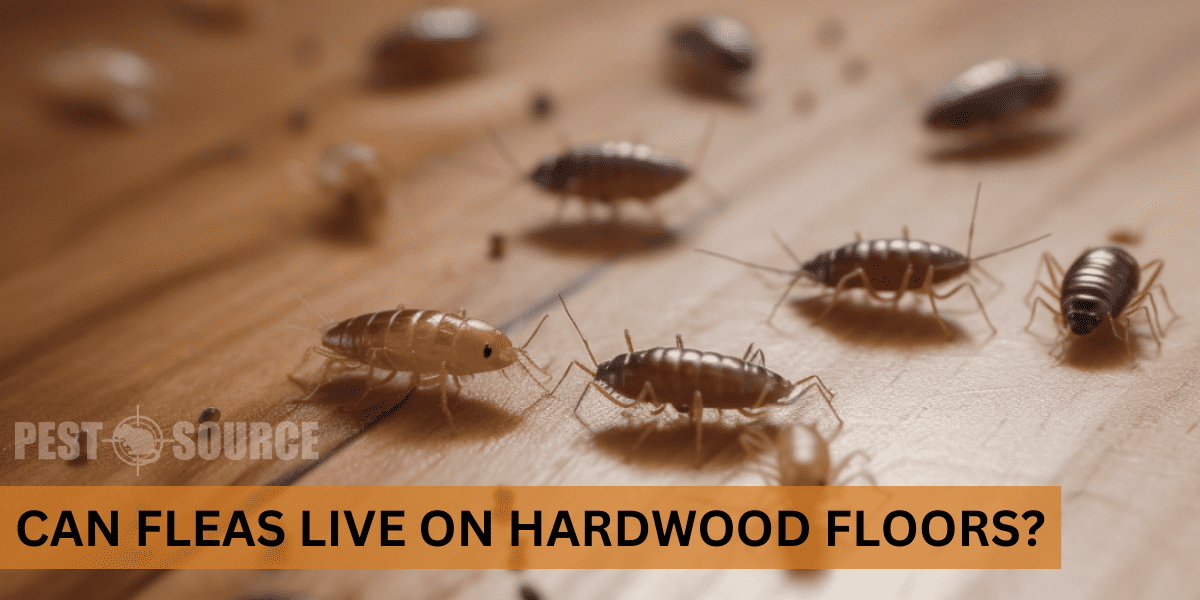
Fleas are tiny pests. They like warm places. Hardwood floors are not warm. Fleas can still live on them. They hide in small cracks and corners. These are their safe spots. Fleas need a host to live. They can’t find a host easily on hard surfaces.
Carpets are different. They are warm and soft. Fleas love carpets. They can hide and lay eggs. Rugs are also good for fleas. They provide warmth and safety. Hardwood floors are less cozy for fleas. They are not the best choice for them. Fleas struggle to survive there.
Signs Of Flea Infestation
Fleas can be tricky to spot. They leave small, dark specks on the floor. These specks are flea dirt, which is flea poop. You might also see tiny red or black bugs jumping around. They are very small but move quickly.
Another sign is the presence of bites on your skin. Flea bites look like small, red bumps. They are very itchy and often appear in clusters. Pets often scratch or bite themselves if they have fleas. Look for these signs, especially near their bedding or favorite spots.
Fleas like to hide in cracks between floorboards. Check these areas for any signs. Use a flashlight to spot them easier. Flea dirt may also collect in these cracks. If you see these signs, fleas might be living there.
Preventing Flea Infestation
Regular cleaning helps keep fleas away. Sweep the floors often. Use a vacuum for deep cleaning. Vacuuming removes hidden fleas and eggs. Focus on corners and cracks. Fleas hide in these spots. Use a damp mop after vacuuming. This keeps the floor clean and shiny. Mop with warm water and soap. Soap kills flea eggs.
Wash pet bedding weekly. Fleas love to hide there. Use hot water and soap. This helps remove fleas and eggs. Keep pets clean too. Bath them often. Use flea shampoo for baths. It helps kill fleas.
Use flea spray on floors. It kills fleas fast. Choose a natural spray. It’s safe for pets and kids. Spray on corners and under furniture. Fleas hide in dark places. Use flea traps around the house. They catch fleas easily. Set traps where pets play. Fleas jump on pets often.
Call a pest expert for advice. They know how to control fleas. Experts use special tools to kill fleas. They make sure fleas don’t come back. Keep a clean home always. This stops fleas from coming inside.
Natural Remedies And Products
Fleas can survive on hardwood floors, hiding in tiny cracks and crevices. Natural remedies like diatomaceous earth and essential oils help control infestations. Regular cleaning with a vacuum is also effective in reducing fleas.
Safe Alternatives To Chemical Treatments
Natural choices work well against fleas. Essential oils are popular. Lavender and peppermint oils repel fleas. Mix them with water for a spray. This spray is safe for pets and kids. Use it on hardwood floors to keep fleas away. Fleas hate the smell. Your home will smell fresh too.
Natural sprays also help. Look for sprays with vinegar or lemon. These ingredients are safe and effective. Spray them in areas where fleas hide. Natural sprays are a safe choice for your home. They protect without harsh chemicals. Keep your floors and family safe.
Professional Pest Control Options
Fleas can be hard to get rid of at home. Sometimes, DIY methods fail. Professional help is needed when fleas become a big problem. Experts know how to handle fleas well. They use special tools and chemicals. These are more powerful than store-bought sprays.
Choosing the right service is very important. Some services offer free inspections. This can help you understand the issue better. Experienced companies know the best ways to treat fleas. Read reviews and ask for recommendations from friends. Good pest control means fewer fleas in your home.
Frequently Asked Questions
Can Fleas Survive On Hardwood Floors?
Yes, fleas can survive on hardwood floors. They hide in cracks and crevices. The smooth surface makes it hard for them to lay eggs. Regular cleaning and vacuuming can help remove them. It’s crucial to treat both pets and floors to eliminate fleas effectively.
Do Fleas Prefer Carpets Or Hardwood Floors?
Fleas prefer carpets over hardwood floors. Carpets provide a warm, cozy environment for fleas to thrive. However, they can still live on hardwood floors. Regular cleaning can help control flea populations. It’s essential to treat your pets and home simultaneously to prevent infestations.
How Can I Remove Fleas From Hardwood Floors?
To remove fleas from hardwood floors, vacuum regularly. Use a vacuum with a HEPA filter for best results. Clean floors with a mixture of water and vinegar. Apply flea treatments to your pets and wash their bedding. This combination helps effectively eliminate fleas.
Are Flea Eggs Visible On Hardwood Floors?
Flea eggs are tiny and difficult to see on hardwood floors. They are often hidden in cracks or crevices. Regular cleaning helps reduce flea eggs. Use a flashlight to inspect hidden areas. Treating both pets and the home is crucial to prevent infestations.
Conclusion
Fleas can survive on hardwood floors. They hide in cracks and corners. Regular cleaning helps keep them away. Vacuum and mop often. Use flea treatments for pets. Flea traps can reduce their numbers. Act quickly to prevent infestations. Check your pet regularly for signs of fleas.
Keep your home clean to avoid issues. Hardwood floors need attention too. Stay vigilant to maintain a flea-free space. This protects your pets and family. Simple steps can make a difference. Keep floors clean. Protect your home from fleas.