
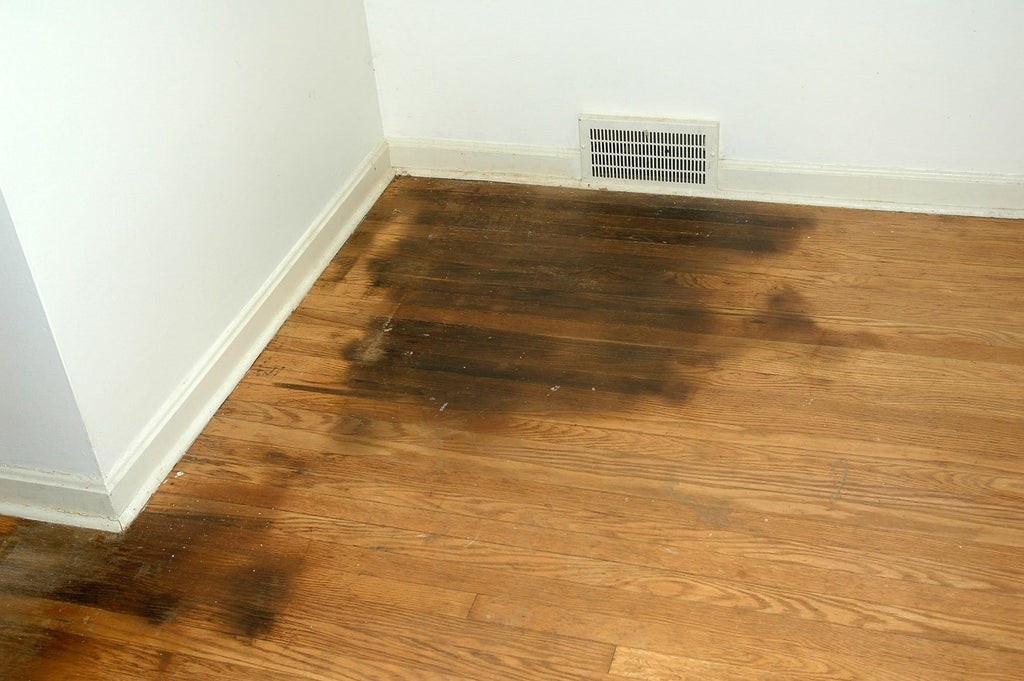
Imagine walking into your living room and seeing a stubborn stain marring the beauty of your hardwood floors. It’s frustrating, isn’t it?
Hardwood floors add warmth and elegance to your home, but those pesky stains can quickly steal the spotlight. You might feel overwhelmed, unsure of where to start or what products to use. But don’t worry—you’re not alone, and there’s a solution.
This guide will show you effective ways to tackle those stains, restoring your floors to their former glory. By the end, you’ll feel empowered and equipped with the right tools and techniques to keep your floors looking pristine. Ready to reclaim the beauty of your hardwood floors? Let’s dive in!

Common Stain Types
Water stains are often white or light-colored. They can make floors look dull. To fix them, try using a soft cloth. Rub gently over the stain. Use a little baking soda if needed. This can help remove the mark. Be careful not to scratch the wood.
Oil-based stains can be sticky and dark. Use a soft cloth to blot the area. Apply a few drops of dish soap. Gently rub the spot. Rinse with a clean, damp cloth. Dry the area well with a towel.
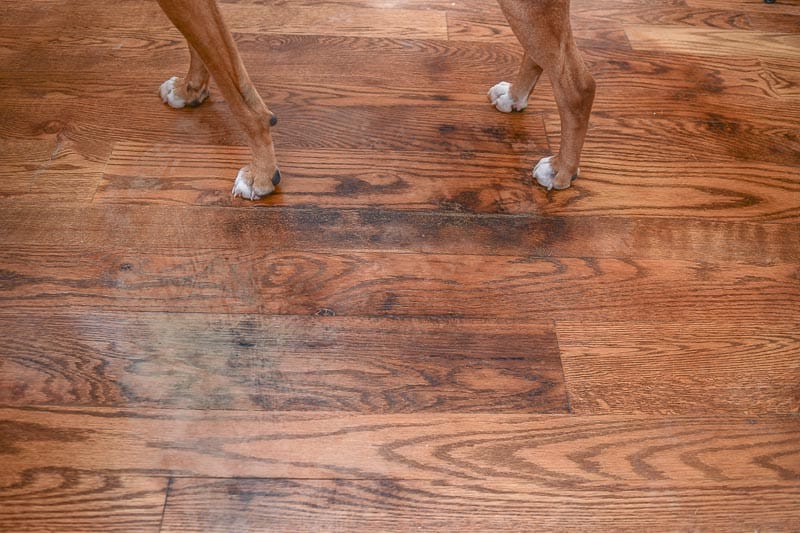
Pet stains can smell bad. Start by soaking up any moisture. Use a mix of water and vinegar. Dab it on the stain. Let it sit for a few minutes. Wipe with a clean cloth. This helps remove the smell and stain.
Ink and dye stains can be colorful and tough. Try using rubbing alcohol. Dab it onto the stain with a cotton ball. Do not rub too hard. Use a clean cloth to wipe away the ink. Repeat if needed.
:max_bytes(150000):strip_icc()/remove-a-water-mark-from-wood-furniture-1976384_V1-ae5f581cf2374eeaa9a6372770ac204d.png)
Essential Tools And Materials
Cleaning solutions are important for removing stains. Choose a solution safe for wood. Vinegar and water is a simple mix. Be careful with too much water. It can damage the floor.
Use soft cloths to wipe stains gently. These cloths should be clean. They help absorb the cleaning solution. Avoid using rough cloths. They can scratch the wood surface.
Scrubbing brushes help with tough stains. Use brushes with soft bristles. Hard bristles may harm the wood. Gently scrub the stain. Be patient and careful.
Wear protective gear like gloves. They protect your hands from chemicals. Safety glasses can protect your eyes. Stay safe while cleaning.
Preparation Steps
Find the exact spot of the stain on the floor. Look for the color and size of the stain. This helps decide the right cleaning method. Note if the stain is fresh or old. Fresh stains might be easier to clean. Old stains might need more work. Know what caused the stain. Water, food, or paint, each needs different care.
Move furniture and other items away from the stain. Ensure you have enough space to work. This helps in cleaning without interruptions. Keep the area clear to prevent accidents. Check for any loose items that might get damaged. This keeps the cleaning area safe and clean.
Choose a small hidden area of the floor. Apply a small amount of the cleaning product. Check for any damage or color change. Wait for a few minutes. If the floor stays the same, the product is safe. If it changes, try another product. Always ensure the product is safe for hardwood.
Removing Water Stains
Vinegar can help remove water stains on hardwood floors. Mix equal parts of vinegar and water. Use a soft cloth to apply the solution to the stain. Gently rub the stained area. Do not soak the wood. Let it sit for a few minutes. Wipe it dry with a clean cloth. The stain should start to fade. Repeat if necessary.
Baking soda is another option for water stains. Mix baking soda with water to make a thick paste. Spread the paste over the stain. Gently rub it in with a cloth. Leave it for a few minutes. Do not let it dry completely. Wipe the paste off with a damp cloth. Check the stain. Repeat if the stain remains.
Eliminating Oil-based Stains
Mix detergent with hot water. Use a soft cloth to apply. Rub gently over the stain. Repeat until the stain fades. Dry the floor with a clean towel. Ensure no water remains. Wet floors can damage the wood.
Commercial oil removers are available in stores. Follow instructions on the bottle. Apply remover with a soft cloth. Rub in a circular motion. Let it sit for a few minutes. Wipe away with a dry cloth. Test a small area first. Some removers may discolor wood.
Dealing With Pet Stains
Pet stains can be tricky. Enzyme cleaners help break down the mess. They are natural and safe for floors. Spray cleaner on the stain. Let it sit for 15 minutes. This helps the enzyme work. Blot the area with a cloth. Do not rub. This keeps the floor safe. Repeat if the stain is stubborn. Always follow the instructions on the bottle.
Vinegar is a great cleaner. Mix one cup of water with one cup of vinegar. Pour into a spray bottle. Spray the stain with the mix. Let it sit for five minutes. Blot with a clean cloth. This removes the stain. Vinegar is safe for hardwood. It also removes odors. Do not use too much water. Floors do not like too much moisture.
Tackling Ink And Dye Stains
Rubbing alcohol can help remove ink and dye stains. Take a clean cloth. Pour a small amount of alcohol on it. Gently rub the stained area. Be careful not to scrub too hard. You don’t want to damage the floor. Repeat if the stain remains. Always test in a hidden spot first.
Hydrogen peroxide is another option for stubborn stains. Pour a little on a cotton ball. Press it on the stain. Leave it for a few minutes. Wipe with a damp cloth. Don’t let it sit too long. It might lighten the wood. Test it first in a small area.
Preventing Future Stains
Sealing your hardwood floors can protect them from stains. It creates a barrier on the surface. This helps keep spills from soaking in. Choose a good sealant for your floor type. Some sealants are better for different woods. Apply the sealant carefully and evenly. This ensures full protection. Make sure the floor is clean before sealing. Dirt can affect the sealant’s effectiveness. After sealing, let the floor dry. Drying time varies by product. Read the sealant instructions for the best results.
Regular cleaning helps prevent stains. Sweep your floors often. This removes dust and dirt. Use a soft brush or microfiber mop. Avoid harsh chemicals. They can damage the wood. Instead, choose a gentle cleaner. Wipe spills right away. This stops stains before they start. Place mats at doorways. This reduces dirt coming inside. Check the floors regularly for damage. Fixing small issues can prevent bigger problems. Keep your floors in good shape.
When To Seek Professional Help
Some stains are very hard to remove. Deep scratches or dark spots can be a problem. Professional help might be needed for severe stains. Experts have special tools and skills. They know how to clean without damage. Sometimes, cleaning alone is not enough. Restoration services can make floors look new again. They fix any damage. They can also refinish the floor. This adds shine and protection. Hiring professionals saves time. It can also save money in the long run. A clean and beautiful floor is worth it.
Frequently Asked Questions
What Are Common Stains On Hardwood Floors?
Common stains on hardwood floors include water marks, pet stains, and food spills. These can penetrate the wood, causing discoloration. Regular cleaning helps prevent these stains from setting. Prompt action is key to maintaining your floor’s appearance.
How Do I Remove Water Stains?
To remove water stains, gently rub with a mixture of baking soda and water. Use a soft cloth to apply the paste. Let it sit for a few minutes, then wipe away. Always test the solution on a small area first.
Can Vinegar Be Used On Hardwood Floors?
Yes, vinegar can be used on hardwood floors. Mix it with water to create a gentle cleaning solution. However, use it sparingly to avoid damage. Avoid soaking the floor, and always dry immediately after cleaning.
What Is The Best Product For Pet Stains?
Enzymatic cleaners are best for pet stains. They break down the proteins in urine, eliminating odors and stains. Follow the product’s instructions carefully. Always test on a small area first to ensure it won’t damage your floor.
Conclusion
Removing stains from hardwood floors is simple with the right approach. Start by identifying the stain type. Next, choose the appropriate cleaning method. Use gentle cleaners to avoid damage. Regularly maintain your floors to prevent future stains. Quick action helps keep your hardwood looking fresh.
Remember, patience and care are key. Protect your floors with rugs and mats in high-traffic areas. Clean spills immediately to avoid lasting marks. Follow these tips for beautiful, stain-free hardwood floors. Your home will thank you. Happy cleaning!