
Are you tired of staring at your dull, unfinished basement floor? Transforming it into a vibrant, inviting space might be easier than you think.
Imagine walking into your basement and feeling a sense of pride every time you see a smooth, colorful floor that perfectly complements your home. Painting your basement floor is a simple yet powerful way to breathe new life into one of the most overlooked areas of your house.
With the right guidance, you can achieve a professional finish without hiring costly contractors. You’ll learn the secrets to choosing the perfect paint, preparing your floor, and applying it with ease. Are you ready to unlock the potential of your basement and create a space that feels both welcoming and functional? Dive into this guide and discover how a simple coat of paint can transform not just your basement, but the way you feel about your home.

Preparation Steps
Remove all items from the basement floor. This includes furniture, boxes, and any stored items. Having a clear space makes painting easier. It also helps to avoid accidents. Keep the area tidy and clean.
Check for cracks or holes on the floor. Fix them using a concrete patch. This ensures a smooth surface for painting. Look for moisture spots too. They might need fixing before painting. Dry floors are best for paint.
Sweep the floor to remove dust and dirt. Mop it with a mild cleaner. This gets rid of stains and grime. Make sure the floor is completely dry before painting. A clean surface makes the paint stick better.
Choosing The Right Paint
Different types of paint suit different floors. Epoxy paint is very strong. It lasts a long time and is good for high-traffic areas. Concrete stain gives a natural look. It soaks into the floor and does not chip easily. Acrylic paint is easy to apply. It dries fast and is less expensive. Each type has its own benefits. Choose one that meets your needs.
Pick light colors to make the room feel bigger. Gray and beige are popular. They hide dirt well. Bold colors can add fun to the space. Test a small area first. See how the color looks when dry. It may change in different lights. Matching the floor with wall colors creates harmony. Use colors that make you feel happy and comfortable.
Gathering Essential Tools
Gathering essential tools is crucial before painting a basement floor. Secure brushes, rollers, paint trays, and painter’s tape. Don’t forget protective gear like gloves and goggles for safety.
List Of Necessary Equipment
- Paint roller
- Paint tray
- Paintbrush
- Concrete paint
- Painter’s tape
- Drop cloths
Protective Gear
Keeping safe is important. Wear safety goggles to protect your eyes. Dust masks help breathe clean air. Gloves keep hands safe from chemicals. Use old clothes. Paint can stain good clothes. Safety first. Protect your skin and eyes. Stay comfortable while painting. Keep the area well ventilated. Fresh air helps. Paint fumes can be strong. Use fans for airflow. Stay safe while painting. Safety gear is important. Enjoy the process without worry.
Repairing Imperfections
Start by cleaning the cracks and holes using a vacuum. This removes dirt and dust. Mix a patching compound following the instructions. Apply it to the damaged areas using a putty knife. Smooth it out evenly. Let it dry completely before painting. Drying may take several hours.
Uneven floors can cause problems. Use a self-leveling compound to fix this. First, clean the floor properly. Mix the compound as instructed. Pour it onto the floor, starting from one corner. Spread it using a squeegee or trowel. Let it settle and dry. Drying helps it become smooth and even. This ensures a good painting surface.
Priming The Floor
Primer helps the paint stick better to the floor. It creates a smooth base. Without primer, paint might peel off. It also blocks stains and odors. This keeps the floor fresh and clean. Primer saves time and effort in the long run.
First, clean the floor well. Use soap and water. Let it dry completely. Next, pour the primer into a tray. Dip the roller in the primer. Roll it back and forth. Cover all areas evenly. Start from a corner and move to the exit. Let the primer dry fully before painting.

Applying The Paint
Start by cleaning the floor. Use a broom and mop. Ensure it’s dry and dust-free. Pour the paint into a tray. Use a roller for large areas. Paint a small section first. Use a brush for corners. Apply even and thin coats. This helps paint stick well. Let it dry fully.
Drying time is important. Let the paint dry for 24 hours. This ensures the first coat is ready. Humidity affects drying. Check the weather. A fan helps speed drying. Do not rush this step.
Apply the second coat after the first is dry. Use the same tools. Repeat the same steps as before. This coat makes the floor shine. It also adds protection. Ensure the coat is even. This will make the floor look nice.
Finishing Touches
Applying the final touches to a basement floor ensures a polished look. Clean and prepare the surface thoroughly. Use a suitable primer before applying paint for lasting results.
Applying A Sealant
First, make sure the floor is dry and clean. This helps the sealant stick better. Use a brush or roller to spread the sealant. Apply an even coat over the floor. Let it dry for a few hours. Some sealants need a second coat. Check the instructions on the sealant can. A good sealant helps protect the floor from moisture. It also makes the floor shine and look nice. Always work in a well-ventilated area. This keeps you safe from strong smells.
Inspecting The Finished Floor
Look at the floor carefully. Check for any missed spots. Make sure the sealant is dry. The floor should look smooth and even. If you see bubbles, it means air got trapped. You might need to fix it. Use a light touch with a roller to smooth it out. A well-done floor lasts a long time. It also adds value to your home.
Maintenance Tips
Keep the basement floor clean to make it last longer. Sweep the floor every week. Use a mop once a month. Choose gentle cleaners that won’t harm the paint. Avoid using bleach or harsh chemicals. These can damage the paint. Rinse the floor well after cleaning. Let it dry completely. This helps the floor stay beautiful and strong.
Spills happen sometimes. Clean them quickly to avoid stains. Use a soft cloth or paper towel. Blot the spill, don’t rub. Use mild soap and water for sticky spills. Rinse the area well. Dry with a clean towel. For stubborn stains, try a gentle cleaner. Follow the cleaner’s instructions. Always test the cleaner on a small spot first. This keeps the paint safe.
Frequently Asked Questions
How Do I Prepare My Basement Floor For Painting?
Begin by cleaning the surface thoroughly to remove dust, debris, and grease. Patch any cracks with concrete filler and sand smooth. Apply a primer designed for concrete floors to ensure proper paint adhesion. This preparation helps achieve a durable and even finish.
What Type Of Paint Is Best For Basement Floors?
Use epoxy-based or acrylic paint designed for concrete surfaces. These types provide durability, moisture resistance, and a smooth finish. Epoxy paints are especially suitable for high-traffic areas due to their toughness. Always choose a paint that’s specifically formulated for basement conditions.
How Long Does Basement Floor Paint Take To Dry?
Drying times vary, but generally, acrylic paint dries within 24 hours. Epoxy paint may take longer, often up to 72 hours. Ensure proper ventilation to speed up the drying process. Always follow the manufacturer’s instructions for specific drying times and curing periods.
Can I Paint Over Old Basement Floor Paint?
Yes, you can paint over old paint. First, ensure the surface is clean and lightly sanded. This will help the new paint adhere properly. Apply a primer suitable for concrete to ensure better coverage and durability. Check compatibility between old and new paint types.
Conclusion
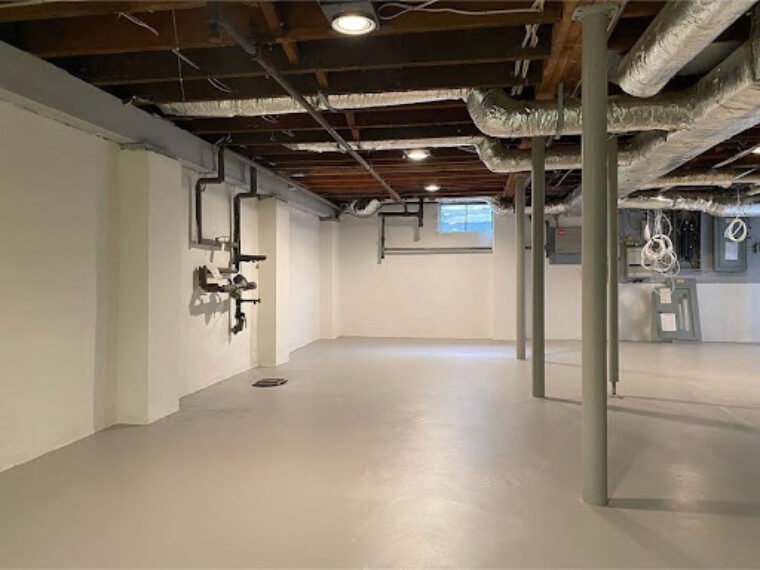
Painting your basement floor can transform the space. It makes it cleaner. More inviting. With the right steps, you achieve a professional finish. Proper preparation is key. Choosing quality paint matters. Apply even coats for best results. Ventilation is essential during painting.
Let the paint dry completely. Enjoy your refreshed basement. A fresh look adds value to your home. Simple steps make a big difference. Maintain your floor for lasting beauty. Regular cleaning helps preserve the paint. With patience, your basement becomes a welcoming area.
Ready for family gatherings or quiet retreats. Keep it neat. Keep it bright.