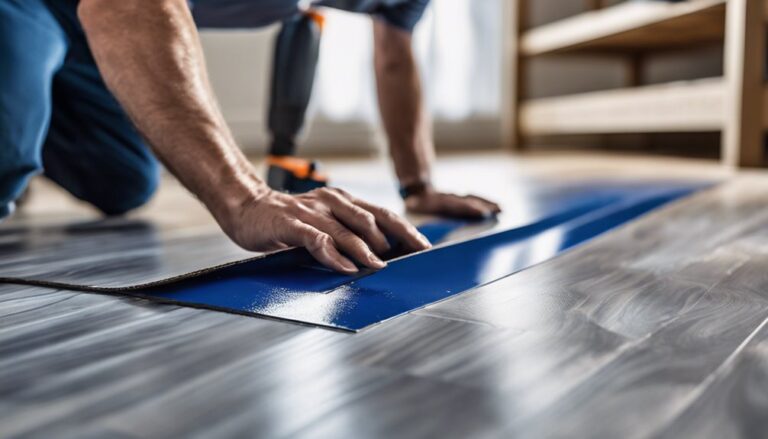

Are you tired of staring at those outdated bathroom floor tiles? Do you dream of transforming your space into a modern oasis?
Removing bathroom floor tiles might seem like a daunting task, but with the right approach, it can be a surprisingly straightforward process. Imagine walking into your bathroom and feeling the fresh, new vibe of a perfectly remodeled floor. It’s easier than you think! You might be wondering where to start or whether you have the right tools.
This guide is designed to answer all your questions and help you tackle this project with confidence. You’ll discover simple steps that make removing tiles a breeze, without the hassle or potential damage to your floors. Plus, we’ll share tips to keep you motivated and energized throughout the process. Stick around, and learn how you can transform your bathroom floor from dull to dazzling. Dive into the secrets of tile removal and unlock the potential of your bathroom space today!
Preparation
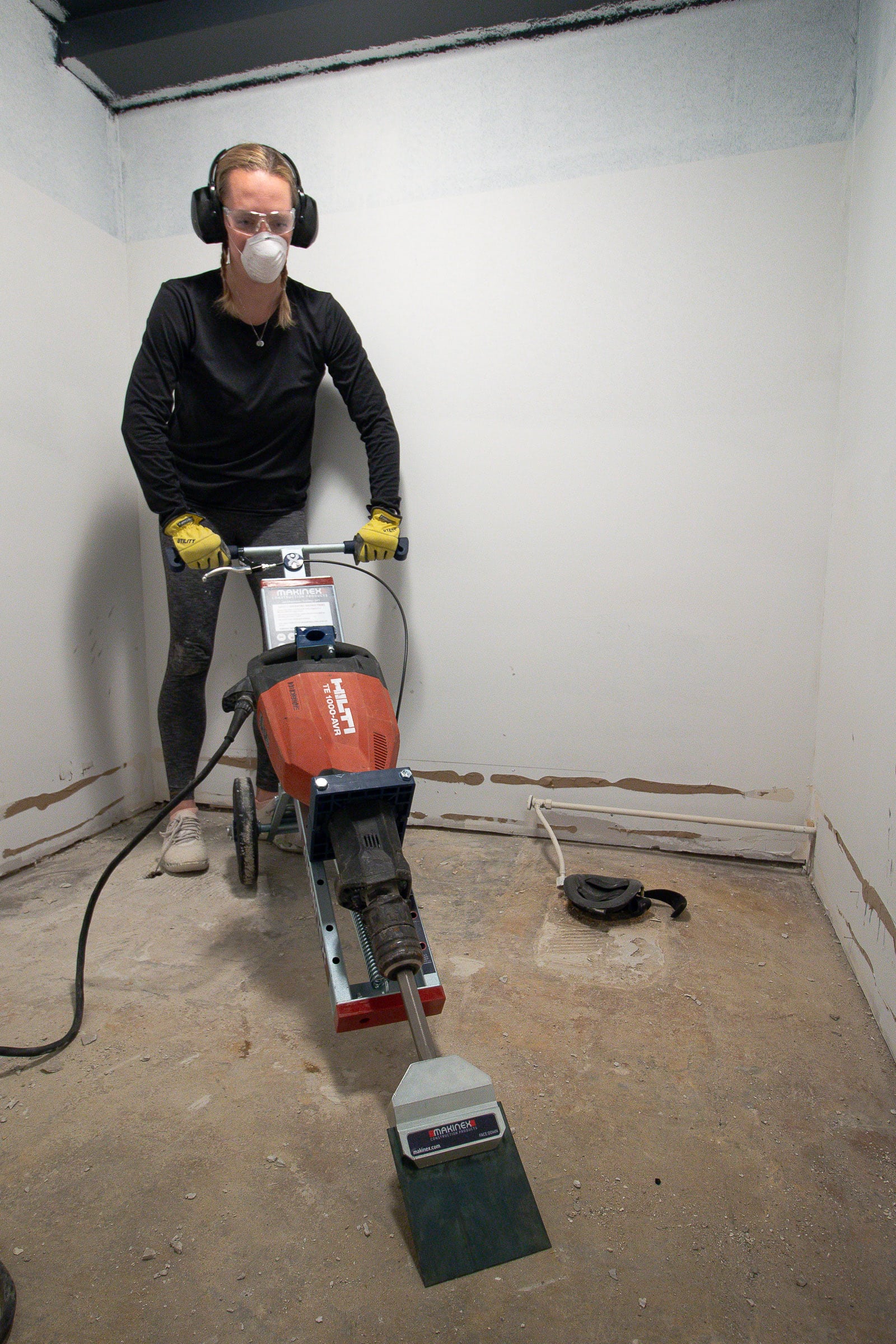
Start by getting all the needed tools. You will need a hammer, chisel, and safety goggles. A dust mask is also important. Don’t forget gloves to protect your hands. A bucket and trash bags help in cleaning up. A utility knife can be useful too.
Wear your safety goggles and dust mask. They keep your eyes and lungs safe. Gloves protect your hands from sharp tiles. Make sure your work area is clear. Turn off any nearby electricity. This prevents accidents.
Move all items out of the bathroom. This includes towels, mats, and other things. Sweep the floor to remove dust. Ensure the floor is dry. This makes the job easier. Keep your tools in a handy place.

Initial Steps
Begin by turning off all water and electrical supplies. This ensures safety during tile removal. Locate the main water valve. Turn it off to stop water flow. Next, find the circuit breaker. Switch off the power to the bathroom. Safety is always the first step.
Clear the bathroom space of all fixtures and obstacles. Take out rugs, towels, and any decor items. Remove the toilet with care. Start by unscrewing it from the floor. Set it aside in a safe place. Take down any towel racks or shelves. Keep the area clear for easy tile removal.
Tile Removal
Use a grout saw or scraper for this task. Move it along the grout lines. Be careful not to damage the tiles. This step helps in loosening the tiles. Make sure to clear all the grout.
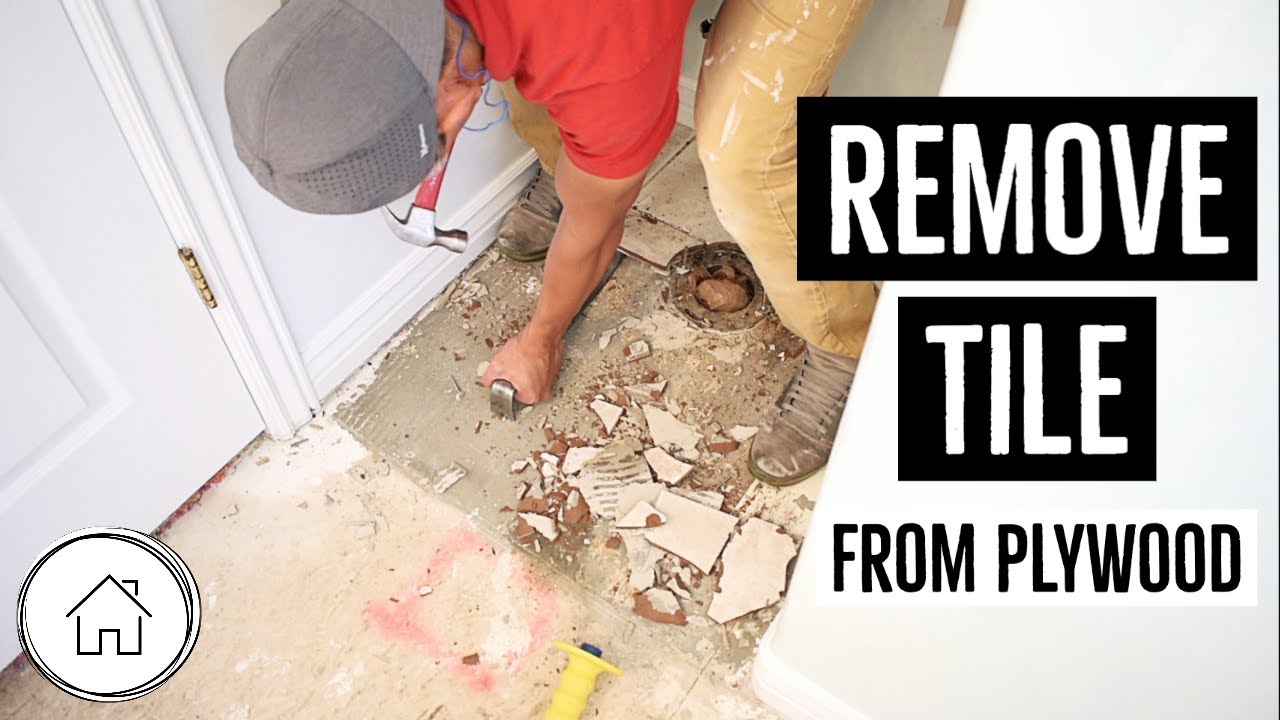
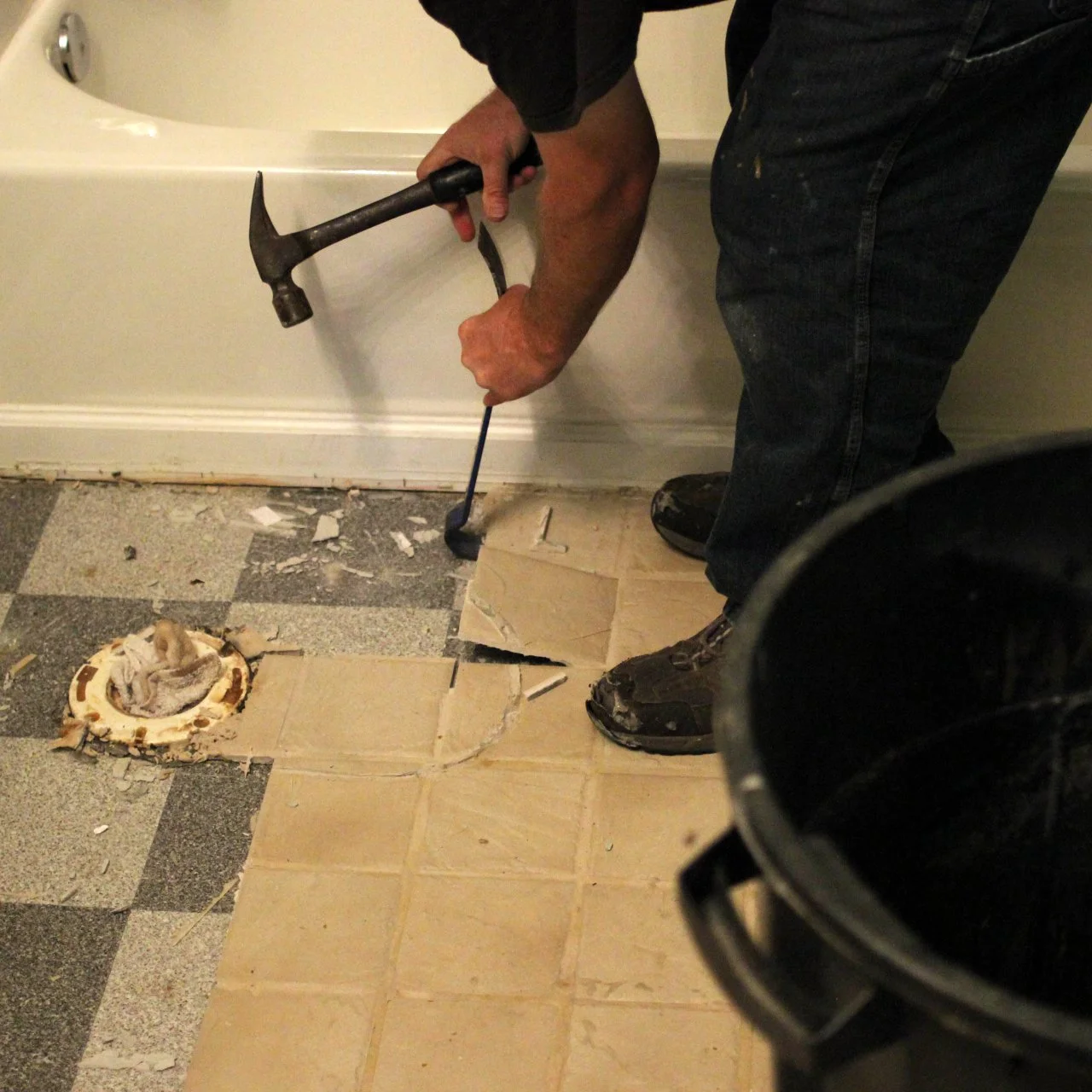
Insert a chisel under the tile edge. Tap it gently with a hammer. Do this until the tile comes loose. Lift the tile carefully to avoid breaking it. Repeat for each tile.
Collect all the removed tiles in a bucket or box. Check local rules for tile disposal. Some places recycle tiles. Others might have specific disposal sites. Always clean the area well after removal.
Subfloor Inspection
Check for damage before removing tiles. Look for cracks, holes, or water spots. These can weaken the floor. Feel for soft spots by walking around. Soft spots might mean water damage.
Repair as needed to keep the subfloor strong. Use a patch kit for small holes. Replace big sections if they are damaged. Check for mold or rot. Mold can spread and cause problems. Fix it quickly.
Keep the area dry. Wetness can cause more damage. Use fans or heaters to dry wet spots. Make sure repairs are solid. This helps the new tiles stick well.
Clean Up
First, sweep the floor. Use a broom with soft bristles. It helps remove loose dirt. After sweeping, use a vacuum. Choose one with a strong suction power. This will pick up small dust particles. It’s important to keep the floor clean. It makes the tile removal easier and safer.
Fill a bucket with warm water. Add a few drops of mild soap. Dip a mop into the soapy water. Wring out extra water. Mop the floor gently. Focus on sticky spots. These areas need more cleaning. Rinse the floor with clean water. Let it dry completely. A clean floor is less slippery. It helps you work safely.
Frequently Asked Questions
How Do I Safely Remove Floor Tiles?
To safely remove floor tiles, first wear safety goggles and gloves. Use a chisel and hammer to loosen the tiles. Start from a broken tile or edge. Work slowly to avoid damaging the subfloor. Use a pry bar for stubborn tiles.
Clean the area thoroughly after removal.
What Tools Are Needed For Tile Removal?
You’ll need a chisel, hammer, and pry bar for tile removal. Safety gear like goggles and gloves is essential. A utility knife helps cut grout lines. A scraper is useful for removing adhesive residue. Consider renting a power tool for larger areas.
Can I Remove Tiles Without Damaging The Subfloor?
Yes, you can remove tiles without damaging the subfloor. Use a gentle technique and proper tools. Start by loosening tiles with a chisel. Avoid excessive force to prevent subfloor damage. Remove adhesive residue carefully with a scraper. Take your time to ensure precision and safety.
How Long Does Tile Removal Take?
Tile removal time varies based on room size and tile type. On average, it takes a few hours for a small bathroom. Larger areas or stubborn tiles may require more time. Using power tools can speed up the process. Plan for cleanup time after removal.
Conclusion
Removing bathroom floor tiles can seem daunting, but it’s manageable. With the right tools, patience, and safety gear, you can do it yourself. Start by preparing your space and gathering necessary tools. Carefully chip away at the tiles, making sure to protect your hands and eyes.
Clean up thoroughly once the tiles are removed. Consider hiring a professional if you face challenges. With these tips, you can tackle this project confidently. Ready to transform your bathroom floor? You have the knowledge, now take action! Your new bathroom awaits.