
Imagine stepping into your home after a rainy day, your shoes soaked, and you worry about water damage to your floors. If you’ve ever wondered whether laminate flooring can withstand such scenarios, you’re not alone.
Many homeowners like you are curious about the water resistance of laminate flooring. It’s essential to know if your flooring choice can handle spills, leaks, or that inevitable accident without warping or staining. As you explore this topic, you’ll discover not only the practical aspects but also the peace of mind that comes with making a well-informed decision.
Let’s dive into the characteristics of laminate flooring to see if it truly holds up when facing moisture challenges. Stay with us as we uncover the truth about laminate flooring’s resilience against water.

Water Resistance Of Laminate Flooring
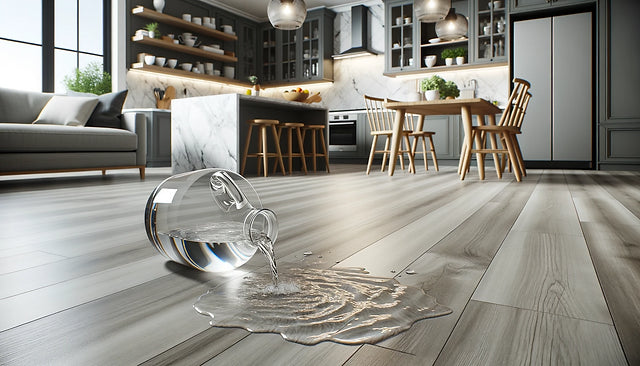
Laminate floors are popular in many homes. They look like wood but cost less. Are they water-resistant? Yes, to some extent. Most laminate floors can handle small spills. Wipe up spills quickly to avoid damage. Large amounts of water can harm them. Water can seep into the seams.
Some brands offer water-resistant laminate. These floors have a special coating. They can hold up against water better. Bathrooms and kitchens might need this type. Regular laminate is best for dry areas. Always check the product label. This helps you know its water resistance.
Construction Of Laminate Floors
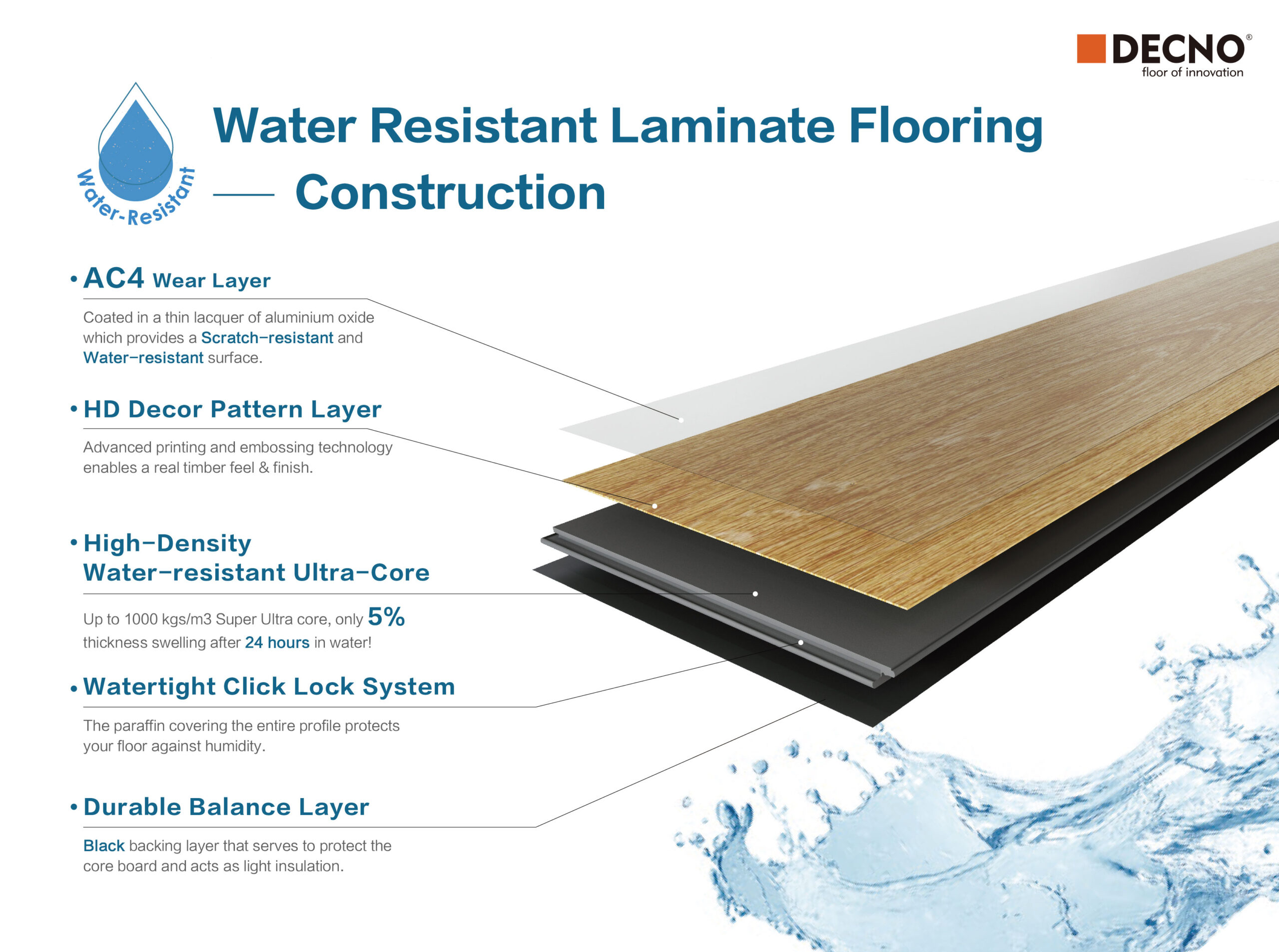
Laminate floors have many layers. The top layer is a clear coat. It protects against stains and scratches. Under this is the design layer. It gives the floor its look, like wood or stone. The next layer is the core. This is the most important part. It provides strength and stability.
The bottom layer is the backing. It keeps moisture away. All these layers work together. They make the floor strong and beautiful.
The core material is usually fiberboard. High-Density Fiberboard (HDF) is most common. It is strong and stable. HDF resists water better than Medium-Density Fiberboard (MDF).
If water gets in, the core can swell. This can damage the floor. A good core material keeps this from happening. Protects the floor longer.
Waterproof Vs. Water-resistant
Waterproof means no water can enter. It stays dry all the time. Water-resistant means it can block water for a while. But not forever. Think of a raincoat. It helps in rain but not in a pool. Laminate floors are mostly water-resistant. They handle spills and splashes. Yet, not floods. Always clean water quickly. This keeps the floor safe.
Laminate floors have a protective layer. This makes them water-resistant. But too much water is bad. Water can seep through cracks. This can cause damage. Always use a dry mop. Wipe spills as soon as you see them. Keep water away from the edges. This helps your floor last longer. Protects it from harm.
Performance In Moist Environments
Laminate flooring can handle some moisture. It is not fully waterproof. Spills should be cleaned quickly. Steam from hot showers can cause damage. Sealing edges helps protect the floor. High humidity can lead to warping. Use fans to dry the area. Mats can catch excess water. Avoid leaving wet towels on the floor. Proper care keeps the floor looking nice.
Laminate floors suit many rooms. Basements often have more moisture. Water seepage can cause problems. Vapor barriers help prevent damage. Utility areas may have leaks. Sealant can protect the floor. Regular checks for water issues are smart. Drying wet spots is important. A dehumidifier can be useful. Proper installation ensures longevity.
Protecting Laminate From Water Damage
Water can sneak into the joints of laminate floors. This can cause damage. Use a sealant to protect these joints. A sealant stops water from entering. Apply it carefully on each joint. Let it dry well before walking on it. This simple step can save your floor.
Clean spills quickly. This prevents water from soaking in. A soft mop works best. Keep your floor dry. Use a fan or cloth to dry wet spots. Check for gaps in the floor. Fix them to keep water out. Regular care keeps your floor safe. Your floor will last longer with these steps.
Innovations In Water-resistant Laminate
Laminate flooring now offers better water resistance than before. New technologies use special coatings. These coatings help protect the floor from water. Boards lock together tightly. This keeps water from seeping through.
Some laminates have a waterproof core. This core stops water from causing damage. Many floors are now sealed on all edges. This provides extra protection. These advancements make laminate a safer choice for wet areas.
Many top brands offer water-resistant laminate. Pergo is well-known for quality. Their floors resist water well. AquaGuard offers a range of waterproof options. Mohawk also provides durable water-resistant laminates.
Each brand has unique features. These features help protect your floors. Choosing the right product can save time and money. Always check for warranties. A good warranty is important for peace of mind.
Comparing Alternatives
Laminate flooring offers a budget-friendly option with moderate water resistance. While it’s not fully waterproof, it can withstand minor spills and dampness. Consider alternatives like vinyl or tile for areas prone to heavy moisture.
Vinyl Flooring
Vinyl flooring is a popular choice in homes. It is known for its water resistance. Vinyl is made from synthetic materials. This makes it more durable and easy to clean. It can mimic the look of wood or stone. This gives you style choices. Vinyl is also soft underfoot. It makes walking comfortable. You can find it in many colors and patterns. This helps match your home decor. Installation is quick and often simple. Some types even click together like a puzzle. This makes DIY projects possible. Vinyl is also budget-friendly. It suits many pocket sizes.
Engineered Wood Options
Engineered wood looks like real wood. It has a layer of real wood on top. Beneath, it has layers of plywood. This makes it more stable than solid wood. Engineered wood is more water-resistant than real wood. Yet, it is not as water-resistant as vinyl. It should not be soaked in water. Engineered wood adds warmth to a room. It feels cozy underfoot. It comes in different colors and finishes. This gives you lots of design choices. It is also easy to install. Many pieces snap together. This can make home projects easier.

Expert Tips For Homeowners
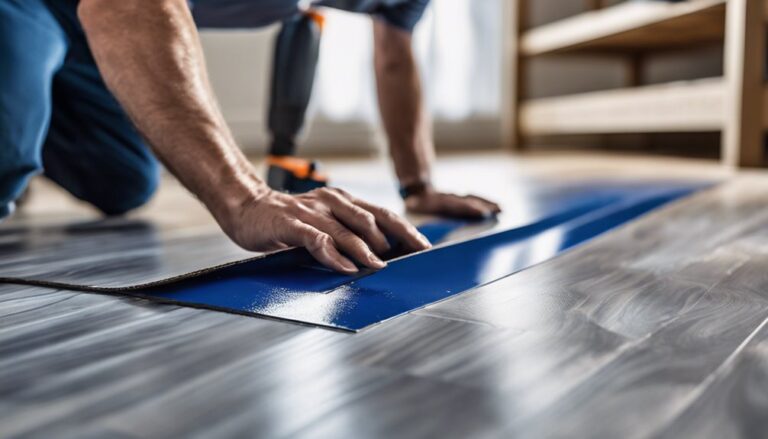
Proper installation is key for a long-lasting floor. Start with a clean and dry surface. This helps the laminate stick better. Use an underlayment for added protection. It reduces noise and adds comfort. Make sure there are no gaps between planks. Water can seep through gaps and damage the floor. Seal edges with waterproof tape for extra safety. Follow the manufacturer’s instructions closely. This ensures the best results.
Not all laminate floors are the same. Some are more water-resistant than others. Check the product label for a water-resistant feature. Look for high-quality brands known for durability. They are often more resistant to water. Consider the room where you will install the floor. Kitchens and bathrooms need extra protection. Choose a product designed for these areas. This helps in avoiding water damage.
Frequently Asked Questions
Can Laminate Flooring Handle Water Spills?
Laminate flooring is water-resistant to a certain extent. It can handle minor spills if cleaned promptly. However, prolonged exposure to water can cause damage. Always wipe spills quickly to maintain the floor’s integrity and appearance.
Is Laminate Flooring Suitable For Bathrooms?
Laminate is not ideal for bathrooms due to high moisture levels. Water can seep into seams, causing swelling and damage. Consider waterproof options like vinyl for better durability in wet areas.
How Does Laminate Resist Water Damage?
Laminate has a protective layer that offers some water resistance. This layer helps prevent minor spills from penetrating. However, excessive moisture can bypass this barrier, leading to potential damage over time.
What Happens If Laminate Gets Wet?
If laminate flooring gets wet, it may swell or warp. Prolonged exposure can lead to mold and mildew. Immediate cleanup of spills is crucial to prevent any lasting damage.
Conclusion
Laminate flooring offers some water resistance, but isn’t fully waterproof. Spills need quick cleaning to prevent damage. Bathrooms and kitchens require extra care. Consider water-resistant options for these areas. Regular maintenance helps extend the floor’s life. Proper installation prevents water seepage.
Choose quality laminate for better resistance. Understand the product’s limitations before buying. Research thoroughly to make informed decisions. Balance style and functionality wisely. Protect your investment with mindful care. Laminate floors can be a great choice with the right precautions.
Always check manufacturer guidelines for best results.