

Have you ever found yourself wondering how things spiraled out of control and you ended up feeling like everything just collapsed? Maybe it was a project at work, a relationship, or even just a day that went sideways.
You’re not alone. This feeling of being metaphorically—or sometimes literally—on the floor is something many of us experience. It can be baffling and frustrating, but understanding why and how it happens can be the key to getting back on your feet.
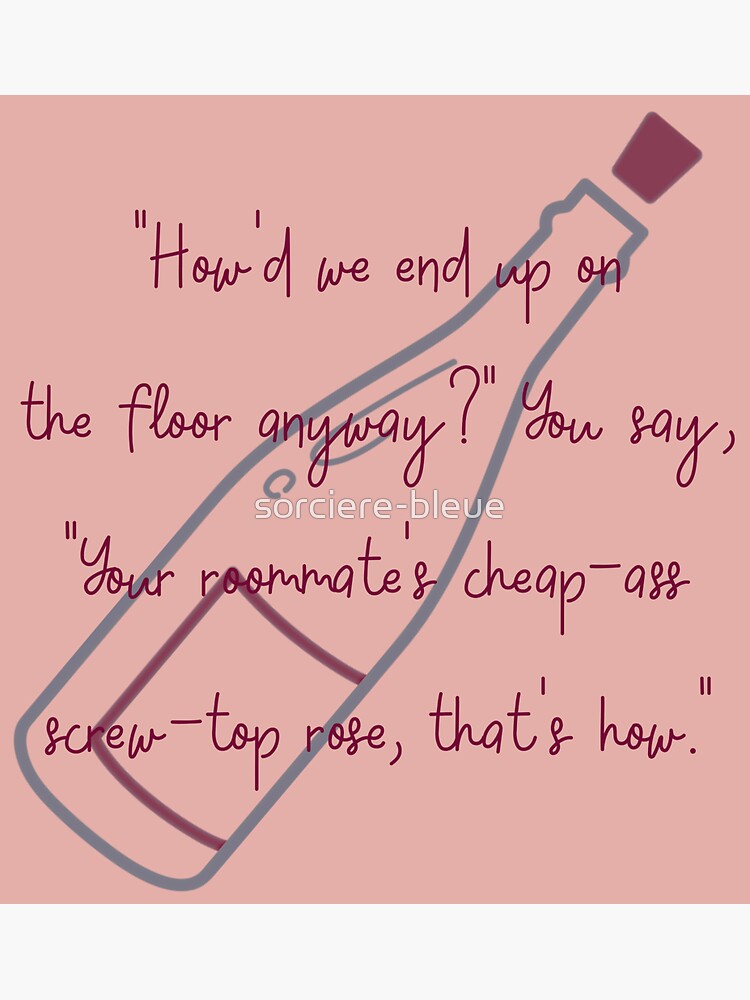
We’ll explore the reasons behind these sudden downturns and offer insights that might just resonate with your own experiences. We’ll delve into the psychological and situational factors that often play a role, making it easier to spot the signs before a situation reaches its tipping point. With engaging stories and relatable examples, you’ll find yourself nodding along and perhaps even having a few “aha” moments. Ready to uncover the mystery of how’d we end up on the floor anyway? Let’s dive in.
The Curious Case Of Falling
People fall for many reasons. Sometimes it’s a simple trip. Other times, it’s an unexpected push. Falling can happen quickly. Most falls are accidents. But some falls are caused by being clumsy. Wet floors are dangerous. Loose rugs can be tricky. High heels make balance harder. Everyone falls sometimes. Falling is part of life.
Being careful helps prevent falls. Watch where you walk. Avoid running inside. Hold onto railings. Wear safe shoes. Clean spills quickly. Fix loose carpets. Keep paths clear. Safety keeps us standing.
Falling can be scary. People may feel embarrassed. Sometimes, there’s a bruise. Other times, a scratch. Pain can happen. But often, we get up and move on. Learn from falls. Be aware next time.
Historical Perspectives On Gravity
Long ago, people wondered why things fall down. They thought the Earth pulled everything. Aristotle believed heavier objects fell faster. But he was wrong. Galileo showed that all objects fall at the same speed. He dropped balls from the Leaning Tower of Pisa. People were amazed.
Later, Sir Isaac Newton introduced the idea of gravity. He saw an apple fall and had a big thought. Gravity pulls everything towards the Earth. His ideas changed science forever. Today, we know gravity keeps planets in orbit. It also keeps us on the ground.
Physics Behind Falling
Gravity pulls everything down to the Earth. It’s a force that acts on all objects. Even when we stand, gravity is at work. It keeps us grounded. Without gravity, we’d float in the air. This force is why things fall. It’s what makes objects hit the ground. When you drop a ball, gravity pulls it down. The ball falls because of gravity’s pull. Every object, big or small, feels this force. It’s always there, always pulling.
Momentum is about how fast something moves. It’s the energy of motion. When you run, you have momentum. It helps you keep moving forward. If you trip, momentum makes you fall forward. The faster you go, the more momentum you have. Bigger objects have more momentum too. A moving car has lots of it. When it stops suddenly, you feel the force. It’s why seat belts are important. They stop you from moving too much.
Psychological Aspects Of Falling
Many people feel afraid of falling. Fear makes them nervous. Falling can hurt. It may also cause embarrassment. Some fear falling more than others. It can affect life. People avoid certain places. They may not try new things. This fear can limit fun.
Thoughts about falling can change actions. Worry makes people careful. Some think about falling often. Others hardly think about it. These thoughts shape behavior. People might walk slower. They may hold railings tight. Thinking can help or hinder.
Cultural Interpretations
Symbolism turns simple objects into deep meanings. A floor often means a low point. Characters fall to show defeat or struggle. Writers use this to teach lessons. Many stories have floors that teach about life. They show how people rise and fall. Characters learn and grow from these moments. The floor becomes a stage for change. It turns into a place of reflection.
Art uses metaphors to express feelings. The floor can mean a base or a foundation. Artists use it to show life’s ups and downs. A person on the floor might be resting or thinking. Sometimes, it is about returning to basics. Metaphors in art make us think. They help us see things in new ways. Art invites us to explore deeper meanings.
Impact Of Falling On Daily Life
Falling can hurt. It can break bones or cause bruises. Safety measures help keep us safe. Use handrails on stairs. Wear shoes that grip well. Keep floors clean and dry. Avoid slippery surfaces. Install night lights to see better in the dark. Clear clutter from walkways.
New technology helps prevent falls. Some shoes have special grips. They stop slipping. Sensors in homes can alert if someone falls. Smart watches can track movement. They call for help if needed. Robots can help lift people safely. Safety mats can soften falls. Technology makes us safer each day.
Future Research Directions
Spaceships need to be safe. New ideas help make them better. Stronger materials keep astronauts safe. Computers can check for problems. Smart sensors warn about dangers. These changes help us explore space safely.
Artificial gravity can help astronauts. It stops their bones from getting weak. It can be made by spinning parts of the ship. This makes a force like gravity. Astronauts can stay healthy this way.
Scientists want to know more. They study and test. This helps us learn how to use artificial gravity. It’s important for long space trips.


Frequently Asked Questions
What Causes Unexpected Falls At Home?
Unexpected falls at home can occur due to various reasons, including slippery surfaces, poor lighting, and clutter. Lack of attention or sudden dizziness can also contribute. Ensuring safety measures, like secure flooring and proper lighting, can help prevent such accidents and maintain a safer home environment.
How Can We Prevent Falls Indoors?
Preventing falls indoors involves keeping floors clean and dry, ensuring adequate lighting, and removing tripping hazards. Installing handrails in critical areas can also help. Regularly checking for potential risks and addressing them promptly can significantly reduce the chances of falling indoors.
Are Falls Common In Everyday Life?
Falls are indeed common in everyday life, affecting people of all ages. They can happen due to simple missteps or environmental hazards. Being aware and taking preventive measures can help minimize their occurrence and impact on daily activities.
What Should You Do After A Fall?
After a fall, assess any injuries and seek medical attention if necessary. It’s important to remain calm and avoid sudden movements. Re-evaluate the environment to identify and eliminate any hazards that may have contributed to the fall.
Conclusion
Understanding how we ended up on the floor is crucial. It teaches us about unexpected turns in life. Sometimes, things don’t go as planned. But we learn and grow from these moments. We gain strength and wisdom. Reflect on these experiences.
Find lessons that guide future choices. Life’s challenges shape us. They make us who we are. Embrace the journey. Appreciate the ups and downs. Every step brings us closer to understanding. To a better future. Keep moving forward. Stay curious.
Life’s floor is a stage for learning. Let’s rise from it with new insights.