
When you’re choosing new flooring for your home, the thickness of hardwood flooring is one of the most crucial factors to consider. It can affect everything from the feel underfoot to the durability and longevity of your floors.
But how do you determine the right thickness for your space? Understanding this aspect can transform your living area from average to extraordinary. Imagine stepping onto a floor that not only complements your decor but also stands the test of time, providing a solid foundation for your everyday life.
As you delve deeper into this article, you’ll uncover the secrets to selecting the perfect thickness that aligns with your personal style and practical needs. Get ready to make an informed decision that will enhance your home’s beauty and comfort.
 Flooring: Essential Guide”/>
Types Of Hardwood Flooring
Solid hardwood is a popular choice. It is a single piece of wood. The thickness is often between 3/4 inch and 5/16 inch. This type is very strong. It can last for many years. It can also be sanded and refinished many times. That makes it look new again. Solid hardwood is a good investment for any home.
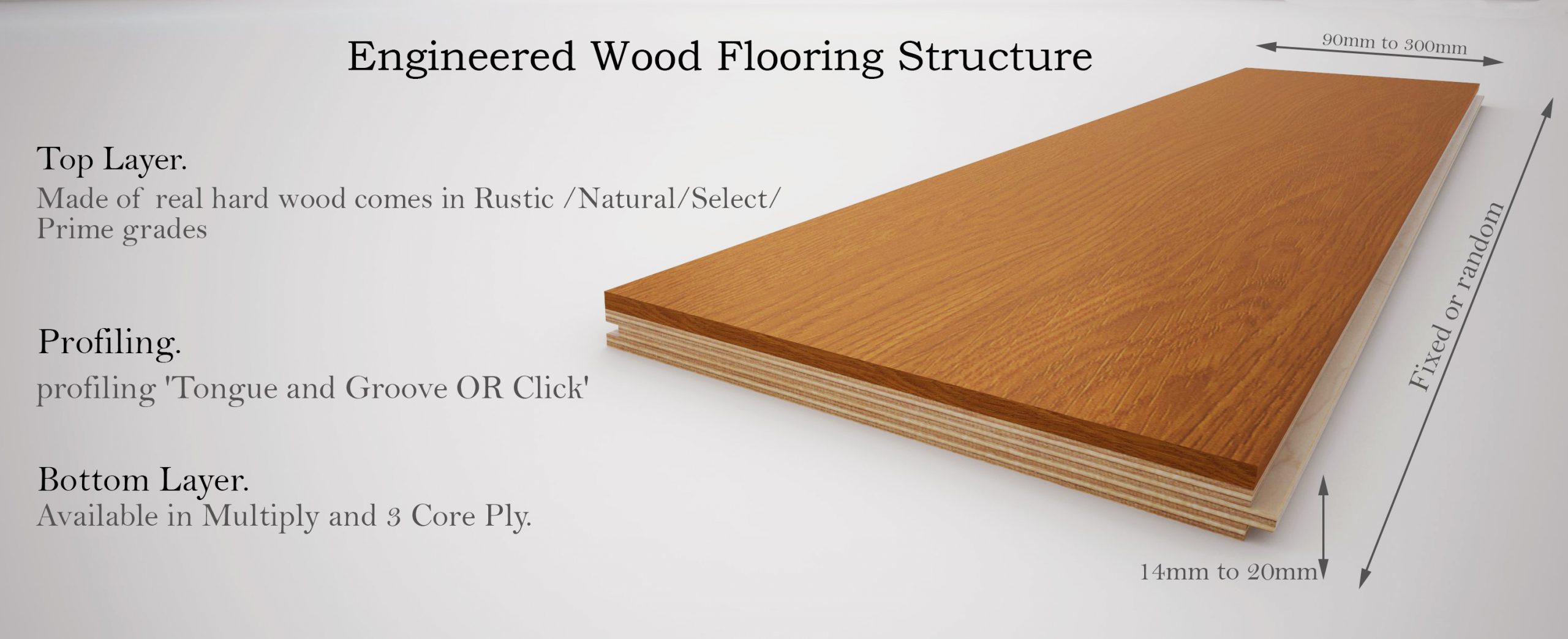
Engineered hardwood is made of several layers. The top layer is real wood. Beneath are strong layers of plywood. This makes it stable. It can handle moisture better than solid wood. Thickness varies from 3/8 inch to 1/2 inch. It can be installed in many rooms, even basements. It looks like solid wood but is less costly.
Laminate flooring looks like real wood. It is not real wood. It is made of high-density fiberboard. It has a photo layer on top. This looks like wood. Thickness is about 6 mm to 12 mm. It is budget-friendly and easy to install. It is good for high-traffic areas. It resists scratches and stains well.
Standard Thickness Measurements
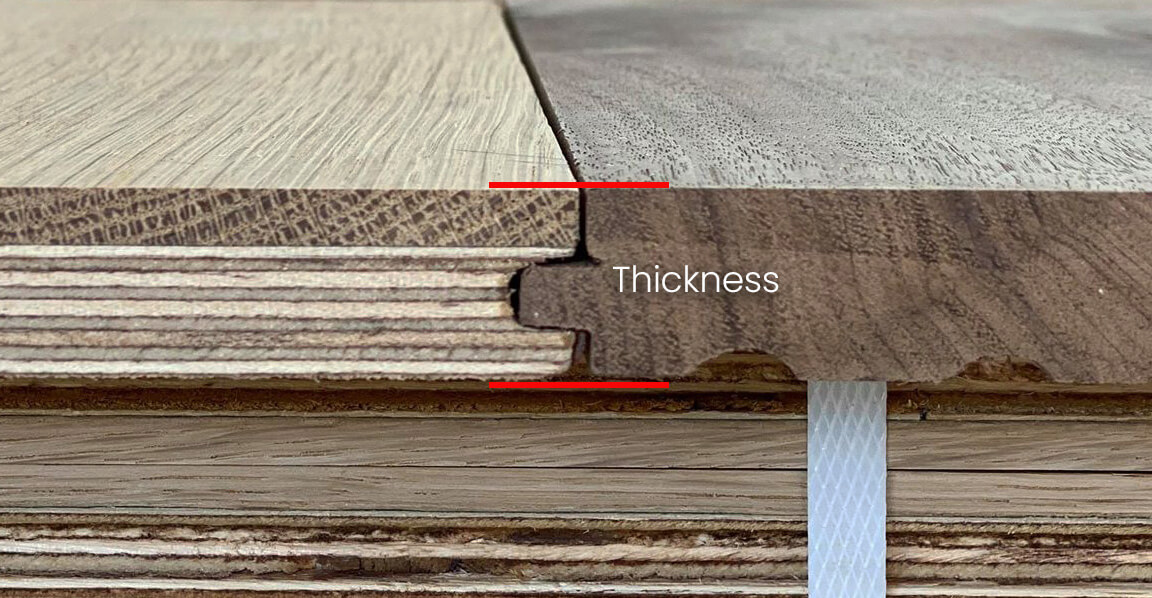
Hardwood flooring comes in different thicknesses. Most floors are between 3/8 inch to 3/4 inch thick. These are common sizes found in homes. Thicker floors can feel more solid. They are also more durable.
Floors are usually 3/8, 1/2, or 3/4 inch thick. Each size has its own use. Thinner floors are lighter. They are easier to install. Thicker floors can be sanded more times. This helps them last longer.
Several factors affect floor thickness. Budget is one factor. Thicker floors cost more. The type of wood is another factor. Some woods need to be thicker. Finally, the location of the floor matters. High-traffic areas may need thicker floors.
Choosing The Right Thickness
The thickness of hardwood flooring is very important. Heavy furniture needs thicker flooring. Thicker floors can handle more weight. Busy rooms like living rooms need strong floors. Thicker floors last longer in these rooms. Less busy rooms can have thinner floors. Bedrooms and closets are good for thinner floors. Think about what the room is used for. This helps in picking the right thickness.
Subfloor type affects hardwood thickness choice. Concrete subfloors need thicker flooring. This prevents damage and noise. Wood subfloors can use medium or thin floors. Thin floors save money but wear out faster. Check subfloor condition before choosing. Damaged subfloors need thicker hardwood. This avoids future problems. Always match hardwood with the subfloor type. This ensures longer-lasting floors.
Impact Of Thickness On Performance
Thicker hardwood flooring offers better durability. It can handle more wear and tear. Thick boards resist scratches better. They last longer than thin ones. Longevity is a key benefit. Thicker flooring can be sanded more times. This means it can be refinished when worn. Thin floors may not offer this option. Homes with pets and kids need thicker floors. They withstand more impact and heavy use.
Hardwood thickness affects sound insulation. Thicker floors absorb more noise. This is useful in multi-level homes. Rooms stay quieter. Thin floors let sound travel easily. Neighbors might hear your footsteps. Dense wood reduces echo. It creates a peaceful environment. Music lovers will appreciate this. Quiet spaces feel cozy and calm. Thick floors help achieve this ambiance.
Installation And Maintenance Tips
Hardwood flooring typically ranges from 3/8 inch to 3/4 inch thick. Thicker options offer durability and can be sanded multiple times. Regular cleaning and quick spill cleanup help maintain its beauty and longevity.
Preparation For Installation
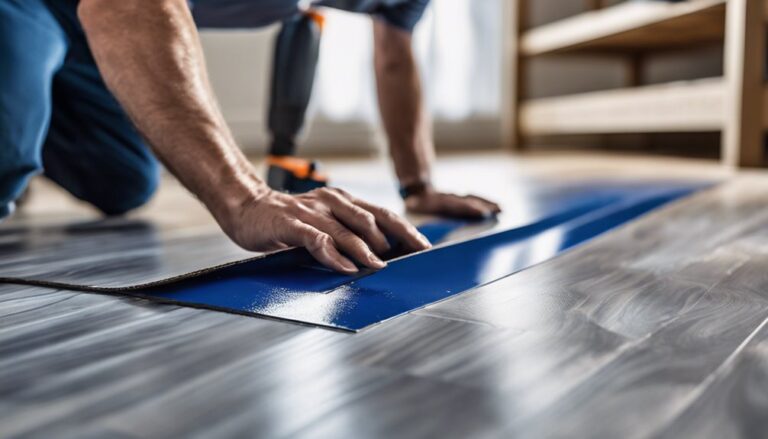
Before starting, ensure the floor is clean and dry. Check the surface for any uneven spots. Use a level to make it flat. Gather all tools and materials. This includes nails, adhesive, and a saw. Measure the room twice to cut the wood correctly. Leave the wood to adjust to room temperature. This helps prevent any future damage.
Care And Maintenance Practices
Regular cleaning is key to keeping hardwood floors nice. Sweep daily to remove dirt and dust. Use a damp mop once a week. Avoid too much water to prevent damage. Place mats at entryways to catch dirt. Protective pads under furniture can stop scratches. Every few years, consider refinishing to maintain shine.
Cost Implications Of Different Thicknesses
Thicker hardwood flooring often costs more. The price can vary greatly. Thin options are cheaper. Thicker options offer more durability. Costs depend on wood type too. Oak and maple are popular choices. Exotic woods cost the most. Installation cost adds to the final price. More thickness means more installation effort. This might lead to higher labor costs. Always check the full price. Include both material and installation costs.
Thick hardwood floors last longer. They can handle more wear and tear. This makes them a good investment. Thin floors may need more repairs. This can add extra costs over time. Thick floors can increase home value. Buyers like durable flooring. It’s a smart choice for future resale. Think about long-term benefits. Spending more now can save money later.
Environmental Considerations
Hardwood comes from trees. Sustainable sourcing means cutting trees with care. New trees are planted for the cut ones. This keeps the forest healthy. It also helps wildlife. Many companies follow these rules. They get a special label for it. This label shows they care for our planet.
Hardwood floors can change air quality. Some floors have chemicals in them. These can affect the air we breathe. Choosing floors with low chemicals is better. It keeps the air clean. Natural wood is a safe choice. It does not harm the air. This makes our homes healthier places to live.

Frequently Asked Questions
What Is The Standard Thickness For Hardwood Flooring?
The standard thickness for hardwood flooring typically ranges from 3/4 inch to 5/16 inch. Thicker options provide more durability and can be refinished multiple times. It’s essential to choose a thickness that suits your home’s structural needs and your personal preference for longevity and maintenance.
Does Thicker Hardwood Flooring Last Longer?
Yes, thicker hardwood flooring tends to last longer. Thicker boards can be sanded and refinished more times than thinner ones. This allows them to withstand wear and tear over the years. Investing in thicker hardwood can lead to a longer-lasting, more resilient floor.
How Does Thickness Affect Hardwood Flooring Installation?
Thicker hardwood may require more precise installation techniques. It can be more challenging to cut and fit correctly. However, it provides a more stable and durable surface. Thinner hardwood is easier to install but may not offer the same longevity and durability as thicker options.
Is Thicker Hardwood Flooring More Expensive?
Yes, thicker hardwood flooring generally costs more than thinner options. The increased material and durability contribute to the higher price. However, the investment can pay off in the long run due to its extended lifespan and ability to be refinished multiple times.
Conclusion
Choosing the right thickness for hardwood flooring is crucial. It affects durability, insulation, and the overall feel of the space. Thicker boards offer more strength and can be refinished multiple times. Thin boards might be suitable for specific needs or budgets.
Consider your home’s traffic and style when deciding. Always consult with a flooring expert to ensure the best fit. Understanding these details helps you make a wise choice. Hardwood adds beauty and value, but the right thickness maximizes benefits. Make informed decisions to enjoy lasting comfort and elegance in your home.