
Do you have a concrete floor that needs some TLC? Cleaning a concrete floor can seem daunting, but it doesn’t have to be.
Imagine walking into a room where your concrete floor sparkles, reflecting light and enhancing the beauty of your space. You can achieve this with just a few simple steps. Whether it’s in your garage, basement, or patio, a clean concrete floor can elevate the look of your home and even improve your mood.
Are you ready to discover how easy it is to transform your concrete floors? By the end of this article, you’ll have the tips and tricks you need to keep your floors spotless and inviting. Let’s dive in and unlock the secrets to a cleaner, brighter concrete floor.
Preparing The Floor
Move furniture and items away. Ensure the floor is clear. This makes cleaning easier. Check for any fragile items left behind. Be sure the area is safe.
Use a broom or vacuum to remove dust. Sweep the floor gently. Collect debris in a dustpan. This helps make the floor cleaner. Check corners for hidden dust. Repeat if needed.
Look for any stains or spills. Check the floor carefully. Note the location of each stain. Some stains need special cleaning. Plan how to clean them. Keep a record for future reference.
Choosing The Right Cleaning Products
Cleaning can be safe for the earth. Use eco-friendly cleaners. They are gentle on nature. Look for products with plant-based ingredients. Avoid harsh chemicals. Vinegar and baking soda are great choices. They clean well. And they are safe for kids and pets.
Sometimes dirt is tough. Heavy-duty cleaners can help. They remove stains fast. Use these for oil spills or grease. Follow instructions on the label. Wear gloves to protect your skin. Always ventilate the area well.
Make your own cleaner at home. Mix vinegar and water. It’s easy and cheap. Add a bit of dish soap for more power. Use a spray bottle to apply. Scrub with a brush for best results. Rinse with water after cleaning.
Basic Cleaning Techniques
Start by removing loose dirt and dust. Use a broom for sweeping. Push the dirt into a pile. Use a dustpan to pick it up. A vacuum can help too. It pulls dirt from cracks. Keep the floor clear and clean.
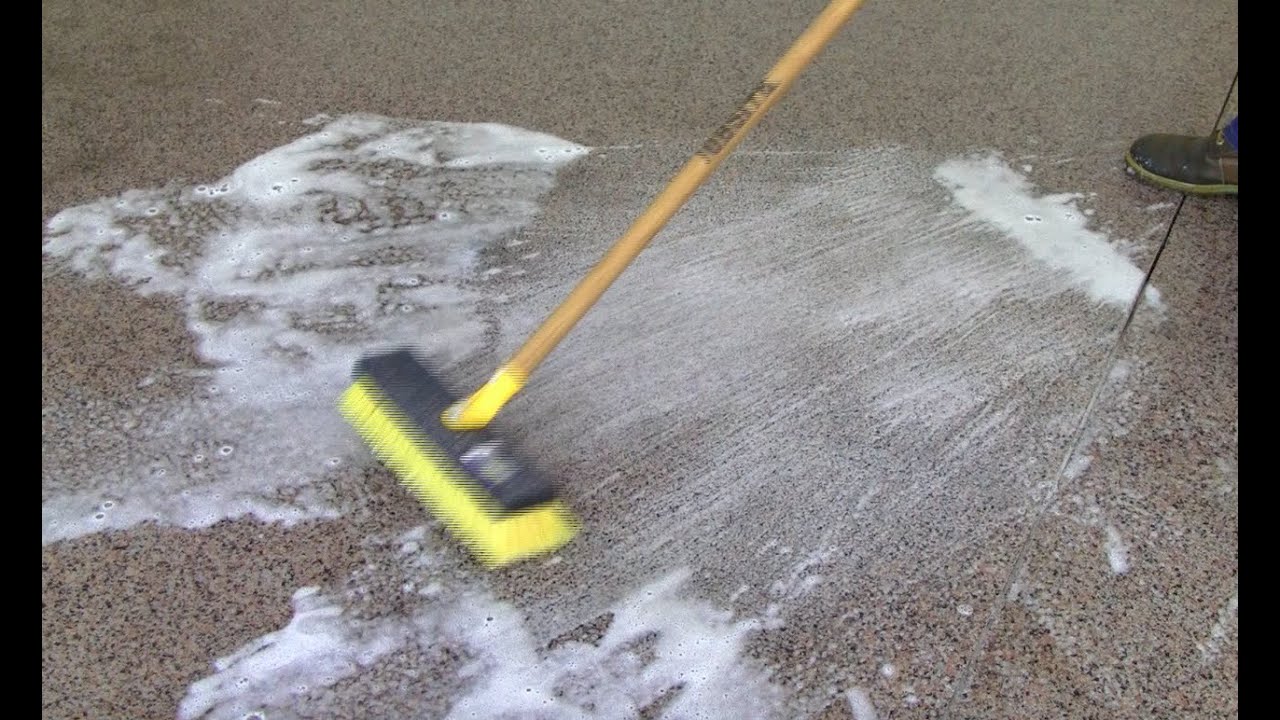
Fill a bucket with warm water. Add a mild detergent. Soak the mop in the water. Wring it out well. Mop the floor in small sections. Scrub stubborn spots with a brush. Rinse the mop often. Dry the floor with a clean cloth. This helps avoid slips.
Tackling Stubborn Stains
Concrete floors can be tricky to keep clean. Start by sweeping away dust and debris. For stubborn stains, mix water and mild soap, then scrub gently. Rinse thoroughly to avoid residue. Regular maintenance keeps your concrete looking fresh and tidy.
Oil And Grease Removal
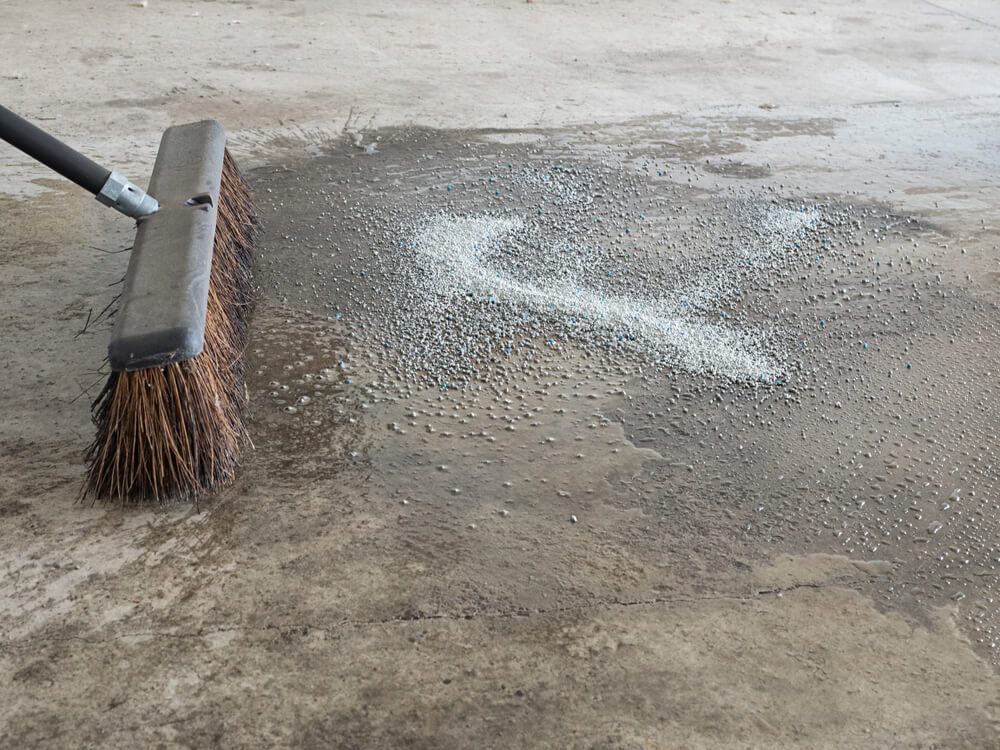
Oil and grease can stain your concrete floor. Use cat litter to absorb the oil. Cover the stain with litter. Let it sit for 24 hours. Sweep away the litter. Mix one cup of baking soda with two cups of hot water. Scrub the stain using the mixture. Rinse with clean water. Dry the area with a cloth.
Rust And Mildew Treatment
Rust and mildew need different care. Mix lemon juice and salt for rust. Apply the mix to the rusty spot. Wait for 10 minutes. Scrub with a brush. Rinse well. For mildew, use white vinegar. Spray vinegar on the mildew. Let it sit for 15 minutes. Scrub and rinse. Dry with a towel.
Sealing And Protecting
The right sealant makes your concrete floor last longer. Sealants come in different types. Some are for indoor use, others for outside. Choose wisely. Acrylic sealants are good for indoor floors. Epoxy sealants work well in garages. Check the label for waterproof features. This keeps your floor safe from spills.
Start with a clean floor. Sweep away all dirt. Use a mop with soap and water. Let the floor dry. Apply the sealant in small sections. Use a brush or roller. Spread it evenly. Let it dry completely. Follow the instructions on the label. Some sealants need a second coat. Wait before stepping on the floor. Enjoy your protected concrete!
/clean-a-concrete-patio-4580903-13-bcec273dc7a1471799f9a6780234830b.jpg)
Maintenance Tips
Sweep your concrete floor with a broom every week. Use a soft-bristle broom for best results. Mopping is also important. Mix warm water with a mild detergent. Mop the floor gently. Rinse with clean water. Let the floor air dry. This routine keeps the floor looking clean and fresh. Avoid using harsh chemicals. They can damage the concrete. Stick to gentle cleaners.
Place mats at doorways. Mats catch dirt and dust. This reduces floor cleaning time. Move furniture carefully. Scratches can occur easily on concrete. Use protective pads under furniture legs. Seal the floor every few years. A good sealant protects from stains. It also makes cleaning easier. Be proactive in floor care. It saves time and effort later.
Common Mistakes To Avoid
Many people think that strong chemicals clean better. This is not true. Harsh chemicals can damage the concrete. They can cause it to crack. Instead, use mild cleaners. They work well and are safe. Mix a small amount of cleaner with water. This makes it even less harsh. Always read the label on the cleaner. Make sure it is safe for concrete.
Proper ventilation is very important. Cleaning products can release fumes. These fumes can be harmful. Open windows and doors before cleaning. This lets fresh air in. It keeps the room safe. Use a fan if you have one. This helps move air around. Fresh air is good for you and your floor.
Frequently Asked Questions
How Often Should Concrete Floors Be Cleaned?
Concrete floors should be cleaned regularly, ideally every few months. Regular cleaning prevents dirt buildup and maintains the floor’s appearance. For high-traffic areas, consider more frequent cleanings. Consistent maintenance enhances longevity and keeps the surface looking fresh. Always use suitable cleaning products to avoid damage.
What Tools Are Best For Cleaning Concrete?
For effective cleaning, use a broom, mop, and vacuum. A pressure washer can tackle stubborn stains. Choose a suitable concrete cleaner for the type of floor. Avoid harsh chemicals that can damage the concrete. Proper tools ensure efficient cleaning and maintain the floor’s integrity.
Can Vinegar Damage Concrete Floors?
Vinegar is acidic and can damage concrete if used excessively. It may cause etching and dull the surface. When using vinegar, dilute it with water. Test on a small area before applying widely. Opt for pH-neutral cleaners for safer concrete maintenance.
Proper care preserves the floor’s appearance.
What Are Common Stains On Concrete Floors?
Common stains include oil, grease, and rust marks. Food spills and dirt also contribute to staining. Prompt cleaning prevents permanent damage. Use specific stain removers designed for concrete surfaces. Regular maintenance and immediate attention to spills ensure a clean, appealing floor.
Conclusion
Cleaning a concrete floor is simple with the right steps. Start by sweeping away dirt and dust. Use a mild cleaner for stubborn stains. Scrub gently to avoid damage. Rinse thoroughly and let it dry completely. Always remember to wear gloves for safety.
Regular cleaning keeps your floor looking great. Fresh and neat floors enhance any space. Take time to clean it regularly. Your concrete floor will stay in top condition. Follow these steps for a clean, durable floor. Enjoy a spotless, inviting space every day!