
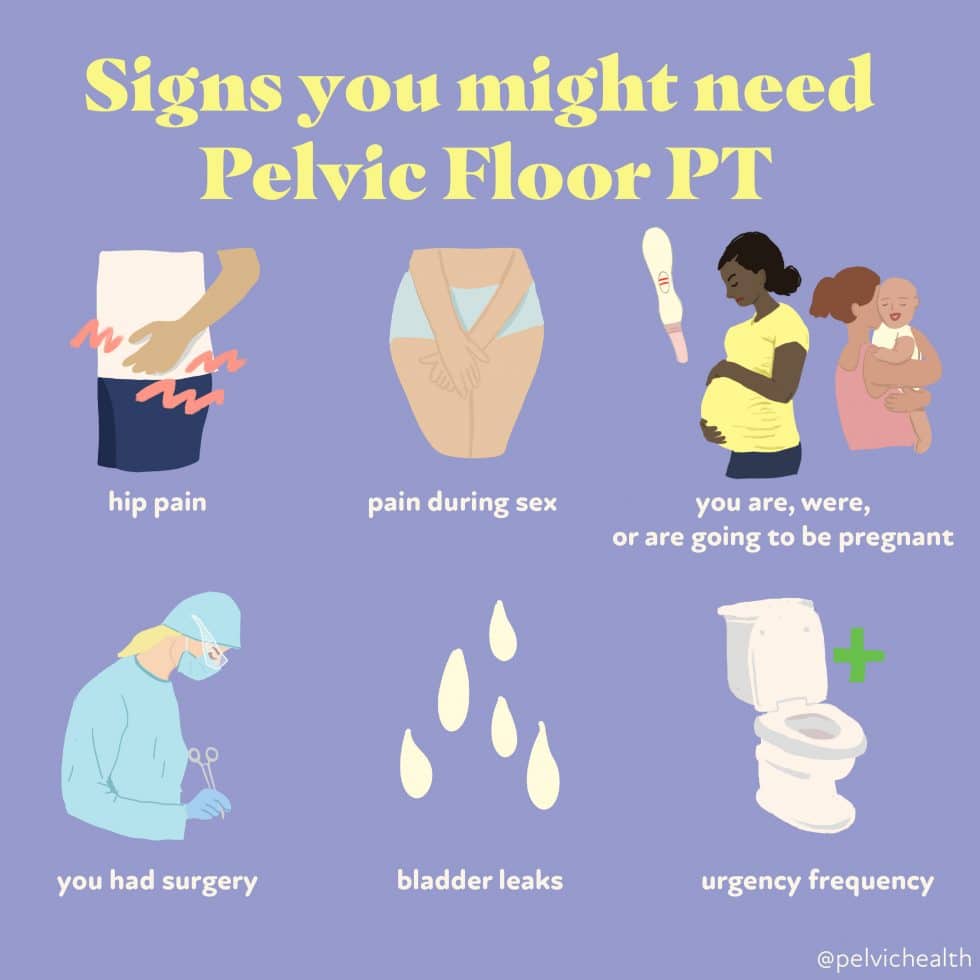

Have you ever wondered if pelvic floor therapy really works? Maybe you’re dealing with discomfort or challenges related to this crucial group of muscles, and you’re seeking a solution that actually makes a difference.
You’re not alone in your quest for answers. Pelvic floor issues can affect your daily life in ways you might not even realize, from controlling your bladder to supporting your core stability. You’ll uncover the truth about pelvic floor therapy—what it is, how it works, and most importantly, whether it can truly improve your well-being.
Imagine regaining control, confidence, and comfort in your body. Let’s dive into the facts and discover if pelvic floor therapy is the right step for you.

What Is Pelvic Floor Therapy
Pelvic floor therapy helps people with problems in their pelvic area. The pelvic floor is a group of muscles in the lower part of the body. They support organs like the bladder, uterus, and bowels. Sometimes these muscles get weak or too tight.
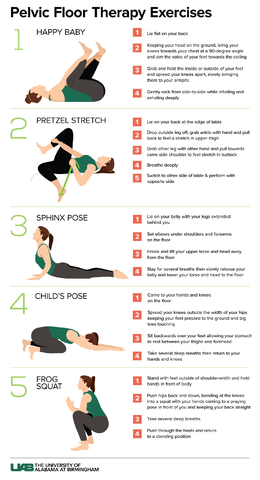
Therapy can include exercises to make muscles strong. It also uses stretches to help muscles relax. A therapist may teach patients how to control these muscles better.
This therapy can help with pain or discomfort. It can also improve bladder control. Many people find it very helpful for their health.
How Pelvic Floor Therapy Works
Pelvic floor therapy helps strengthen muscles. These muscles support the bladder, bowel, and uterus. A physical therapist guides you through exercises. These exercises make your muscles stronger and more flexible. You learn how to relax these muscles too.
Sometimes, therapists use special tools. They might use biofeedback. This tool shows how well muscles are working. With practice, you gain better control over the muscles. You might feel more comfortable and have less pain. This therapy can improve your life.
Many people find it very helpful. Regular sessions are often needed. Always follow the therapist’s advice. They know the best way to help you.
Common Conditions Treated
Pelvic floor therapy helps with bladder control. It strengthens weak muscles. Patients can experience fewer accidents. This makes daily life easier.
Therapy can reduce pelvic pain. It targets tight muscles. Relaxed muscles can ease the pain. Patients feel more comfortable.
New mothers need help after birth. Therapy aids in postpartum recovery. It restores muscle strength. This leads to faster healing.
Prolapse can be managed with therapy. It supports pelvic organs. Patients often feel better. They gain more confidence.

Benefits Of Pelvic Floor Therapy
Pelvic floor therapy helps with bladder control. Muscles get stronger. Strong muscles hold urine better. This means fewer accidents. People feel more confident. They worry less about leaks.
Therapy improves sexual health. Strong muscles enhance pleasure. Many feel more satisfied. They connect better with partners. This leads to happier relationships.
Therapy reduces pain. Many experience less discomfort. Pelvic muscles relax more easily. Tension decreases with exercises. Daily life becomes more comfortable.
Quality of life improves greatly. People feel less stressed. They enjoy daily activities more. Confidence grows with strong muscles. Simple tasks become easier. Happiness increases noticeably.
Techniques Used In Therapy
Biofeedback helps you understand your pelvic muscles. Special sensors give feedback. This shows how muscles work. Biofeedback teaches control over these muscles. It helps improve strength and flexibility. Many find biofeedback useful for pelvic health.
Manual therapy uses hands to help muscles. Therapists gently press and stretch muscles. This reduces pain and improves movement. It helps muscles relax and become strong. Many people feel better after manual therapy.
Kegel exercises strengthen pelvic muscles. These exercises involve squeezing muscles. Regular practice makes muscles stronger. Strong muscles help control bladder and bowels. Kegel exercises are simple and effective.
Electrical stimulation sends tiny pulses to muscles. This helps muscles move and grow stronger. Stimulation improves blood flow and reduces pain. Many find this technique beneficial. It supports overall pelvic health.
Success Rates And Patient Testimonials
Pelvic floor therapy shows good results for many. Studies suggest a high success rate. Many patients feel better after therapy. They find relief from pain and discomfort. It helps them enjoy life more.
People often share positive stories. They talk about how their lives changed. Some could do activities they missed. Others felt confident and happy again. These stories show the power of therapy.
Doctors support pelvic floor therapy. They see patients improve. They hear their happy stories too. It makes therapy a trusted choice for many. It gives hope to those in need.
Finding A Qualified Therapist
Credentials to Look For: A good therapist has special training. Check for a degree in physical therapy. Make sure they have a certification in pelvic floor therapy. This shows they know how to help. Experience is also important. Look for therapists with years of practice. They should have a good reputation. Read reviews from other patients.
Questions to Ask: Find out if they have treated cases like yours. Ask how long the therapy takes. Learn what methods they use. Check if they offer one-on-one sessions. Understand their fees and payment plans. Knowing these details helps you make a smart choice.
Considerations And Precautions
Pelvic floor therapy can have some side effects. Some people may feel sore. Others might feel a little dizzy. Sometimes, people might feel tired. It’s important to rest after therapy. Drinking water can help too. Always tell your therapist if you feel unwell.
Some people should not do pelvic floor therapy. Those with infections should wait. People with open wounds need to heal first. Pregnant women should ask their doctor. If you feel pain, stop therapy. Talk to your therapist about any concerns. Safety is very important.
Integrating With Other Treatments
Pelvic floor therapy can enhance the effectiveness of other treatments. Combining this therapy with exercises or medications may improve overall outcomes. Many find it complements traditional approaches, offering a more holistic healing process.
Medication
Medication can support pelvic floor therapy. Certain drugs reduce muscle spasms. Others manage pain or bladder issues. Consult a doctor for the best medication. Combining treatments often offers better results. Medication should be part of a holistic approach.
Surgery
Surgery might be necessary for severe cases. Pelvic floor therapy aids recovery. Strengthening muscles can speed up healing. Therapy may reduce the need for surgery. Discuss options with a healthcare provider. Surgery is a last resort, not the first choice.
Lifestyle Changes
Lifestyle changes enhance therapy effectiveness. Regular exercise strengthens pelvic muscles. Healthy eating supports overall wellness. Stress management techniques are beneficial. Avoid heavy lifting to protect muscles. Consistent habits lead to better results. Small changes make a big impact.
Frequently Asked Questions
What Is Pelvic Floor Therapy?
Pelvic floor therapy is a specialized treatment to strengthen pelvic muscles. It helps in managing conditions like incontinence and pelvic pain. Therapy involves exercises, manual techniques, and education to improve muscle function. It enhances the quality of life by promoting better bladder and bowel control.
How Does Pelvic Floor Therapy Help?
Pelvic floor therapy improves muscle strength and function. It helps reduce symptoms like urinary incontinence and pelvic pain. Therapy involves exercises and techniques tailored to individual needs. Regular sessions lead to better control and reduced discomfort. It’s effective in supporting overall pelvic health.
Who Can Benefit From Pelvic Floor Therapy?
Pelvic floor therapy benefits anyone experiencing pelvic health issues. It’s useful for postpartum women and those with incontinence or pelvic pain. Men with prostate issues can also benefit. Therapy aids in enhancing muscle control and alleviating discomfort. It’s suitable for people seeking improved pelvic function.
Is Pelvic Floor Therapy Effective For Incontinence?
Yes, pelvic floor therapy is effective for managing incontinence. It strengthens pelvic muscles, improving bladder control. Regular sessions can significantly reduce incontinence symptoms. Therapy includes exercises that enhance muscle function and support. Many individuals experience marked improvement with consistent therapy.
Conclusion
Pelvic floor therapy offers many benefits for those with pelvic issues. It can improve muscle strength and control. Many people find relief from symptoms. It’s a safe method to try. Consistent exercises make a difference. Results vary by person. Speak to a health professional for guidance.
Therapy isn’t a quick fix. Patience is key for success. Remember, your health is important. Consider therapy as part of your wellness journey. Always prioritize your comfort and needs.