
When you’re planning to install vinyl flooring on plywood, you might be wondering whether an underlayment is necessary. You want your flooring to look great and last for years, right?
But there’s so much conflicting advice out there. Some people swear by underlayment, while others say it’s a waste of time and money. So, what should you do? It’s easy to feel overwhelmed when faced with these choices, but making the right decision can save you from headaches down the line.
We’ll unravel the mystery behind underlayment for vinyl flooring on plywood, helping you make an informed choice. Discover how your decision can impact the comfort, durability, and even the noise level in your home. Let’s dive in and find out what’s best for you.

What Is Vinyl Flooring?
Vinyl flooring is a strong and flexible material. It is often used in homes. It looks like wood or stone but is cheaper. Vinyl is easy to clean. It is also water-resistant. This makes it great for kitchens and bathrooms. Many people like vinyl because it lasts long. You can find it in many colors and styles.
Vinyl flooring is soft under feet. It does not feel cold. It is also easy to install. Some types can be placed right on top of old floors. Vinyl is a good choice for busy areas. It can handle lots of foot traffic. Some types have extra layers for more comfort.
Choosing the right style is important. Think about the room’s color. Look at the light in the room. Vinyl can make rooms look bright and fresh. It is a popular choice for many homes.
Plywood As A Subfloor
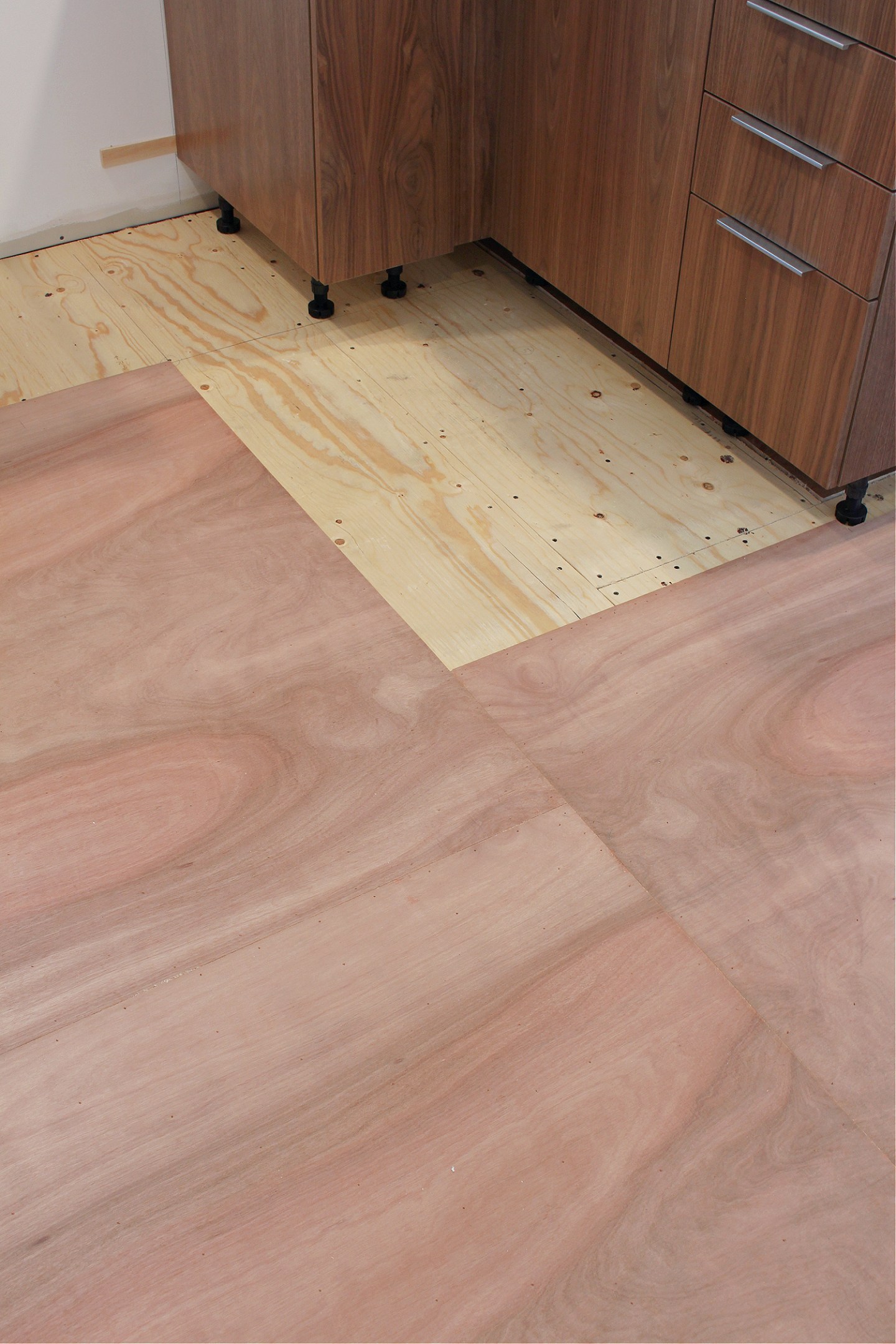
Plywood is a strong and flat material. It is often used as a subfloor. Subfloors are the base for finished floors. Vinyl flooring needs a smooth base. Plywood can provide that base. It helps in keeping the floor even. This makes walking easier.
Plywood is also easy to cut. It fits well in most spaces. This makes it a popular choice for homes. It supports the floor above. But sometimes, plywood can have bumps. These bumps can show through vinyl flooring. That’s why some people use underlayment. It helps in making the floor smoother. But not always necessary. The choice depends on the plywood’s condition.
Purpose Of Underlayment
Underlayment acts as a shield. It keeps water away from the plywood. Water can make plywood weak. This is bad for floors. A strong underlayment keeps floors safe. It stops water from causing harm.
Walking on floors can be loud. Underlayment makes it quieter. It absorbs sound. This helps in homes and offices. Less noise means peace. Neighbors will be happy too.
Floors can be hard on feet. Underlayment adds softness. It makes walking comfy. Families feel better with it. Playing on the floor is fun again.
Benefits Of Using Underlayment
Underlayment makes floors last longer. It protects against scratches and dents. Your floor stays nice and neat. It’s like a strong shield for your floor.
Floors feel warmer with underlayment. It keeps heat in the room. Cold air stays out. This saves energy and keeps bills low. Cozy rooms all year round.
Walking is smoother with underlayment. It covers bumps and cracks. Floors look even and nice. No more tripping or stumbling. Easy walking all day.
When Underlayment Is Necessary
Uneven subfloor can make vinyl flooring unstable. It might crack or break. Underlayment helps to level the surface. It fills gaps and smooths bumps. This makes the floor strong and lasting. Without underlayment, floors may squeak or wobble.
High moisture areas need protection. Kitchens and bathrooms can get wet. Water can ruin plywood and flooring. Underlayment acts as a barrier. It keeps water away from the plywood. This helps prevent damage and mold.
Noise concerns are common in homes. Walking on vinyl can be loud. Underlayment absorbs sound. It makes footsteps quieter. This is helpful in apartments or busy homes. Peace and quiet are important for families.
Types Of Underlayment For Vinyl
Vinyl flooring on plywood benefits from underlayment. Foam, cork, and felt are popular choices. They add cushioning, reduce noise, and offer moisture protection.
Foam Underlayment
Foam underlayment is soft and lightweight. It provides a nice cushion. This layer helps reduce noise. It is great for areas with heavy foot traffic. Foam underlayment is easy to install. It improves the comfort of the floor. It is also budget-friendly and widely available.
Cork Underlayment
Cork underlayment is natural and eco-friendly. It offers great sound absorption. Cork is resistant to mold and mildew. It is durable and lasts long. This underlayment provides good insulation. It keeps the floor warm. Cork is slightly more expensive than foam.
Felt Underlayment
Felt underlayment is dense and strong. It is made from recycled fibers. Felt reduces noise and protects the floor. It is suitable for moisture-prone areas. This underlayment is more durable than foam. Felt can help keep the floor smooth.
Installation Tips
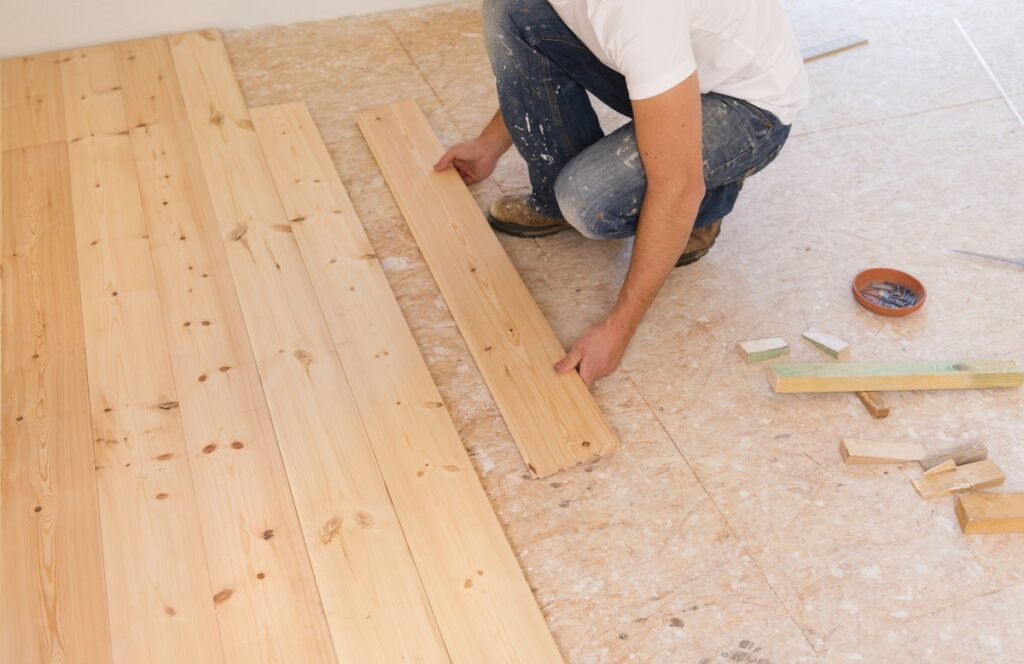
Start by cleaning the plywood. Remove all dust and dirt. Make sure the surface is flat. Check for any bumps or holes. Fix these before moving on. Smooth surfaces ensure better installation. Check moisture levels too. High moisture can damage vinyl floors.
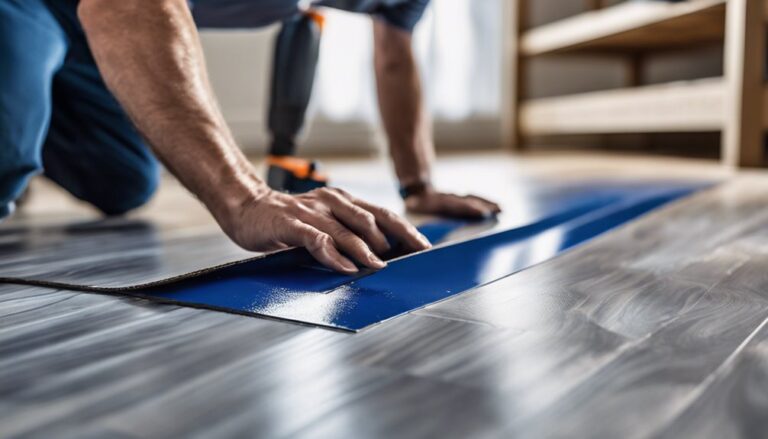
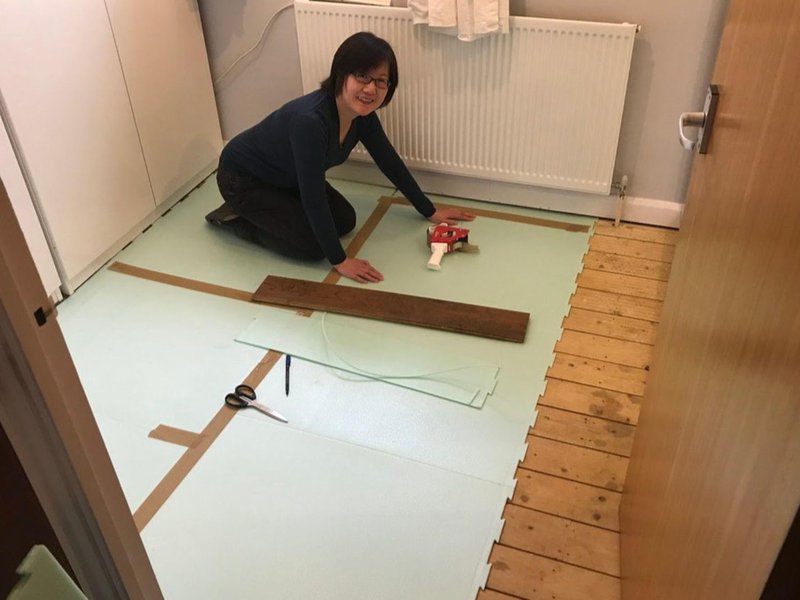
Choose the right underlayment. It adds comfort and protection. Lay the underlayment evenly. It should cover all the plywood. Use a utility knife to trim edges. Make sure there are no overlaps. Tape the seams to keep it in place. A good underlayment reduces noise and wear.
Start laying vinyl in one corner. Press it down firmly. Smooth out bubbles as you go. Use a roller for this. Cut the vinyl to fit the room. Use a sharp knife. Secure edges with adhesive. Check for gaps and fix them. Proper securing ensures a long-lasting floor.
Cost Considerations
Material Costs for underlayment can vary. Basic options are cheaper. Premium options cost more. Choosing the right type is important. Quality impacts the price. Thickness and durability matter. Better materials last longer.
Installation Costs depend on hiring professionals. Doing it yourself is cheaper. Professionals ensure better results. They have tools and skills. DIY can be tricky. Mistakes can cost more later. Consider your budget and skills.
Long-Term Savings are possible with good underlayment. It protects your flooring. Less wear and tear. Fewer repairs are needed. Floors stay in good shape longer. Invest now, save later. Quality underlayment is worth it.
Common Mistakes To Avoid
Measuring the floor wrongly leads to issues. Always measure twice to be sure. Use a tape measure for accuracy. Ensure all corners are included. Measure in feet or inches. Avoid guessing the size. Correct measurements prevent waste. Remember to note down the measurements.
Moisture barriers are vital. They protect the floor from water damage. Ignoring them causes problems. Wet plywood can warp or rot. Always use a moisture barrier. It extends the floor’s life. Check if the barrier is intact. Ensure proper installation for best results.
Using the wrong adhesive harms the floor. Choose the correct type for vinyl. It ensures the floor stays in place. Read the adhesive label carefully. Apply evenly for best results. Avoid overusing or underusing adhesive. Proper use prevents bubbles and lifting.
Expert Recommendations
Experts say underlayment makes floors last longer. It protects vinyl flooring from moisture. It also helps to make floors feel softer. Think of it as a cushion for your feet. Without it, floors might feel hard. Soundproofing is another benefit. It keeps noise down when you walk. This makes homes quieter. Some underlayment types even stop heat loss. This helps keep rooms warm.
Many homeowners like using underlayment. They say it makes floors smoother. It also covers small bumps on plywood. Others say it helps with noise. Kids running around? No problem. The floor is quiet. Some mention that it helps with temperature. Rooms stay warmer in winter. Cool in summer. A few say it saves money on heating bills.
Reviews often praise underlayment products. Many say they are easy to install. Some come with sticky backs. This makes them simple to lay down. Others mention how they work well with vinyl flooring. Many products are also waterproof. This helps keep floors safe from spills. Some people recommend it for its durability. They say it lasts for years without wear.
Frequently Asked Questions
Is Underlayment Necessary For Vinyl On Plywood?
Underlayment isn’t always necessary for vinyl flooring on plywood. However, it can provide benefits like sound reduction, moisture protection, and improved floor comfort. Consider your specific needs and flooring type before deciding. Always check manufacturer recommendations for the best results.
What Benefits Does Underlayment Offer Vinyl Flooring?
Underlayment for vinyl flooring offers sound reduction, moisture protection, and enhanced comfort. It also provides insulation, making your floor feel warmer. Additionally, it can help smooth out minor subfloor imperfections, ensuring a more even surface for installation.
Can I Install Vinyl Directly On Plywood?
Yes, you can install vinyl directly on plywood. However, ensure the plywood is clean, dry, and level. A smooth surface is essential for a successful installation. If the plywood has imperfections, consider using underlayment to achieve a better finish and performance.
Does Underlayment Increase Vinyl Flooring Durability?
Underlayment can enhance vinyl flooring durability by providing extra support and protection. It helps prevent wear and tear from subfloor imperfections. Additionally, it can improve the overall lifespan of your flooring, making it a worthwhile investment in some situations.
Conclusion
Choosing underlayment for vinyl on plywood matters. It affects comfort and durability. Underlayment can reduce noise and provide cushioning. Also, it might protect your floor from moisture. Your choice depends on needs and budget. Remember, installing it can enhance your vinyl flooring experience.
Consider consulting with experts. They can offer advice based on your situation. Always weigh the pros and cons. Make informed decisions for your home. This ensures a long-lasting and beautiful floor. Happy flooring!