
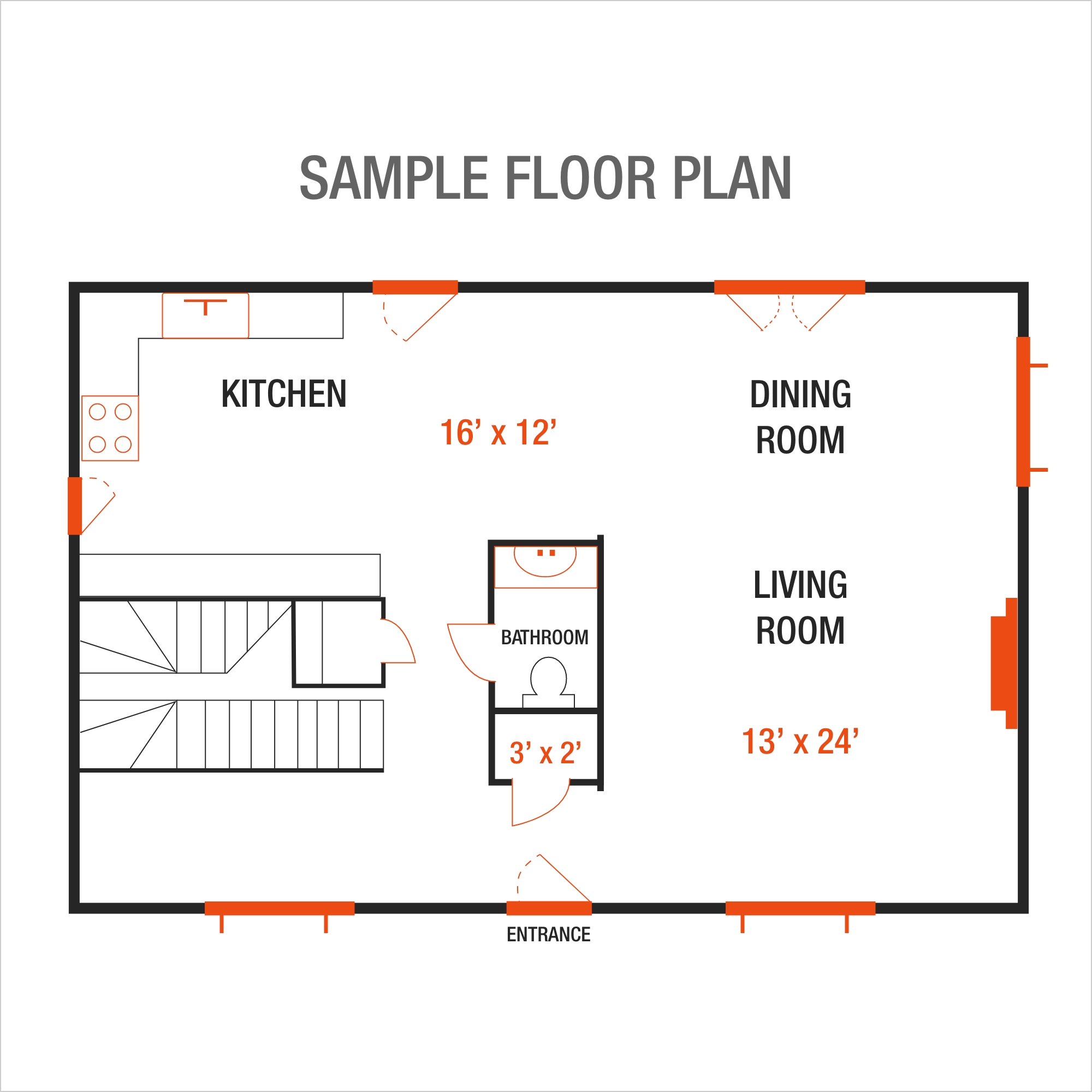

Imagine transforming your dream home into reality, starting with a simple sketch. Drawing floor plans is the first step in bringing your vision to life.
Whether you’re planning a new build or a renovation, learning how to draw accurate and functional floor plans can save you time and money. You might think it’s a task best left to professionals, but with a few basic tips, you can craft designs that capture your ideas perfectly.
You’ll discover practical techniques that will empower you to create detailed and precise floor plans. We’ll guide you through the essentials, from understanding dimensions to selecting the right tools. This isn’t just about drawing lines on paper; it’s about designing spaces that reflect your style and meet your needs. By mastering these skills, you can ensure your project starts on the right foot. Are you ready to unlock the secrets of professional-grade floor planning? Dive in and start drawing your dream space today!
Essential Tools And Materials
Drawing floor plans needs the right tools. Start with a ruler for straight lines. A pencil is a must for sketching. Use erasers to fix mistakes. Graph paper helps in precise measurements. Colored pencils can mark different areas. A scale ruler is useful for accurate dimensions.
For digital plans, a computer is needed. Install design software like AutoCAD. A mouse or stylus can aid in drawing. Always have a notebook for notes. It’s important to have a clear mind. Plan before drawing each line.
Understanding Floor Plan Basics
Floor plans show a room or building from above. Scale is important. It shows real size on paper. A common scale is 1/4 inch equals 1 foot. Measurements must be exact. Use a ruler or measuring tape. Write down each length and width. This helps in making the plan accurate.
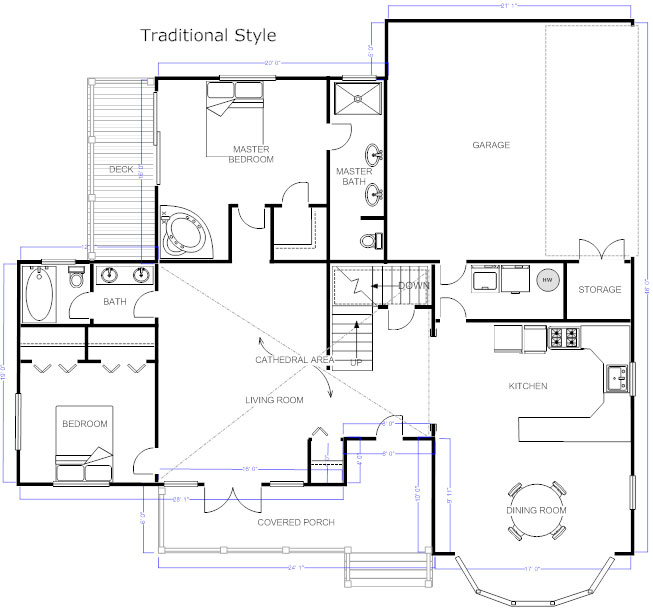
Symbols are small drawings. They show objects like doors and windows. A door is a line with an arc. A window is two parallel lines. Notations are words or numbers. They explain symbols and measurements. Always label rooms and important areas. This makes the plan easy to read.
Site Analysis And Requirements
Start by measuring the room. Width and length are important. Use a tape measure for accuracy. Write down the numbers. Make sure to note any odd shapes or corners.
Look for windows and doors. Mark their places on your paper. Don’t forget the ceiling height. It helps in planning.
Think about what you need. A kitchen or a bedroom? List down important features. Is there a budget? It can limit choices.
Consider building rules. They can affect your plan. Neighbors might have concerns too. Stay aware and plan smartly.
Sketching The Layout
Start with a blank sheet of paper. Draw a simple rectangle. This will be your house’s outline. Use a ruler for straight lines. Draw lightly with a pencil. You might need to erase and change things. Make squares or rectangles for rooms inside the big rectangle. Don’t worry about sizes yet. Just draw shapes to show different rooms. This is your rough draft.
Decide where the walls will go. Draw straight lines for walls. Make sure rooms have space. Think about where doors go. Doors need space to open. Draw small arcs to show door swings. Place doors in smart spots. Near corners or central spots work well. Check your layout. Move doors if needed. Walls and doors must fit right.
Refining The Design
Refining the design involves careful attention to detail. Start with basic measurements and layout, adjusting elements for functionality. Use clear lines to define spaces, ensuring accessibility and flow. Add doors, windows, and furniture to visualize the final look.
Adding Fixtures And Furniture
Start by placing important furniture like beds and sofas first. They take up a lot of space. Next, add smaller items like chairs and tables. Ensure there is enough walking space around them. Use a ruler to measure distances on your plan. This will help you keep everything in the right place. Also, remember to add fixtures like sinks and toilets in the bathroom. These are essential for your design.
Ensuring Functionality
Check that doors and windows can open freely. Nothing should block them. Walkways should be clear and easy to follow. Make sure rooms are the right size for their purpose. A kitchen should have space for cooking and eating. A living room should have space for sitting and watching TV. Functionality is key to a great floor plan. It should make life easy and comfortable.
Finalizing The Floor Plan
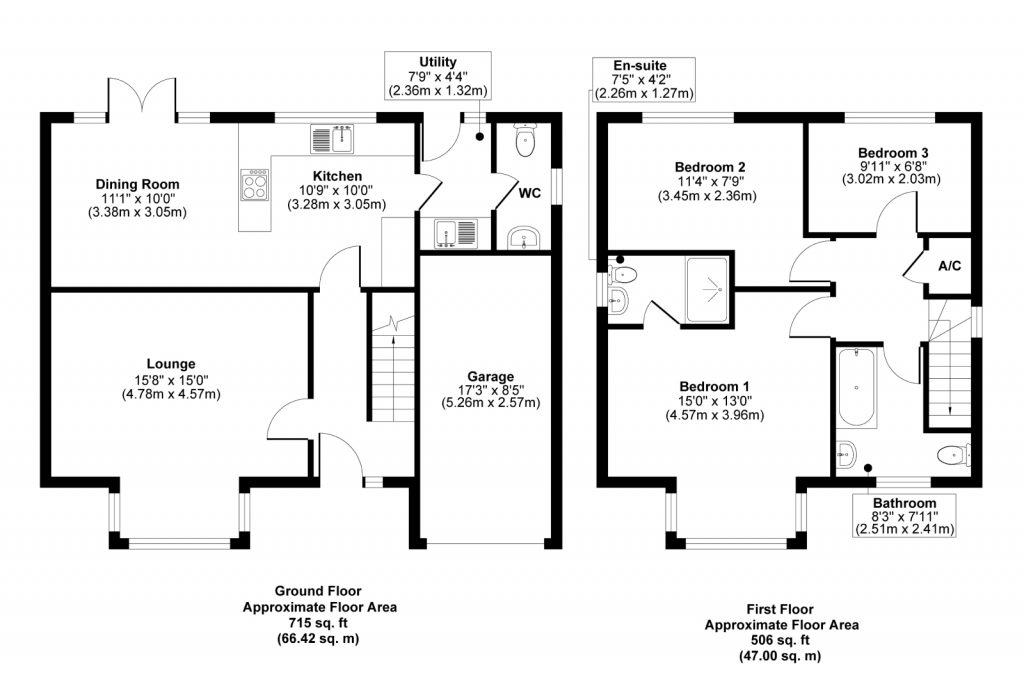
Check each room for correct size. Look at the layout carefully. Are the doors in good spots? Make sure the walls are not too thin or thick. Count the windows in each room. Is there enough light? Look at the walkways. People should move easily. Make changes if needed. This makes the plan better.
Make the plan neat. Use a ruler for straight lines. Add clear labels. Write the room names. Show where the furniture goes. Check for errors. Fix any mistakes. Use colors to make it nice. This makes it easy to understand. Share your plan with others. Get their feedback. This helps to improve the plan.
Common Mistakes To Avoid
Many people make errors when drawing floor plans. One common mistake is not measuring accurately. Accurate measurements are crucial for a good floor plan. Without them, furniture may not fit. Another mistake is ignoring the flow of the space. Flow is important for moving easily from room to room. People also forget about windows and doors. These affect furniture placement and light in rooms. Lastly, some plans lack enough storage space. Always consider where to store items. Good storage makes rooms tidy and organized.

Tips For Professional Quality
Software tools help you draw better floor plans. They make the job easier. Many tools have drag-and-drop features. This means you can move items with a click. You save time and make fewer mistakes.
Templates are available too. They guide you step-by-step. You can start with a basic plan. Then, add details as you go. This helps in creating a clear and neat plan.
Feedback is important. It helps you improve your plans. Ask friends or family for their thoughts. They might see things you missed. Use their ideas to make better floor plans. Listening to others makes you a better planner.
Frequently Asked Questions
What Tools Do I Need To Draw Floor Plans?
To draw floor plans, you need a scale ruler, graph paper, and a pencil. Digital tools like AutoCAD or SketchUp can also be helpful. These tools allow for precise measurements and easy alterations, ensuring your floor plan is accurate and professional.
How Can I Start Drawing A Floor Plan?
Start by measuring the space, noting dimensions and features. Sketch the basic layout on graph paper or using software. Make sure to include walls, doors, and windows. This initial sketch will guide the rest of your planning and design process.
What Are The Common Mistakes In Floor Planning?
Common mistakes include incorrect measurements, neglecting storage, and poor traffic flow. Avoid cluttering with unnecessary elements. Ensure all rooms are accessible and functional. Accurate planning prevents costly errors during construction or renovation.
How Do Floor Plans Improve Home Design?
Floor plans provide a visual layout, helping to optimize space and design. They allow you to plan room arrangements and traffic flow. This ensures a practical and aesthetically pleasing home design, tailored to your needs and lifestyle.
Conclusion
Creating floor plans can be simple and fun. Practice makes perfect. Start with basic shapes and progress gradually. Use pencils for easy corrections. Tools like rulers help with accuracy. Consider dimensions carefully. They define space. Label each room for clarity.
Add furniture symbols for better understanding. Keep design practical and realistic. Share your plans for feedback. Learning from others helps. Enjoy the process of designing. Let creativity flow. Each plan is unique. Reflects personal style and needs. Drawing floor plans can be rewarding.
It brings ideas to life. Happy designing!